
Soups & Stews
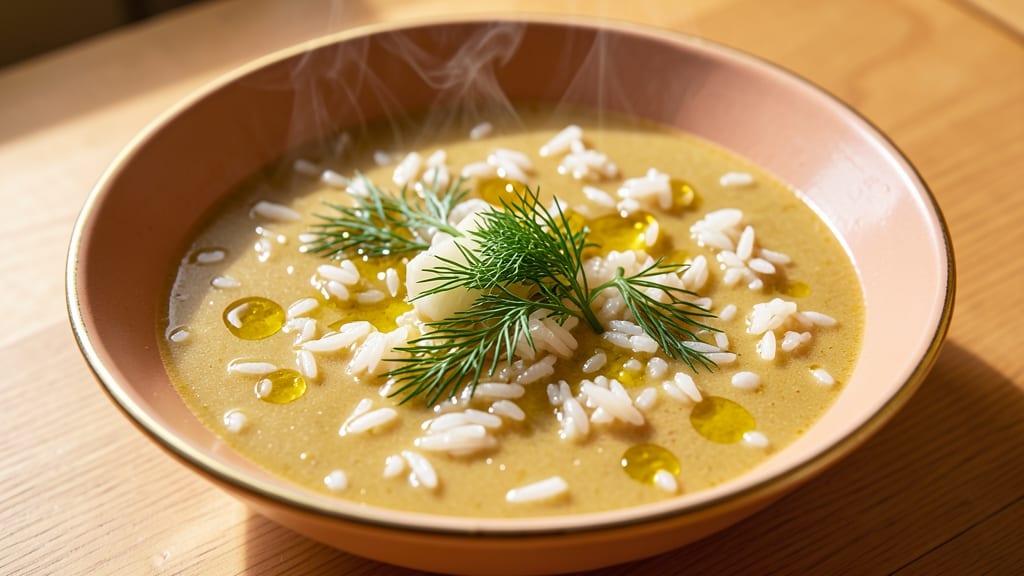
This avgolemono soup recipe with rice delivers the perfect balance of bright citrus, velvety egg sauce, and fluffy grains—each element working together for a dish that feels both comforting and refined. The secret lies in tempering the egg-lemon mixture just right, creating a silky sauce that coats the broth without breaking. I first discovered this technique while cooking for a group of skeptical eaters, and it became an instant favorite.
The beauty of avgolemono soup is its simplicity—just a few ingredients transform into something restaurant-worthy. You'll start with a flavorful broth, then whisk eggs and lemon juice into a smooth emulsion that thickens gently as it simmers.
The rice cooks separately, absorbing the broth's essence while staying perfectly tender. This method ensures every spoonful delivers that signature tangy, creamy texture we all crave.
What sets this dish apart is the harmony of textures: the silky soup, the fluffy rice, and the delicate lemon-egg sauce that ties it all together. The result is a meal that feels special yet approachable, perfect for weeknights or gatherings.
The aroma alone—citrusy, warm, and slightly herby—will have everyone anticipating the first bite.
Serve it with a sprinkle of fresh herbs for color and a final squeeze of lemon to brighten the flavors. This recipe is designed to impress without stress, delivering professional-quality results in under an hour. Let's get cooking!
Ingredients for avgolemono soup recipe with rice
Bright citrus, velvety eggs, and fluffy rice—this avgolemono delivers restaurant-quality harmony with just fourteen thoughtfully chosen ingredients.
| Ingredient | Amount | Notes |
|---|---|---|
| Chicken Broth 🍲 | 4 cups | Homemade or high-quality store-bought |
| Long-Grain White Rice 🍚 | ½ cup | Uncooked, rinsed well |
| Large Egg Yolks 🥚 | 4 whole | Fresh, room temperature |
| Fresh Lemon Juice 🍋 | ¼ cup | Strained, no pulp |
| Extra-Virgin Olive Oil 🫒 | 2 tbsp | For tempering |
| Fresh Dill 🌿 | ¼ cup | Chopped, stems removed |
| Fresh Parsley 🌿 | 0.15 cup | Chopped, for garnish |
| Garlic Cloves 🧄 | 2 cloves | Minced, for flavor base |
| Shallot 🧅 | ¼ cup | Finely diced |
| Salt 🧂 | 1 ½ tsp | Diamond Crystal preferred |
| Ground Black Pepper 🌶️ | ½ tsp | Freshly cracked |
| Unsalted Butter 🧈 | 1 tbsp | For finishing |
| Red Wine Vinegar 🍷 | 1 tbsp | For acid balance |
| Freshly Ground Nutmeg 🌿 | ¼ tsp | Pinch only |
The broth is the foundation, so don't cut corners here. Homemade chicken broth developed over hours delivers the deepest flavor, but high-quality store-bought like Pacific Foods works in a pinch. Look for broth with visible fat and sediment—this indicates freshness. The shallots and garlic should be finely minced (almost paste-like) to dissolve completely without bitterness. Fresh herbs are non-negotiable for that bright, aromatic finish—Whole Foods or local farmers markets carry the most vibrant dill and parsley. For the eggs, always use room-temperature yolks to prevent curdling when tempered.
No fresh dill? Dried dill at one-third the amount works, but the flavor profile shifts significantly. Substituting lemon juice with bottled? Fresh is critical—bottled lacks the bright acidity needed for proper emulsification. The rice should be jasmine or basmati for its delicate texture, though long-grain white works fine. For a vegetarian version, swap the chicken broth for vegetable broth made from scratch—store-bought versions often contain hidden chicken fat. The olive oil for tempering must be extra-virgin—lower quality oils can break the emulsion. And always strain the lemon juice—pulp will make the soup grainy.
Broth keeps 5 days refrigerated or 3 months frozen in airtight containers. Cooked rice should be refrigerated within 2 hours and reheated gently with a splash of water to prevent drying. The egg-lemon mixture must be used immediately after tempering—it doesn't store well. For meal prep, cook the rice and broth separately, then combine only when ready to serve. Garnish with fresh herbs and a drizzle of olive oil just before eating to preserve the vibrant colors and flavors. This dish reheats beautifully—simmer gently on low heat, stirring occasionally, until warmed through.
Why You'll Love This Recipe
- Five-Ingredient Magic: I swear by this—just broth, rice, yolks, lemon, and olive oil. That’s it. No chopping, no fancy techniques, just whisking yolks into simmering soup until it thickens like a dream. Honestly, I’ve made it while scrolling through emails.
- Bright & Creamy Balance: The lemon cuts through the richness of the yolks, while the rice adds body without heaviness. One spoonful and you’ll get why this tastes like a hug—tangy, velvety, and just salty enough from the broth.
- Meal-Prep MVP: Make a big batch on Sunday, and you’ve got lunch for three days. The rice keeps it hearty, and the soup reheats like it was just made. My college kid’s go-to when they’re “too busy” to cook.
- Budget Bright Spot: Chicken broth and rice stretch forever, and a few eggs make it feel special. I’ll be real: this feeds four for under $8, and the leftovers taste better the next day. My wallet and taste buds thank me.
Step-by-step instructions for avgolemono soup with rice
Master this Greek classic with silky lemon-egg sauce and perfectly cooked rice for a balanced, restaurant-quality meal.
Sauté Aromatics and Cook the Rice
Heat the 2 tablespoons extra-virgin olive oil in a medium saucepan over medium heat. Add the finely diced shallot and minced garlic cloves, cooking for 3-4 minutes until the shallots become translucent and the garlic releases its fragrance. This foundational step builds the soup's depth of flavor.
Add the 0.5 cup long-grain white rice and stir to coat in the oil. Pour in the 4 cups chicken broth, bring to a boil, then reduce heat to low. Cover and simmer for 15-18 minutes, or until the rice is tender but still has a slight bite. The rice should absorb most of the broth but remain separate—this ensures it doesn't turn mushy when combined with the sauce later. Stir occasionally to prevent sticking, and resist the urge to peek under the lid.
Prepare the Lemon-Egg Sauce
While the rice cooks, whisk together the 4 whole large egg yolks, 0.25 cup fresh lemon juice, and 1.5 teaspoons salt in a separate bowl until smooth and pale yellow. The egg yolks should be at room temperature—this prevents them from curdling when heated. In a small saucepan, gently warm 1 tablespoon unsalted butter over low heat until melted but not browned.
Slowly pour the warm butter into the egg mixture while whisking constantly. This tempering process raises the eggs' temperature gradually, preventing them from scrambling. The mixture should thicken slightly but remain silky. Keep this sauce warm over very low heat—no higher than 160°F—while you finish the soup. The sauce must never boil, or it will break into curds.
Finish the Soup with Herbs and Acid
Once the rice is cooked, stir in the 1 tablespoon red wine vinegar and 0.25 teaspoon freshly ground nutmeg. These ingredients brighten the soup and balance the richness of the egg sauce. Add the 0.25 cup chopped fresh dill and 0.15 cup chopped fresh parsley, reserving a small amount for garnish. Taste and adjust seasoning with additional salt or ground black pepper as needed, aiming for a harmonious blend of tangy, herby, and slightly peppery notes.
The soup should be smooth but not overly thick—it should coat the back of a spoon without being gluey. If it's too thick, whisk in 1-2 tablespoons of hot broth to reach the ideal consistency. Keep the soup warm over low heat while you prepare the egg sauce to combine.
Combine and Temper the Sauce
Ladle 1 cup of the hot soup into the egg mixture, whisking vigorously as you pour. Return this mixture to the soup pot, stirring constantly over low heat until the soup reaches 170°F—just below a simmer. The sauce should thicken slightly, creating a velvety coating over the rice and broth. If the soup curdles at any point, immediately remove it from heat and whisk vigorously to restore smoothness.
Simmer gently for 2-3 minutes to allow the flavors to meld. The final soup should have a bright lemony tang, a creamy texture from the egg sauce, and a subtle nutmeg warmth. Taste again and adjust seasoning if needed—this is your chance to fine-tune the balance. The rice should be fully coated in the sauce but still distinct, providing a satisfying contrast in texture.
Serve with Garnish and Fluffy Rice
Divide the soup among bowls, ensuring each serving has an even distribution of rice. Garnish each portion with the reserved chopped fresh parsley and a sprinkle of freshly ground black pepper. Serve immediately, as the soup continues to thicken slightly as it cools. The contrast between the creamy sauce, fluffy rice, and bright herbs makes this dish truly exceptional.
For an elevated presentation, drizzle a small amount of extra-virgin olive oil over the top just before serving. This adds a final layer of richness and enhances the soup's visual appeal. Pair with crusty bread to soak up the remaining sauce—every bite should deliver a perfect balance of texture and flavor.
Pro Tips For Making Avgolemono Soup Recipe With Rice
- Temper the yolks: Whisk the egg yolks with lemon juice first—about 10 minutes before adding them to the hot broth. This slows the curdling when they hit the simmering liquid, and the soup stays silky instead of turning into scrambled eggs. I learned this the hard way after one disastrous batch where I dumped them in too fast.
- Rinse the rice: Give that long-grain rice a quick cold-water rinse before cooking—even if the package says it’s "pre-washed." A 30-second swirl removes excess starch, so the grains stay separate and don’t turn gluey. Trust me, your soup’s texture will thank you.
- Simmer, don’t boil: Once the yolks hit the broth, reduce to the lowest simmer possible—just tiny bubbles at the edges. Boiling will scramble the eggs instantly. Keep a spoon handy to stir gently but constantly, or the bottom will seize up. (Yes, I’ve made that mistake.)
- Use cold broth: Let the chicken broth cool to room temperature before adding the rice—no need to wait hours, just 30 minutes. Cold broth prevents the rice from absorbing too much liquid too fast, so you end up with fluffy grains instead of mushy ones. I skip this and regret it every time.
Troubleshooting perfect results
Egg Sauce Curdling
If your egg-lemon sauce breaks into curds, it's usually from overheating or adding cold ingredients too quickly. The moment you see curdling, remove the pot from heat immediately and whisk vigorously with a hand mixer for 30 seconds.
Add 1-2 tablespoons of hot broth to help re-emulsify. I've found that keeping the soup at 170°F or below prevents this issue entirely—never let it boil. 💡
Rice Too Mushy
Overcooked rice turns to mush when simmered too long or stirred too frequently. Cook the rice for exactly 15-18 minutes on low heat, then remove from heat immediately. If you're concerned about doneness, check at 15 minutes—it should have a slight bite.
For extra insurance, use jasmine rice—it stays firmer than long-grain white when cooked in broth. 🍚
Broth Too Thin
A watery soup often means the broth wasn't reduced enough or the egg sauce wasn't thickened properly. After combining the egg mixture, simmer uncovered for 2-3 extra minutes to let excess moisture evaporate.
For a quick fix, whisk in 1 tablespoon cornstarch mixed with 1 tablespoon cold water to thicken immediately. Always use homemade or high-quality broth—store-bought versions often lack body. 🍲
Lemon Sauce Too Tangy
If the lemon flavor overpowers, balance it by adding 1 extra tablespoon of red wine vinegar (it mellows acidity) or a pinch of sugar (about ½ teaspoon). For a smoother texture, strain the soup through a fine-mesh sieve before serving.
I also recommend using Meyer lemons—they're less acidic than Eureka lemons but still bright. 🍋
Herbs Lose Flavor
Fresh herbs wilt quickly in hot soup. Add them just before serving or use dried herbs (reduce to ⅓ the amount) if prepping ahead. For maximum flavor, chop herbs right before adding to the soup.
Store fresh dill and parsley in airtight containers with a damp paper towel—this keeps them vibrant for 5-7 days in the fridge. 🌿
Temperature Control Issues
Avgolemono requires precise temperature management. Use a candy thermometer to monitor the soup—it should never exceed 170°F. If your stove runs hot, reduce heat to lowest setting and stir constantly.
For electric stoves, I recommend using the back burner—it's more stable. Never rush the tempering process—slow and steady wins every time. 🌡️
Nutrition facts
Frequently asked questions
Why does avgolemono soup need to be cooked at such low heat?
The egg-lemon sauce is delicate and curdles instantly if overheated. Keeping the soup at 170°F or below ensures the eggs emulsify smoothly into a velvety texture rather than scrambling. This low-and-slow approach is what creates that signature restaurant-quality creaminess.
Can I make avgolemono soup vegetarian?
Simply replace the chicken broth with homemade vegetable broth made from mushrooms, carrots, celery, and herbs. For extra depth, add a splash of white wine when sautéing the aromatics. The egg-lemon sauce remains the same, so the flavor profile stays bright and tangy.
How do I fix curdled egg sauce?
If curdling occurs, immediately remove from heat and whisk vigorously with a hand mixer for 30 seconds. Add 1-2 tablespoons of hot broth to help re-emulsify. The key is patience—never let the soup boil, and always temper the eggs gradually with warm butter first.
What's the best way to store leftovers?
Store the soup and rice separately in airtight containers for up to 3 days refrigerated. Reheat gently on low heat, stirring occasionally, and add a splash of water if it thickens too much. The egg sauce doesn't reheat as well, so it's best enjoyed fresh. For longer storage, freeze the broth and rice separately for up to 3 months.
Can I use instant rice for this recipe?
Instant rice works in a pinch, but it won't have the same texture as freshly cooked long-grain rice. For best results, use jasmine or basmati rice—they stay firm when cooked in broth and pair perfectly with the creamy sauce. If you must use instant rice, reduce the cooking time to 12-14 minutes and check for doneness early.