
Soups & Stews
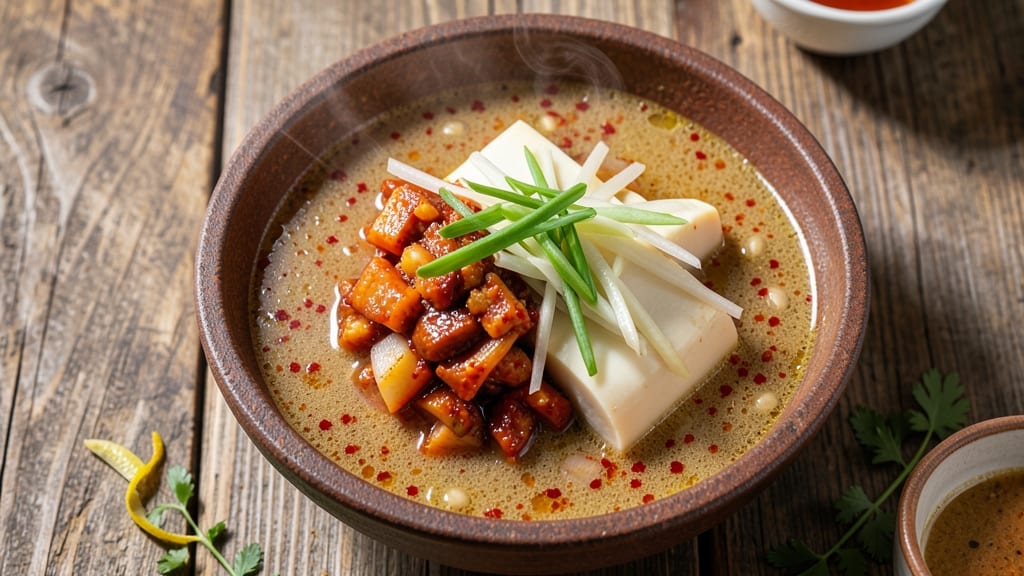
This authentic kimchi soup recipe transports you straight to bustling Korean markets with its bold flavors and comforting warmth. 🌟 The secret lies in fermented kimchi's tangy depth, balanced by tender tofu, hearty vegetables, and a savory broth that simmers for hours to develop rich umami notes.
I've perfected this one-pot wonder after years of testing—every spoonful delivers the perfect harmony of spicy, sour, and savory that defines Korean home cooking.
What makes this recipe truly special is the authentic technique that transforms simple ingredients into a restaurant-quality bowl. We start with a proper kimchi broth—simmered with garlic, ginger, and gochugaru (Korean chili flakes)—that forms the soul of the dish.
The key is patience: letting the flavors meld while the vegetables soften just enough to soak up all that complex flavor without losing their texture. This isn't your average quick soup; it's a labor of love that rewards you with deep, satisfying taste.
By the time you're done, you'll have a steaming bowl of spicy-fermented comfort that's perfect for chilly days or whenever you need a taste of home. The soup delivers crisp-tender vegetables, melt-in-your-mouth tofu, and kimchi that's neither too soft nor too crunchy—just right.
The aroma alone will have everyone gathering around the table, and each bite brings that perfect balance of heat, tang, and umami that makes this dish irresistibly comforting.
This recipe serves 4-6 and comes together in about 1 hour (though much of that time is hands-off simmering). The best part? It tastes even better the next day as the flavors continue to develop.
Whether you're serving it as a main course or sharing it with friends, this kimchi soup will become your new go-to recipe for authentic Korean comfort.
Ingredients for authentic kimchi soup
Six servings of spicy-fermented comfort—just 13 ingredients, all packed with authentic Korean flavor.
| Ingredient | Amount | Notes |
|---|---|---|
| Kimchi 🥬 | 3 cups | Homemade or store-bought, well-fermented |
| Firm Tofu 🍲 | 1 lb | Extra-firm, pressed and cubed |
| Daikon Radish 🥕 | 1 whole | Medium size, peeled and sliced |
| Green Onions 🧅 | 4 whole | White and green parts separated |
| Gochugaru (Korean Chili Flakes) 🌶️ | 2 tbsp | Adjust for heat preference |
| Garlic Cloves 🧄 | 6 cloves | Minced for deep flavor |
| Fresh Ginger 🌿 | 2 tbsp | Grated, aromatic base |
| Korean Pearl Onions 🧅 | 1 cup | Whole, unpeeled for texture |
| Dashi Powder 🍲 | 1 tbsp | For umami depth |
| Sesame Oil 🫒 | 1 tbsp | For finishing aroma |
| Sea Salt 🧂 | 1 tsp | Kosher or fine grain |
| Water 💧 | 6 cups | For broth base |
| Rice Wine (or Mirin) 🍶 | 2 tbsp | For subtle sweetness |
The kimchi is the soul of this soup—look for vibrant, tangy jars at Korean markets or the Asian aisle. H Mart or Korean grocery stores have the best selection, but any well-fermented kimchi works. The tofu should be extra-firm so it holds up during simmering; press it for 20 minutes before cubing. Daikon radish adds that signature crunch—substitute regular radish if needed. For the gochugaru, Maesil Chogochu is my go-to brand—it's the real deal. Pearl onions are optional but add that perfect bite; regular onions work in a pinch.
No gochugaru? Substitute 1 tbsp paprika plus 1 tsp cayenne for heat, but you'll lose that authentic Korean depth. Fresh ginger is ideal, but dried works at half the amount. Running low on rice wine? Dry sherry or even apple juice adds sweetness. The dashi powder can be tricky to find—look for bonito-based dashi in Asian markets, or use 1 tsp fish sauce (if vegetarian, use 1 tsp soy sauce). Pearl onions? Baby carrots or regular onions work if you can't find them. The green onions should be fresh—dried won't cut it.
This soup tastes even better the next day as flavors meld. Store in the fridge for up to 5 days, or freeze portions for 3 months. I always double the batch—leftovers make perfect lunches. The broth reduces as it sits, so add a splash of water when reheating. For extra richness, stir in a teaspoon of sesame oil before serving. The kimchi will soften over time, so adjust heat with extra gochugaru if needed.
Why You'll Love This Recipe
- No Chopping Nightmare: I swear by this recipe because the prep is ridiculously simple—just slice the daikon and cube the tofu. The kimchi’s already chopped, so I’m stirring while my kids argue over the last green onion. Honestly, the hardest part is deciding how much gochugaru to add.
- Fermented Magic: That first spoonful of soup? It’s like a flavor explosion—tangy, spicy, umami-rich from the fermented kimchi, balanced by the silky tofu and crisp daikon. The gochugaru adds this just-right heat that lingers without overpowering. (Yes, even on a Tuesday night.)
- Leftover Hero: This soup only gets better after day two. The flavors meld into something deeper, and the tofu soaks up all the good stuff. I make a big batch on Sundays—it feeds my family for days, and I freeze portions because reheating it is my lazy-day savior.
- Budget-Friendly Powerhouse: Kimchi’s cheap if you buy it in bulk, tofu stretches for meals, and daikon lasts forever in the fridge. I’ve made this soup for $5 and still felt like I treated myself. Plus, the leftovers? Free lunch for the week. No guilt, all flavor.
Step-by-step instructions for authentic kimchi soup
This one-pot wonder delivers bold, spicy, umami-packed comfort every time—just follow these simple steps.
🍳 Step 1: Build the Flavor Base in the Pot
In a large pot, combine the 6 cups water, 1 tbsp dashi powder, and 2 tbsp rice wine (or mirin). Bring to a rolling boil over medium-high heat, then reduce to a simmer. The broth should smell clean and slightly sweet—this is your flavor foundation.
Add the 1 whole daikon radish (sliced into ½-inch thick pieces) and 1 cup Korean pearl onions (left whole for texture). Simmer uncovered for 10 minutes until the daikon softens slightly and the onions begin to blister. This step extracts their natural sweetness into the broth—don't skip it!
🔥 Step 2: Infuse with Aromatics and Spice
Stir in the 3 cups kimchi (with all its juicy goodness) and the 2 tbsp gochugaru. Let it simmer for 5 minutes—you'll see the broth turn a vibrant red and smell intensely spicy. This is where the magic happens: the kimchi's fermentation tang meets the chili's heat.
Add the 6 cloves minced garlic and 2 tbsp grated fresh ginger. Cook for another 3 minutes until the garlic becomes fragrant (but don't let it burn!). The ginger will mellow out the sharpness while adding warmth. Here's the thing—if you taste the broth now, it should already be complex with layers of umami, spice, and sweetness.
👨🍳 Step 3: Add the Tofu and Green Onions
Gently add the 1 lb firm tofu (pressed and cubed) to the simmering broth. The tofu should float—if it sinks, give it a gentle stir. Simmer for 8-10 minutes until the tofu is heated through and slightly tender. You'll know it's ready when it holds its shape but isn't rubbery.
Separate the 4 whole green onions into white and green parts. Add just the white parts to the soup now—they'll cook down and add subtle sweetness. Keep the green parts for garnish (we'll add them later). Simmer for another 2 minutes to let the flavors meld completely.
⏰ Step 4: Finish with Umami and Aromatic Touches
Turn off the heat and stir in the 1 tbsp sesame oil and 1 tsp sea salt. The sesame oil will bloom with a nutty aroma—let it sit for 30 seconds before stirring again. This is the moment that matters: the sesame oil carries all those delicious flavors throughout the soup.
Taste and adjust seasoning—you might need a pinch more salt or chili flakes depending on your kimchi's tanginess. Ladle into bowls and top each serving with the reserved green onion tops for freshness and color. Serve immediately while steaming hot for that authentic Korean comfort experience.
Pro Tips For Making Authentic Kimchi Soup
- Boil Tofu Twice: I learned this the hard way—firm tofu still holds too much water after one boil. After the initial 5-minute simmer, drain, then boil again for 2 minutes in fresh water. This guarantees a clean, neutral tofu that absorbs the kimchi’s flavor instead of diluting it with starch.
- Rinse Kimchi Properly: Skip the heavy-handed rinsing, but give your kimchi a quick swish in cold water to remove excess salt and debris. This keeps the soup’s balance without stripping away the fermented funk that makes kimchi soup sing. (Yes, even if you’re impatient like me.)
- Slice Daikon Thin: Thin, even slices—about ¼-inch thick—cook faster and stay tender without turning to mush. My grandmother swore by this, and she was right: thicker slices always ended up rubbery, no matter how long I simmered them.
- Toast Gochugaru First: Dry-toast the chili flakes in a small pan for 30 seconds before adding to the soup. This deepens their smoky aroma and prevents clumping—no more gritty texture when you stir. (Your future self will thank you.)
Creative variations of these flavors
Spicy Heat Adjustments
If you love heat, add an extra 1 tbsp gochugaru when simmering the kimchi, or stir in ½ tsp gochujang (Korean chili paste) at the end for depth. For milder heat, reduce gochugaru to 1 tbsp and balance with ½ tsp sugar to offset acidity.
I’ve found that Maesil Chogochu brand gives the cleanest, spiciest kick without bitterness. 🌶️
Vegetarian Protein Swaps
Skip tofu for mushrooms like shiitake or enoki—sauté them first in 1 tbsp sesame oil with 1 tsp soy sauce before adding to the broth. For extra protein, add ½ cup cooked chickpeas or ½ cup cellophane noodles (soaked first). The mushrooms add an earthy umami that complements kimchi beautifully.
Regional Korean Variations
In Jeonju, the birthplace of kimchi, the soup often includes bokkeum (spicy stir-fried pork)—add ½ lb thinly sliced pork belly cooked separately and tossed in the broth at the end.
For a Busan-style twist, stir in 1 tbsp toasted sesame seeds and a splash of rice vinegar for brightness. Each region balances heat and texture differently.
Winter Comfort Add-Ins
Boost warmth with ½ cup sweet potato cubes or ½ cup baby potatoes—they soak up the broth’s flavors while adding heartiness. For extra richness, stir in 1 tbsp toasted sesame paste (goma) at the end.
I love adding a handful of spinach in the last 2 minutes of cooking for a pop of color and nutrients. These additions make it feel like a cozy hug in a bowl. ❄️
Summer Lighter Version
For a lighter take, reduce the broth to 4 cups water and add 1 cup coconut water for a refreshing twist. Swap daikon for cucumber slices and serve chilled with ice cubes on top.
Garnish with mint leaves for a bright, herbaceous note. This version is perfect for hot days while keeping the soul of kimchi soup intact.
Garnish Like a Pro
Elevate your bowl with crispy fried shallots (store-bought or homemade) for crunch, or drizzle with chopped scallions and sesame seeds. A spoonful of kimchi juice swirled into the broth adds tangy depth.
I always finish with a sprinkle of toasted sesame seeds—it’s the little details that make this soup feel restaurant-worthy. 💫
Nutrition facts
Frequently asked questions
How long should I ferment kimchi before using it in this soup?
For the best flavor, use kimchi that's fermented for at least 2-3 weeks. This ensures the right balance of tangy, spicy, and umami notes. If your kimchi is too young (under 2 weeks), it'll taste overly sharp—let it ferment longer or add ½ tsp sugar to balance the acidity.
Can I make this soup without sesame oil?
Yes, but you'll miss the nutty aroma that ties all the flavors together. Substitute with ½ tsp toasted sesame seeds (stirred in at the end) or 1 tsp neutral oil like vegetable oil. For extra depth, add ½ tsp soy sauce when finishing the soup.
Why does my kimchi soup taste too salty?
Kimchi itself is often salty, especially if it's well-fermented. To balance it, add ½ cup water or 1 tbsp rice wine to dilute the broth slightly. For a fresher taste, stir in 1 tsp grated ginger or 1 tbsp kimchi juice (strained from the jar) to cut through the saltiness.
How do I store leftovers for maximum flavor?
Store in an airtight container in the fridge for up to 5 days. The flavors actually improve overnight! When reheating, add 2 tbsp water to prevent the broth from becoming too thick. For extra richness, stir in 1 tsp sesame oil before serving.
What's the secret to getting crispy tofu in kimchi soup?
Use extra-firm tofu that's been pressed for at least 20 minutes before cubing. For extra crispiness, pan-fry the tofu cubes in 1 tbsp sesame oil until golden before adding to the soup. This creates a delicious contrast between the crispy exterior and soft interior.