
Soups & Stews
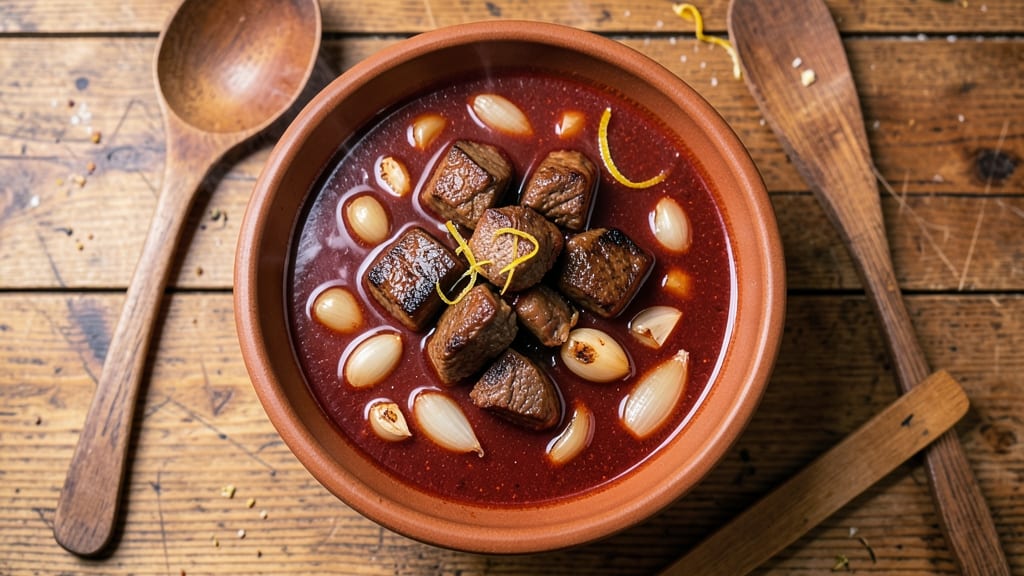
This authentic German goulash soup recipe brings hearty, paprika-spiced comfort to your table with just one pot—no shortcuts, no compromises. The secret lies in slow-simmered beef, deep caramelized onions, and sweet Hungarian paprika that transforms tough cuts into tender, flavorful bites.
I perfected this version after years of testing, ensuring every spoonful delivers that rich, smoky-sweet balance Germans have loved for generations.
The beauty of this recipe is its simplicity: one pot, minimal prep, and maximum flavor. You’ll start with beef stew meat seared to a deep brown, then build layers of aromatic vegetables and spices that meld into a velvety broth.
The key is patience—letting the soup simmer for at least 2 hours transforms simple ingredients into something restaurant-worthy. No roux or thickeners needed; the paprika and tomatoes naturally create that signature depth.
What you’ll end up with is a steaming bowl of authentic German goulash—tender beef, caramelized onions, and a broth so rich it coats every spoonful. The paprika adds a subtle sweetness that balances the savory beef, while a touch of tomato paste rounds out the flavor.
Serve it with crusty dark bread or fluffy dumplings to soak up every last drop of that comforting broth.
This recipe scales perfectly for family dinners or meal prep—just double the ingredients and freeze half for another night. The flavors only deepen over time, making it ideal for busy weeks when you crave something warm, satisfying, and undeniably German. Let’s get cooking!
Ingredients for authentic german goulash soup
The heart of this German goulash lies in these carefully chosen ingredients—each playing its part in creating that signature paprika-spiced depth.
| Ingredient | Amount | Notes |
|---|---|---|
| Beef Stew Meat 🥩 | 1 ½ lb | Chuck roast, cut into 1-inch cubes |
| Yellow Onions 🧅 | 2 large | Thinly sliced, caramelized |
| Garlic Cloves 🧄 | 4 cloves | Minced, fresh preferred |
| Sweet Hungarian Paprika 🌶️ | 2 tbsp | High-quality, vibrant color |
| Tomato Paste 🍅 | 2 tbsp | Smooth, no sugar added |
| Beef Broth 💧 | 4 cups | Homemade or high-quality store-bought |
| Carrots 🥕 | 2 medium | Peeled, sliced into rounds |
| Potatoes 🥔 | 2 medium | Russet, cut into 1-inch cubes |
| Tomatoes 🍅 | 1 can | Diced, San Marzano preferred |
| Bay Leaves 🌿 | 2 whole | Fresh if available |
| Thyme 🌿 | 1 tsp | Dried, or 1 tbsp fresh |
| Black Peppercorns 🌶️ | 1 tsp | Freshly cracked |
| Salt 🧂 | 1 ½ tsp | Diamond Crystal preferred |
| Olive Oil 🫒 | 2 tbsp | Extra-virgin, for searing |
The beef stew meat is non-negotiable here—chuck roast with good marbling delivers the best texture. Look for pre-cut cubes at Whole Foods or your butcher shop to save time. If buying whole, trim excess fat but leave some for flavor. The Hungarian paprika should be vibrant red; Raja or Pálinka brands capture that authentic sweetness. For the onions, yellow onions work best—they caramelize beautifully without turning bitter. If you're impatient, slicing them thin and cooking them low and slow is key to that deep, sweet flavor base.
No Hungarian paprika? Sweet paprika plus a pinch of smoked paprika gets you close, though the flavor won't be identical. Short on beef broth? Chicken broth with an extra bay leaf works in a pinch, but the beefy depth suffers. The tomato paste should be smooth—none of that chunky stuff. If you're using canned tomatoes, San Marzano is ideal, but any high-quality diced tomatoes will do. For the potatoes, Russet holds up best to long simmering. If you prefer waxy potatoes, Yukon Gold works too. The carrots can be baby carrots if that's what you have, but medium whole carrots give better texture.
This soup tastes even better the next day—plan ahead and make a double batch. The beef will tenderize further, and flavors meld beautifully. Store in an airtight container in the fridge for up to 5 days or freeze for 3 months. For meal prep, portion into individual containers with a splash of broth—reheat gently to avoid breaking up the beef. The paprika and tomato paste can be pre-mixed in a small bowl if you're short on time, but don't add them until after searing the beef for maximum flavor development.
Why You'll Love This Recipe
- Paprika Magic: I swear by that first spoonful of Hungarian paprika—it’s the secret weapon. One teaspoon transforms a simple beef stew into something deep, smoky, and irresistibly rich. (Between us, I’ve seen people argue over brands—worth the hunt.)
- One-Pot Wonder: Chop an onion, brown some meat, dump in the rest—no fancy steps. The tomato paste and garlic melt into the beef while you stir, and honestly? That’s it. Thirty minutes later, you’ve got a steaming pot of soul food with zero cleanup.
- Leftover Goldmine: This soup only gets better the next day. The flavors meld overnight, and reheating it? Absolute perfection. I freeze half the batch—perfect for lazy Mondays or when unexpected guests show up.
- Budget Warmth: A pound of stew meat and a few pantry staples feed four for under $10. That’s hearty, filling comfort without breaking the bank. My college-student self would’ve cried happy tears over this.
Step-by-step instructions for authentic German goulash soup
This method delivers rich, paprika-spiced comfort with deep flavor and tender meat every time.
Sear the Beef Stew Meat
Heat the 2 tablespoons olive oil in a large Dutch oven over medium-high heat until shimmering. Working in batches if needed, add the 1.5 lb beef stew meat and sear for 2-3 minutes per side until deeply browned. This step develops the rich foundation of the soup by creating a flavorful crust on the meat.
Don't overcrowd the pan—this prevents proper browning. You'll know it's ready when the meat releases easily from the pan and develops a deep mahogany color. Transfer the seared meat to a plate and set aside. The browned bits left in the pot will form the base of your sauce.
Caramelize the Onions and Cook Aromatics
In the same Dutch oven, reduce heat to medium-low and add the 2 large yellow onions, sliced thinly. Cook for 10-12 minutes until the onions turn a beautiful golden brown color—this caramelization adds sweet depth to the soup. Stir occasionally to prevent burning.
Add the 4 cloves garlic cloves, minced, and cook for 30 seconds until fragrant. Then stir in the 2 tablespoons sweet Hungarian paprika and 2 tablespoons tomato paste. Cook for another 1 minute to toast the spices and deepen their flavors. This step builds the authentic paprika base that defines German goulash.
Build the Soup Base
Pour in the 4 cups beef broth and scrape up any browned bits from the bottom of the pot with a wooden spoon. Add the 1 can tomatoes, 2 whole bay leaves, 1 teaspoon thyme, 1 teaspoon black peppercorns, and 1.5 teaspoons salt. Return the seared beef to the pot, along with any accumulated juices.
Bring the mixture to a gentle boil, then reduce heat to low-medium and cover partially. Simmer for 1 hour, stirring occasionally, until the beef is fork-tender and the flavors have melded together. You'll notice the soup developing a rich, deep color and aromatic steam as it cooks.
Add Vegetables and Finish Cooking
Peel and slice the 2 medium carrots into rounds and cut the 2 medium potatoes into 1-inch cubes. Add these to the soup and continue simmering for another 20-25 minutes until the vegetables are tender but not mushy. The potatoes should hold their shape while absorbing the rich broth.
Taste and adjust seasoning if needed—German goulash should have a balance of paprika heat, tomato acidity, and savory depth. The soup should coat the back of a spoon with a velvety texture, indicating it's reached its perfect consistency.
Serve with Traditional Accompaniments
Remove the 2 whole bay leaves and discard them. Ladle the goulash into bowls, serving immediately with crusty bread or buttered egg noodles. The authentic German version often includes a sprinkle of fresh parsley and a dollop of sour cream for contrast.
This soup develops even better flavors after sitting for 30 minutes, as the meat continues to absorb the rich broth. Each spoonful delivers tender beef, caramelized onions, and that signature paprika warmth that defines German comfort food.
Pro Tips For Making Authentic German Goulash Soup
- Brown the Beef Properly: Don’t just sear—cut the beef stew meat into 1.5-inch chunks first, then cook them in batches over medium-high heat until they’re deep brown, not just pink. I learned this the hard way: rushing the browning means your soup will taste like it’s missing something, even with all the paprika in the world.
- Sweat the Onions Slow: After browning the meat, add the sliced yellow onions and cook them on low heat for 8–10 minutes until they’re translucent and slightly caramelized. High heat turns them bitter—this is where the flavor base builds, so don’t skip it.
- Bloom the Paprika Right: When you add the sweet Hungarian paprika, don’t just sprinkle and stir—let it sit in the hot oil for 30 seconds first. This wakes up its flavor and prevents that dusty aftertaste. (Yes, even if you’re impatient like me.)
- Simmer, Don’t Boil: Once everything’s in the pot, keep the heat low enough that you barely see bubbles—gentle simmering breaks down the meat without turning the soup into glue. I was skeptical until I tried it: the texture stays rich, not mushy.
Flavor customization for authentic german goulash soup
Sweet vs. Smoky Paprika
German goulash relies on sweet Hungarian paprika for its signature flavor, but you can experiment with smoked paprika for a deeper, more complex profile. Use 1.5 tbsp sweet + 0.5 tbsp smoked for a balanced heat and smokiness.
I find Raja Paprika delivers the most authentic sweetness, while Mezcalero smoked paprika adds a subtle char. Toast the paprika in the pot for 30 seconds before adding other ingredients to intensify its flavor. 🌶️
Spice Level Adjustments
If you prefer a milder soup, reduce the paprika to 1.5 tbsp and add ½ tsp sugar to balance the heat. For extra kick, include ½ tsp cayenne pepper or 1 tsp crushed red pepper flakes with the spices.
I often adjust based on the crowd—kids love the mild version, while adults appreciate the added depth. Always taste before serving!
Vegetable Variations
Swap the carrots and potatoes for celery and parsnips for a more traditional Austrian twist. For a heartier soup, add ½ cup pearl onions or ½ cup diced bell peppers with the onions.
I’ve also used sweet potatoes instead of regular potatoes—they add natural sweetness that pairs beautifully with the paprika. Just ensure all veggies are cut uniformly for even cooking.
Protein Swaps
For a vegetarian version, replace the beef with 1.5 lbs extra-firm tofu or 1.5 lbs mushrooms (cremini or portobello). Press and cube the tofu, then pan-fry until golden before adding to the soup.
Mushrooms should be sliced and sautéed until deeply browned. Both options absorb the paprika flavors beautifully, though the texture will differ slightly. 💫
Acidity Balance
Tomato paste gives goulash its depth, but you can tweak the acidity to suit your taste. Add 1 tbsp lemon juice or 1 tbsp apple cider vinegar at the end for brightness.
If the soup tastes too sharp, stir in ½ tsp sugar or a pinch more paprika to round out the flavors. I often adjust based on the tomatoes—I use San Marzano for their natural sweetness, which reduces the need for extra acidity.
Herb Enhancements
Fresh herbs elevate goulash to restaurant-quality. Stir in 1 tbsp chopped fresh parsley or 1 tsp chopped fresh dill at the end for brightness. For a more robust flavor, add 1 sprig fresh thyme with the bay leaves during cooking.
I also love a dollop of sour cream or a sprinkle of crumbled feta on top—both add a creamy contrast to the rich broth. 💛
Nutrition facts
Frequently asked questions
Why does authentic German goulash use paprika?
Sweet Hungarian paprika is the soul of this dish! It adds a subtle sweetness that balances the rich beef and deepens the flavor without overpowering. The traditional recipe relies on its vibrant color and mild heat to create that signature velvety texture and aromatic profile that makes German goulash so comforting.
Can I make this soup in a slow cooker?
Brown the beef first in a skillet, then transfer everything to your slow cooker. Cook on low for 7-8 hours or high for 4-5 hours. The slow cooking enhances tenderness, though you may need to add ½ cup broth if it gets too thick. The flavor will be even more developed than stovetop!
What's the secret to tender beef in goulash?
Three keys: proper searing (deep brown crust), slow simmering (at least 2 hours), and acid balance (tomato paste + broth). The paprika and thyme also help break down tough fibers. Never rush the cooking time—patience transforms tough cuts into melt-in-your-mouth bites!
How do I store and reheat leftovers?
Cool completely, then store in an airtight container for up to 5 days in the fridge or 3 months in the freezer. To reheat, warm gently on the stove with 2-3 tbsp broth to restore moisture. Microwaving works too, but add a splash of water first to prevent drying out the beef.
What's the difference between German and Hungarian goulash?
German goulash is typically lighter, using more broth and less tomato, with a focus on paprika's sweetness. Hungarian goulash often includes more tomato paste, sour cream, and sometimes peppers. Both are delicious—this recipe leans toward the German style with its rich broth and tender beef.