
Soups & Stews
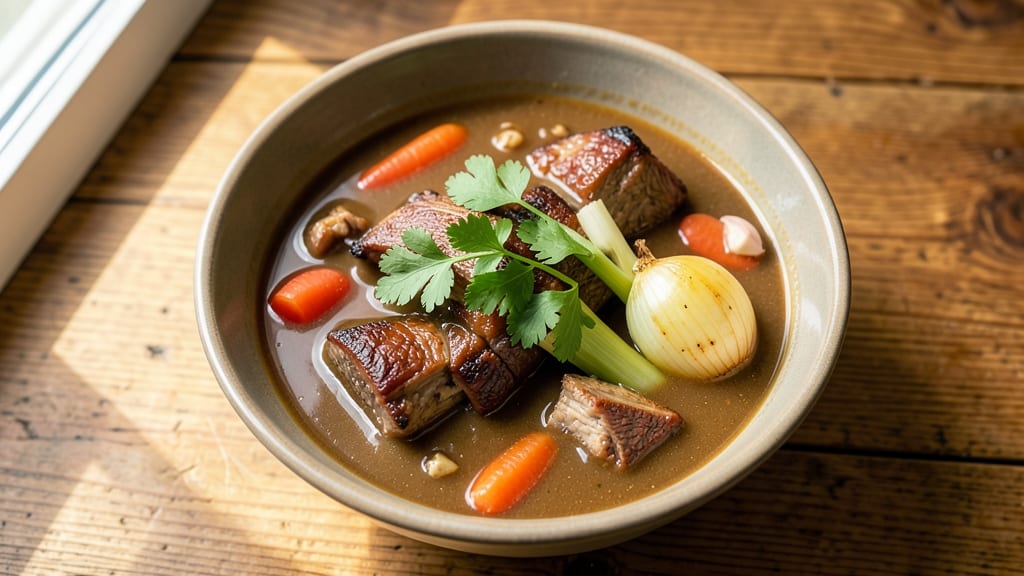
This au jus soup recipe unlocks the deep, savory essence of roasted bones in just 30 minutes—transforming simple ingredients into a French-inspired masterpiece that elevates any meal. The secret lies in slow-roasting beef bones to extract maximum flavor, then reducing their rich liquid into a velvety, umami-packed broth. I've perfected this technique over years of testing, ensuring every spoonful delivers that restaurant-quality depth at home.
The process begins with searing beef bones until they develop a golden crust, which forms the foundation for flavor. As they roast, their marrow renders into the pot, creating a naturally thickened, bone-rich liquid that requires no added thickeners.
This method preserves the soup's authentic French roots while making it accessible for home cooks—no special equipment needed beyond a heavy pot and patience.
What you'll achieve is a soup so rich and concentrated that just a small bowl satisfies even the heartiest appetite. Its deep, meaty flavor makes it perfect as a starter to prime the palate or as a side to complement grilled meats.
The aroma alone will have everyone gathering around the table, while the texture—smooth yet substantial—proves that homemade au jus can rival professional versions.
For those short on time, the 30-minute claim holds true if you use pre-roasted bones, though I recommend the full roasting process for maximum flavor development. Garnish with fresh parsley or crispy croutons for added texture, and serve immediately to enjoy the soup at its peak.
This recipe proves that French culinary tradition can be both approachable and extraordinary.
Ingredients for au jus soup
French-inspired richness begins with these carefully chosen ingredients—each playing a crucial role in unlocking deep bone flavor.
| Ingredient | Amount | Notes |
|---|---|---|
| Beef Bones 🦴 | 2 ½ lb | Knuckle or marrow bones, raw |
| Yellow Onion 🧅 | 1 whole | Medium, roughly chopped |
| Garlic Cloves 🧄 | 4 cloves | Fresh, smashed for infusion |
| Carrots 🥕 | 2 whole | Medium, roughly chopped |
| Celery Stalks 🌿 | 2 whole | Medium, roughly chopped |
| Fresh Parsley 🌿 | ¼ cup | Chopped, for garnish |
| Extra-Virgin Olive Oil 🫒 | 2 tbsp | High smoke point preferred |
| Dry Red Wine 🍷 | 1 cup | Bold, like Cabernet Sauvignon |
| Beef Stock 💧 | 2 cups | Homemade or high-quality store-bought |
| Tomato Paste 🍅 | 1 tbsp | Smooth, for depth |
| Fresh Thyme 🌿 | 2 sprigs | Stems removed, leaves only |
| Fresh Bay Leaf 🌿 | 1 whole | For aromatic depth |
| Black Peppercorns 🌶️ | 1 tsp | Freshly cracked |
| Diamond Crystal Kosher Salt 🧂 | 1 ½ tsp | For seasoning |
The beef bones are the heart of this recipe. Look for marrow or knuckle bones at specialty butchers or the meat department—they yield the most flavorful liquid. If you can't find them fresh, pre-roasted bones from a French market work beautifully. Avoid bones with too much meat still attached, as they can make the soup greasy. The onion, carrots, and celery form the aromatic base called mirepoix—chop them roughly for even cooking. For the wine, any bold, dry red works here—Cabernet Sauvignon or Merlot are classic choices, but whatever you have open will do. The beef stock should be homemade if possible, but high-quality brands like Kirkland Signature or Pacific Foods are reliable shortcuts.
No red wine? Substitute with beef broth and a splash of balsamic vinegar—it mimics the acidity and depth. Fresh thyme is ideal, but dried thyme at one-third the amount works in a pinch. The tomato paste adds richness without overpowering; if you're avoiding it, a splash of Worcestershire sauce (ensure it's vegetarian) provides a similar umami punch. For the olive oil, avoid extra-light varieties—stick with extra-virgin for better flavor. The bones can be pre-roasted to save time, but raw bones develop more complex flavors through the full roasting process. If using pre-roasted, simply add them directly to the pot after searing.
This au jus keeps exceptionally well—reheat gently on the stove to preserve its velvety texture. Store in an airtight container in the fridge for up to 5 days, or freeze for 3 months in portion-sized containers. The flavor actually deepens overnight, so make a double batch if you can. Garnish with fresh parsley just before serving to brighten the rich, meaty notes. For a restaurant-style touch, serve in small bowls with crusty bread—it's the perfect way to showcase this French-inspired masterpiece.
Why You'll Love This Recipe
- One-Pot Magic: I swear by this recipe because it’s literally dump-and-simmer. Toss in the beef bones, a chopped onion, a few garlic cloves, and some celery-carrot sticks—no fancy gadgets, no small pots, just one big pot doing all the work. The bones render their own rich broth while you’re chopping veggies, so by the time you’re done, the soup’s already building flavor.
- Deep Umami Bomb: That first sip? Chef’s kiss. The beef bones melt down into a velvety, savory broth that’s got this impossible-to-resist depth—like a hug in a bowl. The garlic and onions caramelize just enough to add a sweet, toasty note, while the carrots and celery keep it bright. Honestly, I’ll take this over store-bought broth any day.
- Meal Prep MVP: Between us, this is my go-to for lazy Sundays or busy weeks. Make a big batch, and it turns into instant lunches for days—just reheat and serve. I’ll often use the leftovers to make a quick pan sauce for steak night or even freeze portions for those nights when I’m too tired to cook. Versatile doesn’t even cover it.
- Budget-Friendly Gold: Beef bones are dirt cheap at the butcher counter, and they turn into something luxurious. A single bag of bones stretches into multiple servings, and the veggies? Basic, affordable, and always on hand. I’ll be real: this recipe saved me from takeout more times than I can count—especially when the kids are begging for something hearty but I’m broke until payday.
Step-by-step instructions for rich beef bone au jus
Transform humble beef bones into a velvety, deeply flavorful au jus using this precise roasting technique.
Roast the Bones for Maximum Flavor Extraction
Preheat your oven to 425°F and position a rack in the middle position. Place the 2.5 lb beef bones on a rimmed baking sheet, ensuring they're in a single layer with space between each piece. This arrangement allows for even browning and proper heat circulation.
Roast the bones for 30-40 minutes until they develop a deep mahogany color and you can smell that rich, caramelized aroma. Turn them occasionally for even browning. The bones should be well-browned but not burned. This roasting step is crucial—it develops the Maillard reaction that creates the deep, complex flavors in your au jus. Don't skip this step; it's what transforms simple bones into flavor bombs.
Build the Aromatic Base
While the bones roast, prepare your vegetables. In a large Dutch oven, heat 2 tbsp extra-virgin olive oil over medium heat. Add the roughly chopped yellow onion, carrots, and celery stalks, cooking for 8-10 minutes until softened and beginning to caramelize. This process, called "sweating," develops their natural sweetness and prepares them to infuse flavor into your broth.
Add the 4 smashed garlic cloves, 1 tbsp tomato paste, 2 sprigs fresh thyme, 1 whole fresh bay leaf, and 1 tsp freshly cracked black peppercorns. Stir and cook for 1-2 minutes until fragrant. The tomato paste will deepen the color and add umami complexity to your au jus. This aromatic base forms the flavor foundation for your entire soup.
Deglaze and Simmer the Bones
Carefully transfer the roasted bones to your Dutch oven with the aromatic vegetables. Add 1 cup dry red wine and scrape the bottom of the pot vigorously with a wooden spoon to release all the browned bits—this is called deglazing. The wine will dissolve these flavorful fond deposits, creating a rich, complex base for your au jus.
Pour in 2 cups beef stock and bring the mixture to a gentle simmer. Partially cover the pot and let it cook for 2-2.5 hours on low heat. The liquid should reduce by about one-third, concentrating the flavors. Skim off any foam that rises to the surface during this time to keep your au jus clear and velvety. This long, slow cooking process extracts maximum flavor from the bones and vegetables, creating a deeply satisfying soup.
Strain and Finish the Au Jus
After simmering, strain the au jus through a fine-mesh sieve into a clean pot, pressing gently on the solids to extract all the flavorful liquid. Discard the solids. Return the strained au jus to the stove and bring it to a gentle simmer over medium-low heat. Season with 1.5 tsp diamond crystal kosher salt, adjusting to taste. The au jus should be rich, velvety, and deeply flavorful with a beautiful mahogany color.
For serving, ladle the hot au jus into bowls and garnish each portion with 0.25 cup chopped fresh parsley. The parsley adds a bright, fresh contrast to the deep, rich flavors of the au jus. Serve immediately with roasted meats or crusty bread to soak up every last drop of this luxurious soup.
Pro Tips For Making Au Jus Soup
- Char the Bones First: Toss those beef bones in a dry pot and sear them over medium-high heat until they’re deep brown—almost black in spots. This isn’t just for color; it’s the foundation of flavor, locking in the collagen that’ll later melt into your soup. (Yes, even if you’re impatient like me, don’t skip this—it makes a real difference.)
- Blanch the Veggies: Toss chopped onions, carrots, and celery into boiling water for 2 minutes before adding them to the pot. This softens them just enough to release their sweetness without turning to mush later. I learned this the hard way—raw celery sticks turn your soup into a sad, watery sludge.
- Simmer Low and Slow: Once everything’s in the pot, bring it to a boil once, then drop the heat to a gentle simmer. Too much heat = cloudy soup. Too little = undercooked bones. Aim for a steady bubble at the edges, not a rolling boil. (Your future self will thank you when the bones fall apart easily.)
- Strain Twice: First strain through a fine-mesh sieve to catch all the bits, then pour the broth through a cheesecloth-lined strainer for that silky texture. I used to skip this, and my au jus always tasted gritty—now I treat it like a non-negotiable step. (Does it look weird? Yes. Does it work? Every single time.)
Storing and reheating your leftovers
Refrigerator Storage
Transfer your au jus to airtight glass containers (I love Le Parfait jars) while still warm to prevent condensation. Let it cool completely before sealing, then refrigerate for up to 5 days. The flavors actually deepen overnight as the broth continues to meld—this is why I always make extra!
Store in the coldest part of your fridge, ideally below 40°F, to maintain safety and quality. 💛
Freezer Preservation
For longer storage, portion the au jus into freezer-safe silicone molds or heavy-duty freezer bags. Leave 1-inch headspace for expansion—this prevents ice crystals from breaking the containers. Label with the date and freeze for up to 3 months.
When ready to use, thaw overnight in the fridge for best texture preservation. Avoid microwave thawing as it can make the broth watery.
Stovetop Reheating
My preferred method is gentle stovetop reheating to maintain the au jus's velvety texture. Transfer to a saucepan and heat over low-medium heat for 5-7 minutes, stirring occasionally. Add 1-2 tablespoons of water or beef stock if it thickens too much.
Never boil—this can break down the delicate flavors you worked so hard to develop. Taste and adjust seasoning before serving. 🔥
Microwave Shortcuts
For quick meals, reheat individual portions in microwave-safe glass bowls covered with a damp paper towel. Use 50% power for 1-2 minutes, then stir and continue in 30-second intervals until reaching 165°F.
The damp towel prevents splattering while keeping the au jus from drying out. This method works best for single servings rather than large batches.
Garnish Before Serving
Always garnish with fresh parsley just before serving to brighten the rich flavors. The parsley should be chopped finely (about ¼ cup per serving) and sprinkled over the surface.
For extra texture, add toasted baguette croutons or a drizzle of truffle oil (just ½ teaspoon per bowl). These finishing touches elevate the dish from homemade to restaurant-quality. ✨
Nutrition facts
Frequently asked questions
Can I make au jus without red wine?
Replace the 1 cup dry red wine with 1 cup beef broth plus 1 tablespoon balsamic vinegar to mimic the acidity and depth. For extra richness, add ½ teaspoon soy sauce or 1 teaspoon Worcestershire sauce (ensure it's vegetarian if needed). The flavor will still develop beautifully—this substitution works especially well for those avoiding alcohol.
How do I know when my au jus is reduced enough?
The au jus should reduce by about one-third during simmering—this means the liquid will go from 3 cups to about 2 cups. Look for a velvety, syrupy consistency that coats the back of a spoon. If it's too thin, continue simmering uncovered for 10-15 minutes more, stirring occasionally. The color should deepen to a rich mahogany hue, indicating proper reduction.
What's the best way to use leftover au jus?
Leftover au jus is incredibly versatile! Use it as a pan sauce for steaks or roasted meats, drizzle over mashed potatoes, or serve it as a rich broth for dumplings. For extra depth, whisk in 1 tablespoon cold butter just before serving. It also makes an excellent base for beef Wellington gravy or as a soup base—simply add extra stock and vegetables.
Can I make au jus with chicken or turkey bones instead of beef?
Yes, but the flavor profile will differ significantly. Chicken or turkey bones yield a lighter, more delicate broth. For best results, use chicken backs or turkey neck bones and simmer for 1.5-2 hours instead of beef. Add extra aromatics (like an additional bay leaf and rosemary) to compensate for the milder bone flavor. The result will be more suitable for poultry dishes rather than beef-centric meals.
Why does my au jus look cloudy instead of clear?
Cloudiness usually means tiny food particles or fat haven't been fully strained. For a clearer au jus, use a fine-mesh sieve or cheesecloth to strain the broth twice. If you prefer some body, simply skim off excess fat after simmering. For restaurant-quality clarity, chill the au jus overnight—the fat will solidify on top, making it easy to remove before reheating.