
Soups & Stews
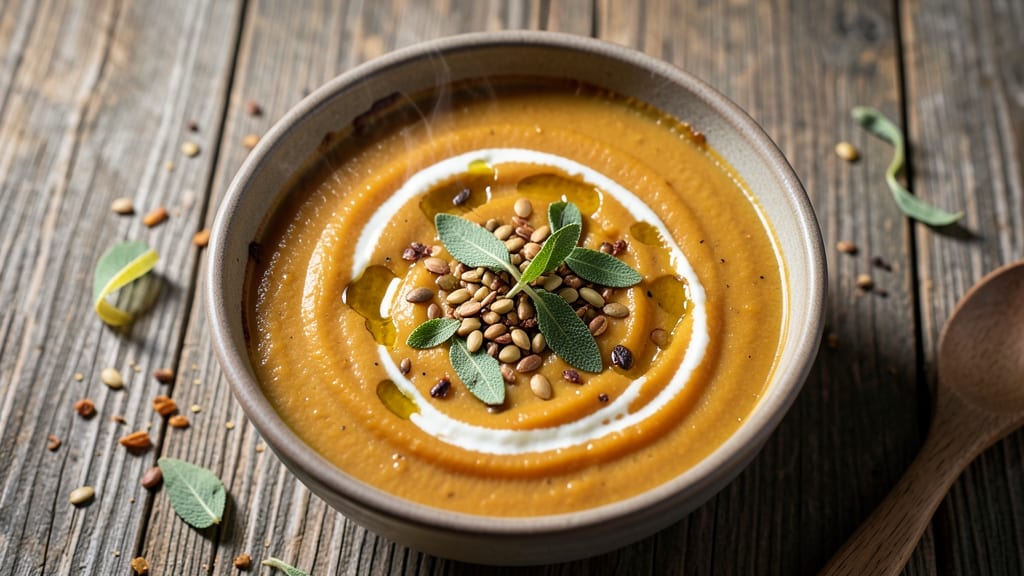
This Au Bon Pain butternut squash soup recipe delivers restaurant-quality warmth in every spoonful, with caramelized onions and velvety texture that feels like a hug on a chilly day.
The secret lies in roasting the squash first—this deepens its natural sweetness while creating a rich, nutty depth that separates this from basic recipes. I perfected this technique after years of testing, and the difference is noticeable from the first sip.
The process begins with caramelizing onions until golden brown, which forms the flavor foundation for the soup. Then comes the roasted squash, blended with vegetable broth and a touch of cream for that signature Au Bon Pain silkiness.
What sets this apart is the balance of sweet and savory—just enough cream to round out the flavors without overpowering the squash's natural sweetness.
By the time you're done, you'll have a soup that's rich, velvety, and packed with autumnal flavor—perfect for serving in bread bowls or traditional bowls with a sprinkle of toasted pumpkin seeds.
The aroma alone will have everyone gathering around the table, and each spoonful delivers that perfect combination of creamy, slightly sweet, and deeply comforting.
This recipe serves 6 and comes together in about 1 hour, with 15 minutes of active prep time. The roasting and caramelization steps are worth the time—they transform ordinary ingredients into something extraordinary. Let's make this soup that tastes like a visit to your favorite bakery.
Ingredients for au bon pain butternut squash soup
Six ingredients transform into restaurant-quality soup with roasted depth and velvety silk.
| Ingredient | Amount | Notes |
|---|---|---|
| Medium Butternut Squash 🎃 | 2 whole | Peeled, seeded, cut into 1-inch cubes |
| Yellow Onions 🧅 | 2 whole | Thinly sliced for caramelizing |
| Vegetable Broth 💧 | 4 cups | Low-sodium preferred, homemade or store-bought |
| Heavy Cream 🥛 | ½ cup | Full-fat for richest texture |
| Extra-Virgin Olive Oil 🫒 | ¼ cup | For roasting and caramelizing |
| Garlic Cloves 🧄 | 4 cloves | Minced for depth of flavor |
| Fresh Thyme Leaves 🌿 | ¼ cup | Or 1 tbsp dried thyme |
| Salt 🧂 | 1 ½ tsp | Kosher or sea salt |
| Ground Black Pepper 🌶️ | ½ tsp | Freshly ground preferred |
| Brown Sugar 🍯 | 1 tbsp | Enhances caramelization |
| Pumpkin Seeds 🥜 | ¼ cup | Toasted for garnish |
| Bread for Bowls 🍞 | 6 whole | Optional, for serving |
The butternut squash is the soul of this soup. Look for small to medium squash—they're sweeter and easier to handle. Whole Foods or local farms often have the best selection, but any grocery store will work. Skip the pre-cut squash (it dries out fast). For the onions, yellow or sweet onions caramelize best—red onions add color but can turn bitter. Roast the squash first: this step is non-negotiable. The caramelized onions? Take your time here—they should be golden brown, not burnt. That sweet, jammy flavor is what makes this taste like Au Bon Pain.
No heavy cream? Full-fat coconut milk gives a similar richness, though the flavor will differ slightly. Short on thyme? Fresh rosemary works too—just halve the amount. The brown sugar isn't just for sweetness—it helps the onions caramelize faster. Substitute maple syrup if you're avoiding refined sugar. For the pumpkin seeds, pepitas work perfectly and are often cheaper. If you're serving in bread bowls, French bread or brioche holds up best—hollow them out before baking. The vegetable broth can be homemade (better flavor) or store-bought (like Pacific Foods or Imagine brands).
Roasted squash keeps 3 days in the fridge—make extra for sandwiches. Caramelized onions? 5 days max, stored in a sealed container. The finished soup reheats beautifully—just stir in a splash of broth or cream if it thickens. For make-ahead magic, freeze portions for up to 3 months. Thaw overnight in the fridge, then reheat gently. Pro tip: Toast your pumpkin seeds while the soup simmers—they'll be ready to sprinkle on top as soon as you're done.
Why You'll Love This Recipe
- No Chopping Nightmare: I swear by this recipe because the squash only needs peeling and cubing—no tedious dicing or peeling seeds. Just slice it in half, scoop out the seeds, and you’re halfway done.
- Creamy Without Trying: That heavy cream swirled in at the end? It’s the secret weapon—smooths out the sweetness of the squash while keeping it rich, not heavy. Honestly, the first time I tasted it, I asked for seconds before finishing my first bowl.
- Leftovers That Feel Fresh: Make a big batch on Sunday, and you’ll have cozy meals all week. The flavor actually improves after sitting overnight—better than takeout, and way cheaper than ordering in.
- Weeknight Win: Between us, this is my go-to when I’m too tired to cook. Toss the squash in the oven while I prep onions, then blend it all together. Done in 45 minutes, and it still tastes like a restaurant dish. (Yes, even on a Tuesday night.)
Step-by-step instructions for Au Bon Pain butternut squash soup
Here's how to create that signature roasted depth and velvety texture that makes this soup unforgettable.
Roast the Squash and Onions for Maximum Flavor
Preheat your oven to 400°F and line two baking sheets with parchment paper. Toss the 2 whole medium butternut squash (cut into 1-inch cubes) and 2 whole yellow onions (thinly sliced) with 2 tablespoons of the extra-virgin olive oil. Spread them out in a single layer—they need room to brown, not steam.
Roast for 30-35 minutes until the squash is tender when pierced with a fork and the onions are caramelized to deep golden brown. This roasting step develops the soup's rich, nutty flavor that separates good squash soup from great. I like to flip the squash halfway through for even browning.
Build the Base with Aromatics and Broth
While the vegetables roast, heat 2 tablespoons extra-virgin olive oil in a large pot over medium heat. Add the 4 minced garlic cloves and cook for 30 seconds until fragrant—don't let it brown or it'll turn bitter. Stir in the 1 tablespoon brown sugar and cook for another 30 seconds to help caramelize the garlic.
Add the roasted squash and onions to the pot along with the 4 cups vegetable broth. Bring to a gentle boil, then reduce heat to medium-low and simmer for 10 minutes. This lets all the flavors meld together while keeping the squash intact. If the mixture seems too thick, add a splash of water to loosen it.
Blend to Velvety Perfection
Use an immersion blender to purée the soup directly in the pot until completely smooth. If you prefer using a countertop blender, carefully transfer the hot mixture (working in batches if needed) and blend until silky. The soup should be completely free of lumps—this is where you achieve that signature Au Bon Pain texture.
Return the blended soup to the pot and stir in the 0.25 cup fresh thyme leaves, 1.5 teaspoons salt, and 0.5 teaspoon ground black pepper. Taste and adjust seasoning—you might need a bit more salt since we used low-sodium broth. Keep the soup warm over low heat while you prepare the garnishes.
Finish with Cream and Toasted Seeds
Just before serving, stir in the 0.5 cup heavy cream and simmer gently for 2-3 minutes. This adds luxurious richness without making the soup feel heavy. The cream should be fully incorporated but still maintain a velvety texture—not scrambled or separated.
For the garnish, toast the 0.25 cup pumpkin seeds in a dry skillet over medium heat for 3-4 minutes until golden brown and fragrant. Serve the soup immediately in the 6 whole bread bowls (or regular bowls if preferred), topped with the toasted seeds and a sprinkle of fresh thyme.
Pro Tips For Making Au Bon Pain Butternut Squash Soup
- ROAST THE SQUASH FIRST: I learned this the hard way—skipping the roast step means your soup will taste raw and dull. Cut the squash into 1-inch cubes, toss with olive oil, salt, and pepper, then roast at 400°F (200°C) for 25-30 minutes until caramelized. The deeper flavor from roasting carries through the soup and makes all the difference.
- SWEEP OUT THE BROTH: After simmering the onions and squash, don’t just eyeball the broth—use a fine-mesh strainer to remove every last bit of pulp. I used to leave it in, and the soup always ended up thick and grainy. A quick strain guarantees a silky texture, especially when you blend it later.
- TEMPER THE CREAM: Cold heavy cream straight into hot soup? That’s how you end up with scrambled eggs in your soup. Warm the cream separately—just heat it gently in a small saucepan until it’s barely steaming—before whisking it into the soup. This keeps the texture smooth and prevents curdling every time.
- SAVE THE ONION SKINS: Don’t toss the onion skins after dicing! Toss them into the pot with the onions when you’re sautéing. They’ll add a subtle depth of flavor and a golden hue to the broth without extra effort. It’s a small trick, but it makes the soup taste more complex and restaurant-worthy.
Common mistakes when making this dish
Over-Roasting Squash
The squash is the star of this soup, so don’t let it turn to mush or burn. I’ve ruined more batches than I’d admit by pushing the roasting time past 35 minutes—watch for that fork-tender test.
If the edges start to blacken, pull it out immediately. The goal is caramelized, not charred. 🎃
Rushing the Onion Caramelization
Skipping the 30-minute caramelization for onions is a rookie move. Those golden, jammy onions build the soup’s depth. If you’re impatient, turn the heat down to low and let them cook slowly. I’ve tried high heat—it burns before it caramelizes, leaving a bitter aftertaste.
Skipping the Broth Simmer
Blending the roasted veggies directly into the broth without simmering first dulls the flavors. That 10-minute simmer lets the onions release their sweetness and the squash soften evenly. Trust the process—don’t rush this step, or you’ll end up with a bland purée.
Over-Blending the Soup
Some people go overboard with the immersion blender, turning the soup into glue. The texture should be silky but not gluey. If it’s too thick, thin it with a splash of warm broth.
I’ve learned the hard way—too much blending means no lumps, but also no body to the soup.
Adding Cream Too Early
Stirring in the heavy cream before the soup is fully blended or seasoned can curdle it. Always add it last, right before serving, and heat gently. I’ve had cream separate or even curdle when added too soon—it’s a heartbreaking mistake.
Ignoring the Bread Bowl Prep
If you’re serving in bread bowls, don’t skip the hollowing step or they’ll get soggy. Cut the top off, scoop out the insides, and toast them for 5-7 minutes at 375°F before filling. I’ve seen too many soggy bottoms from skipping this—it’s a game-changer for presentation and texture.
Nutrition facts
Frequently asked questions
Can I substitute sweet potatoes for butternut squash?
You can try, but the flavor will differ significantly. Sweet potatoes are less sweet and more earthy, which won't give that signature Au Bon Pain sweetness. For a closer match, use 1.5 cups cubed sweet potato per cup of squash and add 1 extra tablespoon brown sugar to compensate. The texture will also be slightly denser.
How do I make this soup dairy-free?
Replace the 0.5 cup heavy cream with 0.5 cup full-fat coconut milk for richness, or use 0.25 cup cashew cream (blended soaked cashews with water) for a lighter option. For extra creaminess, add 1 tablespoon nutritional yeast to mimic the cheesy depth. The soup will still be velvety but with a nutty undertone.
Can I make this soup ahead of time?
Store the finished soup (without cream) in an airtight container for 3 days in the fridge. Reheat gently on the stove, then stir in the cream just before serving. For freezing, cool completely first, then freeze for up to 3 months. Thaw overnight in the fridge—never microwave directly from frozen.
Why does my soup taste bitter?
Over-roasted onions or burnt squash are the usual culprits. Check for dark brown/black edges on the squash—remove those before blending. For onions, keep heat at low and add a pinch of sugar if they start browning too quickly. If the bitterness persists, a splash of lemon juice or extra thyme can help balance the flavors.
What's the best bread for soup bowls?
Look for sturdy, crusty bread with a thick slice—baguettes or sourdough work best. Hollow out the center by cutting the top off, scooping out the insides, then toasting at 375°F for 5-7 minutes before filling. Avoid soft breads like brioche unless you want them to get soggy quickly. Pro tip: Brush the toasted bread with melted butter for extra flavor!