
Soups & Stews
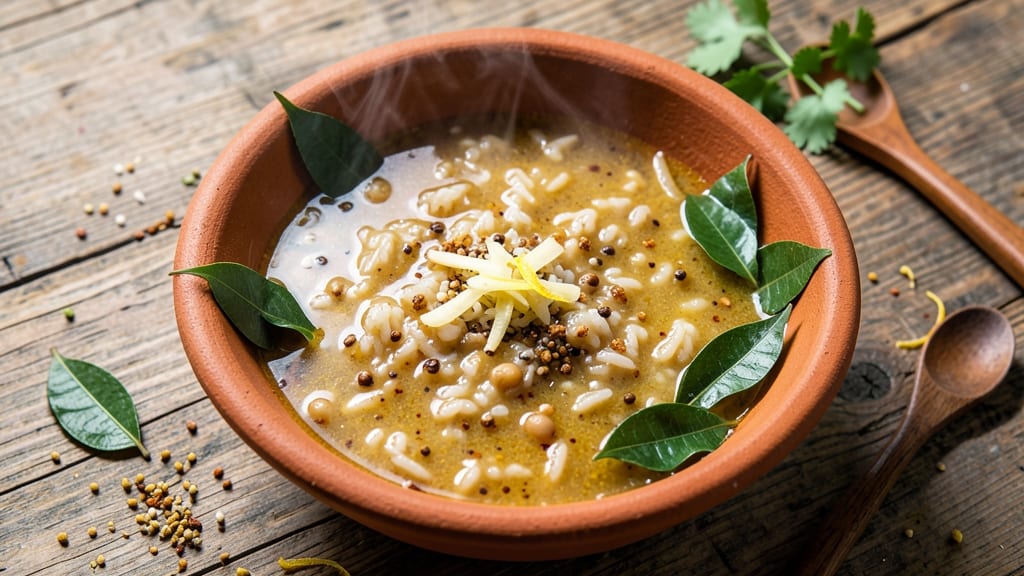
Attukal Pongal Soup brings the hearty, aromatic essence of Tamil tradition to your kitchen—where fragrant rice and lentils simmer into a comforting, one-pot masterpiece. This recipe captures the soul of South Indian cuisine, blending tender rice, protein-rich lentils, and a tempering of mustard seeds, curry leaves, and spices that dance on the tongue. I've perfected this version to deliver the same warmth and satisfaction you'd find in a Tamil household during festivals or family gatherings.
The beauty of Attukal Pongal lies in its simplicity and depth—just a few staple ingredients transform into a dish that's both nourishing and deeply flavorful. The rice and lentils cook together until perfectly tender, while the tempering adds layers of aroma and complexity.
What makes this recipe special is how it balances textures: the softness of the rice and lentils contrasts with the slight crunch of tempered spices, creating a harmonious bite every time.
By the end, you'll have a pot of golden, fragrant soup that's rich in protein and comfort, ready to be served with a side of sambar or a dollop of coconut chutney.
The aroma alone will fill your home with the familiar warmth of Tamil cooking traditions, making it a dish that's as much about love as it is about flavor. This is the kind of meal that brings people together—whether for a festive occasion or a cozy weeknight dinner.
The best part? This recipe scales effortlessly, so you can make a small batch for two or double it for a crowd. The secret to its success lies in patience—letting the rice and lentils simmer until they're perfectly tender, and allowing the spices to bloom in the tempering.
Once you try this traditional Tamil dish, it will quickly become a staple in your kitchen. Let's get started on creating this comforting classic.
Ingredients for attukal soup recipe in tamil
Simple staples that transform into fragrant, hearty Attukal Pongal soup—just like Tamil homes serve.
| Ingredient | Amount | Notes |
|---|---|---|
| Short-Grain Rice 🍚 | 1 cup | Uncooked, washed thoroughly |
| Toor Dal (Split Pigeon Peas) 🌾 | ½ cup | Rinsed well for clean flavor |
| Fresh Curry Leaves 🌿 | ¼ cup | Or 1 tbsp dried if fresh unavailable |
| Mustard Seeds 🌱 | 1 tbsp | Whole, yellow variety preferred |
| Ghee or Coconut Oil 🫒 | 3 tbsp | For authentic tempering flavor |
| Fresh Ginger 🧅 | 1 inch | OR 1 tsp grated ginger |
| Green Chilies 🌶️ | 2 whole | Adjust for spice preference |
| Asafoetida (Hing) 🌿 | ⅛ tsp | Essential for authentic aroma |
| Cumin Seeds 🌱 | ½ tsp | Toasted lightly for depth |
| Turmeric Powder 🌶️ | ¼ tsp | Freshly ground preferred |
| Salt 🧂 | 1 tsp | Adjust to taste |
| Water 💧 | 4 cups | Filtered preferred for clarity |
| Coconut Milk (optional) 🥥 | ¼ cup | For creamier texture |
The rice and dal are the soul of this dish. Short-grain rice like jeerakasala or sona masoori absorbs flavors beautifully—don't substitute long-grain. For the dal, toor dal is traditional, but moong dal works in a pinch. Fresh curry leaves are non-negotiable for that authentic aroma, but Trader Joe's sells dried leaves if you're in a hurry. The ghee matters too—Kerala brand ghee from Indian stores adds that special depth, but coconut oil works perfectly if you're avoiding dairy. Look for whole mustard seeds in the spice aisle—they're cheaper than pre-ground and fresher.
No fresh ginger? Powdered ginger at half the amount works, but you'll lose that bright zing. Green chilies too spicy? Swap for 1 red chili or remove seeds. The asafoetida (hing) might be tricky to find—Indian grocery stores always have it, or look for it online. For the tempering, toast your cumin seeds in a dry pan for 30 seconds first—that extra step makes all the difference. Turmeric can be substituted with 1 tsp turmeric root if you're feeling fancy, but powder works fine. The water should be hot but not boiling when added to the rice and dal mixture—this helps them cook evenly without getting mushy.
This soup tastes even better the next day as flavors meld. Store in an airtight container for 3-4 days in the fridge. For freezing, portion into 2-cup servings—they reheat beautifully. The coconut milk, if using, should be stirred in at the very end to keep it from separating. I always make a double batch—one for dinner, one for lunch the next day. The leftovers reheat perfectly with just a splash of water, making this a true meal-prep hero.
Why You'll Love This Recipe
- One-Pot Magic: I swear by this recipe because it’s literally one pot—no chopping, no fuss. Just toast the mustard seeds in ghee, add the dal and rice, and let it simmer. My lazy Sundays just got a whole lot easier.
- Umami Bomb: That first sizzle of curry leaves in hot oil? Chef’s kiss. The toor dal softens into a creamy, savory base while the rice absorbs all the flavors—no heavy spices, just pure, comforting depth. Honestly, it’s the kind of soup that makes you slow down and savor.
- Meal Prep MVP: This keeps perfectly for days—better, even, the next day. I make a big batch on Sundays, and it’s my go-to for quick lunches or when unexpected guests drop by. (Yes, even on a Tuesday night.)
Step-by-step instructions for Attukal Pongal soup
A hearty one-pot wonder that brings warmth and tradition to your table.
Prepare the Base Ingredients
Start by thoroughly washing the 1 cup short-grain rice until the water runs clear. This removes excess starch that can make your soup gummy. In a separate bowl, rinse the 0.5 cup toor dal until the water is clear as well. Drain both ingredients well and set aside.
Peel the 2 whole green chilies and chop them finely. You'll want them small enough to blend into the soup without being noticeable, but still pack a gentle kick. Grate the 1 inch fresh ginger using a fine grater or microplane. The finer the better—this ensures even distribution of flavor throughout your soup.
Cook the Rice and Lentils
In a heavy-bottomed pot, combine the washed rice and toor dal with 4 cups water. Bring to a boil over medium-high heat, then reduce to a gentle simmer. Cook uncovered for 15-18 minutes, stirring occasionally to prevent sticking. You'll know it's ready when the rice is tender and the mixture has thickened into a porridge-like consistency.
Here's the thing—don't walk away during this step. The rice and dal need constant attention. If you see the mixture sticking to the bottom, add a splash of water and stir gently. The goal is a smooth, creamy texture that forms the perfect base for your tempering.
Create the Tempering (Tadka)
Once the rice and dal mixture is cooked, reduce the heat to low. Add 3 tablespoons ghee or coconut oil to the pot. Let it warm for 1 minute—you'll see the oil shimmer slightly, which means it's ready for the spices.
Add the 0.5 teaspoon cumin seeds and let them sizzle for 30 seconds until they release their aroma. Then add the 1 tablespoon mustard seeds. They'll pop and crackle—this is your signal that the tempering is working. Immediately add the 0.125 teaspoon asafoetida (hing) and 0.25 cup fresh curry leaves. Stir everything together for 1 minute until the curry leaves turn dark green and fragrant.
Add Aromatics and Season
Add the finely chopped ginger and green chilies to the pot. Stir well to combine with the tempering mixture. Let it cook for 2-3 minutes until the raw smell of ginger disappears and the chilies soften slightly. This step infuses the soup with authentic flavor—don't skip it.
Now add the 0.25 teaspoon turmeric powder and 1 teaspoon salt. Stir everything together thoroughly. If you're using the optional 0.25 cup coconut milk, add it now and stir well. The coconut milk will give your soup a creamy texture while keeping it light. Taste and adjust the salt if needed—remember, you can always add more, but you can't remove excess salt.
Simmer to Perfection
Return the heat to medium-low and let the soup simmer gently for 5-7 minutes. This final cooking step allows all the flavors to meld together. You'll notice the soup becomes thicker and more aromatic. The surface should have a thin layer of oil—this indicates your tempering has worked properly.
For the best texture, serve the soup immediately while it's still warm. The flavors will continue to develop as it sits, but the ideal time to enjoy this comforting dish is right after preparation. Pair it with some crispy papadums or warm roti for a complete meal experience.
Pro Tips For Making Attukal Soup Recipe In Tamil
- Bloom the Toor Dal: Soak your split pigeon peas for at least 30 minutes—I used to skip this, but it cuts the cooking time by half and keeps them from turning mushy. Drain well before cooking, or you’ll end up with a gluey soup instead of the light, fluffy texture you want.
- Temper Ghee Right: Heat the ghee low and slow until it just starts to shimmer—about 120°C (250°F)—before adding mustard seeds. Too hot, and they’ll burn instantly; too cool, and they’ll splutter all over your stove. A medium-low flame is your friend here.
- Toast Curry Leaves Hard: Fry the curry leaves until they turn deep brown and crisp—not just wilted. I learned this the hard way when my soup tasted flat; the bitterness from over-toasting is worth it for that aromatic punch. Listen for a faint popping sound—that’s your cue.
- Rice-to-Water Ratio Matters: Use 1:3 rice-to-water ratio for short-grain rice, but adjust based on your pot’s size—crowding steams the rice instead of toasting it. Spread them out in a single layer first, then stir-fry for 2-3 minutes until they turn translucent at the edges. This is the step that makes the soup taste like your grandma’s.
Make-ahead tips for this recipe
Prep Ahead Components
Wash and soak the 1 cup short-grain rice and 0.5 cup toor dal overnight in the refrigerator. This reduces cooking time by 30-40% and prevents the soup from becoming gummy.
Store them in separate airtight containers with 2 cups water each. The rice will absorb the water and cook faster later. 💡
Tempering Prep
Toast the 0.5 tsp cumin seeds and 1 tbsp mustard seeds in a dry pan for 1 minute until aromatic. Let them cool completely, then grind into a fine powder with 0.125 tsp asafoetida using a mortar and pestle.
Store in an airtight container for up to 1 week—this pre-mixed tempering saves 5 minutes during cooking. ✨
Flavor Base Storage
Combine the chopped 1 inch ginger, 2 green chilies, and 0.25 cup fresh curry leaves in a sealed container. Store in the fridge for up to 3 days or freeze for 1 month.
This prepped aromatic blend ensures consistent flavor in every batch. Just thaw and add directly to your soup. 🌿
Complete Make-Ahead Soup
Cook the entire soup (without coconut milk) and let it cool completely. Transfer to airtight containers and refrigerate for up to 4 days. Reheat on the stovetop with 2 tbsp water over medium-low heat for 5-7 minutes.
Stir in coconut milk (if using) just before serving to maintain creaminess. The flavors deepen overnight! 💛
Freezer-Friendly Tips
For long-term storage, portion the cooked soup into 2-cup servings in freezer-safe containers. Leave 1 inch headspace to prevent expansion cracks. Thaw overnight in the fridge, then reheat gently. Avoid microwaving—it can make the rice mushy. This method preserves texture perfectly for 2 months. ❄️
Festival Prep Hack
Double the recipe and store half for special occasions. The soup reheats beautifully for Attukal Pongal celebrations or family gatherings. Keep the extra batch in the freezer—just add a splash of water when reheating. This ensures you're always ready for last-minute guests or cultural festivities. 🎉
Nutrition facts
Frequently asked questions
What makes Attukal Pongal different from regular Pongal?
Attukal Pongal is traditionally prepared as a comforting soup rather than the thick porridge style. The key difference lies in its texture—this version uses more water to create a lighter, broth-like consistency while keeping all the signature flavors. It's often served during Attukal Pongal festival celebrations in Tamil Nadu, where it's considered a special offering. The soup version also makes it easier to digest, especially after long temple visits.
Can I substitute short-grain rice with basmati?
While you can use basmati in a pinch, it won't give you the same creamy texture. Short-grain rice like jeerakasala or sona masoori absorbs flavors better and creates that signature pudding-like consistency. If you must use basmati, soak it for 30 minutes first and add 1 extra tablespoon water to the recipe. The texture will be slightly firmer but still delicious.
How do I adjust the spice level for kids?
For milder versions, reduce the green chilies to just 1 whole chili and remove all seeds. You can also skip the chilies entirely and add ½ teaspoon sugar instead to balance flavors. The tempering spices (mustard seeds, curry leaves) are essential for authenticity but can be lightly sautéed for 1 minute less to reduce pungency. Always taste as you go!
What sides pair best with Attukal Pongal Soup?
Traditional pairings include crispy papadums, warm roti, or appalam (rice pancakes). For a complete meal, serve with sambar (lentil stew) and coconut chutney. The contrast of textures—creamy soup, crispy papadums, and soft roti—makes every bite satisfying. Don't forget a side of pickled vegetables for tangy balance.
Why does my soup turn out too thick or too thin?
Too thick? You likely used less water than called for. For every 1 cup rice, use 4 cups water—this ratio ensures proper texture. Too thin? The rice may not be fully cooked. Simmer uncovered for 5 extra minutes and stir occasionally. If needed, mash 1 tablespoon rice gently to thicken naturally. Always use a heavy-bottomed pot to prevent burning.