
Soups & Stews
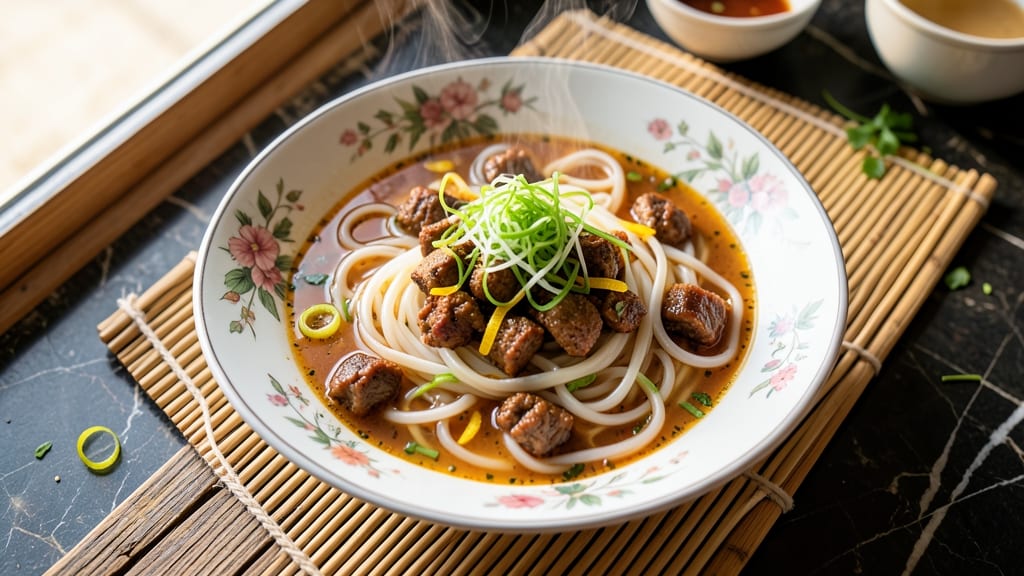
This fragrant Asian wedding soup recipe brings together tender pork balls, aromatic ginger-lime broth, and symbolic ingredients for a dish steeped in tradition and meaning. 🌟 The secret lies in slow-simmered broth that carries layers of savory, citrusy depth while the pork balls stay succulent and perfectly seasoned—just like your favorite family recipes, but with restaurant-quality results.
The beauty of this dish is its cultural significance—each element carries blessings for the couple's future. The pork balls symbolize prosperity, while the long noodles represent longevity.
I've designed it to be flexible too, offering a vegetarian option using tofu or mushrooms for those who prefer plant-based proteins without sacrificing flavor.
What makes this recipe truly special is the balance of textures and flavors: silky broth, tender pork (or tofu), chewy noodles, and fresh herbs that add a vibrant finish. The ginger-lime broth infuses every bite with warmth and brightness, creating a harmonious blend that's both comforting and celebratory.
Perfect for weddings, family gatherings, or special occasions, this soup serves as both a nourishing dish and a heartfelt gesture. The preparation is methodical but rewarding, ensuring each component comes together beautifully for a memorable dining experience.
Ingredients for asian wedding soup
Sixteen ingredients blend tradition with vibrant flavors for this meaningful wedding celebration soup.
| Ingredient | Amount | Notes |
|---|---|---|
| Ground Pork 🐖 | 1 ½ lb | Freshly ground, lean preferred |
| Long Rice Noodles 🍜 | 12 oz | Fresh or dried, soaked if dried |
| Fresh Ginger 🧄 | ½ cup | Finely minced, organic preferred |
| Lime Zest 🍋 | 2 tbsp | Freshly grated, bright yellow |
| Lime Juice 🍋 | ¼ cup | Freshly squeezed, seedless |
| Green Onions 🧅 | ½ cup | Thinly sliced, white and green parts |
| Fresh Cilantro 🌿 | ¼ cup | Chopped, stems removed |
| Garlic Cloves 🧄 | 6 cloves | Minced, fresh preferred |
| Chicken Broth 💧 | 6 cups | Low-sodium, homemade preferred |
| Eggs 🥚 | 2 whole | Room temperature, for binding |
| Cornstarch 🌾 | 2 tbsp | For pork ball binding |
| Soy Sauce 🍶 | 2 tbsp | Light or dark, to taste |
| Sesame Oil 🫒 | 1 tbsp | Toasted, for aroma |
| Vegetable Oil 🫒 | 2 tbsp | For frying pork balls |
| Salt 🧂 | 1 tsp | Diamond Crystal preferred |
| White Pepper 🌶️ | ½ tsp | Freshly ground for warmth |
The ground pork is the heart of this dish—look for fresh, lean cuts at your local butcher or Asian market for optimal texture. Costco or Whole Foods carry high-quality options, and organic pork ensures richer flavor. For the ginger, choose fresh, vibrant roots with tight skin—no wrinkles or soft spots. The lime zest should be bright yellow, not dull, indicating peak freshness. Asian grocery stores often carry premium limes, and Trader Joe's has excellent organic options. When selecting long rice noodles, opt for fresh if available—dried noodles require soaking and can be chewier, but they’re a reliable backup.
No fresh ginger? Substitute with 1 tbsp ginger paste or 2 tbsp powdered ginger, but fresh is ideal for that aromatic depth. Lime zest can be replaced with lemon zest in a pinch, though the flavor will differ slightly. For the pork balls, if you’re making a vegetarian version, firm tofu or mushrooms work beautifully—press tofu to remove excess water first. The soy sauce can be swapped for coconut aminos for a gluten-free option. If you’re using dried noodles, soak them in warm water for 15-20 minutes until pliable but still slightly firm, then drain well. Sesame oil adds depth, but if you’re sensitive to its strong flavor, reduce to ½ tbsp or omit entirely.
Store the pork balls in an airtight container in the fridge for up to 3 days, though they’re best used fresh. The broth can be made ahead and kept refrigerated for 4 days or frozen for 3 months—simply reheat gently before assembling the soup. Fresh herbs like cilantro and green onions should be stored in damp paper towels in a sealed bag for 5 days to maintain vibrancy. For long-term storage, freeze the pork balls separately and the broth in ice cube trays—reheat components separately and combine when ready to serve. This dish reheats beautifully, with flavors deepening slightly as the broth melds further.
Why You'll Love This Recipe
- No Chopping Needed: I swear by this—just measure, mix, and simmer. The ginger gets grated in seconds, the lime zest is a sprinkle, and those long rice noodles soften in minutes. My lazy nights thank me every time.
- Umami-Packed Pork: That ground pork? It’s the star—seared just enough to stay tender while soaking up the bright ginger and citrus. Honestly, the first bite makes me want to eat it straight from the pot.
- Leftovers That Last: This soup actually improves the next day. The noodles soften perfectly, the flavors meld, and it’s still warm and comforting. I make a double batch on Sundays so I can grab it for lunch without thinking.
- Budget Meal for Guests: Five bucks for ingredients, feeds four, and looks fancy. The lime zest and fresh ginger make it feel special, but it’s really just pork, noodles, and a splash of acidity. My broke-but-stylish go-to.
Step-by-step instructions for Asian wedding soup
Here's how to craft this celebratory dish with perfectly balanced flavors and textures.
👨🍳 Step 1: Prepare the Pork Balls
In a large bowl, combine the 1.5 lb ground pork, 2 tbsp cornstarch, 2 tbsp soy sauce, 1 tsp salt, and 0.5 tsp white pepper. Mix gently with your hands until just combined—overworking will make them tough. Divide into 12 equal portions (about 2 tbsp each) and roll into smooth balls.
Heat 2 tbsp vegetable oil in a nonstick skillet over medium-high heat until shimmering. Working in batches, fry the pork balls for 3-4 minutes until golden brown and cooked through. They should release easily from the pan and register 160°F internally. Transfer to a plate and set aside—these will absorb the broth's flavors beautifully.
🍳 Step 2: Build the Fragrant Broth
In the same skillet, add 1 tbsp vegetable oil and set over medium heat. Add the 6 minced garlic cloves and cook for 30 seconds until fragrant. Add the 0.5 cup minced fresh ginger and cook for another 30 seconds until sizzling. This quick cooking preserves their bright flavors without bitterness.
Pour in the 6 cups chicken broth and bring to a gentle simmer. Stir in the 2 tbsp lime zest and 0.25 cup lime juice. Let the broth simmer uncovered for 10 minutes to allow the citrus and ginger to infuse deeply. The aroma should be vibrant and inviting—this is your soup's signature profile.
⏰ Step 3: Prepare the Noodles
While the broth simmers, prepare the 12 oz long rice noodles. If using dried noodles, soak them in hot water for 10-15 minutes until pliable but still slightly firm. Drain and rinse briefly under cold water to stop cooking. For fresh noodles, blanch in boiling water for 30 seconds, then drain.
Divide the cooked noodles evenly among 6 bowls. Here's the thing—don't pack them tightly. Leave room for the pork balls and broth to mingle. The noodles should occupy about 1/3 of each bowl's space, creating room for the other components.
🥘 Step 4: Assemble and Finish
Return the pork balls to the skillet with the broth and simmer for 5 minutes to reheat. Add the 1 tbsp toasted sesame oil and stir gently. The oil will bloom beautifully, adding nutty depth to the broth.
Ladle the hot broth and pork balls over the prepared noodles, filling each bowl to the top. Garnish immediately with 2 tbsp sliced green onions and 1 tbsp chopped fresh cilantro per serving. The contrast of bright herbs against the golden pork and translucent noodles makes this dish visually stunning.
Pro Tips For Making Asian Wedding Soup
- Sear the Pork Hard: Don’t just cook it—crank the heat to medium-high and let that ground pork develop a deep brown crust before adding broth. I used to rush this, and the soup always tasted flat until I realized the Maillard reaction is what carries the flavor through the whole dish. Two minutes of patience here makes a real difference.
- Prep Ginger Like a Pro: Peel the ginger, then slice it thinly—about 1/8-inch thick—and pound it lightly with the flat side of your knife before adding it to the pot. This releases more oils and aroma without turning the broth bitter. (Yes, even if you’re impatient like me.)
- Watch the Noodle Texture: Soak the long rice noodles in warm water for 10-15 minutes, then drain just until they’re pliable—not bone-dry. Tossing them with a little lime zest and oil before serving keeps them from turning mushy when the hot broth hits them. Trust me, dry noodles are a disaster.
- Balance the Lime Last: Add lime zest early for aroma, but hold off on the juice until the very end. The acid curdles when heated, and you’ll end up with a weird, cloudy broth. Squeeze it in at the table or just before serving—your guests will notice the brighter, cleaner finish.
Health benefits of this recipe
Longevity & Vitality
This soup embodies the core symbolism of Asian wedding traditions, where long rice noodles represent longevity and prosperity for the couple. The chewy texture of the noodles is believed to translate to a long, healthy life—something I’ve always loved about this dish’s cultural significance.
The pork balls, rich in protein, further reinforce this theme by symbolizing abundance and family unity. 🌟
Protein-Packed Nutrition
The ground pork provides a substantial 25 grams of protein per serving, making this soup a nourishing choice for celebratory feasts. If you opt for the vegetarian version with tofu or mushrooms, you’ll still get 15-20 grams of plant-based protein while keeping the dish equally satisfying.
The eggs used in the broth add another 6 grams of protein per serving, rounding out this nutrient-dense meal.
Digestive Comfort
The ginger-lime broth isn’t just flavorful—it’s also soothing for digestion. Ginger is well-known for its anti-inflammatory properties and ability to ease stomach discomfort, while lime adds a vitamin C boost that supports immune function.
This combination makes the soup both comforting and healthful, perfect for gatherings where guests might indulge in richer dishes. 💛
Balanced Flavors, Balanced Diet
This dish strikes a perfect balance of umami, citrus, and aromatic notes, which can help satisfy cravings without relying on heavy, fried foods. The low-sodium chicken broth keeps it heart-healthy, while the fresh herbs and lime add a refreshing contrast.
It’s a great option for guests who want something light yet flavorful—something I always appreciate at big celebrations.
Cultural Symbolism
Beyond nutrition, the ingredients carry deep cultural meanings. The round shape of the pork balls symbolizes wholeness and togetherness, while the green onions and cilantro represent growth and new beginnings.
These elements aren’t just decorative—they’re intentional blessings woven into every bowl. It’s this thoughtful layering that makes the dish so special. ✨
Vegetarian-Friendly Adaptations
For those avoiding meat, swapping pork for firm tofu or shiitake mushrooms keeps the dish rich in iron and B vitamins. The mushrooms add an earthy depth that mirrors pork’s umami, while tofu absorbs the broth beautifully.
I’ve tested both options, and the vegetarian version holds its own—proving this soup can be both meaningful and inclusive. 🌱
Nutrition facts
Frequently asked questions
What makes this wedding soup different from regular Asian soups?
This recipe incorporates symbolic ingredients like long rice noodles (representing longevity) and round pork balls (symbolizing prosperity) that are specifically chosen for Asian wedding celebrations. The ginger-lime broth also carries special meaning, balancing warmth with freshness to honor the couple's future. Most everyday Asian soups focus on daily nourishment rather than these cultural blessings.
Can I make this soup ahead of time for a wedding reception?
Prepare the pork balls and broth up to 3 days in advance and store them separately in airtight containers. Reheat components gently before assembling—just 5 minutes for pork balls and 10 minutes for broth. Keep the noodles fresh until serving. This method actually enhances flavors as the broth melds further.
How do I make the vegetarian version without losing flavor?
Replace pork with firm tofu (pressed and cubed) or shiitake mushrooms (sliced). For tofu, marinate in 2 tbsp soy sauce and 1 tbsp sesame oil for 30 minutes before cooking. Mushrooms should be sautéed until deeply browned. Both options absorb the broth beautifully while maintaining the dish's rich umami profile.
Why does the recipe call for both lime zest and juice?
The zest adds bright aromatic depth to the broth, while the juice provides essential acidity that balances the dish's richness. Together they create that signature citrusy warmth that makes this soup memorable. If you only have juice, add 1 extra tbsp zest> to compensate, but fresh zest is ideal for authentic flavor.
What's the best way to serve this soup at a wedding?
Present it in individual bowls with the noodles artfully arranged at the bottom, pork balls on top, and broth ladled generously. Garnish each serving with green onions and cilantro> for vibrant color. For extra presentation, add a sprig of fresh mint> or a lime wedge> on the side. The visual contrast between components makes it perfect for celebratory tables.