
Soups & Stews
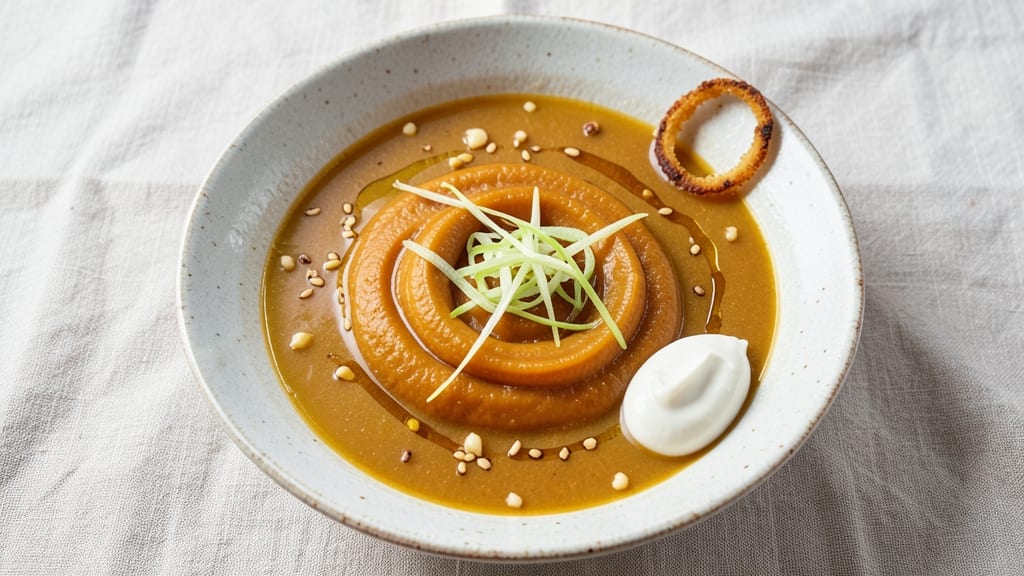
This Asian pumpkin soup recipe transforms humble ingredients into a velvety, aromatic masterpiece that bridges cozy comfort and bold flavors. The secret lies in gently sautéed ginger, garlic, and lemongrass—fragrant aromatics that form the soul of the soup—while coconut milk and miso paste create a rich, umami depth that lingers.
What makes this version special is the balance: creamy without heaviness, spiced just enough to tantalize, and smooth enough to sip like liquid silk.
The process is straightforward but rewarding: aromatics bloom in the pot, pumpkin purées into silky perfection, and coconut milk adds a luxurious texture without overpowering the natural sweetness of the squash.
A touch of chili oil or crispy shallots at the end introduces texture and heat, turning this into a soup that feels both restaurant-worthy and deeply comforting. It’s the kind of dish that works as a light lunch or an elegant starter—versatile enough for weeknights but impressive enough for guests.
What you’ll end up with is a bowl of soup that’s velvety smooth, infused with warm spices, and perfectly balanced between creamy and refreshing. The coconut-miso broth carries layers of flavor—earthy, slightly sweet, and subtly spicy—while the pumpkin adds natural sweetness that rounds out the profile.
This isn’t just another pumpkin soup; it’s a celebration of Asian-inspired techniques that elevate simple ingredients into something extraordinary.
Best of all, this recipe adapts effortlessly to dietary preferences: use vegetable broth for a vegetarian version or swap coconut milk for a lighter alternative. Garnish with fresh herbs, a drizzle of chili oil, or toasted sesame seeds to customize it to your taste.
Let’s get cooking—this soup is worth every moment of simmering.
Ingredients for asian pumpkin soup
Spiced coconut milk and aromatic lemongrass create a velvety base for this vegetarian Asian-inspired pumpkin soup.
| Ingredient | Amount | Notes |
|---|---|---|
| Pumpkin Puree 🎃 | 1 ½ cups | Canned or homemade, unsweetened |
| Vegetable Broth 💧 | 4 cups | Low-sodium preferred |
| Coconut Milk 🥥 | 1 can | Full-fat for creaminess |
| White Miso Paste 🧈 | 2 tbsp | High-quality, smooth texture |
| Fresh Ginger 🌿 | 2 tbsp | Finely grated, aromatic |
| Garlic Cloves 🧄 | 4 cloves | Minced, fresh preferred |
| Lemongrass 🌿 | 3 pieces | Lower stems, finely chopped |
| Red Curry Paste 🌶️ | 1 tbsp | Mild or medium heat |
| Brown Sugar 🍯 | 1 tbsp | Lightly packed |
| Lime Juice 🍋 | 1 tbsp | Freshly squeezed |
| Sesame Oil 🫒 | 1 tsp | Toasted for aroma |
| Chili Oil 🌶️ | 1 tbsp | For garnish, optional |
| Fresh Cilantro 🌿 | ¼ cup | Chopped, for garnish |
| Sea Salt 🧂 | ½ tsp | Adjust to taste |
| Black Pepper 🌶️ | ¼ tsp | Freshly ground |
The lemongrass and ginger are non-negotiable for that authentic Asian aroma. Look for fresh lemongrass stalks at Asian markets—they should be vibrant green and firm to the touch. Trader Joe's or Whole Foods carry excellent quality, or freeze the whole stalk if you won't use it all. For ginger, organic varieties have more punch, but regular works fine. The miso paste should be smooth and white—Marukome or Hikari brands are reliable choices. Coconut milk matters too: full-fat canned coconut milk creates that luxurious creaminess without being overly heavy.
No lemongrass? Substitute 1 tbsp lime zest plus 1 tsp lime juice for a citrusy alternative. Out of white miso? Red miso at half the amount adds depth but more color. The brown sugar can be swapped for coconut sugar or maple syrup if you're avoiding refined sugar. For extra richness, stir in 1 tbsp tahini at the end. The pumpkin purée should be smooth—if using fresh pumpkin, roast and blend it first. Baby carrots or sweet potatoes work too if pumpkin isn't available.
This soup keeps beautifully in the fridge for 4-5 days, with flavors deepening over time. For longer storage, freeze portions for up to 3 months. Reheat gently on the stove, adding a splash of water if it thickens too much. Garnish with chili oil and cilantro just before serving—fresh herbs add brightness that reheating can't replicate. Make a double batch and freeze half; it's perfect for lazy weeknight lunches or elegant dinner starters.
Why You'll Love This Recipe
- No-Fuss Pantry Magic: I swear by this soup because it’s that simple—just blend, simmer, and stir. No fancy techniques, no last-minute grocery runs: your pantry’s miso and coconut milk do all the heavy lifting while the ginger adds that zingy kick.
- Umami Bomb Combo: That white miso paste? Absolute game-changer. It turns ordinary pumpkin into something rich and savory, while the ginger and coconut milk balance it with warmth and creaminess—like a hug in a bowl, but way more flavorful.
- Office Lunch Hero: Between us, this soup is my go-to for meal prep. It reheats beautifully, keeps for days, and I’ve packed it in a thermos for work—colleagues still ask for the recipe. (Yes, even on a Tuesday night.)
- Budget-Friendly Luxury: Pumpkin puree and coconut milk stretch like crazy, and miso adds depth without breaking the bank. I’ve made this for 6 people for under $10—tastes like a fancy restaurant, costs like a grocery run.
Step-by-step instructions for Asian pumpkin soup
Here's the method for creating a velvety, aromatic pumpkin soup with perfect balance of spice and creaminess.
Sauté Aromatics Until Fragrant
Heat the sesame oil in a large pot over medium heat. Add the finely grated ginger and minced garlic, cooking for 1-2 minutes until the mixture becomes fragrant and lightly golden. This step develops the foundation of your soup's complex aroma profile.
Next, add the chopped lemongrass and red curry paste, stirring constantly for 30 seconds until the paste dissolves completely and the lemongrass releases its citrusy notes. The curry paste will deepen in color as it cooks, indicating proper activation of its flavors. Be careful not to let it burn - the paste should be aromatic but not darken.
Build the Flavor Base
Pour in the vegetable broth and bring the mixture to a gentle simmer. Add the white miso paste and brown sugar, stirring until completely dissolved. The miso will create a rich umami foundation while the brown sugar adds subtle sweetness that balances the heat.
Simmer the mixture for 5 minutes to allow the flavors to meld together. This is where the magic happens - the miso's saltiness combines with the sweetness and the developing curry flavors. You'll notice the broth becoming more aromatic and slightly thickened as the ingredients integrate.
Incorporate the Pumpkin and Coconut
Reduce the heat to low and gradually whisk in the pumpkin puree, ensuring no lumps remain. The soup should begin to thicken noticeably as the pumpkin starches activate. Add the full-fat coconut milk and continue stirring for 2-3 minutes until the mixture becomes velvety smooth.
This is where the soup transforms from simple broth to luxurious creaminess. The coconut milk should blend seamlessly, creating a rich texture that coats the back of a spoon. If the soup appears too thick, add 1-2 tablespoons of hot water to reach your desired consistency.
Finish with Acid and Season
Add the lime juice, sea salt, and black pepper, stirring well to incorporate. The acidity from the lime brightens all the flavors while the salt and pepper round them out. Taste and adjust the seasoning - you may need to add more salt if using low-sodium broth, or more lime juice if you prefer a tangier finish.
Simmer gently for an additional 5 minutes to let all the flavors fully develop. The soup should now have a beautiful golden hue with visible swirls from the coconut milk. If you're concerned about the soup separating, whisk vigorously before serving to restore its silky texture.
Serve with Garnishes
Ladle the soup into bowls and drizzle with chili oil. Garnish with chopped fresh cilantro, adding both visual appeal and a fresh herbal note. The chili oil should float on top, adding a subtle heat that complements the creamy base.
Serve immediately while hot, as the flavors continue to meld even after cooking. Each spoonful should deliver a perfect balance of creamy pumpkin, aromatic coconut, subtle heat from the curry, and bright citrus notes from the lime and lemongrass.
Pro Tips For Making Asian Pumpkin Soup
- Bloom the Ginger First: Toss the unpeeled ginger slices in boiling water for 30 seconds before grating—this softens the skin so you can scoop out the flesh without peeling, and it mellows the sharpness. I used to just grate raw ginger and ended up with a soup that tasted like a spa day gone wrong.
- Simmer, Don’t Boil: Keep the soup at a gentle simmer (tiny bubbles, occasional swirls) once the coconut milk hits the pot—any harder and the milk will curdle like a science experiment gone bad. I learned this after watching my first batch separate like a sad salad dressing.
- Miso Last, Stir Fast: Whisk the miso paste into the very end of cooking, then give it a full 30 seconds of vigorous stirring to dissolve completely—no clumps, no fishy surprises. I used to add it early and got that dreaded "miso sand" texture that ruins everything.
- Toast the Pumpkin Puree: Warm the pumpkin puree in a dry pan for 2-3 minutes before adding to the broth—just until it smells nutty and slightly caramelized. Sounds weird, but it deepens the flavor way more than raw puree ever will. (Your future self will notice.)
Creative variations of asian pumpkin soup
Thai-Inspired Spicy Twist
Swap the red curry paste for 1 tbsp Thai green curry paste and add 1 stalk of lemongrass plus 1 tbsp fish sauce (or 1 tbsp soy sauce for vegetarian). The green curry brings a brighter, more herbal heat that pairs beautifully with pumpkin’s natural sweetness.
For extra authenticity, stir in ½ tsp shrimp paste (optional) or ½ tsp smoked paprika for depth. Garnish with crushed peanuts and Thai basil for that iconic street-food vibe. 🌶️
Japanese Miso-Ginger Fusion
Replace the coconut milk with 1 cup dashi broth (or vegetable broth) and add 1 tbsp white miso paste plus 1 tbsp grated daikon radish for a lighter, more umami-forward version. Boost the ginger to 3 tbsp and add 1 tsp rice vinegar at the end for brightness.
Top with toasted sesame seeds and thinly sliced scallions for a clean, elegant finish. This version is perfect for a lighter lunch or as a starter for sushi nights. 🍜
Vegan Coconut-Lime Adaptation
Make this fully plant-based by using full-fat coconut milk (already vegan) and vegetable broth. Skip the miso if avoiding animal-derived ingredients or use white miso (traditionally vegetarian). For extra richness, stir in 1 tbsp tahini at the end.
Balance the flavors with 1 tbsp lime zest instead of juice and garnish with avocado slices and pickled red onions for tangy crunch. This version is just as creamy but packed with plant-powered goodness. 🌱
Spiced Butternut Squash Swap
Replace pumpkin purée with 1.5 cups roasted butternut squash purée (roast, peel, and blend until smooth). Add ½ tsp ground cinnamon and ¼ tsp nutmeg to the broth for warmth. The squash’s natural sweetness caramelizes beautifully with the coconut milk, creating a deeper, nuttier flavor.
Serve with toasted pepitas and a drizzle of honey (or maple syrup) for a cozy, autumnal twist. 🎃
Creamy Coconut-Lemongrass Chai
Infuse the soup with 1 chai tea bag (or 1 tsp chai spice blend) while simmering the broth. Add ½ tsp cardamom and ¼ tsp cinnamon to the aromatics for a fragrant, spiced depth. Sweeten with 1 tbsp maple syrup instead of brown sugar.
Garnish with star anise (for presentation) and a sprinkle of coconut flakes for a dessert-like finish. This version tastes like a hug in a bowl—perfect for chilly evenings. ☕
Nutrition facts
Frequently asked questions
Can I use fresh pumpkin instead of purée?
Roast 2 cups cubed pumpkin at 400°F for 25-30 minutes until tender, then blend until completely smooth. For extra flavor, toss the cubes with 1 tsp olive oil and ½ tsp smoked paprika before roasting. This adds a deeper caramelized taste to your soup.
How can I make this soup spicier?
Add ½ tsp cayenne pepper or 1 tsp sriracha when simmering the broth, or double the chili oil garnish. For a smoky kick, stir in ½ tsp chipotle powder with the miso paste. Always taste first—you can adjust heat to your preference!
Why did my soup separate?
Coconut milk can separate when heated too quickly or cooled too fast. To fix it, whisk vigorously or blend briefly with an immersion blender. For prevention, stir constantly when adding coconut milk and avoid rapid temperature changes. The soup should be silky smooth when properly blended.
Can I make this soup ahead of time?
Yes! Store in an airtight container in the fridge for 4-5 days. Reheat gently on the stove, adding 1-2 tbsp water if it thickens too much. For best texture, reheat only until warm—don't boil. Garnish with fresh herbs just before serving to keep flavors bright.
What's the best way to store leftover coconut milk?
Open cans of coconut milk last 3-4 days in the fridge. For longer storage, freeze the opened can (leave 1 inch headspace) for up to 6 months. Thaw overnight in the fridge—never microwave. The texture may separate slightly after freezing, but whisking restores creaminess.