
Soups & Stews
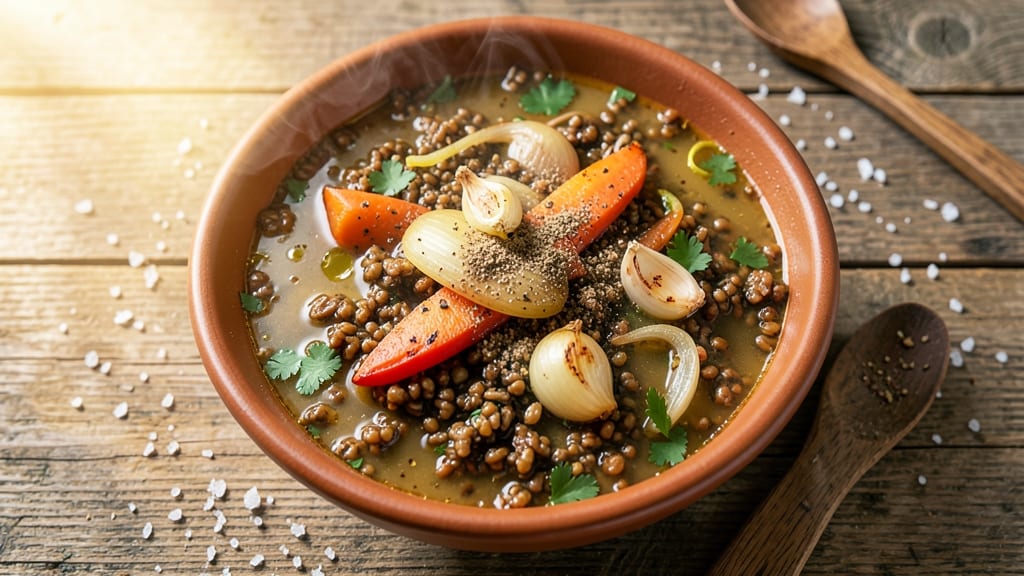
This Arabic freekeh soup recipe brings the heart of Middle Eastern cuisine to your kitchen with its deep, nutty flavors and aromatic herb broth. Freekeh, a smoky, toasted wheat grain, transforms into tender, earthy bites when slow-cooked with warming spices like cumin and coriander.
The secret lies in layering spices gradually—starting with whole spices for depth, then finishing with fresh herbs for brightness.
The result is a rich, comforting soup that balances smoky freekeh, tender vegetables, and a fragrant broth infused with garlic, lemon, and parsley. Unlike quick soups, this one rewards patience: simmering for at least 45 minutes allows the freekeh to soften perfectly while developing its signature nutty flavor.
It’s the kind of dish that feels like a hug on a chilly day.
Traditionally served with crusty bread or yogurt, this soup adapts beautifully to modern diets—swap chicken broth for vegetable broth for a vegan version or add yogurt for creaminess. The herb-rich broth pairs well with grilled meats or as a standalone meal, making it versatile for weeknight dinners or special occasions.
Ready in about 1 hour, this recipe delivers restaurant-quality results with minimal effort. The key is slow simmering and balancing spices—too much at once can overpower the delicate freekeh. Let’s dive into the steps to create this aromatic, heartwarming classic.
Ingredients for arabic freekeh soup
Freekeh transforms into tender, nutty bites when slow-cooked with aromatic spices and herbs.
| Ingredient | Amount | Notes |
|---|---|---|
| Freekeh 🌾 | 1 cup | Rinsed thoroughly before cooking |
| Chicken Broth 💧 | 4 cups | Low-sodium preferred |
| Yellow Onion 🧅 | 1 whole | Diced, medium size |
| Carrots | 2 medium | Peeled and chopped into chunks |
| Garlic Cloves 🧄 | 4 cloves | Minced for aroma |
| Ground Cumin 🌿 | 1 tbsp | Toasted for depth |
| Ground Coriander 🌿 | 1 tbsp | Freshly ground preferred |
| Ground Allspice 🌶️ | ½ tsp | For subtle warmth |
| Fresh Parsley 🌿 | ¼ cup | Chopped, stems removed |
| Fresh Mint Leaves 🌿 | ⅛ cup | Chopped for brightness |
| Lemon Juice 🍋 | 2 tbsp | Freshly squeezed |
| Olive Oil 🫒 | 2 tbsp | Extra-virgin for richness |
| Salt 🧂 | 1 tsp | Kosher or sea salt |
| Black Pepper 🌶️ | ½ tsp | Freshly ground |
| Fresh Lemon 🍋 | 1 whole | Zested and juiced |
Freekeh is the star here, and Middle Eastern specialty stores often carry the best quality. Look for a deep, toasted color—this indicates proper roasting. If unavailable, Whole Foods or Trader Joe's typically stock it in the bulk grains section. The key is rinsing it thoroughly before cooking to remove any dust or residual smoke. For the broth, low-sodium is ideal, but you can always adjust salt later. The onions and carrots should be fresh, with vibrant color—no wilted tops or soft spots. If using pre-chopped vegetables, check for ice crystals, which indicate poor quality.
No freekeh? Substitute with quinoa or farro, though the flavor profile will differ. Swap chicken broth for vegetable broth to make this vegan, though the depth of flavor will shift slightly. Fresh herbs are ideal, but dried parsley or mint at one-third the amount works in a pinch. The lemon juice can be substituted with white vinegar or apple cider vinegar, though fresh lemon adds a brightness that's hard to replicate. For the spices, toast the cumin and coriander whole in a dry pan for 30 seconds before grinding—this enhances their aroma dramatically. If you're short on time, pre-ground spices are fine, but the flavor will be less complex.
Freekeh keeps well in an airtight container in the pantry for up to 6 months. Once cooked, store the soup in the fridge for 4-5 days or freeze for 3 months. The flavors actually deepen over time, so it reheats beautifully. For extra richness, stir in a dollop of Greek yogurt or tahini when serving. This soup tastes even better the next day as the freekeh absorbs more of the aromatic broth. Portion into containers for easy lunches—just reheat with a splash of water or broth.
Why You'll Love This Recipe
- One-Pot Magic: I swear by this recipe when I’m too tired to wash pots. Toss the freekeh, broth, and chopped veggies into one pot, simmer, and forget about it—no straining, no fuss. The onions caramelize right in the broth while the freekeh soaks up all that savory goodness.
- Earthy & Rich: Between us, freekeh’s nutty depth and the garlic’s punch make this soup ridiculously satisfying. The carrots add just enough sweetness to balance the smoky broth, and honestly? It tastes like a hug in a bowl.
- Meal Prep MVP: I make double batches on Sundays because this soup only gets better the next day. The flavors meld perfectly, and it’s my go-to for lunchboxes or quick dinners—no reheating drama, just warmth and texture.
- Budget Booster: Freekeh’s cheap in bulk, and a single batch stretches for four meals. Use leftover broth for grains or another pot of soup—zero waste, maximum flavor. Perfect for when I’m pinching pennies but still want something hearty.
Step-by-step instructions for Arabic freekeh soup
This method transforms freekeh into a rich, aromatic soup with perfect texture and layered flavors.
Rinse and Toast the Freekeh
Begin by placing the 1 cup freekeh in a fine-mesh strainer and rinse it thoroughly under cold water for 30 seconds. This removes excess starch that can make the soup gummy. Transfer the rinsed freekeh to a dry skillet and toast it over medium heat for 3-4 minutes, stirring constantly. You'll notice the grains darken slightly and release a nutty aroma—this step enhances the freekeh's natural flavors and prevents a raw taste in the finished soup.
Watch carefully as the freekeh toasts—it should smell deeply aromatic but not burn. Once toasted, remove it from the pan and set it aside. The toasted freekeh will absorb the broth more evenly, creating a heartier soup with better texture. If you smell any bitterness, the heat was too high—reduce it next time.
Sauté Aromatics in Olive Oil
In the same skillet (no need to wash it—the toasted freekeh flavor will blend beautifully), heat the 2 tablespoons olive oil over medium heat until shimmering. Add the diced 1 whole yellow onion and cook for 5-6 minutes until softened and translucent. This foundational step builds flavor through the Maillard reaction.
Add the chopped 2 medium carrots and continue cooking for another 4-5 minutes until they begin to caramelize at the edges. Stir in the 4 cloves minced garlic and cook for 30 seconds until fragrant—this prevents the garlic from burning, which would make the soup bitter. The vegetables should release their natural sweetness, creating a sweet-savory base for the spices.
Build the Spiced Broth
Add the 1 tablespoon ground cumin, 1 tablespoon ground coriander, and 0.5 teaspoon ground allspice to the skillet, stirring vigorously for 30 seconds to toast the spices and release their essential oils. This step is crucial—it prevents the spices from settling at the bottom of the soup and creates a more complex flavor profile. Immediately pour in the 4 cups chicken broth and bring to a gentle simmer.
Add the toasted freekeh to the simmering broth and stir gently. The freekeh should be fully submerged—if not, add a splash of water. Simmer uncovered for 25-30 minutes until the freekeh is tender but still holds its shape. You'll know it's done when a fork slides in easily and the grains are plump. Stir occasionally to prevent the freekeh from sticking to the bottom.
Finish with Herbs and Acid
Once the freekeh is tender, stir in the 0.25 cup chopped fresh parsley and 0.125 cup chopped fresh mint leaves. These herbs add brightness and freshness that cut through the richness of the freekeh and spices. Squeeze in the juice of the 1 whole fresh lemon (about 2 tablespoons) and add the 2 tablespoons freshly squeezed lemon juice. The acidity balances the earthy flavors and brightens the entire dish.
Season to taste with the 1 teaspoon salt and 0.5 teaspoon black pepper. Taste the soup carefully—Arabic cuisine relies on balanced seasoning. The freekeh should be nutty, the broth rich but not salty, and the herbs vibrant. If the soup is too thick, add a splash of water or broth to reach your desired consistency. Let it sit off the heat for 5 minutes before serving to allow the flavors to meld.
Pro Tips For Making Arabic Freekeh Soup
- SOAK FREEKEH FIRST: Skip the dry-roasting step if you’re short on time—just soak the freekeh in warm broth (about 1:3 ratio) for 20 minutes before adding everything else. It’ll soften faster and absorb flavors better, especially if you’re using the cheaper, coarser grains. (Yes, even if the recipe says otherwise.)
- SWEAT ONIONS LOW: Don’t rush the onions—cook them over medium-low heat with a pinch of salt until they’re translucent and just starting to caramelize (about 8-10 minutes). Burnt onions make the whole soup taste bitter, and you’ll end up with a muddy base instead of rich, sweet depth.
- CHOP CARROTS UNIFORM: Cut carrots into ¼-inch slices or small cubes, not thick rounds. They’ll cook evenly without turning mushy, and you’ll avoid that sad, half-raw center that ruins the texture. (I learned this after serving a bowl where someone had to pick out a chewy carrot chunk.)
- SALT THE BROTH HALFWAY: Season the broth after the freekeh has soaked for 15 minutes, not at the start. Freekeh absorbs salt like a sponge, and adding it too early can make the soup taste flat by the end. A splash of lemon at the finish balances the heaviness—trust me.
Serving suggestions for this arabic freekeh soup
Bread Pairings
This soup pairs beautifully with warm, crusty bread that can soak up the rich, herb-infused broth. I love serving it with freshly baked pita bread or Middle Eastern khobz, which adds a satisfying crunch and texture contrast.
For a rustic touch, try sourdough or ciabatta—their open crumb structure holds up well to the nutty freekeh. Toast the bread lightly before serving to enhance its flavor and prevent it from becoming soggy. 🥖
Yogurt Toppings
Drizzle the soup with a dollop of Greek yogurt or labneh just before serving to add creaminess and balance the earthy freekeh. The yogurt also helps cool the palate after each spoonful.
For extra richness, sprinkle with toasted pine nuts or sesame seeds—both add crunch and a nutty depth that complements the soup’s flavors. I often serve this with a side of tzatziki for dipping bread.
Garnish Ideas
Fresh herbs elevate the soup’s brightness, so I always garnish with extra chopped parsley and mint right before serving. A few drops of high-quality olive oil (like California Gold) create a beautiful sheen and add another layer of richness.
For a smoky touch, sprinkle with smoked paprika or crumbled feta cheese—both add complexity. A squeeze of fresh lemon at the table ensures the acidity is balanced perfectly. 🍋
Side Dish Pairings
For a complete meal, serve this soup with grilled lamb chops or falafel—both add protein and cut through the broth’s richness. A simple cucumber and tomato salad with lemon and olive oil provides a refreshing contrast.
If you’re serving it as a vegetarian meal, roasted eggplant with tahini sauce pairs wonderfully. The key is balancing textures: creamy, crunchy, and tender all work together.
Wine and Beverage Pairings
A crisp white wine like Greek Assyrtiko or Lebanese Chardonnay complements the soup’s herbal and citrus notes beautifully. For a non-alcoholic option, sparkling mint lemonade or chilled hibiscus tea (like karkade) adds a refreshing contrast.
If you prefer beer, a light lager or wheat beer (such as Peroni or Hoegaarden) cleanses the palate without overpowering the dish’s delicate flavors. 🍷
Make-Ahead Serving Tips
This soup tastes even better the next day, so I always make a double batch for leftovers. Store it in an airtight container in the fridge for up to 4 days—the flavors deepen as the freekeh absorbs more of the broth.
When reheating, add a splash of water or broth to prevent thickening. For a quick lunch, portion into mason jars and pack with a side of bread for a portable, hearty meal. 💫
Nutrition facts
Frequently asked questions
What makes freekeh different from other grains in soup?
Freekeh is unique because it's made from toasted, smoky green wheat, giving it a deep nutty flavor and chewy texture. Unlike quinoa or rice, it absorbs broth beautifully while maintaining its structure—perfect for hearty soups. The toasting process also removes gluten, making it naturally easier to digest for many people.
Can I make this soup vegetarian or vegan?
For a vegan version, simply replace the chicken broth with vegetable broth and use vegan yogurt or tahini instead of Greek yogurt for topping. The earthy freekeh and spices will still shine through beautifully. For extra protein, add chickpeas or lentils to the soup.
Why does my freekeh soup taste bitter?
Bitterness usually comes from over-toasting the freekeh or burning the garlic/onions. Toast the freekeh just until aromatic (3-4 minutes), not until dark brown. For aromatics, cook onions and carrots until soft but not browned, and add garlic only at the end. A splash of fresh lemon juice at serving time can also brighten the flavor.
How do I adjust the thickness of the soup?
Start with the 4 cups broth called for, but add more gradually if needed. For a thinner soup, stir in ½ cup water or broth at a time. If it's too thick after cooking, simmer uncovered for 5-10 minutes to evaporate excess liquid. The freekeh should be tender but still hold its shape—this determines the perfect consistency.
What's the best way to store and reheat leftovers?
Store in an airtight container in the fridge for up to 4 days or freeze for 3 months. To reheat, add 2-3 tablespoons water or broth per cup of soup and simmer gently until hot. The flavors actually improve overnight as the freekeh absorbs more broth. Never microwave directly from frozen—thaw in the fridge first.