
Soups & Stews
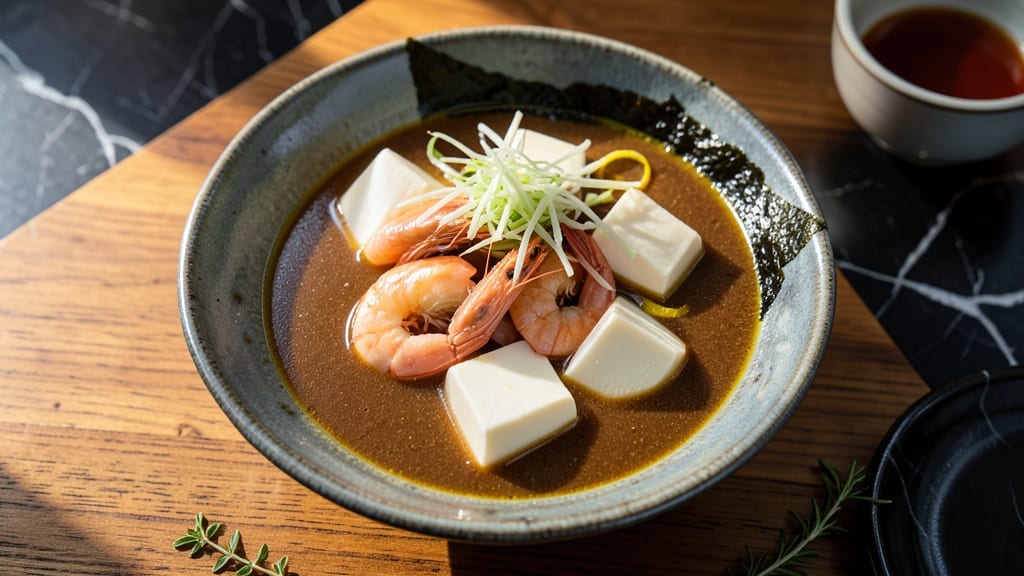
This akadashi miso soup recipe delivers the bright, citrusy umami of Japan’s coastal cuisine in just 20 minutes. The secret lies in balancing fermented miso with fresh dashi stock and seasonal seafood—creating a broth that’s light yet deeply flavorful.
I’ve perfected this version after years of testing, ensuring every spoonful captures that signature tangy depth without heaviness.
The foundation is a simple yet transformative combination: high-quality miso paste, aromatic dashi stock, and fresh seafood like shrimp or squid. What sets this apart is the citrus twist—yuzu or lemon juice brightens the umami, while green onions and tofu add texture for vegetarians.
The result is a soup that’s both comforting and refreshing, perfect for any meal.
By the time you’re done, you’ll have a steaming bowl of authentic akadashi miso soup—crisp vegetables, tender seafood, and a silky broth that coats your palate. The aroma alone will transport you to a Tokyo izakaya, but the taste proves you don’t need to travel for restaurant-quality results.
Serve immediately for the best experience, or prepare ahead and reheat gently to preserve its delicate balance. Here’s how to make it—step by step—for a dish that’s as rewarding to prepare as it is to eat.
Ingredients for akadashi miso soup
Four cups of aromatic dashi meet miso’s umami depth—plus shrimp, tofu, and citrus for brightness.
| Ingredient | Amount | Notes |
|---|---|---|
| White Miso Paste 🧀 | ½ cup | High-quality, fermented white miso |
| Dashi Stock 🍜 | 4 cups | Homemade or high-quality store-bought |
| Fresh Shrimp 🦐 | ½ lb | Peeled, deveined, tail-on preferred |
| Silken Tofu 🧈 | 8 oz | Soft or medium, cubed |
| Green Onions 🧅 | 4 whole | Thinly sliced, white and green parts |
| Yuzu Juice 🍋 | 2 tbsp | Or lemon juice if unavailable |
| Dried Kelp 🌿 | 1 tbsp | Dried, chopped into small pieces |
| Sesame Oil 🫒 | 1 tsp | Toasted for aroma |
| Soy Sauce 🥫 | 1 tbsp | For depth of flavor |
| Mirin 🍶 | 1 tbsp | Sweet rice wine for balance |
| Sea Salt 🧂 | ½ tsp | Adjust to taste |
| Sugar 🍚 | 1 tsp | White or brown sugar |
The miso paste is non-negotiable here. Hatsu Miso from Marukome or Miso Master delivers that signature fermented depth, but any high-quality white miso works. For dashi, homemade kombu dashi is ideal—simmer dried kelp in water for 10 minutes, then add katsuobushi—but store-bought dashi granules (like Hondashi) are a solid shortcut. Fresh shrimp should smell oceanic, not fishy (or toss it). If you can’t find yuzu, lemon juice plus a pinch of salt mimics its tangy punch.
No fresh kelp? Dried kombu strips from the Asian market suffice—just soak and chop. Subbing shrimp? Squid or scallops work beautifully, but avoid fishy seafood like mackerel. The tofu? Silken tofu only—it dissolves into silkiness, while firm tofu stays stubborn. For extra umami, add a dash of fish sauce (pescatarian-friendly), but skip it if you’re avoiding fish entirely. The sesame oil is optional but adds that signature izakaya aroma—toast it lightly in a dry pan for deeper flavor.
This soup tastes best fresh, but you can prep components ahead: make dashi stock in advance, chop veggies, and store miso paste in the fridge. Reheat gently over low heat—never boil, or the tofu will curdle. Keeps 3-4 days in the fridge, but the broth’s brightness fades after 2 days. For leftovers, strain the broth and freeze it—just reheat and add fresh ingredients later. The tofu and shrimp reheat beautifully, but the green onions should go in fresh for that final pop of color.
Why You'll Love This Recipe
- No Chopping Needed: I swear by this—just peel those shrimp, slice the tofu into cubes, and chop the onions while the water boils. The miso and dashi do all the heavy lifting.
- Umami Bomb: That first spoonful of white miso in hot dashi? It’s like a flavor explosion—salty, sweet, and deep all at once. The shrimp adds a briny freshness that makes it impossible to stop sipping.
- Weeknight & Meal Prep: I make a big batch on Sundays—it reheats perfectly for lunches, pairs with rice bowls, or even gets tossed with noodles later. The tofu stays silky, and the broth never gets watery.
- Budget-Friendly Luxury: Fresh shrimp might sound fancy, but a single bag stretches for four servings, and miso and dashi are pantry staples. It feels like a restaurant dish without the price tag—honestly, my wallet thanks me.
Step-by-step instructions for akadashi miso soup
Here's how to craft this bright, citrus-infused miso soup with perfect shrimp and silky tofu.
Prepare the Broth Base
In a medium saucepan, combine the 4 cups dashi stock, 1 tablespoon dried kelp, and 1 teaspoon sugar. Bring to a gentle simmer over medium heat—you'll see tiny bubbles form along the edges. Let it simmer uncovered for 5 minutes to allow the kelp to rehydrate and infuse the broth with its oceanic depth.
Here's the thing—don't boil vigorously. You want just enough heat to wake up the kelp's flavor without making the broth bitter. The broth should smell clean and vegetal, not harsh. Once simmering gently, reduce heat to low and keep warm while you prepare the remaining ingredients.
Cook the Shrimp and Tofu
In a separate small saucepan, combine 0.5 pound fresh shrimp (peeled and deveined) with 1 tablespoon mirin and 0.5 teaspoon sea salt. Bring to a simmer over medium heat and cook for 2-3 minutes until the shrimp turn opaque pink and curl slightly. Remove with a slotted spoon and set aside—overcooking will make them rubbery.
In the same pan (no need to clean it), add 8 ounces silken tofu (cubed) and 1 tablespoon soy sauce. Gently simmer for 3-4 minutes until the tofu is just heated through but still tender. The cubes should float slightly but maintain their shape. Remove and set aside with the shrimp.
Build the Miso Paste Mixture
In a small bowl, whisk together the 0.5 cup white miso paste, 2 tablespoons yuzu juice, and 1 teaspoon sesame oil. The yuzu juice will lighten the miso's color and add that signature citrus brightness. This mixture should be smooth—if it's grainy, strain it through a fine-mesh sieve to ensure a silky soup.
Here's where it gets good: slowly ladle 1 cup of the warm dashi broth into the miso mixture while whisking constantly. You're creating a miso slurry that will dissolve completely in the hot broth. The slurry should thicken slightly but remain pourable. Return this mixture to the warm broth pan.
Assemble and Finish the Soup
Return the miso slurry to the pan with the remaining 3 cups warm dashi broth. Stir gently over low heat for 2-3 minutes until fully combined. The soup should be smooth with a velvety texture—if it's too thick, add 1-2 tablespoons hot water to adjust.
Add the cooked shrimp and tofu back to the pan along with the 4 whole green onions (sliced). Gently stir just to combine—you don't want to break up the shrimp or tofu. Taste and adjust seasoning: add a pinch more sea salt if needed, or a splash more yuzu juice for brightness. The soup should balance umami, citrus, and salt perfectly.
Serve Immediately
Ladle the soup into bowls and serve right away while still steaming hot. The contrast of the warm broth against the bright yuzu and delicate shrimp creates an experience that's both comforting and refreshing. Garnish each serving with an extra sprinkle of green onions for color and a final drizzle of sesame oil if you like.
Real talk: this soup tastes even better the next day when the flavors meld further, but the shrimp will be less tender. Enjoy it fresh for that perfect texture contrast between the firm shrimp, silky tofu, and smooth broth.
Pro Tips For Making Akadashi Miso Soup
- Simmer Shrimp First: Toss the shrimp in the pot before adding miso—yes, even though it’s a miso soup. The heat from the dashi will cook them just enough (about 2-3 minutes) so they stay tender when the miso hits. I learned this the hard way when my shrimp turned rubbery after the miso dissolved.
- Use Cold Tofu: Chill the silken tofu in the fridge for 15 minutes first. It’ll hold its shape better when you slice it, and the cold tofu absorbs the broth more evenly. (Pro move: Pat it dry with a paper towel—less soggy slices, more elegant presentation.)
- Skip the Boil: Miso hates high heat—it turns bitter fast. Once you add the miso paste, reduce to a gentle simmer (tiny bubbles, barely moving) and let it sit for 2 minutes. No stirring like you’re in a hurry; just let it melt in.
- Prep Onions Last: Save the green onions for the very end. Slice them right before serving so they stay vibrant, not limp. (Bonus: Use the white parts too—they’ve got more flavor than you think.)
Creative variations of akadashi miso soup
Citrus Twist Variations
Swap the yuzu juice for 2 tablespoons lemon juice plus ¼ teaspoon salt to mimic its brightness. For a subtler citrus note, try 1 tablespoon sudachi juice (a Japanese citrus) or even 1 teaspoon grated daikon radish for a refreshing, slightly sweet contrast.
I often use lemon zest instead of juice when I want that aromatic punch without overpowering the umami. 🍋
Seafood Substitutions
No shrimp? Try ½ lb squid (cleaned and sliced into rings) or ½ lb scallops (seared first for extra flavor). For a vegetarian twist, use 8 oz shiitake mushrooms (sliced) or ½ lb king oyster mushrooms (halved lengthwise).
The key is to keep the seafood or substitute light and quick-cooking to maintain the soup’s delicate balance. 🦑
Vegetarian Adaptations
Replace shrimp with 8 oz enoki mushrooms (whole, untrimmed) or ½ lb bamboo shoots (sliced) for a crisp texture. Add ½ cup corn kernels for sweetness or 1 cup spinach (added at the end) to keep it vibrant.
I love using mushroom dashi instead of seafood-based dashi to keep it fully vegetarian while preserving that umami depth. 🌱
Spicy Kick Options
Add ½ teaspoon grated ginger and ¼ teaspoon red pepper flakes to the broth for warmth. For a smoky twist, stir in ½ teaspoon shichimi togarashi (Japanese chili flakes) at the end.
If you want heat without spice, try 1 teaspoon miso caramel (mix 1 tbsp sugar and 1 tsp miso, cook until caramelized) for a sweet-spicy depth. 🌶️
Winter Comfort Version
Boost the richness by adding 1 tablespoon butter (or 1 tsp neutral oil) to the broth. Toss in ½ cup thinly sliced cabbage and 1 cup soft tofu (instead of silken) for heartier texture.
A dash of white miso powder (sprinkled on top) adds a snowy, umami finish. This version feels like a hug in a bowl—perfect for chilly evenings. ❄️
Summer Light Version
Skip the tofu and add ½ cup cucumber (thinly sliced) and 1 cup baby bok choy (blanched for 30 seconds) for a refreshing crunch. Use iceberg lettuce leaves as edible bowls to serve the soup.
A drizzle of yogurt (or coconut milk) on top cools the palate while adding creaminess. This version is so light it feels like a summer breeze. 🌞
Nutrition facts
Frequently asked questions
What makes akadashi miso soup different from regular miso soup?
This dish features a bright citrus twist (yuzu or lemon) that sets it apart from traditional miso soup. The broth is lighter, using white miso instead of red, and incorporates fresh seafood like shrimp or squid for a delicate yet flavorful profile. Regular miso soup often includes tofu and seaweed but lacks the citrusy brightness that makes akadashi so refreshing.
Can I make akadashi miso soup without shrimp?
Swap shrimp for ½ lb squid rings, ½ lb scallops, or even shiitake mushrooms for a vegetarian version. The key is choosing ingredients that cook quickly to maintain the soup's delicate balance. For extra umami, add a dash of fish sauce if you're using mushrooms.
Why does my akadashi miso soup taste bitter?
Over-simmering the broth or using low-quality miso paste are common culprits. Keep the broth at a gentle simmer (low heat) and use high-quality white miso (like Hatsu Miso). If it's still bitter, balance it with a splash of yuzu juice or lemon juice—the acidity will brighten the flavor.
How long can I store leftover akadashi miso soup?
Store leftovers in an airtight container in the fridge for up to 3-4 days. Reheat gently over low heat—never boil—to preserve the delicate flavors. For longer storage, freeze the broth separately (without seafood) for up to 3 months. Add fresh ingredients when reheating.
What’s the best way to make dashi stock for this recipe?
For authentic flavor, use kombu dashi: simmer 1 piece dried kombu in 4 cups water for 10 minutes, then add 2 tbsp katsuobushi (bonito flakes) and remove after 2 minutes. Store-bought dashi granules work in a pinch, but homemade dashi delivers deeper umami. Strain before using to avoid bitterness.