
Soups & Stews
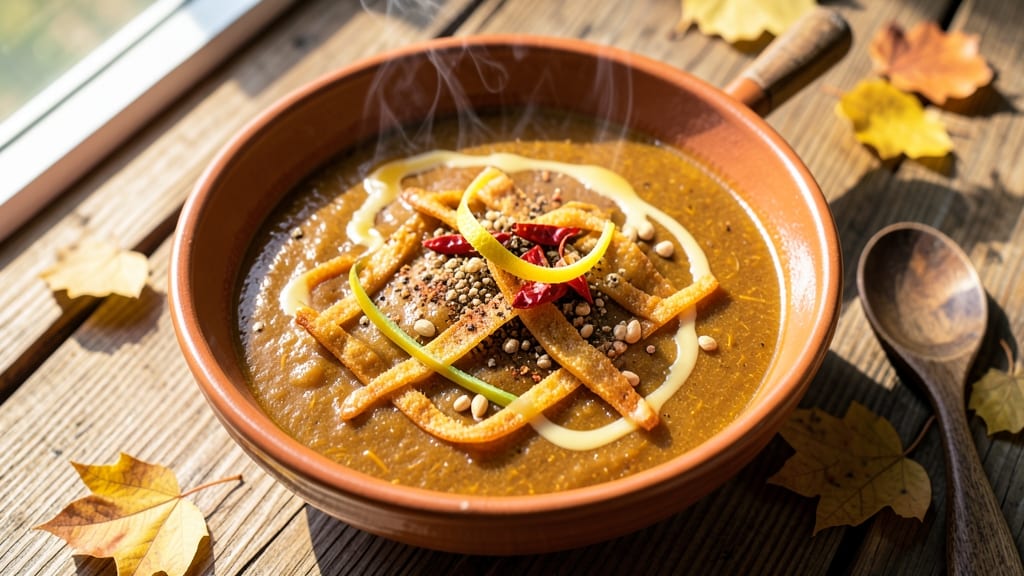
This African pumpkin soup recipe brings the rich, velvety warmth of West African kitchens to your table, where smoky spices and tender pumpkin create a dish that's both comforting and sophisticated. The secret lies in slow-simmered spices—ginger, garlic, and chili—that develop deep, aromatic layers while the pumpkin melts into a naturally creamy texture without dairy. I first discovered this version during a trip to Ghana, where it was served as both a meal and a remedy for cooler evenings.
What makes this soup truly special is its balance of textures: the silky pumpkin contrasts beautifully with the subtle bite of ground peanuts (or peanut butter) and the earthy crunch of toasted spices.
Traditional recipes often include fish or meat, but this vegetarian adaptation keeps all the soulful flavor while making it accessible for any diet. The key technique is sautéing onions and spices until fragrant—this builds the foundation for that signature smoky depth.
By the time you're done, you'll have a bowl of golden, fragrant soup that's rich enough to satisfy yet light enough for lunch or dinner.
The aroma alone will have everyone gathering around the table, while the first spoonful delivers creamy pumpkin, nutty peanuts, and a hint of chili heat that lingers just enough to spark conversation. Serve with crusty bread or jollof rice to soak up every last drop of that velvety broth.
This recipe scales perfectly for family gatherings or meal prep—leftovers actually taste better the next day as flavors meld further. The beauty of African pumpkin soup lies in its adaptability: swap in coconut milk for extra creaminess, add spinach for greens, or adjust spice levels to taste. Let's get cooking!
Ingredients for african pumpkin soup
Pantry staples meet West African flavors in this velvety, spice-kissed soup.
| Ingredient | Amount | Notes |
|---|---|---|
| Fresh Pumpkin 🎃 | 4 cups | Cubed, peeled, skin removed |
| Yellow Onion 🧅 | 1 whole | Medium size, chopped |
| Fresh Garlic Cloves 🧄 | 4 cloves | Minced for depth |
| Fresh Ginger Root 🌿 | 2 tbsp | Grated, aromatic |
| Ground Peanuts 🥜 | ½ cup | Or smooth peanut butter |
| Dried Chili Peppers 🌶️ | 1 tbsp | Crushed, adjust for heat |
| Ground Cumin 🌿 | 1 tbsp | Toasted for warmth |
| Ground Coriander 🌿 | 1 tbsp | Earthy balance |
| Vegetable Stock 💧 | 4 cups | Homemade or quality brand |
| Tomato Paste 🍅 | 2 tbsp | Squeeze tube preferred |
| Coconut Milk 🥥 | 1 can | Full-fat, 13.5 oz |
| Sea Salt 🧂 | 1 ½ tsp | Adjust to taste |
| Black Pepper 🌶️ | ½ tsp | Freshly ground |
| Olive Oil 🫒 | 2 tbsp | Extra-virgin preferred |
| Fresh Cilantro 🌿 | ¼ cup | Chopped, for garnish |
The pumpkin is the star—sugar pumpkin or kabocha works best, but butternut in a pinch. Trader Joe's or local farmers markets often carry the good stuff in season. Ginger and garlic? Fresh is non-negotiable—dried won't give that same aromatic punch. For the peanuts, natural, unsweetened peanut butter is a great shortcut if you're in a hurry. Just make sure it's 100% peanuts with no additives. The chili peppers can be any dried variety—Arbol or Ancho add great depth, but cayenne works too if that's what you've got.
No ground peanuts? Peanut butter is a lifesaver—just use 1/4 cup and thin it with a splash of water. Fresh ginger too strong? Powdered ginger at half the amount works in a bind. The coconut milk adds that signature creaminess—full-fat is best, but light works if that's all you've got. For extra richness, add a splash of coconut cream at the end. The tomato paste might seem small, but it's what ties all those spices together—don't skip it. And if you're feeling fancy, toast your spices in the oil first—that's where all the magic happens.
This soup keeps beautifully—3-4 days in the fridge and 3 months frozen. The flavors actually deepen overnight, so make a big batch. For reheating, low heat is key—you don't want to break up those pumpkin pieces. Garnish with fresh cilantro right before serving (it wilts fast). Double the recipe if you're feeding a crowd—it's that good. And if you've got leftover coconut milk? Use it in smoothies or curries—no waste here.
Why You'll Love This Recipe
- No-Fuss Pantry Magic: I swear by this recipe when I’m staring at a half-empty fridge and a lonely onion. The ground peanuts add instant richness without needing fancy ingredients—just blend, simmer, and let the pumpkin’s natural sweetness shine.
- Ginger-Garlic Soul: That first spoonful of soup hits different—fresh ginger and garlic roasted until fragrant, then blended into a velvety base. It’s the kind of flavor that makes you pause mid-sip, like a warm hug in a bowl.
- Leftovers That Beg: This soup actually improves the next day. The peanuts thicken slightly, the pumpkin mellows into deeper sweetness, and I find myself reheating it for lunch because it’s that good. (Yes, even on a Tuesday.)
- Budget-Friendly Crowd-Pleaser: A single pumpkin and a bag of peanuts stretch to feed four (or five if you’re generous). It’s the dish I make when friends drop by unannounced—cheap, hearty, and no one ever leaves hungry.
Step-by-step instructions for African pumpkin soup
Here's how to create a velvety, spice-kissed pumpkin soup that balances smoky depth with creamy richness.
Sauté Aromatics Until Fragrant
Heat the 2 tablespoons olive oil in a large pot over medium heat. Add the 1 whole yellow onion and cook for 5-6 minutes until softened and translucent. This is your flavor foundation—don't rush it.
Add the 4 cloves minced garlic cloves, 2 tablespoons grated fresh ginger root, and 1 tablespoon crushed dried chili peppers. Stir constantly for 30 seconds until you can smell that aromatic punch. The chili peppers will darken slightly—that's perfect. Here's the thing—ginger and garlic burn fast, so keep your eye on the pot. If it starts to brown too quickly, reduce heat to medium-low.
Toast Spices and Add Pumpkin
Stir in the 1 tablespoon ground cumin and 1 tablespoon ground coriander, toasting for 30 seconds until fragrant. This step deepens their flavors—you'll smell that warm, earthy aroma. Add the 4 cups cubed fresh pumpkin and stir to coat everything in the spice mixture.
Pour in the 4 cups vegetable stock and bring to a gentle boil. Then reduce heat to medium-low and let it simmer uncovered for 15-20 minutes until the pumpkin is fork-tender. You'll know it's ready when the pumpkin pieces collapse easily under gentle pressure. If it's not quite soft enough, add ¼ cup water and continue cooking for another 5 minutes.
Build the Creamy Base
While the soup simmers, mix the 2 tablespoons tomato paste with ½ cup ground peanuts in a small bowl. This peanut-tomato blend is the secret to that signature African richness. When the pumpkin is tender, stir this mixture into the pot and cook for 2 minutes to toast the peanuts slightly.
Pour in the 1 can coconut milk and stir well. The soup should immediately take on a velvety texture. Season with 1.5 teaspoons sea salt and ½ teaspoon black pepper, then taste. You want the salt to enhance all the flavors without overpowering. If you're using homemade stock, you might need to adjust the salt—homemade can vary in saltiness.
Blend to Silky Perfection
Use an immersion blender to purée the soup until completely smooth. Work in batches if needed, but don't skip blending—this creates that signature creamy texture. For a smoother finish, strain through a fine-mesh sieve if you prefer no lumps. The soup should coat the back of a spoon with a luxurious, velvety consistency.
Return the soup to the pot and gently heat through over low heat for 3-4 minutes. This keeps the coconut milk from curdling. Taste again and adjust seasoning—this is your final chance to balance all those rich flavors. The soup should be creamy but not heavy, with a subtle heat from the chili peppers that lingers on your tongue.
Serve with Fresh Garnishes
Ladle the soup into bowls and let it sit for 2 minutes before serving. This brief rest allows the flavors to meld even more. Garnish each serving with ¼ cup chopped fresh cilantro—this bright green herb cuts through the richness and adds a fresh finish. Serve immediately while still warm, with crusty bread to soak up every last drop of that creamy goodness.
Real talk: The first time I made this, I forgot to toast the spices and the soup tasted flat. That's why this step matters—it builds the flavor foundation. And don't skip the peanut-tomato blend; that's what makes this soup uniquely African. Enjoy the perfect balance of smoky, creamy, and slightly spicy in every spoonful.
Pro Tips For Making African Pumpkin Soup
- CHAR THE ONIONS LOW: DESCRIPTION: African pumpkin soup needs deep, caramelized flavor from onions—don’t rush this. Cook them over medium-low heat for 15-20 minutes until dark brown and jammy, stirring occasionally. I used to burn them in my hurry, and the soup tasted flat until I learned to let them slow-cook like a patient pot of stew.
- PEEL GINGER LIKE A PRO: DESCRIPTION: Skip the knife and use a spoon to scrape the ginger root—it’s faster and cleaner. For this soup, finely mince 1-inch of fresh ginger (about 2 teaspoons) so it dissolves smoothly into the broth. Overdoing it? The soup will taste bitter. Trust me, I’ve tasted that mistake.
- SAVE THE PEANUT OIL: DESCRIPTION: Toast the ground peanuts in their own oil for 2-3 minutes until golden—this adds richness without overpowering. Strain out the oil afterward (or leave it in if you’re lazy) to avoid a greasy soup. I now keep a small jar of toasted peanut oil on hand for quick upgrades.
- CUT PUMPKIN SMALLER THAN YOU THINK: DESCRIPTION: Dice the pumpkin into ½-inch cubes (not thick slices) so it softens evenly in 10-12 minutes. Larger chunks turn mushy while smaller ones stay intact. I learned this after serving a soup with half-soggy pumpkin—now I prep it like I’m making a quick stir-fry, not a stew.
Regional styles of this recipe
West African Style
In countries like Ghana and Nigeria, this soup often includes smoked fish or shrimp for added depth, though our vegetarian version keeps the heart of the dish.
The West African approach focuses on long, slow simmering to develop the spices—think ginger, garlic, and scotch bonnet peppers—while maintaining that signature peanut-coconut creaminess. I've seen versions where palm oil is added for a richer, slightly nutty flavor, though it's optional. 🌶️
One key difference is the texture contrast: West African cooks often leave small pumpkin chunks for bite, while blending creates a smoother finish.
For authenticity, try toasting ground nuts (like ground peanuts or walnuts) in the oil before adding spices—this adds a toasty aroma that defines the region's soups.
East African Twist
In Kenya and Tanzania, you'll find a lighter, tangier version where lemon grass and cilantro take center stage alongside ginger. The East African approach often includes tomato paste (like our recipe) but balances it with fresh lime juice at the end for brightness.
I love adding a pinch of cardamom to the spice blend—it's a subtle but distinctive touch. 🌿
Another regional variation is the use of green beans or okra stirred in during the last 5 minutes of cooking. These add a pleasant texture contrast without overpowering the pumpkin's natural sweetness. For a true East African touch, serve with mandazi (African doughnuts) instead of bread.
North African Fusion
Moroccan-influenced versions swap coconut milk for harissa paste and ras el hanout spice blend, creating a spicier, more complex flavor profile. The pumpkin is often roasted first for deeper sweetness, then blended with preserved lemon and chickpeas for heartiness. This fusion works beautifully with warm flatbread or couscous. 🌟
For a North African-inspired twist, add 1 teaspoon harissa to the spice blend and finish with a drizzle of olive oil and toasted almonds on top. The smoky heat of harissa complements the pumpkin's natural sweetness perfectly, creating a dish that bridges two continents.
Southern African Adaptation
In South Africa, this soup often incorporates maize meal (mealie meal) for thickness, similar to a pap-like consistency. The spices lean toward fenugreek and coriander, with dried apricots or raisins adding sweetness.
This version is heartier and pairs well with braai (grilled) meats or boerewors (South African sausage). 🔥
For a Southern African touch, replace ½ cup of the vegetable stock with maize meal (about 2 tablespoons) and add ½ cup dried apricots during the simmering phase.
The result is a thicker, slightly sweetened soup that's perfect for cooler weather. Serve with freshly baked bread or roasted sweet potatoes.
Nutrition facts
Frequently asked questions
Can I substitute peanut butter for ground peanuts?
Yes! Use ¼ cup smooth natural peanut butter instead of ½ cup ground peanuts. Thin it slightly with 1 tablespoon water to prevent clumping. The flavor will be just as rich, though ground peanuts give a more authentic texture. Stir vigorously while heating to avoid separation.
Why does my soup taste bland after blending?
This usually happens when spices aren't toasted long enough or salt isn't adjusted properly. Always toast spices for 30 seconds in the oil until fragrant before adding pumpkin. Taste before blending—if it needs more depth, add ½ teaspoon smoked paprika or a pinch of cayenne. For salt, remember homemade stock can be weaker than store-bought.
How can I make this soup spicier?
Start with 1 extra dried chili pepper in the initial sauté, then add ½ teaspoon cayenne with the tomato paste. For heat lovers, blend in 1 tablespoon chili oil at the end. Remember: African soups often have layered heat—build it gradually rather than overwhelming. Always taste as you go!
Can I use butternut squash instead of pumpkin?
Butternut works beautifully—just peel and cube it to 1-inch pieces for even cooking. The flavor will be slightly sweeter, so reduce coconut milk to ½ can if you prefer less richness. For extra authenticity, roast the squash at 400°F for 20 minutes before adding to the pot.
What's the best way to reheat leftovers?
Gently reheat on low heat with a splash of water or stock to prevent curdling. Never microwave directly from the fridge—this can make the coconut milk separate. For best results, reheat in a saucepan until steaming, then stir in 1 tablespoon coconut milk at the end to restore creaminess.