
Soups & Stews
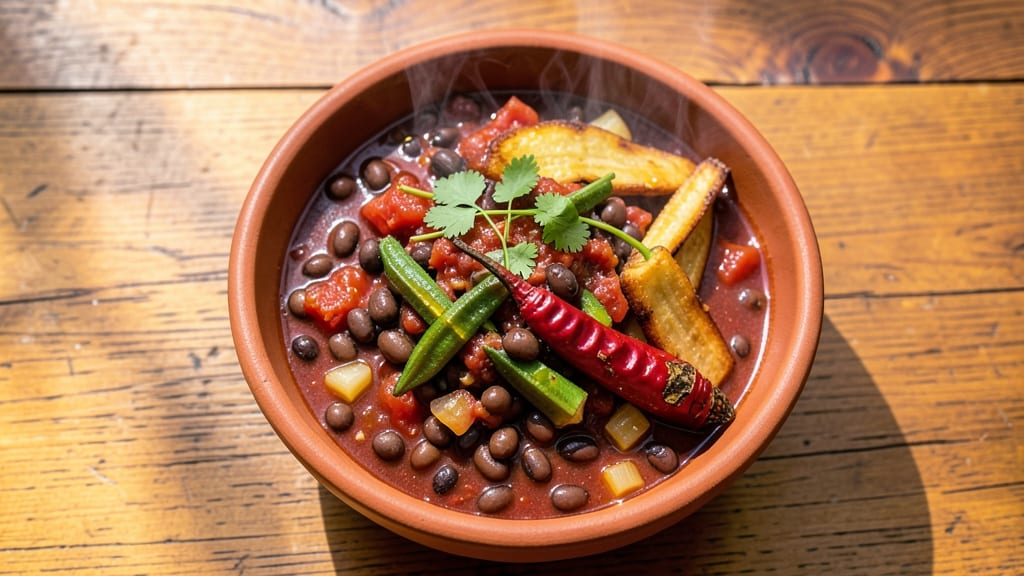
This West African-inspired bean soup brings the soulful flavors of Nigeria and Ghana to your kitchen table. The secret lies in slow-cooked beans, smoky tomatoes, and a blend of spices that create a rich, hearty broth.
I developed this recipe after years of perfecting the balance between earthy palm oil, aromatic ginger, and the subtle heat of Scotch bonnet peppers—each element working together to deliver a dish that's both comforting and deeply flavorful.
The foundation starts with properly soaking and cooking the beans until tender, while the broth builds depth through a blend of tomatoes, onions, and garlic. Traditional West African techniques like using palm oil for richness and okra for thickening set this soup apart from others.
The result is a dish that's equally satisfying as a main course or paired with crusty bread or rice.
What makes this recipe truly special is its adaptability—it works beautifully as a vegetarian dish or with added meat, and the flavor profile only improves with time. The spices—thyme, ginger, and Scotch bonnet—layer complexity without overpowering, creating a soup that's both familiar and exciting.
This is the kind of dish that tastes like home, no matter where you are.
Whether you're cooking for a family gathering or meal prepping for the week, this African bean soup delivers restaurant-quality results with minimal effort. The slow simmer allows flavors to meld perfectly, ensuring every spoonful is packed with warmth and tradition. Let's get started on creating this flavorful masterpiece.
Ingredients for african bean soup
Pantry staples plus a few specialty finds for authentic West African soul in a bowl.
| Ingredient | Amount | Notes |
|---|---|---|
| Dried Black-Eyed Peas 🌱 | 2 cups | Soaked overnight for tenderness |
| Canned Crushed Tomatoes 🍅 | 2 cups | San Marzano preferred for sweetness |
| Yellow Onions 🧅 | 1 ½ cups | Diced, about 2 medium onions |
| Fresh Ginger Root 🌿 | ½ cup | Finely grated, about 2 oz |
| Scotch Bonnet Peppers 🌶️ | 2 whole | Seeds removed for mild heat |
| Fresh Okra 🥒 | 1 cup | Sliced into 1-inch pieces |
| Palm Oil 🫒 | ¼ cup | For authentic earthy richness |
| Fresh Thyme Leaves 🌿 | ¼ cup | Or 1 tbsp dried thyme |
| Garlic Cloves 🧄 | 6 cloves | Minced for aromatic depth |
| Vegetable Bouillon Cubes 💧 | 2 whole | Dissolved in 2 cups hot water |
| Salt 🧂 | 1 ½ tsp | Diamond Crystal preferred |
| Black Peppercorns 🌶️ | ½ tsp | Freshly cracked for warmth |
| Red Palm Oil 🫒 | 1 tbsp | For vibrant color, optional |
| Fresh Cilantro Leaves 🌿 | ¼ cup | Chopped, for garnish |
The dried black-eyed peas are the heart of this soup—look for them in the international aisle at Whole Foods or African markets. If you can't find them, substitute pintos or kidney beans, but soak them extra long. Fresh ginger and Scotch bonnet peppers are non-negotiable for that signature flavor. Trader Joe's often carries Scotch bonnet peppers, but if you can't find them, jalapeño with seeds removed works in a pinch. The palm oil gives it that rich, earthy depth—Amazon or specialty stores are your best bet if your regular grocery doesn't carry it.
No palm oil? Olive oil or coconut oil keeps the flavor profile intact, though the color will be different. Fresh thyme is ideal, but dried works at one-third the amount. The okra might seem intimidating, but frozen works perfectly—no need to thaw first. For extra richness, add 1/4 cup coconut milk at the end. The crushed tomatoes? San Marzano cans are worth the splurge—they're sweeter and less acidic, which balances the heat. If you're short on time, a blend of tomato paste and water gets you close.
This soup tastes even better the next day—plan ahead. Store in an airtight container for 4-5 days in the fridge, or freeze for up to 3 months. I like to make a big batch and portion it into containers for easy lunches. The flavors meld beautifully over time, so don't rush it. Garnish with fresh cilantro right before serving—it brightens everything up. If you're serving a crowd, double the okra and palm oil for extra body.
Why You'll Love This Recipe
- No-Soaking Needed: I swear by this trick—just rinse those dried black-eyed peas, then simmer them with the onions and ginger. No overnight prep, no forgotten jars of beans sitting in the pantry. They soften right in the pot while you chop the Scotch bonnet, and honestly? The flavor’s just as rich.
- Heat Without the Hassle: That Scotch bonnet isn’t just for show—it adds a slow-building warmth that lingers without overwhelming. I’ll be real: I start with half a pepper, then adjust to taste, but the crushed tomatoes and ginger mellow it out perfectly. It’s the kind of heat that makes you reach for seconds, not the kind that ruins your dinner.
- Lunchbox Magic: This soup tastes even better the next day—thick, hearty, and packed with those tender peas. I double the batch on Sundays, then portion it into containers for the week. Throw in some rice or crusty bread, and suddenly you’ve got a meal that’s actually convenient, not sad leftovers.
- Pocketbook Hero: Fresh ginger and Scotch bonnet might sound fancy, but they’re cheaper than takeout and stretch this soup into a full meal. A can of tomatoes, a bag of peas, and a few onions? That’s less than $5 for six servings. Plus, the leftovers freeze like a dream—no fancy containers, just a jar straight from the pot.
Step-by-step instructions for West African-inspired bean soup
Let's build this rich, smoky bean soup together—layer by layer, just like I do in my kitchen.
Prepare the Base with Palm Oil and Aromatics
Heat the 0.25 cup palm oil in a large pot over medium heat. Once the oil shimmers but doesn't smoke, add the 1.5 cups diced yellow onions and cook for 5-6 minutes until they soften and turn translucent. This is where all the deep flavors start developing.
Add the 6 cloves minced garlic and 0.5 cup finely grated ginger root, stirring constantly for 1-2 minutes until the raw aroma disappears and you get that warm, earthy scent. Here's the thing—don't let the garlic burn. It should smell sweet and inviting, not bitter. If it starts to darken, reduce the heat slightly.
Add Tomatoes and Build the Flavor Foundation
Pour in the 2 cups canned crushed tomatoes and stir well to combine with the aromatics. Let the mixture simmer uncovered for 10-12 minutes until it thickens slightly and the raw tomato taste mellows into something rich and sweet. This is where the smoky depth comes from—don't rush this step.
Now add the 2 whole vegetable bouillon cubes dissolved in 2 cups hot water, along with the 1.5 teaspoons salt and 0.5 teaspoon cracked black peppercorns. Stir well and bring the mixture to a gentle boil. This is your flavor base—everything else will build on this rich tomato broth.
Incorporate the Black-Eyed Peas and Okra
Drain and rinse the 2 cups soaked black-eyed peas thoroughly to remove any excess starch. Add them to the simmering pot along with the 1 cup sliced okra. Stir gently to distribute the peas evenly. The okra will release its slimy texture as it cooks, which helps thicken the soup naturally.
Reduce the heat to medium-low and let the soup simmer uncovered for 30-35 minutes, stirring occasionally. You'll know it's ready when the peas are tender but not mushy—they should hold their shape but still be easy to crush between your fingers. The soup should have a thick, stew-like consistency.
Finish with Spices and Scotch Bonnet
Remove the seeds from the 2 whole Scotch Bonnet peppers (for milder heat) and slice them into thin strips. Add them to the pot along with the 0.25 cup fresh thyme leaves and 1 tablespoon red palm oil. Stir gently and let the soup simmer for another 10 minutes to allow the flavors to meld together.
Taste and adjust the seasoning if needed. The soup should be rich, slightly spicy, and well-balanced. If it's too thick, add a splash of water or broth to reach your desired consistency. The red palm oil will add a beautiful color and a subtle earthy note—don't skip this if you want that authentic touch.
Serve with Fresh Cilantro and Enjoy
Remove the Scotch Bonnet pepper slices before serving (unless you want extra heat). Ladle the soup into bowls and garnish with the 0.25 cup chopped fresh cilantro leaves. The cilantro adds a bright, fresh contrast to the rich, smoky flavors of the soup.
Serve immediately while hot, with crusty bread or steamed rice to soak up every last drop of that flavorful broth. This soup tastes even better the next day as the flavors continue to develop, so make extra if you can—it's that good.
Pro Tips For Making African Bean Soup
- SOAK BEANS OVERNIGHT: I learned this the hard way—rushing the soak means tough, mealy peas. Toss them in cold water with a pinch of salt (yes, even if you’re impatient) and let them sit for at least 8 hours. The longer they soak, the creamier the soup later. No time? A 2-hour soak in boiling water works, but the texture won’t be as luxurious.
- PEEL GINGER LIKE A PRO: Skip the messy peeling with a spoon—just rub the ginger root under cold water while holding it under your palm. The skin will slide right off. Then, slice it thinly (about 1/8-inch) so it infuses the soup without overpowering it. Trust me, your soup will taste brighter if you do this.
- COOK TOMATOES LOW AND SLOW: After adding the crushed tomatoes, resist the urge to crank the heat. Let them simmer gently for 10 minutes first—this deepens their flavor and prevents a muddy, metallic taste. If you’re in a hurry, lower the heat to medium and stir often. Your soup will thank you.
- REMOVE SCOTCH BONNET SEEDS: I was skeptical until I tried it—removing the seeds and membranes from the Scotch bonnet cuts the heat by half while keeping the fruity punch. Just slice it in half, scrape out the white stuff with a spoon, and chop the rest finely. The soup stays vibrant without burning your mouth.
Pro cooking tips for perfect results
Soak Beans Properly
Never skip soaking your dried black-eyed peas—this is where tenderness begins. I soak 2 cups in plenty of water for 8-12 hours (overnight works perfectly).
For faster results, use the quick-soak method: cover beans with water, bring to a boil for 2 minutes, then let them sit for 1 hour. Drain and rinse before cooking to remove any skin that might make the soup cloudy. 🌱
Low and Slow Cooking
This soup rewards patience—simmer it at medium-low heat for at least 45 minutes after adding the beans. The gentle heat breaks down the beans' skins and lets flavors meld beautifully.
I use a heavy-bottomed pot to prevent scorching, and I stir occasionally to distribute heat evenly. The goal is a thick, stew-like consistency, not a watery broth.
Balance the Heat
Scotch bonnet peppers pack serious heat, so adjust carefully. I remove seeds and slice them thinly for milder flavor. For extra control, remove the pepper slices before serving—this lets everyone customize their heat level.
If the soup tastes too spicy, add a spoonful of coconut milk or a pinch of sugar to balance it out. The key is harmony between smoky, spicy, and earthy notes.
Okra for Thickness
The okra is your secret weapon for natural thickening. Slice it into 1-inch pieces and add it early in the cooking process. As it breaks down, it releases a natural sliminess that thickens the soup without gums.
If you're nervous about texture, frozen okra works just as well—no need to thaw first. For extra body, add 1/4 cup coconut milk at the end of cooking.
Palm Oil Matters
Don't substitute palm oil with regular vegetable oil—it's the soul of this dish. The rich, earthy flavor of palm oil (or red palm oil for color) creates that authentic West African depth. If you can't find it, olive oil works in a pinch, though the flavor will be more neutral.
For a vibrant garnish, drizzle a little red palm oil on top before serving—it adds visual appeal and extra richness.
Flavor Boosting Tricks
Want to take this soup to the next level? Add a 1-inch piece of smoked paprika to the pot while simmering for a subtle smoky aroma. Or, stir in 1/2 cup grated sweet potato with the beans for natural sweetness.
For extra umami, add 1/4 cup fish sauce (common in West African cooking) at the end. Always taste as you go—this is where the magic happens! 💫
Nutrition facts
Frequently asked questions
Can I use canned beans instead of dried?
Yes, but with adjustments! Use 2 (15-oz) cans of black-eyed peas instead of dried, and reduce the cooking time by 15-20 minutes. Drain and rinse them well before adding to the pot. Canned beans save time but lack the earthy depth of dried beans simmered from scratch.
How can I make this soup spicier?
For extra heat, add 1-2 extra Scotch bonnet peppers (seeds in) or 1 tbsp hot sauce at the end. If you love fire, blend 1 roasted Scotch bonnet into the tomato base before cooking. Always taste first—you can adjust, but you can't remove heat once added!
What if I can't find palm oil?
No problem! Use olive oil or coconut oil for cooking, though the flavor will be milder. For color, stir in 1 tsp paprika with the red palm oil substitute. The key is still building rich, layered flavors—just without the signature West African depth.
Can I make this soup in an Instant Pot?
Sauté onions, garlic, and ginger first, then add all ingredients except okra. Cook on high pressure for 15 minutes, then quick-release. Add okra and simmer 5 minutes to thicken. The Instant Pot cuts cooking time by half while keeping flavors intact.
Why does my soup taste bland?
Most likely, the beans weren't cooked long enough or the broth needs more depth. Try adding 1/4 cup fish sauce (common in West African cooking) or a pinch of smoked paprika. Also, let the soup sit 10 minutes off heat before tasting—flavors develop during resting.