
Soups & Stews
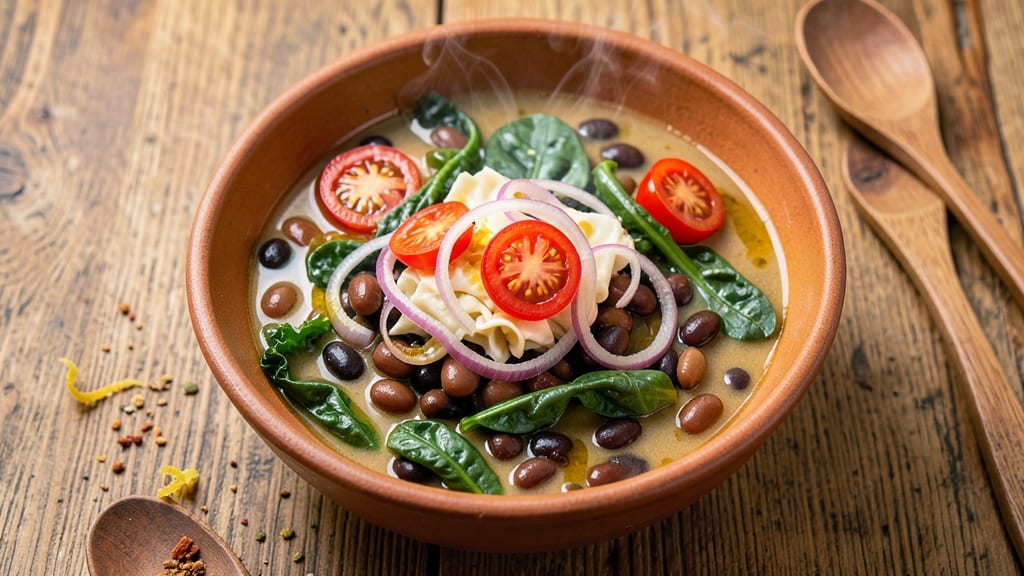
This achi soup recipe delivers the rich, peppery depth of West African home cooking in a single aromatic pot. 🌟 The blend of beans, leafy greens, and bold spices creates a hearty stew that's as nourishing as it is flavorful—a staple across Nigeria, Ghana, and beyond.
What sets this version apart is the balance of heat and earthiness, achieved through careful spice layering and slow simmering.
The foundation of authentic achi soup lies in its core ingredients: black-eyed peas or brown beans, fresh spinach or bitter leaf, and a mix of aromatic spices like thyme, curry powder, and cayenne.
The secret technique involves toasting the spices in oil to deepen their flavors before adding them to the simmering broth. This method transforms simple ingredients into a complex, satisfying dish that feeds both body and soul.
By the time you finish this recipe, you'll have a steaming pot of soup with tender beans, wilted greens, and a rich, pepper-infused broth that's perfect served with jollof rice or garri.
The aroma alone will transport you to bustling West African markets, while the taste delivers restaurant-quality comfort at home. Every spoonful carries layers of tradition and warmth.
This soup adapts beautifully to regional preferences—add more heat for a Nigerian twist or sweeten slightly for a Ghanaian touch. The recipe scales effortlessly for crowds, making it ideal for family gatherings or meal prep. Let's create something truly special in your kitchen today.
Ingredients for achi soup
Six core ingredients transform into a vibrant, peppery West African masterpiece in one aromatic pot.
| Ingredient | Amount | Notes |
|---|---|---|
| Black-Eyed Peas 🌱 | 2 cups | Dried, soaked overnight |
| Brown Beans 🌱 | 2 cups | Dried, soaked overnight |
| Fresh Spinach 🌿 | 4 cups | Packed, stems removed |
| Bitter Leaf 🌿 | 2 cups | Fresh or frozen substitute |
| Onions 🧅 | 2 whole | Yellow or red, chopped |
| Tomatoes 🍅 | 4 whole | Roma or vine-ripened, chopped |
| Garlic Cloves 🧄 | 6 cloves | Peeled, minced |
| Scotch Bonnet Peppers 🌶️ | 2 whole | Seeds removed for mild heat |
| Curry Powder 🌶️ | 2 tbsp | Mild or medium blend |
| Ground Cumin 🌿 | 1 tbsp | Toasted for depth |
| Fresh Thyme 🌿 | 1 tbsp | Leaves only, chopped |
| Cayenne Pepper 🌶️ | 1 tsp | Adjust for heat preference |
| Vegetable Oil 🫒 | ½ cup | For toasting spices |
| Chicken or Vegetable Broth 💧 | 4 cups | Homemade or low-sodium |
| Salt 🧂 | 1 tsp | Kosher or sea salt |
| Black Pepper 🌶️ | ½ tsp | Freshly ground |
The foundation starts with the beans—black-eyed peas or brown beans are traditional, but pinto or kidney beans work too. Soak them overnight to cut cooking time dramatically. For the greens, fresh bitter leaf is ideal (find it at African markets or specialty stores), but spinach or collard greens are excellent substitutes. The onions and tomatoes form the base flavor, so ripe, fresh produce is key—skip the canned tomatoes here. Garlic and Scotch bonnet peppers (or habanero for less heat) are non-negotiable for that signature West African kick. Toast your spices in oil first—this step unlocks their full potential.
No Scotch bonnet? Habanero or jalapeño at half the amount works, but you'll lose some complexity. The curry powder should be mild to medium—Madras or berbere blends from African markets add authentic depth. Fresh thyme is best, but dried at one-third the amount is fine in a pinch. For the broth, homemade chicken or vegetable broth elevates the dish, but low-sodium store-bought versions work too. The tomatoes can be peeled if you prefer a smoother texture—simmer them in hot water for 30 seconds, then drain. Don't skip the salt adjustment at the end; tastes vary by region.
This soup tastes even better the next day as flavors meld. Store in an airtight container in the fridge for up to 4 days. For freezing, portion into containers and freeze for 3 months. I always make a double batch—the leftovers reheat beautifully with a splash of water or broth. The greens will wilt down significantly, so don't be surprised if your pot looks sparse before serving. Trust the process; the final result is always worth it.
Why You'll Love This Recipe
- Pantry-Friendly Powerhouse: I swear by this soup because it’s the kind of meal I can make when my fridge is half-empty. Black-eyed peas and brown beans soak up the broth like sponges, while onions and bitter leaf add depth without needing a grocery run.
- Deep, Earthy Richness: The bitter leaf and spinach might sound polarizing, but trust me—they blend into a savory, umami-packed broth that’s anything but bland. The beans add a satisfying heartiness, and the onions caramelize just enough to give it that irresistible sweetness.
- Meal Prep MVP: This soup tastes even better the next day—honestly, it’s my go-to for batch cooking. I’ll make a big pot on Sundays, and by Wednesday, the flavors have melded into something even more comforting. (Yes, even on a Tuesday night.)
- Budget-Buster Combo: Black-eyed peas and brown beans stretch this soup into a full meal for next to nothing. Add a little oil, onions, and whatever greens you have lying around, and boom—you’ve got a nourishing, filling dish that won’t break the bank.
Step-by-step instructions for achi soup
Transform simple ingredients into a rich, aromatic West African stew with layers of spice and depth.
🔥 Step 1: Toast the Spices and Aromatics
Heat the 0.5 cup vegetable oil in a large pot over medium heat until shimmering. Add the 2 tbsp curry powder, 1 tbsp ground cumin, and 1 tsp cayenne pepper, stirring constantly for 1-2 minutes until the spices release their fragrance and deepen in color.
Next, add the 2 chopped whole onions and cook for 5 minutes until golden brown. This step develops the foundation of your soup's flavor—don't rush it. The onions should caramelize slightly, adding natural sweetness that balances the heat.
🍳 Step 2: Build the Peppery Base
Add the 6 minced garlic cloves and 2 chopped whole tomatoes to the pot, stirring for 3-4 minutes until the tomatoes break down into a thick paste. This creates a rich, concentrated flavor base that will carry through the entire soup.
Now comes the heat: Add the 2 chopped Scotch bonnet peppers (seeds removed for milder heat) and cook for 2 minutes until softened. Here's where the soup gets its signature kick—be careful not to let the peppers burn, as this would make the soup bitter.
👨🍳 Step 3: Add the Legumes and Broth
Drain and rinse the soaked 2 cups black-eyed peas and 2 cups brown beans, then add them to the pot along with the 4 cups chicken or vegetable broth. Bring to a boil, then reduce heat to medium-low and simmer for 45-50 minutes until the beans are tender but not mushy.
I like to check the beans at the 30-minute mark—if they're still firm, cover and continue cooking. The beans should hold their shape but be easily mashed with a fork. This ensures they'll break down slightly during serving, creating a creamy texture in each spoonful.
🥘 Step 4: Incorporate the Leafy Greens
Stir in the 4 cups fresh spinach and 2 cups bitter leaf (if using frozen, thaw and drain first). Cook for 5-7 minutes until the greens wilt completely and the soup thickens slightly. The bitter leaf adds a unique, slightly earthy flavor that balances the richness of the beans.
Season with the 1 tsp salt and 0.5 tsp black pepper, then add the 1 tbsp chopped fresh thyme. Taste and adjust seasoning—achi soup should be bold but balanced. The heat from the Scotch bonnet should be noticeable but not overwhelming, with the earthy undertones of the cumin and thyme complementing the peppery kick.
⏰ Step 5: Rest and Serve
Remove from heat and let the soup sit covered for 10 minutes. This resting period allows all the flavors to meld together, creating a more cohesive taste experience. The soup will thicken slightly as it cools, which is perfect for serving.
Serve hot with crusty bread or steamed rice. The rich, peppery broth should coat each spoonful, with tender beans and vibrant greens in every bite. For extra depth, garnish with fresh thyme leaves or a sprinkle of cayenne pepper for those who crave more heat.
Pro Tips For Making Achi Soup
- SOAK BEANS OVERNIGHT: I learned this the hard way—rushing the soak leaves your brown beans tough as leather. Cover them in water 6+ hours before cooking (or at least 2 hours if you’re desperate), then drain and rinse. The longer they soak, the creamier your soup will turn out.
- SAUTÉ ONIONS LOW: Crank the heat high at first to drive off moisture, then drop it to medium-low. Let those onions caramelize slowly—about 10 minutes—until they’re deep golden, not burnt. Skimp here, and your soup tastes raw; linger, and the flavor sings.
- ADD BITTER LEAF LAST: This isn’t the prettiest method, but it’s the tastiest. Toss in your bitter leaf and spinach together just before serving—no more than 2-3 minutes of simmering. Overcook them, and they turn to mush, killing the soup’s bright, tangy kick.
- SALT THE WATER HARD: Your beans need a proper bath: 1 tablespoon salt per 4 cups of water for soaking, then another ½ tablespoon when cooking. Sounds weird, but it works—it softens the beans faster and keeps the final soup seasoned from the start. (Yes, even if you’re impatient like me.)
Regional styles of this recipe
Nigerian Classic
In Nigeria, achi soup is a beloved staple that often features black-eyed peas as the primary bean. The Nigerian version typically includes palm oil (about ¼ cup) for a richer, deeper color and smoother texture. I like to add 1 tbsp grated ginger alongside the garlic for extra warmth.
The heat level is usually more pronounced, with an additional ½ tsp cayenne pepper sprinkled in at the end. Serve it with pounded yam or fufu for an authentic experience.
Ghanaian Twist
Ghanaian achi soup often incorporates shito (a spicy black pepper sauce) for added complexity. Use 1 tbsp shito (available in African markets) mixed with 2 tbsp water and stir it in during the final 5 minutes of cooking.
The Ghanaians also prefer a slightly sweeter profile, so I add 1 tbsp honey or 1 mashed banana to the greens before wilted. This version pairs beautifully with banku or tuo zaafi.
Liberian Heat
Liberian achi soup leans into bold, fiery flavors with Liberian bird peppers (or Scotch bonnet peppers with seeds left in). The Liberians often include cassava leaves instead of spinach for a more earthy, slightly bitter note.
For an authentic touch, add 1 tsp ground nutmeg to the spice toast. Serve with fufu or white rice to balance the intense heat.
Cameroonian Adaptation
The Cameroonian version of achi soup often includes waterleaf (talinum fruticosum) alongside bitter leaf for a unique, slightly tangy flavor. Toast 1 tsp coriander seeds with the other spices for an extra layer of complexity.
Cameroonians also prefer a thicker consistency, so I reduce the broth by 1 cup before adding the greens. This version is traditionally served with ndolé (bitterleaf stew) on the side for a complete meal.
Diaspora Variations
In the diaspora, achi soup often gets creative adaptations. Some cooks replace bitter leaf with kale or Swiss chard for easier accessibility. For a vegetarian twist, use vegetable broth and add 1 cup diced sweet potato with the beans.
In the UK, I’ve seen versions with smoked paprika for a smoky depth, while in the US, Cajun seasoning is sometimes added for a fusion twist. These adaptations keep the soul of the dish alive while making it accessible to new audiences.
Regional Heat Levels
Heat preferences vary dramatically by region. In Nigeria, the soup is fiery with Scotch bonnet peppers and extra cayenne. Ghana tends to balance heat with sweetness, using honey or mashed plantains. Meanwhile, Liberia and Cameroon go all out on heat, often using multiple peppers and minimal sweetness.
For a milder version, reduce the cayenne to ½ tsp and use jalapeño instead of Scotch bonnet. 🌶️
Nutrition facts
Frequently asked questions
What's the secret to getting the perfect peppery heat in achi soup?
Toast your spices in oil first—this unlocks their full flavor! Cook the curry powder, cumin, and cayenne for 1-2 minutes until fragrant, then caramelize the onions. The Scotch bonnet peppers should be cooked just until softened (2 minutes) to avoid bitterness. For milder heat, remove the seeds and membranes.
Can I make achi soup without bitter leaf?
Bitter leaf is traditional, but spinach, collard greens, or kale work perfectly. For a closer flavor, use waterleaf (talinum) if available. Just add the greens in the final 5-7 minutes of cooking so they wilt without turning mushy.
How do I adjust the soup for a crowd?
Double or triple the recipe—achi soup scales beautifully! For 12 servings, use 4 cups beans, 8 cups greens, and 8 cups broth. Keep the same proportions of spices and cooking times. Serve with extra jollof rice or plantains to stretch the meal further.
Why does my achi soup taste bland?
Most likely, the spices weren't toasted long enough or the heat wasn't balanced. Double-check that you caramelized the onions and toasted the spices until fragrant. Add a pinch of extra cayenne or smoked paprika at the end, and taste as you go—achi soup should be bold!
What's the best way to store leftovers?
Store in an airtight container in the fridge for up to 4 days. For freezing, portion into containers and freeze for 3 months. Reheat gently with a splash of water or broth—never microwave directly from frozen. The flavors actually improve overnight!