
Soups & Stews
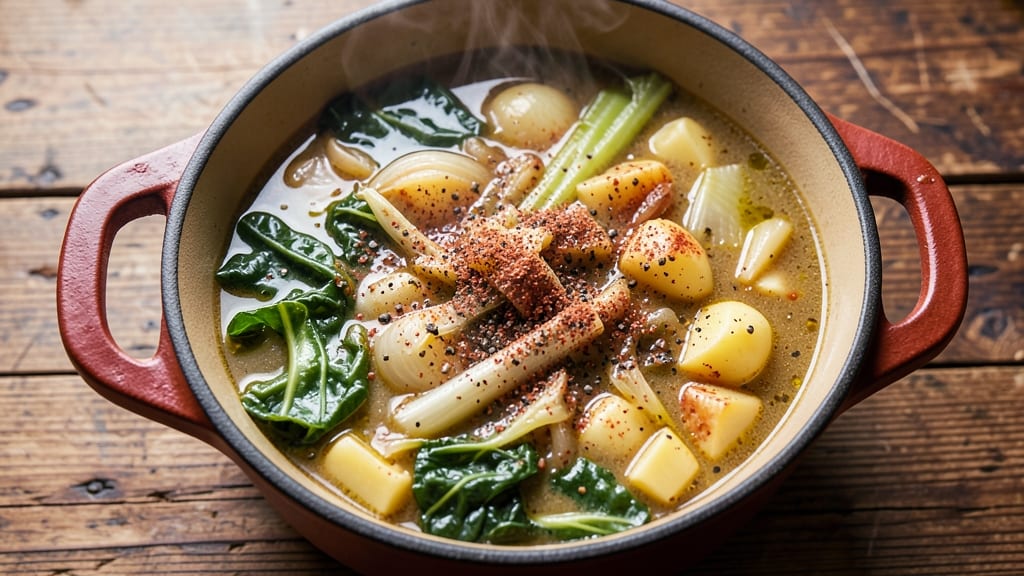
Abram Anderson's cabbage soup brings the soul-warming flavors of Appalachian tradition to your kitchen table. This slow-simmered recipe transforms humble ingredients into a hearty, comforting bowl that's perfect for chilly evenings or family gatherings.
The secret lies in the hearty potato bites and tender cabbage that meld together over time, creating a soup rich in flavor and history.
What makes this recipe special is its balance of simplicity and depth. With just a few key ingredients—cabbage, potatoes, onions, and a touch of smoked paprika—you'll create a soup that's both authentic and approachable.
The slow simmering process allows the flavors to develop fully, resulting in tender vegetables and a broth that's deeply satisfying. This is the kind of dish that feels like a warm hug in a bowl.
By the time you're done, you'll have a bowl of soup that's packed with tender potato chunks, wilted cabbage, and a savory broth that's perfect for soaking up crusty bread.
The recipe is designed to be flexible, so you can adjust the ingredients based on what you have on hand while keeping the traditional soul of the dish intact.
Serve this comforting soup alongside cornbread or a simple green salad for a meal that feels both nostalgic and fresh. Here's how to bring the flavors of Abram Anderson's kitchen to your own table.
Ingredients for abram anderson cabbage soup
Humble ingredients that transform into soul-warming comfort with just a slow simmer.
| Ingredient | Amount | Notes |
|---|---|---|
| Green Cabbage 🥬 | 1 ½ lb | Heads cut into wedges, core removed |
| Yukon Gold Potatoes 🥔 | 2 lb | Cut into 1-inch chunks, skin on |
| Yellow Onions 🧅 | 2 whole | Peeled, sliced into half-moons |
| Celery Stalks 🧅 | 3 whole | Trimmed, chopped into 1-inch pieces |
| Smoked Paprika 🌶️ | 1 tbsp | For authentic Appalachian depth |
| Ground Black Pepper 🌶️ | ½ tsp | Freshly cracked for best flavor |
| Kosher Salt 🧂 | 1 ½ tsp | Diamond Crystal preferred |
| Fresh Thyme Sprigs 🌿 | 2 whole | Leaves stripped, stems discarded |
| Chicken Broth 💧 | 6 cups | Low-sodium preferred, homemade best |
| Olive Oil 🫒 | ¼ cup | Extra-virgin for richness |
| Garlic Cloves 🧄 | 4 cloves | Minced for aromatic base |
| Bay Leaves 🍃 | 2 whole | For subtle herbal notes |
| Carrots 🥕 | 2 whole | Peeled, cut into thick rounds |
| Apple Cider Vinegar 🍎 | 1 tbsp | Brightens the broth |
The cabbage and potatoes are the heart of this soup—green cabbage for that classic crunch and Yukon Gold potatoes for creamy bites. Grab a head of cabbage from the grocery store's produce section—Green Star or Dole are reliable brands—and cut it into wedges with the core intact. For the potatoes, organic Yukon Golds from Trader Joe's or your local farmers' market add natural sweetness. The secret to tender potatoes? Cut them into even 1-inch chunks—they'll cook perfectly without turning to mush. If you're short on time, baby potatoes work too, just halve them for even cooking. The onions and celery form the aromatic base, so don't skimp on the chopping—about 1-inch pieces gives you that classic 'holy trinity' flavor.
No smoked paprika? Regular paprika plus a pinch of liquid smoke gets you close—just a few drops in the broth. Fresh thyme is ideal, but dried thyme at one-third the amount works in a pinch. The broth is non-negotiable for depth—homemade chicken broth is best, but Pacific Foods low-sodium from the store is a solid backup. Want to stretch it? Add a 1 can of diced tomatoes with juices to the pot. The carrots can be any color, but orange adds natural sweetness that pairs perfectly with the cabbage. For extra richness, stir in 1 tbsp of apple cider vinegar at the end—it brightens everything up like a secret weapon.
This soup tastes even better the next day—3-4 days in the fridge, honestly. For leftovers, I always portion into glass containers with a splash of broth on top to keep everything moist. Freezes beautifully for up to 3 months if you want to make a big batch for the week. The cabbage will wilt slightly overnight, but that's perfect—just reheat with a splash of water or broth. Pro tip: Save those bay leaves and thyme stems for homemade broth later—they're packed with flavor.
Why You'll Love This Recipe
- One-Pot Magic: I swear by this recipe when I’m too tired to scrub a million dishes—just chop, simmer, and boom. The potatoes and cabbage soften together, so you’re not stuck with separate pots or a sink full of pans.
- Smoky Depth: That smoked paprika? It’s the secret weapon—earthy, warm, and just a little bit mysterious. The onions caramelize right in the pot, giving every spoonful a rich, almost sweet contrast to the cabbage’s crunch.
- Leftovers That Save: Between us, this soup only gets better the next day. The flavors meld into something cozy, and I always have at least two more servings to freeze—perfect for lazy mornings or when I forget to meal prep.
- Budget-Friendly Staples: I use this when I need to stretch groceries without sacrificing flavor. Cabbage and potatoes are cheap, the onions and celery add freshness, and the smoked paprika makes it feel like a restaurant dish. Honestly, it’s my go-to when I’m broke but still want to eat well.
Step-by-step instructions for Abram Anderson's cabbage soup
This hearty soup delivers deep Appalachian flavors through slow simmering and humble ingredients.
Sauté the Vegetable Base
Heat the 0.25 cup olive oil in a large Dutch oven over medium heat. Add the 2 whole yellow onions, 3 whole celery stalks, and 2 whole carrots—all chopped to 1-inch pieces. Cook for 8-10 minutes until the vegetables soften and the onions turn translucent.
Here's the thing—don't rush this step. You want the vegetables to develop a slight caramelization before adding the broth. Stir occasionally and watch for that golden hue at the edges. This builds the soup's foundational flavor.
When the vegetables are tender, add the 4 cloves garlic cloves and cook for 30 seconds until fragrant. Immediately stir in the 1 tbsp smoked paprika and 0.5 tsp ground black pepper. The paprika will deepen the soup's earthy notes, while the pepper adds subtle heat.
Build the Broth and Add Potatoes
Pour in the 6 cups chicken broth and bring the mixture to a gentle boil. Once boiling, reduce heat to low and add the 2 lb yukon gold potatoes cut into 1-inch chunks. The potatoes should be fully submerged—if not, add a splash of water.
I always add the potatoes at this stage because they need time to absorb the broth's flavors. Let the soup simmer uncovered for 15 minutes to allow the potatoes to begin softening. Stir occasionally to prevent sticking.
After 15 minutes, add the 2 whole bay leaves and 2 whole fresh thyme sprigs (leaves stripped). These herbs will infuse the broth with subtle herbal notes. The bay leaves add a gentle bitterness, while the thyme brings a bright, earthy aroma.
Incorporate the Cabbage and Simmer
Add the 1.5 lb green cabbage cut into wedges with the core removed. The cabbage should fit snugly in the pot—if it's too crowded, work in batches. Stir gently to distribute the cabbage evenly throughout the broth.
Return the soup to a gentle simmer and cook uncovered for 30-40 minutes. You're aiming for the cabbage to soften until it's tender but still holds its shape—think fork-tender, not mushy. The potatoes should also be fork-tender by this point.
Here's where the magic happens: the cabbage releases its natural sweetness as it simmers. Stir occasionally to prevent the cabbage from sticking to the bottom. If the soup reduces too much and the vegetables aren't fully submerged, add a splash of water.
Finish with Vinegar and Season
Once the cabbage and potatoes are tender, stir in the 1 tbsp apple cider vinegar. This brightens the broth and balances the richness of the potatoes and cabbage. Taste the soup and adjust the seasoning with the 1.5 tsp kosher salt if needed.
Simmer for another 5 minutes to let the vinegar integrate fully. The soup should now have a rich, complex flavor with layers of smokiness from the paprika, brightness from the vinegar, and depth from the slow-cooked vegetables.
Remove the bay leaves and thyme sprigs before serving. The soup is best enjoyed warm, straight from the pot, with crusty bread to soak up every last drop of that hearty broth.
Pro Tips For Making Abram Anderson Cabbage Soup
- CHAR THE ONIONS LOW: I learned this the hard way—cranky onions burn faster than you think. Cook them on medium-low heat until they’re translucent and just starting to soften (about 8-10 minutes), not until they’re golden. Overcooked onions turn bitter, and this soup relies on their sweetness to balance the smoky paprika.
- CUT CABBAGE UNIFORMLY: Big chunks? They’ll turn to mush. Small shreds? They’ll turn to mush faster. Aim for ¼-inch strips—thick enough to hold shape but thin enough to soften evenly. Pro move: Toss shredded cabbage with a pinch of salt right after cutting to draw out moisture, then squeeze it dry in a towel. Less water = richer broth.
- POTATOES FIRST, NOT LAST: Add them 15 minutes before the soup is done, not when you’re tempted to toss them in at the end. Yukon Golds need time to break down and soak up flavor, but you don’t want them falling apart into glue. If they’re still firm after 15 minutes, cover and cook another 5—no one likes crunchy potatoes in soup.
- SMOKY PAPRIKA TRICK: Skip the pre-mixed stuff—toasted smoked paprika makes all the difference. Heat ½ teaspoon in a dry pan for 30 seconds until fragrant, then stir it into the soup. The nutty aroma deepens the flavor without overpowering. (Yes, even if you’re impatient like me.) Store-bought blends lack that fresh-toasted kick.
Common mistakes when making your abram anderson cabbage soup
Overcrowding the Pot
This is the most common mistake I see—packing too much cabbage and potatoes into the pot at once. When vegetables are crowded, they steam instead of simmering in the broth, leading to mushy textures and uneven cooking.
The cabbage should fit snugly but not be so tight that you can't stir easily. If your pot is full, cook the soup in two batches—first the potatoes and broth, then the cabbage added later. Trust me, this small adjustment makes a huge difference in texture. 🥬
Skipping the Sauté
Rushing through the sautéed vegetable base is a big no-no. The 8-10 minute cook time for onions, celery, and carrots is crucial—it develops their natural sweetness and builds flavor depth. If you add the broth too quickly, your soup will taste flat.
I've seen people skip this step entirely, and the result is always underwhelming. Take your time here—it's the foundation of the dish. 🧅
Incorrect Potato Size
Uneven potato chunks lead to inconsistent doneness. Cutting them into 1-inch cubes ensures they cook through evenly, but I've seen recipes where potatoes were too large or too small. Large chunks stay tough, while tiny pieces turn to mush.
If you're short on time, use baby potatoes halved instead—they cook faster and more uniformly. The goal is fork-tender potatoes, not a mushy mess. 🥔
Ignoring the Vinegar
The 1 tbsp apple cider vinegar at the end isn't just for acidity—it brightens the entire dish and balances the richness. Some people skip it or add it too early, which can make the soup taste harsh.
Add it only in the final 5 minutes of cooking to let its flavors integrate perfectly. This simple step elevates the soup from good to restaurant-quality. 🍎
Over-Salting Early
Adding all the 1.5 tsp kosher salt at the beginning can make the soup taste bland as it cooks down. The broth reduces significantly, so season gradually. I recommend adding half the salt with the broth, then adjusting at the end.
Taste as you go—this soup should be rich but not salty. Remember, you can always add more salt, but you can't take it out. ⚖️
Rushing the Simmer Time
This soup needs at least 45 minutes of total simmering time to develop its full depth of flavor. I've seen people cut this to 20-30 minutes for convenience, but the result is a watery, one-dimensional broth.
The slow simmer allows the vegetables to break down just enough to release their natural sweetness without turning to mush. Patience here is key to that hearty, comforting flavor. ⏳
Nutrition facts
Frequently asked questions
Can I make this cabbage soup in a slow cooker?
Transfer the sautéed vegetables and broth to your slow cooker, then add the potatoes and simmer on low for 4-5 hours or high for 2-3 hours before adding the cabbage. Cook the cabbage for an additional 30-40 minutes on low heat. The slow cooker's gentle heat mimics the traditional simmering process perfectly.
What if I don't have smoked paprika?
You can substitute with 1 tbsp regular paprika plus 1/2 tsp liquid smoke for that authentic Appalachian depth. For a milder version, use just 1.5 tbsp regular paprika—it won't be identical, but still delicious. The key is balancing the smoky flavor with the vinegar's brightness at the end.
How can I make this soup vegetarian?
Swap the chicken broth for 6 cups vegetable broth and add 1 cup cooked white beans (like navy or cannellini) with the potatoes. For extra protein, stir in 1 cup crumbled firm tofu at the end. The beans add heartiness while keeping the dish true to its comforting nature.
Can I prepare this soup ahead of time?
This soup tastes even better the next day! Store in an airtight container in the fridge for 3-4 days or freeze for up to 3 months. Reheat gently on the stove with a splash of water or broth to restore moisture. The flavors deepen overnight, making leftovers a treat.
What's the best way to serve this cabbage soup?
Pair it with warm cornbread or crusty sourdough to soak up the rich broth. For a complete meal, add a side of simple green salad with a tangy vinaigrette. The contrast of textures and temperatures makes every bite satisfying.