
Soups & Stews
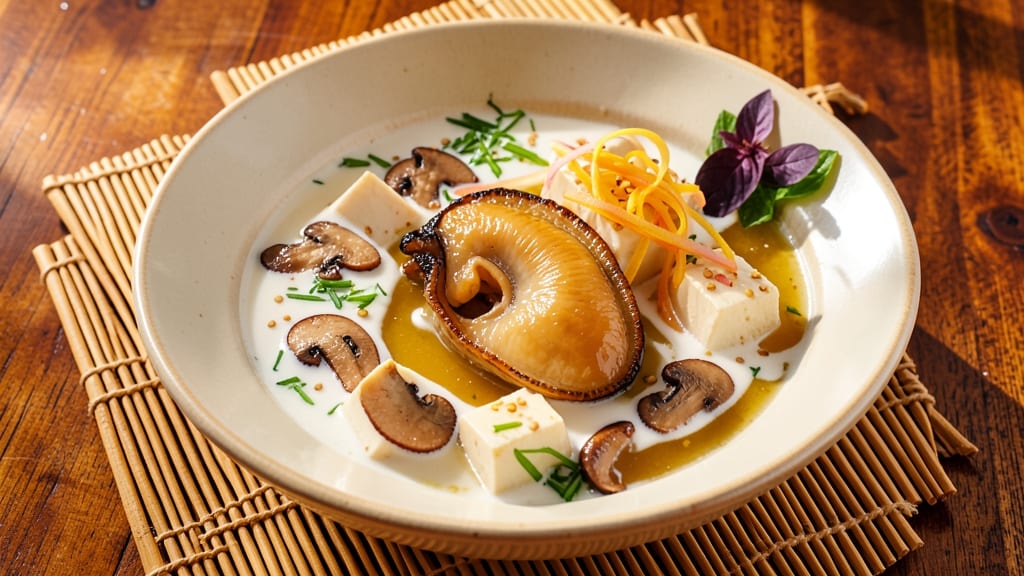
This abalone soup recipe Hawaii brings the islands' rich flavors to your kitchen with a velvety coconut-lemongrass broth that perfectly complements tender abalone. The secret lies in braising the abalone just until it's tender yet firm, then simmering it in a fragrant broth infused with lemongrass, ginger, and coconut milk.
This dish captures Hawaii's love for fresh seafood and aromatic spices, creating a dish that's both elegant and comforting.
The recipe balances traditional Hawaiian ingredients with approachable techniques, making it perfect for both seafood lovers and home cooks. You'll start with a fragrant broth base that builds depth through slow simmering, while the abalone absorbs the rich flavors without becoming rubbery.
The addition of mushrooms and tofu adds texture and plant-based substance, ensuring this soup satisfies everyone at the table.
What you'll end up with is a luxurious yet approachable soup—creamy from coconut milk, aromatic from lemongrass and ginger, and rich with the briny sweetness of abalone. The velvety texture and balanced flavors make it ideal for special occasions or a cozy weeknight dinner when you want something truly special.
Each spoonful delivers a taste of Hawaii's coastal cuisine.
This abalone soup works beautifully as a main dish or appetizer, especially when paired with steamed jasmine rice or crusty Hawaiian rolls. The recipe is designed to be adaptable—swap in other seafood like shrimp or scallops if abalone isn't available, or adjust the spice level to suit your preference.
Here's how to create this island-inspired masterpiece in your own kitchen.
Ingredients for abalone soup recipe hawaii
Creamy coconut milk meets briny abalone in this island-inspired soup. Just 14 ingredients for a dish that feels luxurious yet approachable.
| Ingredient | Amount | Notes |
|---|---|---|
| Fresh Abalone 🦪 | 12 oz | Cleaned, sliced into bite-sized pieces |
| Coconut Milk 🥥 | 1 ½ cups | Full-fat, canned preferred |
| Lemongrass Stalks 🌿 | 3 whole | Bruised, cut into 2-inch pieces |
| Fresh Ginger 🧄 | ½ cup | Finely chopped, peeled |
| Shiitake Mushrooms 🍄 | 8 oz | Sliced, stems removed |
| Firm Tofu 🧀 | 8 oz | Pressed, cubed |
| Green Onions 🧅 | 4 whole | Sliced, white and green parts |
| Garlic Cloves 🧄 | 6 cloves | Minced |
| Fish Sauce 🍶 | 1 tbsp | Red Boat preferred |
| Soy Sauce 🍶 | 2 tbsp | Low-sodium preferred |
| Sesame Oil 🫒 | 1 tbsp | Toasted, for finishing |
| Vegetable Oil 🫒 | 2 tbsp | For searing |
| Sea Salt 🧂 | 1 ½ tsp | Kosher preferred |
| White Pepper 🌶️ | ½ tsp | Freshly ground |
Abalone is the star here, so look for fresh, sushi-grade quality—ask your fishmonger for the tenderest pieces. Costco or Whole Foods usually carry it, but if you can't find it, scallops or shrimp work in a pinch. The coconut milk should be full-fat (none of that light stuff)—Thai Kitchen brand is my go-to. Lemongrass and ginger are non-negotiable for that authentic Hawaiian aroma. Grab fresh stalks at an Asian market if possible—they're more potent than bottled paste. For the mushrooms, shiitake gives the best umami, but cremini or oyster will do.
No lemongrass? Lime zest plus a splash of lime juice adds brightness. Fresh ginger too expensive? Ground ginger at half the amount works, but you'll lose that fresh zing. Running low on fish sauce? Soy sauce plus a pinch of sugar mimics the depth. The tofu can be swapped for extra-firm tofu pressed for 30 minutes—just cube it smaller so it cooks faster. For extra richness, stir in 1 tbsp of coconut cream at the end. And if you're feeling lazy, pre-minced garlic from the jar saves time without sacrificing flavor.
This soup tastes even better the next day—make a double batch and freeze half. Store leftovers in airtight containers for 3-4 days in the fridge, or freeze for up to 3 months. Reheat gently on low heat, stirring in a splash of water if it gets too thick. The abalone absorbs flavors beautifully, so don't skip the final touch of sesame oil and green onions—they brighten everything up. Serve with steamed jasmine rice to soak up every last drop of that velvety broth.
Why You'll Love This Recipe
- One-Pot Magic: I swear by this recipe because it’s all in one pot—no chopping chaos, no extra bowls. Toss in the abalone, shiitakes, and ginger, then let the coconut milk and lemongrass do their thing while you sip your drink. Honestly, the hardest part is waiting for it to simmer.
- Umami Bomb: That first sip? Chef’s kiss. The abalone melts into the broth like silk, while the shiitakes add this deep, earthy punch. The ginger and lemongrass brighten it up so it’s rich but never heavy—like a hug in a bowl.
- Weeknight or Dinner Party: Make a big batch on Sunday and reheat it all week—it tastes just as good cold, too. Or impress your guests with this fancy-but-easy dish that actually feeds them. (Yes, even on a Tuesday night.)
- Budget Luxury: Abalone might sound fancy, but you’re using one piece to flavor the whole pot—no waste. The rest is coconut milk, mushrooms, and pantry staples. Fancy flavors without the grocery-shock price tag.
Step-by-step instructions for spiced coconut-lemongrass abalone soup
Here's how to craft this Hawaiian-inspired abalone soup with rich coconut milk and fragrant lemongrass.
Prepare the Aromatic Base
Heat the 2 tablespoons vegetable oil in a large pot over medium heat. Add the 3 whole lemongrass stalks (cut into 2-inch pieces) and 0.5 cup fresh ginger (finely chopped). Sauté for 3-4 minutes until the ginger becomes fragrant and the lemongrass releases its citrusy aroma.
Next, add the 6 cloves garlic cloves (minced) and 8 oz shiitake mushrooms (sliced). Cook for another 4-5 minutes until the mushrooms soften and the garlic turns golden. This aromatic base forms the flavor foundation of your soup, so don't rush this step.
Sear the Abalone and Tofu
Push the aromatics to one side of the pot and add the 12 oz fresh abalone (sliced into bite-sized pieces) and 8 oz firm tofu (cubed) to the empty space. Let them sear for 2-3 minutes until the abalone develops a light golden crust and the tofu becomes slightly crispy.
Here's the thing—searing the abalone first prevents it from becoming rubbery later. Once the abalone is lightly browned, stir everything together in the pot and add 1.5 teaspoons sea salt and 0.5 teaspoon white pepper. This seasoning will penetrate the abalone and tofu beautifully during the simmering process.
Build the Creamy Coconut Base
Pour in the 1.5 cups coconut milk and bring the mixture to a gentle simmer over medium-low heat. Let it cook uncovered for 10-12 minutes, stirring occasionally, until the soup thickens slightly and the abalone becomes tender when pierced with a fork.
You'll know it's ready when the soup coats the back of a spoon and the abalone releases easily from the bone. The coconut milk should be fully incorporated, creating a velvety texture that balances the earthy mushrooms and delicate abalone.
Finish with Flavor and Garnish
Remove the pot from heat and stir in the 1 tablespoon fish sauce and 2 tablespoons soy sauce. Let the soup sit for 2 minutes to allow the flavors to meld together. Then, drizzle in the 1 tablespoon sesame oil and gently stir to finish.
Divide the soup among bowls and garnish with the 4 whole green onions (sliced). Serve immediately while the abalone is still warm and the coconut milk maintains its creamy consistency. This is where all the flavors come together—don't skip the garnish, as it adds a fresh contrast to the rich soup.
Pro Tips For Making Abalone Soup Recipe Hawaii
- Sear the Abalone First: Toss it in a screaming-hot pan with just a drizzle of oil for 30 seconds per side before adding liquid—this locks in flavor and keeps it from turning to mush. I used to skip this, and the soup always tasted underwhelming until I realized the abalone needed that quick crust.
- Slice Ginger Thinly: No, not julienned—thinly sliced (about 1/8-inch thick) so it infuses the broth without turning it into a ginger slurry. My grandmother swore by this, and she was right: you want aroma, not a muddy soup.
- Simmer, Don’t Boil: Once everything’s in the pot, keep the heat low enough that you barely see bubbles—hardly a simmer, more like a lazy ripple. I learned this the hard way after overcooking the abalone into rubbery disappointment.
- Use Coconut Milk Last: Stir it in just before serving so the soup stays creamy, not curdled. The heat breaks it down fast, and adding it early turns your rich broth into a sad, separated mess. (Yes, even if you’re impatient like me.)
Regional styles of abalone soup recipe hawaii
Traditional Hawaiian Style
The classic Hawaiian approach focuses on fresh seafood and tropical aromatics, using coconut milk as the creamy base instead of dairy. Traditional versions often include taro leaves or spinach for texture, but this recipe keeps it simple with mushrooms and tofu.
The key is balancing umami from fish sauce with the sweetness of coconut milk—this combo is quintessential in Hawaiian seafood dishes. 🌺
Authentic versions might also incorporate lilikoi (passion fruit) or lime juice for brightness, but I find the lemongrass and ginger already provide that citrusy kick. If you want to stay true to the islands, look for Hawaiian-grown coconut milk (like Hawaiian Gold brand) for a more localized touch.
The abalone should be lightly seared to maintain its delicate texture—overcooking turns it rubbery, which ruins the whole dish.
Modern Fusion Twist
For a contemporary take, swap the tofu for crispy pork belly or shrimp to make it more approachable for non-vegetarians. I've also seen versions with miso paste added to the broth for extra depth—just 1 teaspoon white miso at the end enhances the umami without overpowering.
Another fun twist is adding chili crisp for heat, especially if you're serving it at a luau-style gathering. 🔥
If you're feeling adventurous, try smoked salt (like Maldon) instead of regular sea salt—it adds a subtle smokiness that pairs beautifully with the coconut. For a visual upgrade, garnish with edible flowers or toasted coconut flakes to make it look as stunning as it tastes.
The modern approach keeps the soul of Hawaiian flavors while making it more adaptable to different tastes.
Local Ingredient Swaps
Hawaii's markets offer unique ingredients that elevate this dish. Use Hawaiian-grown lemongrass (often sold at farmers' markets) for a more potent flavor. For the mushrooms, local oyster mushrooms add a meatier texture.
If you can't find abalone, Hawaiian lobster or opihi (limpet) work as stunning substitutes—just adjust cooking time since they're more delicate. 🦞
For a true island experience, serve with Hawaiian sweet rolls or poi (taro paste) on the side. The poi adds a slightly sweet, starchy contrast that balances the rich soup.
If you're near the coast, ask local fishermen for fresh opihi—it's a prized shellfish in Hawaii that adds a briny, slightly sweet flavor. The key is to keep the dish light yet flavorful, just like authentic Hawaiian cuisine.
Spice Level Adjustments
Traditional Hawaiian abalone soup is mild, but you can easily adjust the heat. For a mild version, skip the chili crisp and stick to the sesame oil. If you love spice, add 1 teaspoon of gochujang (Korean chili paste) at the end for a sweet-spicy kick.
Another option is fresh Thai bird's eye chilies—just ½ teaspoon minced adds heat without overpowering the coconut. 🌶️
For a smoky version, add ½ teaspoon of liquid smoke (like La Choy) when you stir in the fish sauce. It mimics the flavors of a Hawaiian luau grill and adds depth.
If you're serving this to kids or sensitive eaters, reduce the fish sauce to ½ tablespoon and add a pinch of sugar to balance the saltiness. The goal is to keep the dish versatile while staying true to its Hawaiian roots.
Nutrition facts
Frequently asked questions
Can I substitute abalone with another seafood in this Hawaiian soup?
If you can't find abalone, scallops, shrimp, or Hawaiian lobster work beautifully. For scallops, sear them for just 1-2 minutes per side until golden—they cook faster than abalone. Shrimp should be added toward the end of cooking to avoid overcooking.
How do I know when the abalone is properly cooked?
The abalone is done when it's opaque and tender but still holds its shape when pierced with a fork. It should take about 10-12 minutes of simmering in the coconut broth. Overcooking makes it rubbery, so check it early—it continues cooking slightly after being removed from heat.
Can I make this soup ahead of time?
Yes! This soup actually tastes better the next day as the flavors meld. Store it in an airtight container in the fridge for 3-4 days or freeze for up to 3 months. Reheat gently on low heat, adding a splash of water if it thickens too much. The abalone stays tender when reheated slowly.
What's the best way to serve this Hawaiian abalone soup?
Serve it piping hot with steamed jasmine rice or Hawaiian sweet rolls on the side. For extra authenticity, add a dollop of poi (taro paste)—its slightly sweet, starchy texture balances the rich coconut broth perfectly. Garnish with extra green onions and a drizzle of sesame oil right before serving.
Why does my soup taste too salty?
The fish sauce and soy sauce combo can make it salty if you're sensitive to salt. Taste as you go and adjust by adding 1-2 tablespoons of coconut milk at the end—it dilutes the saltiness while keeping the creamy texture. For a milder version, reduce fish sauce to ½ tablespoon and add a pinch of sugar to balance.