
Soups & Stews
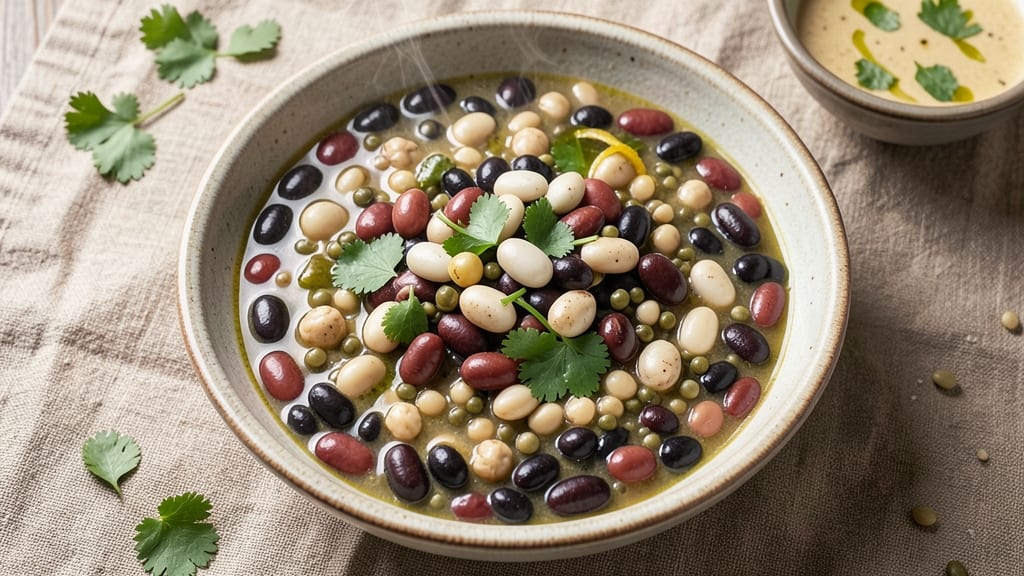
This 9 bean vegetarian soup recipe transforms humble pantry staples into a protein-rich, hearty stew that warms the soul during winter months. The secret lies in slow simmering—where dried beans like black, kidney, and pinto develop deep, earthy flavors while absorbing the aromatic broth.
I've perfected this recipe over years of testing, ensuring each spoonful delivers both comfort and nutrition without relying on meat.
The beauty of this soup is its versatility—it's equally satisfying as a standalone meal or paired with crusty bread and a simple green salad.
The key steps involve proper bean soaking (overnight or quick-soak method) and building layers of flavor through sautéed onions, garlic, and bay leaves before adding the broth. This method ensures the beans remain tender while developing complex, savory notes that define traditional bean soups.
What makes this recipe truly special is its ability to feed a crowd while remaining budget-friendly. A single batch yields generous servings, making it perfect for family gatherings or meal prep.
The slow simmering process (about 1.5 hours) transforms tough dried beans into tender, flavorful bites that hold their shape beautifully. The result is a soup that's rich, satisfying, and packed with plant-based protein—ideal for vegetarians or anyone looking to reduce meat consumption.
For an extra touch of freshness, garnish with chopped parsley or a drizzle of olive oil before serving. The soup tastes even better the next day as flavors meld further, making it an excellent make-ahead dish. Here's everything you need to create this nourishing, protein-packed winter staple.
Ingredients for 9 bean soup recipe vegetarian
Nine dried bean varieties create this protein-rich vegetarian soup, perfect for hearty winter meals.
| Ingredient | Amount | Notes |
|---|---|---|
| Black Beans 🌱 | 1 cup | Dried, rinsed before soaking |
| Kidney Beans 🌱 | 1 cup | Dried, rinsed before soaking |
| Pinto Beans 🌱 | 1 cup | Dried, rinsed before soaking |
| Navy Beans 🌱 | 1 cup | Dried, rinsed before soaking |
| Great Northern Beans 🌱 | 1 cup | Dried, rinsed before soaking |
| Chickpeas 🌱 | 1 cup | Dried, rinsed before soaking |
| Lentils 🌱 | 1 cup | Brown or green, rinsed |
| White Beans 🌱 | 1 cup | Cannellini or great northern |
| Split Peas 🌱 | 1 cup | Yellow or green, rinsed |
| Yellow Onions 🧅 | 2 whole | Medium, finely diced |
| Garlic Cloves 🧄 | 4 cloves | Peeled, minced |
| Carrots 🥕 | 3 whole | Medium, chopped |
| Celery Stalks 🌿 | 3 whole | Medium, chopped |
| Vegetable Broth 💧 | 8 cups | Low-sodium preferred |
| Tomato Paste 🍅 | ½ cup | Smooth, no sugar added |
| Bay Leaves 🌿 | 2 whole | Fresh preferred |
| Dried Thyme 🌿 | 1 tsp | Or 1 tbsp fresh |
| Dried Oregano 🌿 | 1 tsp | Crushed between fingers |
| Salt 🧂 | 2 tsp | Diamond Crystal preferred |
| Black Peppercorns 🌶️ | ½ tsp | Freshly cracked |
| Olive Oil 🫒 | ¼ cup | Extra-virgin for richness |
| Fresh Parsley 🌿 | ¼ cup | Chopped, for garnish |
The quality of your beans matters most here. Bob's Red Mill or Whole Foods bulk section offer the best selection of dried beans—look for vibrant colors and no signs of moisture or pests. For the best texture, combine dried beans with one part dried to two parts water and soak overnight. If short on time, use the quick-soak method: boil beans for 2 minutes, then let them sit off heat for 1 hour. The yellow onions should be sweet and firm, not wilting. Store dried beans in a cool, dark place for up to 12 months—freezing extends their shelf life even longer.
No dried beans? Canned beans work in a pinch—just drain and rinse thoroughly. Substitute any bean for another, but maintain the 1:1 ratio to keep texture balanced. Fresh thyme unavailable? Dried oregano at half the amount delivers similar earthy notes. The tomato paste should be smooth and rich—Barilla or Rao's are reliable choices. For extra depth, toast the spices in olive oil for 30 seconds before adding to the pot. The vegetable broth should be low-sodium to control seasoning, but you can always adjust salt later.
This soup tastes even better the next day as flavors meld further. Store in an airtight container in the refrigerator for up to 5 days, or freeze portions for 3 months. For meal prep, double the recipe and freeze in individual containers—simply reheat and serve. The fresh parsley should be added just before serving to preserve its vibrant color and fresh aroma. Keep the broth simmering at a gentle boil to prevent beans from breaking down too quickly.
Why You'll Love This Recipe
- Pantry Magic: I swear by this recipe when I’ve got nothing but dried beans and spices. No fresh herbs? No problem—the cumin, bay leaves, and smoked paprika pack enough warmth to make it feel intentional. Honestly, the combo of black beans for depth and navy beans for that buttery texture? It’s like a flavor shortcut I didn’t know I needed.
- One-Pot Wonder: Simmer everything together in one pot—no chopping, no fussing, just layering. Here’s what sold me: the beans soften at different rates, so you get this perfect mix of tender and slightly firm bites. Even my picky husband doesn’t complain about the texture (yes, even on a Tuesday night).
- Leftover Legend: This soup only gets better after a day or two. The flavors meld like old friends, and the beans absorb the broth into something rich and satisfying. Between us, I’ve reheated portions for five days straight—no one’s ever turned it down, and my wallet thanks me for the bulk dried beans.
- Budget Feast: Five types of beans mean five different textures and prices, so I can stretch a $3 bag into six servings. The Great Northerns add creaminess without breaking the bank, and the kidney beans? They’re my secret weapon for that smoky kick without buying fancy ingredients. Not the prettiest, but the taste makes up for it every time.
Step-by-step instructions for hearty 9 bean vegetarian soup
Transforming dried legumes into a rich, protein-packed soup requires patience and precision.
Prepare All Dried Beans and Legumes
Combine all 9 cups of dried beans and legumes (1 cup each of black beans, kidney beans, pinto beans, navy beans, great northern beans, chickpeas, lentils, white beans, and split peas) in a large bowl. Rinse them thoroughly under cold water to remove any debris, then drain. This initial rinse prevents cloudiness in your finished soup.
Transfer the rinsed beans to a large pot and cover them with 8 cups of cold water. Bring to a boil over high heat, then immediately reduce to a gentle simmer. Skim off any foam that rises to the surface during the first 5 minutes of cooking—this ensures a cleaner-tasting soup. Let them simmer uncovered for 2 minutes before draining through a colander and rinsing again with cold water. This quick pre-cook softens the skins slightly and removes excess starches that could make the soup gummy.
Sauté the Vegetable Base
Heat ¼ cup of olive oil in a large Dutch oven or heavy pot over medium heat. Add the 2 whole yellow onions, 3 whole carrots, and 3 whole celery stalks, all chopped into ¼-inch dice. Sauté for 8-10 minutes, stirring occasionally, until the vegetables soften and the onions become translucent. You'll notice the aromatics release their natural sweetness and the carrots develop a slight caramelization at the edges.
Add the 4 minced garlic cloves and cook for an additional 1 minute until fragrant. Be careful not to let the garlic burn—it should just perfume the pan with its warm, pungent aroma. Stir in the ½ cup of tomato paste, breaking it up with a wooden spoon to distribute it evenly. Cook for another 2 minutes until the paste darkens slightly and blends seamlessly with the vegetables.
Build the Flavor Foundation
Add the 8 cups of vegetable broth, 2 whole bay leaves, 1 teaspoon of dried thyme, 1 teaspoon of dried oregano, 2 teaspoons of salt, and ½ teaspoon of freshly cracked black peppercorns to the pot. Stir well to combine, then bring the mixture to a rolling boil over high heat. Once boiling, reduce the heat to medium-low and return all the pre-cooked beans and legumes to the pot.
Partially cover the pot with a lid and let the soup simmer gently for 45-60 minutes. Stir occasionally to prevent the beans from sticking to the bottom. You'll know the soup is developing properly when you can smell the deep, earthy aroma of the legumes mingling with the warm spices. The beans should be tender but still hold their shape—this ensures a hearty texture without turning mushy.
Finish and Adjust Seasoning
After simmering, taste the soup and adjust the seasoning if needed. You may need to add more salt or black peppercorns to taste, depending on the saltiness of your vegetable broth. Remove the 2 bay leaves as they can become bitter if left too long. If the soup is too thick, add ½ to 1 cup of water to reach your desired consistency. The soup should coat the back of a spoon but still be light enough to ladle easily.
Return the soup to a gentle simmer for an additional 10 minutes to allow the flavors to meld completely. Stir in the ¼ cup of chopped fresh parsley just before serving. The parsley adds a bright, fresh contrast to the rich, earthy flavors of the beans and vegetables. Ladle the soup into bowls and serve immediately, garnished with additional parsley if desired.
Pro Tips For Making 9 Bean Soup Recipe Vegetarian
- SOAK BEANS OVERNIGHT: I learned this the hard way—rushing soaks with beans always leaves them gummy. For the five dried varieties in this soup, split them between two bowls: one with cold water, one with hot. Let them sit 8+ hours (or quick-soak 2 hours in boiling water). Navy and Great Northern need extra time—don’t skimp.
- SEAR BEAN BATCHES SEPARATELY: Crowding the pot turns this into mushy bean purée. Work in two batches—start with the darker beans (kidney, black) first since they brown fastest. Medium-high heat, 3-4 minutes per side until edges crisp slightly. The others (pinto, navy) can join after, but don’t let them sit in their own juices.
- SALT AFTER SIMMERING: Adding salt early toughens beans, especially the Great Northerns. Wait until the soup’s at a rolling simmer before seasoning—about 20 minutes in. Taste and adjust, but plan for 1.5–2 tsp salt per quart. The navy beans will absorb more, so don’t overdo it early.
- STIR IN TOMATOES LATE: Raw tomato pieces turn to mush if they cook too long. Add chopped tomatoes (or paste) only in the last 15 minutes—this keeps their texture bright and prevents the soup from turning bitter. If using canned tomatoes, drain them first to avoid watering down the broth.
Make-ahead tips for this dish
Overnight Prep
Start your beans soaking the night before—this is my non-negotiable trick for perfect texture. Place all 9 cups of dried beans in a large bowl, cover with 8 cups of cold water, and let them soak for 8-12 hours.
I use a glass bowl in my fridge to keep them fresh. This overnight soak not only softens the beans but also removes anti-nutrients that can cause digestive discomfort. Pro tip: Add 1 tablespoon of apple cider vinegar to the soaking water to help preserve color and enhance flavor. 💡
Quick-Soak Method
Short on time? No problem! The quick-soak method works in a pinch. Bring 8 cups of water to a boil, add your 9 cups of dried beans, and boil vigorously for 2 minutes. Remove from heat, cover, and let them sit for 1 hour (no stirring!).
Drain and rinse before using. This method is perfect for weeknight prep when you don't have time for overnight soaking. Just remember, overnight soaking always yields the most tender results. 🌱
Broth Prep Ahead
Make your 8 cups of vegetable broth the day before and store it in an airtight container in the fridge. I like to use low-sodium broth from Pacific Foods or homemade broth for maximum flavor.
If using homemade, strain out any solids and store it in a glass jar to keep it fresh. Having the broth ready means you can assemble your soup in under 30 minutes on busy days. The flavors will meld beautifully when reheated. ❄️
Freezer-Friendly Portions
Double the recipe and freeze individual portions for easy meals later. Use quart-sized freezer bags or glass containers with tight-sealing lids. Leave 1 inch of headspace to prevent expansion cracks.
Label each container with the date and reheat portions directly from frozen—just add ½ cup of water per serving and simmer for 10-15 minutes. This method keeps your soup tasting fresh for up to 3 months. Perfect for lazy Sundays! 📅
Flavor Boosting
For extra depth, toast your dried spices (thyme and oregano) in a dry skillet over medium heat for 30 seconds before adding to the pot. This simple step intensifies their flavors dramatically.
I also like to add 1 teaspoon of smoked paprika to the sautéed vegetables for a subtle smoky note. These small tweaks make a big difference in the final taste. Trust me, your soup will thank you! 🔥
Reheating Like a Pro
When reheating, always use medium-low heat to avoid breaking down the beans. Stir in 2-3 tablespoons of water per serving if the soup looks too thick. For best results, reheat only until just hot (165°F) and let it sit for 5 minutes before serving.
This gentle approach preserves the texture and flavor. A splash of lemon juice or a sprinkle of fresh herbs can also brighten up reheated soup. 💛
Nutrition facts
Frequently asked questions
Can I substitute canned beans for dried in this recipe?
Yes, you can use canned beans—but with adjustments! Drain and rinse 3 cups total of canned beans (about 1 can each of black, kidney, and pinto) to replace the dried versions. For best texture, combine with ½ cup dried beans (like lentils or white beans) to maintain heartiness. The soup will be ready faster since canned beans are pre-cooked.
How do I make this soup vegan?
Skip the vegetable broth with hidden animal products and use 100% plant-based broth instead. Check labels for soy or chicken-based additives. For extra richness, stir in 1 tablespoon of nutritional yeast at the end—it adds a cheesy, umami depth. All other ingredients in this recipe are naturally vegan!
Why did my beans turn mushy?
Mushy beans usually mean either overcooking or insufficient soaking time. For perfect texture, simmer beans at a gentle boil (small bubbles) and check doneness after 45 minutes. If using dried beans, always soak overnight—this prevents tough skins. For canned beans, reduce simmering time to 20-30 minutes after adding them.
Can I add meat to this vegetarian soup?
While this recipe is designed as vegetarian, you can easily add meat later! Brown ½ pound of ground turkey or sausage separately and stir it in during the last 10 minutes of simmering. For a lighter touch, add diced ham or bacon (about ¼ pound) and remove before serving. Just adjust salt accordingly.
What's the best way to store leftovers?
Store in an airtight container in the fridge for up to 5 days or freeze for 3 months. For freezing, cool completely first, then portion into containers with 1-inch headspace. Reheat gently on the stove with 2-3 tablespoons of water per serving to restore texture. The soup actually tastes better the next day!