
Soups & Stews
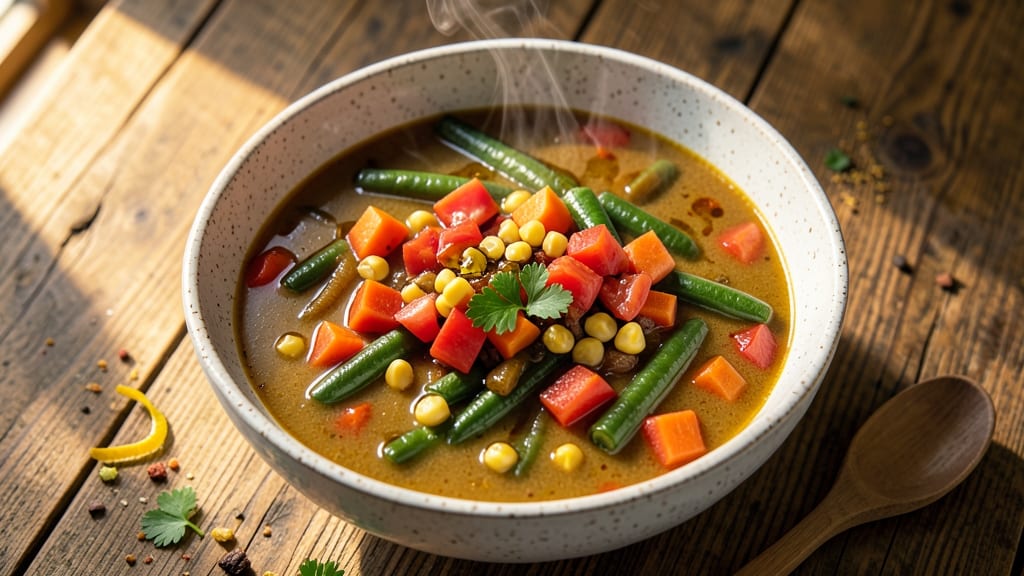
This 5-can vegetable soup recipe proves hearty meals don't require fresh ingredients or hours in the kitchen.
When I discovered how simple it is to transform pantry staples into a rich, flavorful soup in just 30 minutes, I knew it would become a go-to for busy weeknights and budget-conscious cooks alike.
The magic lies in balancing canned vegetables with aromatic spices and a simple broth base, creating depth that rivals homemade versions.
The beauty of this recipe is its flexibility—no two batches will taste exactly alike, and that's exactly what makes it special. You'll start with five cans of vegetables (think corn, green beans, carrots, and tomatoes) that form the foundation, then build layers of flavor with garlic, onion, and herbs.
The key technique involves sautéing the aromatics until fragrant before adding the vegetables and broth, which ensures every spoonful is packed with savory goodness.
What you'll end up with is a warm, comforting soup that's perfect for chilly days or whenever you need a nourishing meal without the fuss. The vegetables retain their texture while absorbing the rich, herby broth, creating a harmonious blend of colors and flavors.
Best of all, it's vegetarian-friendly, budget-conscious, and ready in under an hour—ideal for feeding a family or prepping for meal prep.
This recipe also adapts easily to dietary needs, whether you're looking to reduce sodium or add extra protein. The instructions will guide you through every step, from prep to simmering, and even suggest optional garnishes to elevate the final dish. Let's get started on creating this pantry-to-pot masterpiece!
Ingredients for 5 can vegetable soup
Five cans plus pantry staples—this soup is your new weeknight hero.
| Ingredient | Amount | Notes |
|---|---|---|
| Vegetable Broth 💧 | 4 cups | Low-sodium preferred |
| Canned Corn 🌽 | 1 can | Drained, any variety |
| Canned Green Beans 🌱 | 1 can | Drained, cut or whole |
| Canned Carrots 🥕 | 1 can | Drained, sliced or whole |
| Canned Diced Tomatoes 🍅 | 1 can | Fire-roasted preferred |
| Yellow Onion 🧅 | 1 whole | Diced, medium size |
| Garlic Cloves 🧄 | 3 cloves | Minced, fresh preferred |
| Olive Oil 🫒 | 2 tbsp | Extra-virgin for richness |
| Dried Thyme 🌿 | 1 tsp | Or 1 tbsp fresh thyme |
| Ground Black Pepper 🌶️ | ½ tsp | Freshly ground preferred |
| Salt 🧂 | 1 tsp | Adjust to taste |
| Fresh Parsley 🌿 | ¼ cup | Chopped, for garnish |
| Optional: Vegetarian Protein 🌱 | 1 cup | Lentils or chickpeas |
The vegetable broth is the backbone here, so low-sodium is key—you'll add your own salt later. I grab mine from Trader Joe's or the bulk section at Whole Foods for better flavor. For the cans, Muir Glen tomatoes and Del Monte green beans are my go-tos, but any brand works. The fire-roasted tomatoes add a smoky depth that makes this soup sing. If you're short on fresh garlic, the jarred minced kind in the canning aisle works in a pinch, but fresh is worth the 30 seconds to mince.
No thyme? Dried oregano at half the amount works in a squeeze, or swap for fresh basil if you've got it. Short on carrots? Canned sweet potatoes or butternut squash add sweetness and richness. The optional protein is where you can get creative—white beans or tofu cubes both work beautifully. For extra body, stir in a spoonful of nutritional yeast at the end. And if you're watching sodium, use no-salt-added broth and skip the salt entirely until tasting.
This soup tastes even better the next day—3-4 days in the fridge with the lid on tight. For freezer meals, portion into glass jars or airtight containers and freeze for up to 3 months. I always make a double batch and freeze half. The parsley garnish is optional but adds freshness—store it in a jar of water in the fridge like flowers, and it'll last a full week. Reheat gently on the stove with a splash of water to loosen it up.
Why You'll Love This Recipe
- Pantry Magic: I swear by this one—open five cans, dump them in, and boom, dinner’s ready. No chopping, no peeling, no stress. My kids call it "lazy parent soup," but they’re the first to ask for seconds.
- Sweet-Savory Balance: That caramelized tomato base with the bright green beans? It’s like summer in a bowl. The corn adds just enough sweetness to make it feel indulgent, even though it’s basically veggies in broth.
- Meal Prep MVP: Make a double batch on Sunday, and you’ve got lunch for the week. I freeze portions in jars—just reheat, and it’s like you’re eating fresh every time. (Yes, even on a Tuesday night.)
- Budget-Friendly Hero: Five cans for under $5? This is my go-to when money’s tight. It stretches easily, feeds a crowd, and still tastes like you put in effort. My wallet and my family thank me.
Step-by-step instructions for pantry vegetable soup
This easy 5-can soup comes together faster than you can say "pantry staple."
Sauté Aromatics Until Fragrant
Heat the 2 tablespoons olive oil in a large pot over medium heat. Add the diced yellow onion and cook for 3-4 minutes until softened and translucent. Here's where the magic starts—I like to press down gently with a wooden spoon to help it caramelize just slightly.
Add the 3 cloves minced garlic and cook for another 30 seconds until you can smell that wonderful aroma. Be careful not to let it brown—garlic burns quickly and turns bitter. This aromatic base forms the flavor foundation for your entire soup, so don't rush this step.
Add Vegetables and Simmer
Pour in the 4 cups vegetable broth and bring everything to a gentle boil. Once boiling, reduce heat to medium-low and add the 1 can drained corn, 1 can drained green beans, 1 can drained carrots, and 1 can diced tomatoes (with their juices). Stir gently to combine all ingredients.
Let the soup simmer uncovered for 10-12 minutes. You'll see the vegetables soften and the flavors meld together. If you're using the 1 cup vegetarian protein (lentils or chickpeas), add it now along with the vegetables. The soup should be bubbling gently but not vigorously boiling.
Season and Finish Cooking
Add the 1 teaspoon dried thyme, ½ teaspoon ground black pepper, and 1 teaspoon salt. Stir well and let the soup continue simmering for another 5-7 minutes. Taste and adjust seasoning if needed—this is where you can personalize your soup. I often add a pinch more salt or pepper at this stage.
Real talk: If your broth was low-sodium, you might need to add more salt. But if it was regular, be careful not to over-salt. The vegetables will release more water as they cook, so you can always add a splash of water if the soup gets too thick.
Garnish and Serve Warm
Remove the pot from heat and let the soup sit for 2-3 minutes. This resting period allows the flavors to settle and makes serving easier. Stir in the ¼ cup chopped fresh parsley just before serving. The parsley adds a bright, fresh finish that cuts through the hearty vegetable flavors.
Ladle the soup into bowls and serve immediately. Each spoonful should be warm, flavorful, and packed with the natural sweetness of the vegetables. For extra richness, you could top with a drizzle of olive oil or some grated Parmesan cheese if you're not keeping it strictly vegetarian.
Pro Tips For Making 5 Can Vegetable Soup
- Simmer Slowly: The canned veggies in this recipe actually soften and meld better when you let the soup bubble at a gentle simmer—not a rolling boil. I used to rush it, but now I keep it at a low heat for at least 15 minutes after everything’s combined. The flavors blend smoother, and the texture’s more consistent.
- Drain and Rinse Beans: Those canned green beans and corn come packed in salty syrup or brine. Give them a quick rinse under cold water before dumping them in—especially if you’re using low-sodium broth. It’s a 30-second step that makes a real difference in balancing the seasoning later.
- Don’t Skip the Tomatoes: Some people treat diced tomatoes as an afterthought, but they’re the acidity anchor in this soup. If yours tastes flat, add a splash of tomato paste or a pinch of sugar to cut through the broth’s bitterness. I learned this the hard way when I half-measured them once.
- Upgrade with Aromatics: You’re not stuck with just broth and cans. Toss in a chopped onion, garlic, or even a bay leaf while the soup heats up—it adds depth without extra effort. (Yes, even if you’re using pre-cooked veggies.) Simmer for 5 minutes, then strain if you prefer a cleaner texture.
Regional styles of 5 can vegetable soup
Southern Comfort Style
In the South, this soup gets a smoky twist using liquid smoke—just add ½ teaspoon to the broth when simmering. I love pairing it with crispy fried onions on top for texture.
A splash of hot sauce (like Crystal or Tabasco) at the table lets everyone adjust the heat. The Southern version also often includes collard greens—simmer 1 cup chopped with the vegetables for the last 5 minutes of cooking. 🌶️
Italian Garden Twist
For an Italian-inspired take, swap the thyme for 1 teaspoon dried oregano and add 1 can diced tomatoes with basil (instead of plain). Stir in ½ cup chopped sun-dried tomatoes during the final 5 minutes of simmering.
Finish with fresh basil instead of parsley and serve with crusty bread for dipping. The acidity from the sun-dried tomatoes brightens up the dish beautifully. 🍅
Mexican-Inspired Frijoles
Transform this into a Mexican-style soup by adding 1 can black beans (drained) and 1 teaspoon ground cumin with the thyme. Sauté ½ teaspoon chili powder with the onions for deeper flavor.
Top with avocado slices and cilantro instead of parsley. For extra richness, stir in ½ cup Mexican crema at the end. This version feels hearty enough for a main dish. 🌮
New England Clam Chowder Vibes
Give it a coastal feel by adding 1 can chopped clams (or ½ cup canned clam juice) with the vegetables. Boost the broth with ½ cup heavy cream or coconut milk at the end for a creamy texture.
Garnish with chopped chives and a sprinkle of Parmesan cheese. The clams add a briny depth that pairs perfectly with the sweet vegetables. ⚓
French Country Provencal
For a French-inspired version, swap the thyme for 1 teaspoon dried herbes de Provence and add 1 bay leaf with the broth. Stir in 1 tablespoon tomato paste when sautéing the onions for extra depth.
Finish with fresh tarragon if available, or extra parsley. Serve with crusty baguette slices for dipping. The herbes de Provence gives it a distinctly French character. 🇫🇷
Nutrition facts
Frequently asked questions
What are the best 5 canned vegetables to use for maximum flavor?
For the most flavorful soup, go for fire-roasted diced tomatoes, green beans, carrots, corn, and mushrooms. The fire-roasted tomatoes add smoky depth, while mushrooms bring an umami richness. For variety, swap carrots for butternut squash or add artichoke hearts for a Mediterranean twist.
Can I make this soup without fresh garlic or onions?
Use 1 tablespoon granulated garlic or 2 teaspoons garlic powder instead of fresh, and 1 teaspoon onion powder in place of diced onion. For deeper flavor, add ½ teaspoon smoked paprika to compensate for the missing aromatics. The soup will still taste delicious, though fresh ingredients add the best complexity.
How can I make this soup more filling for a main course?
Add 1 cup cooked lentils or chickpeas with the vegetables, or stir in ½ cup cooked quinoa at the end. For extra protein, top with crumbled feta cheese or serve with toasted bread. A splash of coconut milk at the end also adds creaminess. This turns it into a satisfying one-bowl meal.
Why does my soup taste bland after simmering?
Blandness usually means the vegetables need more seasoning or acidity. Add 1 tablespoon lemon juice or vinegar at the end, or boost flavor with ½ teaspoon smoked paprika and extra salt/pepper**. If using low-sodium broth, add 1 extra teaspoon salt (adjust to taste). Simmering uncovered helps concentrate flavors too.
Can I substitute vegetable broth with water?
Technically yes, but the flavor will be much less rich. If you must, use 4 cups water + 1 teaspoon bouillon powder (low-sodium preferred). For better results, try mushroom broth or even chicken broth (if not keeping it vegetarian). The broth carries the soup's depth of flavor, so it's worth finding a substitute.