
Soups & Stews
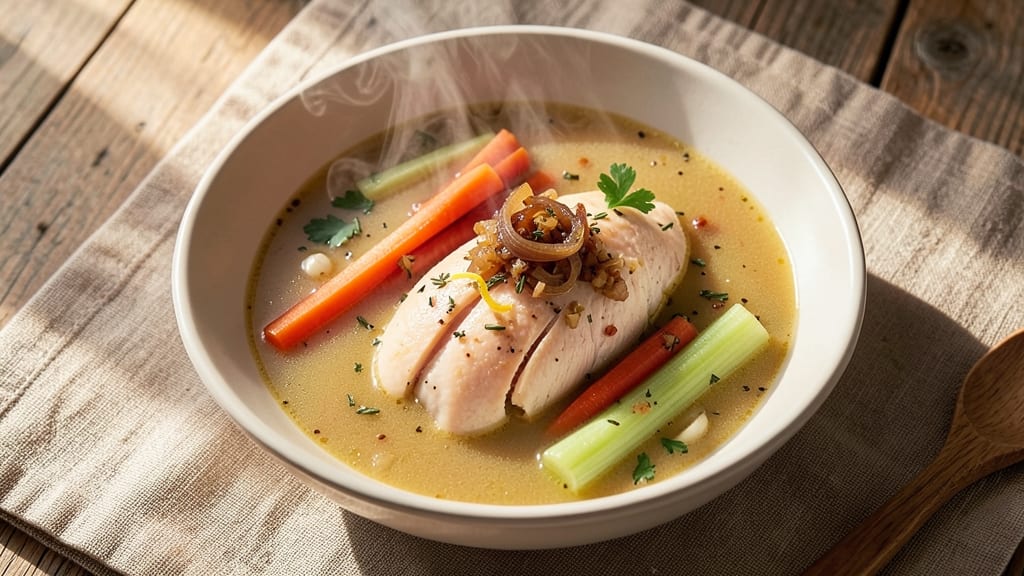
When cold and flu season strikes, this best chicken soup recipe delivers the perfect blend of soothing comfort and immune-boosting power in one pot. 💛 The secret lies in its carefully balanced ingredients—garlic, ginger, and fresh herbs—known for their natural healing properties, while tender chicken and hearty vegetables create a nourishing broth that warms both body and soul.
What sets this recipe apart is its simplicity and effectiveness. With just 30 minutes of active prep and a slow simmer, you'll create a restaurant-quality soup that's gentle on a sore throat but packed with flavor.
The broth is rich yet light, infused with aromatic vegetables and herbs that work together to ease congestion and support recovery.
The result is a bowl of golden, fragrant soup that's as comforting as it is beneficial. Each spoonful delivers protein-rich chicken, immune-boosting garlic, and soothing vegetables, all wrapped in a broth that's perfect for sipping slowly. This isn't just soup—it's medicine with flavor, designed to help you feel better faster.
Serve with a slice of crusty bread and a steaming cup of tea for the ultimate cold-fighting meal. The beauty of this recipe is its versatility—easy to customize with your favorite vegetables or herbs, but always reliable for relief. Let's get cooking and chase away those winter woes!
Ingredients for best chicken soup recipe for colds and flu
These 14 ingredients combine to create the ultimate cold-fighting, immune-boosting chicken soup.
| Ingredient | Amount | Notes |
|---|---|---|
| Chicken Breast 🍗 | 1 ½ lb | Boneless, skinless, cut into bite-sized pieces |
| Yellow Onion 🧅 | 1 whole | Medium-sized, chopped |
| Carrots 🥕 | 4 medium | Peeled, sliced into rounds |
| Celery Stalks 🌿 | 3 whole | Trimmed, chopped |
| Garlic Cloves 🧄 | 6 cloves | Fresh, minced |
| Fresh Ginger 🌿 | 1 inch | Peeled, thinly sliced |
| Fresh Parsley 🌿 | ¼ cup | Chopped, for garnish |
| Fresh Thyme 🌿 | 1 tbsp | Leaves only, chopped |
| Chicken Broth 💧 | 6 cups | Low-sodium preferred |
| Extra-Virgin Olive Oil 🫒 | 2 tbsp | For sautéing |
| Salt 🧂 | 1 ½ tsp | Diamond Crystal preferred |
| Black Pepper 🌶️ | ½ tsp | Freshly ground |
| Bay Leaves 🍃 | 2 whole | For depth of flavor |
| Lemon Juice 🍋 | 1 tbsp | Freshly squeezed |
The chicken is your healing powerhouse—look for organic or free-range when possible, as it contains more nutrients. Whole Foods or your local butcher shop often carry the best quality. If you're short on time, pre-cut chicken works too, but trim any large pieces for even cooking. The garlic and ginger are non-negotiable here—they're the immune system's best friends. Whole Foods or Trader Joe's usually have fresh ginger in the produce section, and always grab a few extra cloves for your spice cabinet. Fresh herbs like thyme and parsley add that restaurant-quality touch—don't skip them if you've got them, but dried works in a pinch at half the amount.
No fresh ginger? Ground ginger at one-third the amount gets you close, though fresh is ideal. Short on thyme? Dried oregano or marjoram work beautifully. The chicken broth can be homemade (always better) or a quality low-sodium store-bought like Pacific Foods or Imagine. For extra depth, add a splash of red wine or apple cider vinegar to the broth while simmering. The carrots and celery can be swapped for whatever veggies you have—sweet potatoes or mushrooms add great flavor too. Just make sure to include those aromatic vegetables—they're what make the broth sing.
This soup tastes even better the next day as flavors meld. Store in an airtight container in the fridge for up to 4 days, or freeze portions for 3 months. I always make a double batch—one for now, one to freeze for when sickness strikes again. The broth keeps beautifully on its own too, so you can freeze it separately for future soups. For serving, a sprinkle of fresh parsley and a squeeze of lemon juice right before eating makes all the difference.
Why You'll Love This Recipe
- One-Pot Wonder: I swear by this recipe when I’m exhausted—just toss everything into one pot, bring it to a boil, then let it simmer. No fancy techniques, no extra dishes to wash. That crispy chicken breast? It practically shreds itself after 25 minutes, and the veggies soften just enough to melt in your mouth.
- Garlic Bomb Flavor: Between us, the secret’s in the garlic and onions—sautéed until they’re golden and sweet, not burnt. Add a splash of broth and a pinch of thyme, and suddenly you’ve got that deep, savory punch that makes you forget you’re eating "healthy." My roommate still steals my bowl.
- Leftovers That Save: This soup tastes even better the next day, honestly. I make a big batch on Sundays, and by Wednesday, it’s still my go-to when I’m running late or too tired to cook. Freeze half if you want—just reheat and add a sprinkle of fresh parsley. Zero waste, all comfort.
- Budget-Friendly Fix: Chicken breast is affordable, carrots and celery last forever, and onions? You’ll have them in every pantry. I’ve made this for under $10 for six servings, and it’s the one meal I never skip when money’s tight. Plus, the veggies stretch the broth so well—no sad, watery soup here.
Step-by-step instructions for immune-boosting chicken soup
Here's how to transform simple ingredients into medicine that warms both body and soul.
🍳 Step 1: Sauté the Immune-Boosting Vegetable Base
Heat the 2 tablespoons extra-virgin olive oil in a large pot over medium heat until shimmering. Add the chopped yellow onion, sliced carrots, and chopped celery stalks. Cook for 8-10 minutes until the vegetables soften and the onion becomes translucent.
This is where all the magic begins. The vegetables release their natural sugars and caramelize slightly, creating a flavor foundation that'll make your soup taste like it simmered for hours. I stir occasionally, making sure nothing sticks to the bottom—those browned bits are flavor, but we want everything cooking evenly.
After about 5 minutes, add the minced garlic cloves and sliced fresh ginger. Cook for another 1-2 minutes until fragrant—you'll know it's ready when your kitchen smells like a warm apothecary. This aromatic duo packs serious immune-boosting power, and their flavors meld beautifully with the other vegetables.
🍳 Step 2: Brown the Chicken and Build Flavor Layers
Push the vegetable mixture to one side of the pot and add the 1.5 lb chicken breast in bite-sized pieces. Cook for 3-4 minutes until the chicken develops a golden-brown crust on all sides. This step is crucial—it creates a flavorful crust that'll infuse the broth as we cook.
I press down gently on the chicken pieces during the first minute to prevent curling, ensuring even contact with the pan. The goal is to get that beautiful Maillard reaction happening without drying out the meat. Once the chicken is browned, return it to the center of the pot and stir everything together.
Add the chopped fresh thyme, 2 whole bay leaves, and season with 1.5 teaspoons salt and 0.5 teaspoon black pepper. The thyme and bay leaves will infuse the broth with their earthy, herbal notes, while the salt and pepper balance the flavors perfectly. Give everything a good stir to combine.
🥘 Step 3: Simmer the Soup Until Chicken is Tender
Pour in the 6 cups chicken broth and bring the mixture to a gentle boil. Once boiling, reduce the heat to low and cover the pot. Let it simmer for 25-30 minutes until the chicken is fork-tender and easily pulls apart. This low-and-slow cooking method ensures the chicken stays juicy and the broth absorbs all the flavors.
Here's the thing—don't be tempted to check on it too often. Every time you lift the lid, you lose heat and moisture. I set a timer and let it cook undisturbed. The chicken is done when it reaches an internal temperature of 165°F and the broth has a rich, golden color with visible vegetable pieces.
As it simmers, the chicken will release its natural juices into the broth, creating a deeply flavorful, nourishing liquid that's perfect for when you're feeling under the weather. The vegetables will soften further, becoming tender and easy to eat.
🍽️ Step 4: Finish with Fresh Herbs and Brightness
Once the chicken is tender, remove it from the pot and set it aside to rest for 5 minutes. Strain the broth through a fine-mesh sieve to remove any large vegetable pieces, if desired, or leave them in for texture. Return the broth to the pot and stir in the 1 tablespoon lemon juice.
This final touch brightens the soup and cuts through the richness, adding a refreshing zing that's perfect for clearing sinuses and lifting your spirits. The acidity of the lemon also helps to break down any remaining proteins in the broth, making it even more digestible.
Shred the chicken using two forks and return it to the pot. Stir in the chopped fresh parsley and adjust the seasoning if needed. The parsley adds a fresh, vibrant note that contrasts beautifully with the rich, savory broth. Serve the soup immediately, garnished with additional parsley if desired.
Pro Tips For Making Best Chicken Soup Recipe For Colds And Flu
- Brown the Chicken First: Skip the raw chicken straight into broth—sear it in a hot pot with a splash of oil until golden. I learned this the hard way: pale chicken means bland soup. The crust adds depth, and it won’t fall apart if you cut it into even-sized chunks first (about 1-inch cubes).
- Mince the Onion: Don’t dice the onion—finely mince it so it dissolves into the broth. Sounds tedious, but it sweats down faster and infuses flavor without chunks. Use a knife or pulse in a food processor, but don’t overdo it or you’ll end up with mush.
- Simmer Low and Long: After boiling the broth, reduce to a gentle simmer—tiny bubbles, not rolling. Chicken soup needs 45–60 minutes to meld flavors, not 20. I used to rush it, and the soup always tasted flat. Cover loosely to let steam escape (prevents gloop).
- Roast the Veggies: Toss chopped carrots, celery, and garlic with oil, salt, and pepper, then roast at 400°F (200°C) for 20 minutes before adding to the pot. The caramelization adds a smoky sweetness that cuts through congestion. Yes, it’s an extra step—but it’s worth it.
Dietary considerations for this dish
Gluten-Free Adaptation
This soup is naturally gluten-free, but always double-check your ingredients. Use certified gluten-free chicken broth like Pacific Foods or Imagine to avoid cross-contamination. The recipe's base ingredients—chicken, vegetables, and herbs—are all gluten-free, so no substitutions are needed beyond the broth.
Just make sure your olive oil, salt, and pepper are also certified gluten-free if you're highly sensitive. 💛
Dairy-Free Options
Traditional chicken soup often includes dairy, but this version skips it entirely for a gentle, easy-to-digest option. If you want to add richness, stir in 2 tablespoons coconut milk at the end for creaminess without dairy.
For extra protein, consider adding white beans or lentils—just simmer them with the broth for 15-20 minutes until tender. The lemon juice already brightens the soup naturally, so no dairy substitutes are necessary.
Vegetarian Swap
For a vegetarian version, replace the chicken with 1.5 lbs extra-firm tofu or chickpeas. Press and cube the tofu, then pan-fry until golden before adding to the broth. Chickpeas can be added directly to the simmering pot.
Boost umami with 1 tablespoon soy sauce or mushroom powder to mimic the chicken's depth. The garlic, ginger, and herbs will still shine, delivering all the immune-boosting benefits without meat. 🌱
Low-Sodium Focus
Since this soup is designed for healing, I prioritize low-sodium ingredients. Use low-sodium chicken broth and reduce added salt to 1 teaspoon total. Enhance flavor naturally with extra garlic, ginger, and fresh herbs.
For a salt-free boost, add 1 teaspoon fish sauce or 1 tablespoon miso paste at the end for umami depth. The broth's natural flavors will still shine while keeping sodium in check.
Spicy Variations
Add heat with ½ teaspoon red pepper flakes or 1 sliced fresh chili pepper (like jalapeño or serrano) when sautéing the vegetables. For a smoky kick, stir in ½ teaspoon smoked paprika with the thyme.
Garnish with sliced scallions and a drizzle of hot honey for sweet-spicy contrast. This version is perfect for congestion relief—the capsaicin in chili peppers helps clear sinuses naturally. 🌶️
Allergy-Friendly Tips
For nut allergies, avoid coconut milk and stick to olive oil as the fat base. If you're sensitive to nightshades (like peppers), skip the chili additions and rely on ginger and garlic for warmth. For egg allergies, this recipe is already safe—no eggs are used.
Always check ingredient labels, especially for broth and spices, which may contain hidden allergens. When in doubt, opt for single-ingredient, organic produce to minimize risks.
Nutrition facts
Frequently asked questions
Why is garlic the most important ingredient in this soup?
Garlic contains allicin, a compound with powerful antiviral and antibacterial properties that help fight infections. The recipe calls for 6 cloves because research shows this amount provides maximum immune support while still delivering great flavor. Don't skip it—it's the secret weapon against colds and flu!
Can I make this soup ahead of time?
This soup tastes even better the next day as flavors meld. Store in an airtight container in the fridge for up to 4 days or freeze portions for 3 months. Reheat gently on the stove, adding a splash of water if the broth thickens too much. The broth actually improves with time!
What if I don't have fresh ginger?
Use 1/3 teaspoon ground ginger as a substitute, but fresh is ideal for maximum benefits. The recipe's immune-boosting power comes from fresh ginger's higher concentration of bioactive compounds. If you must substitute, add it with the garlic during sautéing and cook for an extra 30 seconds to release its flavor.
How do I know when the chicken is fully cooked?
The chicken is done when it reaches an internal temperature of 165°F and easily pulls apart with a fork. Use a meat thermometer for accuracy—this is especially important when you're feeling under the weather and need the protein for recovery. The soup should simmer for 25-30 minutes total after adding the broth.
Can I add noodles or rice to this recipe?
Yes! Add 4 oz uncooked noodles or 1 cup cooked rice during the last 10 minutes of simmering. For gluten-free options, use rice noodles or quinoa. Just be sure to adjust cooking times—noodles should be al dente when done. The broth will thicken slightly with starch from the grains, making it even more comforting.