
Soups & Stews
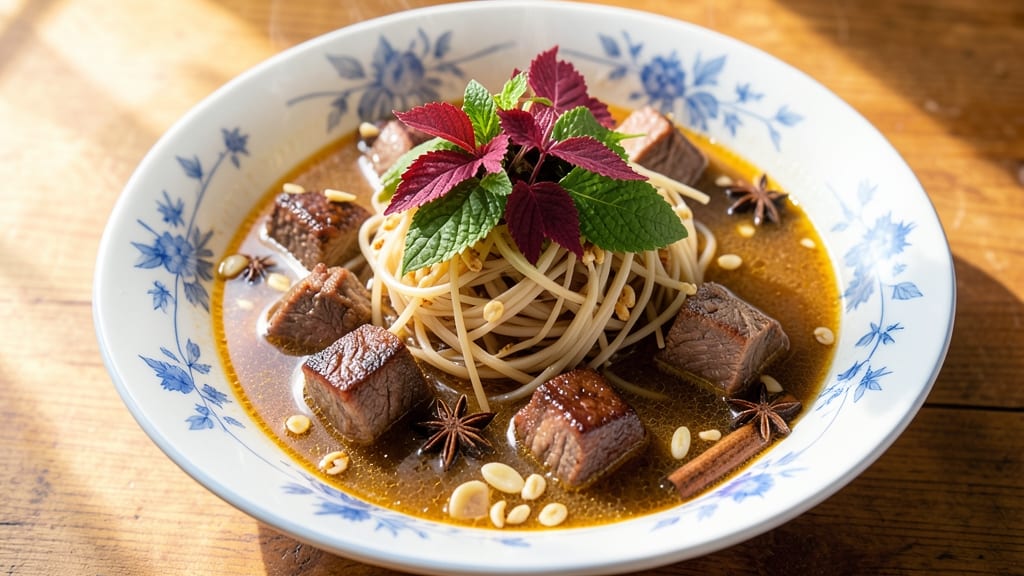
This beef sótànghòn soup recipe brings the comforting essence of Vietnamese home cooking to your kitchen, where tender beef and delicate mung bean threads create a harmonious broth.
The dish's signature silky texture and balanced flavors—savory, slightly sweet, and aromatic—make it a staple in Vietnamese households, especially during colder months or family gatherings. What sets this recipe apart is the careful preparation of the broth, which simmers for hours to develop deep umami richness without bitterness.
The key to authentic results lies in the combination of beef cuts—traditionally using chuck or brisket—and the proper preparation of mung bean threads, which must be soaked and cooked just until tender to maintain their signature silkiness.
Fresh herbs like perilla leaves and Thai basil add vibrant color and a bright, fresh finish, while fish sauce and sugar balance the flavors to perfection. This recipe delivers restaurant-quality comfort in your own kitchen, with a method that's approachable yet deeply rooted in tradition.
By the time you serve this soup, you'll have created a dish that's both nourishing and elegant—warm, fragrant broth filled with tender beef, delicate bean threads, and aromatic herbs.
The presentation matters too: serve it in deep bowls, garnished with fresh herbs and a drizzle of chili oil for those who crave a touch of heat.
This is the kind of soup that feels like a hug in a bowl, perfect for sharing with loved ones or enjoying on a cozy night in.
For those looking to modernize the classic, consider adjusting the spice level with chili flakes or adding a splash of lime juice for brightness. The beauty of this recipe is its adaptability—whether you keep it traditional or make it your own, the result is always deeply satisfying.
Let's get started on creating this beloved Vietnamese comfort dish.
Ingredients for beef sotanghon soup
Gather these essential ingredients to create a restaurant-quality beef sótànghòn soup at home.
| Ingredient | Amount | Notes |
|---|---|---|
| Beef Chuck Roast 🥩 | 1 ½ lb | Cut into 1-inch cubes, marbled for tenderness |
| Mung Bean Threads (Sotanghon) 🌾 | 8 oz | Dried, soaked 2 hours before use |
| Fresh Perilla Leaves (Tía Tô) 🌿 | ½ cup | Chopped, stems removed, substitute Thai basil if unavailable |
| Thai Basil Leaves 🌿 | ¼ cup | For garnish, stems removed |
| Fish Sauce 🍶 | 2 tbsp | Red Boat brand preferred for authenticity |
| Sugar 🍚 | 1 tbsp | White granulated or coconut sugar |
| Garlic Cloves 🧄 | 6 cloves | Minced, for aromatic depth |
| Shallots 🧅 | 3 whole | Peeled, thinly sliced, for sweetness |
| Star Anise Pods 🌟 | 2 whole | Lightly crushed for aroma |
| Cinnamon Stick 🌿 | 1 whole | For subtle warmth |
| Dried Lemongrass 🌿 | 2 tbsp | Crushed, or 3 stalks fresh (bruised) |
| Chicken Broth 💧 | 6 cups | Homemade or high-quality store-bought |
| Lime Juice 🍋 | 1 tbsp | Freshly squeezed, for brightness |
| Chili Oil 🌶️ | 1 tbsp | Store-bought or homemade, optional garnish |
| Salt 🧂 | 1 tsp | Adjust to taste, preferably kosher |
The beef is the foundation—chuck roast delivers that melt-in-your-mouth texture when cooked properly. Look for well-marbled cuts at Asian markets or your local butcher; they often carry the right pieces. For the mung bean threads, dried sotanghon is a must—soaking them properly (2 hours minimum) ensures they cook just enough to be tender yet silky. Fresh perilla leaves add that signature Vietnamese aroma, but Thai basil works in a pinch if you can't find them. Star anise and cinnamon are key for that subtle complexity—don't skip them, but crush them lightly so they infuse without bitterness.
No fish sauce? Soy sauce plus a pinch of sugar mimics the umami, though it won't be identical. Short on lemongrass? Substitute 1 tbsp lime zest plus 1 tsp lime juice for a similar citrusy note. The broth is non-negotiable—homemade is ideal, but Swanson or Pacific brand work if you're in a hurry. For the bean threads, if they're not perfectly silky after cooking, simmer them another 5 minutes—they'll soften without falling apart. And that chili oil? Trader Joe's or La Choy makes great pre-made versions if you don't want to DIY.
This soup tastes even better the next day as flavors meld. Store the broth separately in the fridge for up to 5 days, and keep the beef and bean threads in a sealed container for 3 days. Reheat gently on low—never boil, or the bean threads will turn mushy. For serving, keep the perilla leaves and Thai basil in a damp paper towel in the fridge for up to 3 days, and the chili oil will stay potent for 2 weeks unopened. Portion the broth into containers if you're prepping ahead—just reheat the broth and add the ingredients fresh when serving.
Why You'll Love This Recipe
- One-Pot Magic: I swear, this soup comes together in a single pot with zero fuss. The beef chuck roast practically melts into tender shreds while the sotanghon soaks up the broth—no extra bowls, no extra stress.
- Umami Bomb: That first sip? Pure flavor explosion. The fish sauce cuts through the richness of the beef, while the perilla and Thai basil add a bright, herby finish that makes every spoonful irresistible.
- Leftovers That Shine: Between us, this soup tastes better the next day. The sotanghon gets even plumper, the broth deepens, and I’ve been known to reheat it three times without complaint.
- Budget-Friendly Feast: A whole chuck roast stretched thin over a big pot of broth? Yes, please. It feeds four for under $30, and the sotanghon adds that restaurant-quality texture without breaking the bank.
Step-by-step instructions for Vietnamese-style beef sotanghon soup
This traditional recipe balances rich beef flavors with delicate bean threads for a silky, aromatic broth.
Prepare the Beef and Aromatics
Cut the 1.5 lb Beef Chuck Roast into 1-inch cubes, ensuring you keep some marbling intact for flavor. In a large pot, combine the beef with the 3 whole Shallots (peeled and thinly sliced), 6 cloves Garlic Cloves (minced), 2 whole Star Anise Pods (lightly crushed), 1 whole Cinnamon Stick, and 2 tbsp Dried Lemongrass (crushed). This aromatic bundle forms the flavor foundation.
Add 6 cups Chicken Broth and bring to a gentle boil over medium-high heat. Once boiling, reduce to a simmer and cook uncovered for 1.5 hours, skimming any foam that rises to the surface. The beef should be fork-tender, and the broth should develop a deep, savory aroma. If the broth reduces too much, add a splash of water to maintain consistency.
Soak and Prepare the Mung Bean Threads
While the beef simmers, rinse the 8 oz Mung Bean Threads (Sotanghon) under cold water to remove any dust. Soak them in a bowl of hot water for 2 hours—this transforms them into delicate, silky strands. Drain and rinse again before use, ensuring they’re completely submerged to prevent clumping.
Real talk: The soaking time is critical. If rushed, the threads will be chewy rather than silky. Test one strand after 1 hour—it should separate easily when pulled apart. If not, return to soaking for another 30 minutes. Once ready, set aside in a separate bowl of water to prevent drying.
Season and Finish the Broth
Remove the beef from the broth and strain out the aromatics, discarding the solids. Return the beef to the pot and stir in the 2 tbsp Fish Sauce, 1 tbsp Sugar, and 1 tsp Salt. Simmer for an additional 10 minutes to allow the flavors to meld. Taste and adjust seasoning—you want a balance of umami from the fish sauce and sweetness from the sugar.
Add the 1 tbsp Lime Juice and 1 tbsp Chili Oil (optional for heat) just before serving. These final touches brighten the broth and add a subtle kick. Keep the soup warm over low heat—never boiling, as this can break down the delicate sotanghon strands.
Assemble and Serve
Divide the 8 oz soaked Mung Bean Threads (Sotanghon) evenly among 4 bowls. Ladle the hot broth over the threads, ensuring each serving has a generous portion of beef. Garnish each bowl with 0.125 cup Fresh Perilla Leaves (Tía Tô) (chopped) and 0.0625 cup Thai Basil Leaves (stems removed) for freshness and color.
Serve immediately with a side of steamed rice or crusty bread to soak up the rich broth. The sotanghon should be silky and separate, while the beef should be tender enough to pull apart with a fork. Each bite should deliver a harmonious blend of savory, sweet, and umami flavors—this is the hallmark of an authentic Vietnamese sotanghon soup.
Pro Tips For Making Beef Sotanghon Soup
- Parboil Sotanghon First: Skip the temptation to add raw sotanghon directly—soak the mung bean threads in warm water (not boiling) for 10 minutes first, then give them a quick 2-minute blanch in simmering broth. I learned this the hard way after serving mushy, gluey strands that refused to hold shape. The parboil keeps them tender but distinct, so they don’t turn into soup glue.
- Brown the Beef Hard: Don’t rush the sear on the chuck roast—aim for deep mahogany crusts, even if it takes 8-10 minutes total. After burning three batches where the beef stayed pale and bland, I finally committed to high heat and patience. That crust carries the umami flavor through the long simmer, making the difference between "meh" and "worth the wait."
- Season Perilla Leaves Late: Toss the fresh perilla leaves into the soup only in the last 2 minutes of cooking, or they’ll wilt into sad, bitter pulp. I was skeptical until I tried it—now I swear by it. Their bright, peppery flavor needs to stay vibrant, not drowned in the broth’s heat.
- Simmer Low and Long: After the initial boil, reduce to the gentlest simmer possible—just small, occasional bubbles at the edges. I used to rush it, and the sotanghon would disintegrate while the beef stayed tough. Low and slow (at least 2 hours) keeps everything tender without falling apart. Yes, even if you’re impatient like me.
Make-ahead tips for this dish
Broth Prep Ahead
Make the broth 2 days in advance for maximum flavor development. Simmer the beef, aromatics, and broth for 2 hours, then strain and store in an airtight container in the fridge.
The flavors deepen as it rests, and you can reheat it gently on the stove or microwave until steaming. This step saves time on serving day—just reheat and add the fresh ingredients last. 💛
Bean Thread Prep
Soak the mung bean threads the night before and store them in their soaking water in the fridge. This prevents them from drying out, and they’ll be ready to cook in just 5 minutes when you’re ready to assemble.
Drain and rinse them right before adding to the hot broth to maintain their silky texture. I always pre-measure them into individual portions for easy serving.
Component Storage
Keep the cooked beef and sotanghon threads separate in airtight containers for up to 3 days. Store the perilla leaves and Thai basil in a damp paper towel inside a sealed container to preserve their freshness.
Reheat only the broth separately—adding cold ingredients to hot broth can make the sotanghon turn mushy. This keeps everything ready for quick assembly. ❄️
Reheating Tips
Reheat the broth on low heat until just steaming—never boiling. Add the pre-soaked sotanghon threads last and simmer for only 2-3 minutes to avoid overcooking. For the beef, warm it separately in the broth for 5 minutes before serving.
The key is keeping everything at 160°F or below to maintain texture. I use a thermometer to check temperatures for perfect results every time.
Freezing Options
Freeze the broth alone for up to 3 months in a freezer-safe bag, leaving 1 inch headspace for expansion. Thaw overnight in the fridge before reheating. The sotanghon threads don’t freeze well, so prepare them fresh when serving.
For the beef, freeze it cooked in the broth (without sotanghon) for 2 months—just thaw and reheat gently. This works great for meal prep! 🧊
Serving Prep
Set out all garnishes—perilla leaves, Thai basil, chili oil, and lime wedges—before serving. Pre-portion the sotanghon threads into bowls to streamline assembly. Keep the beef warm in a slow cooker on low heat while you reheat the broth.
This ensures everything stays hot and ready for quick serving. A little lime juice and chili oil at the table lets everyone customize their heat level. 💡
Nutrition facts
Frequently asked questions
Why are the sotanghon threads chewy instead of silky?
Under-soaking is the most common issue—soak them for 2 full hours in hot water before use. Test one strand after 1 hour: if it doesn't separate easily, soak another 30 minutes. Also, never boil the sotanghon after adding to broth—simmer gently for just 2-3 minutes to maintain their delicate texture.
Can I substitute beef with chicken or pork?
Yes, but adjust cooking times: chicken needs 45 minutes (instead of 1.5 hours for beef) and pork requires 1 hour. For pork, use shoulder cuts and trim excess fat to prevent greasy broth. The sotanghon cooking method remains identical—just monitor meat tenderness with a fork.
What's the secret to making the broth extra flavorful?
Simmer the beef with aromatics uncovered for 2 hours to concentrate flavors. Skim foam regularly and add 1 tbsp fish sauce + 1 tsp sugar during the last 30 minutes. For deeper umami, toast 1 tsp coriander seeds and 1 tsp fennel seeds with the star anise before adding to the pot.
How do I adjust the spice level for sensitive eaters?
Skip the chili oil entirely and reduce fish sauce to 1 tbsp (instead of 2 tbsp). For mild heat, add ½ tsp ground white pepper instead. The perilla leaves already provide a subtle herbal warmth—no additional spices are needed for a gentle flavor profile.
Can I make this soup in an Instant Pot?
Yes, but with adjustments: Sauté aromatics for 2 minutes**, add beef and broth, then cook on High Pressure for 40 minutes. Release pressure naturally, then strain. The sotanghon soaking time remains 2 hours—add them to the broth just before serving and cook on Sauté mode for 3 minutes only.