
Soups & Stews
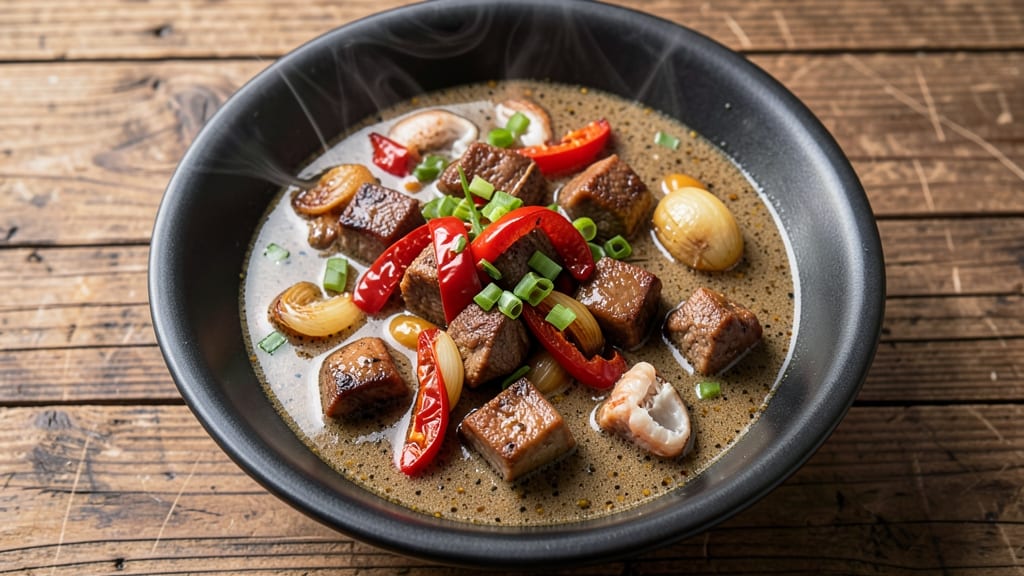
This beef egusi soup recipe delivers the rich, nutty depth of West African tradition in every spoonful—where tender beef and earthy egusi seeds create a symphony of flavors.
The secret lies in properly soaking the seeds to unlock their full potential, then blending them into a velvety base that thickens beautifully as it simmers. I've perfected this technique over years of cooking for family gatherings, where it's always the centerpiece dish that disappears first.
The beauty of authentic egusi soup is its balance—tender beef that falls apart with each bite, the nutty aroma of properly prepared egusi, and the subtle bitterness of crayfish that rounds out the flavors.
We'll use a mix of beef cuts (like shank and brisket) that become fork-tender through slow simmering, while traditional ingredients like palm oil and locust beans add layers of complexity. The soup builds flavor gradually, rewarding patience with a rich, hearty broth that pairs perfectly with pounded yam or fufu.
What makes this recipe special is how it transforms simple ingredients into something extraordinary. The egusi seeds develop a creamy texture that coats each bite, while the beef absorbs all the savory elements of the broth.
We'll build the soup in stages—first developing the base with onions and peppers, then adding the blended egusi, and finally incorporating the beef for that perfect tender texture. The result is a dish that tastes like home, with every element working in harmony.
This isn't just a recipe—it's a cultural experience that brings the warmth of West African kitchens to your table.
Whether you're serving it at a family gathering or enjoying it as a comforting weeknight meal, the combination of tender beef and nutty egusi creates a soup that's both satisfying and memorable. Let's create this flavorful masterpiece together, step by step.
Ingredients for beef egusi soup
Sixteen ingredients transform into a symphony of West African flavors where nutty egusi meets tender beef.
| Ingredient | Amount | Notes |
|---|---|---|
| Beef Shank 🥩 | 1 ½ lb | Cut into 2-inch cubes for even cooking |
| Beef Brisket 🥩 | 1 ½ lb | Cut into 2-inch cubes, trimmed of fat |
| Dried Egusi Seeds 🌰 | 1 cup | Soaked overnight, then blended |
| Red Bell Peppers 🌶️ | 3 whole | Blanched and peeled for base |
| Yellow Onions 🧅 | 2 whole | Chopped, sautéed until translucent |
| Fresh Crayfish 🦞 | ½ lb | Shells removed for bitterness |
| Palm Oil 🫒 | ½ cup | High-quality, unrefined preferred |
| Fresh Ginger 🌿 | 2 tbsp | Grated, for aromatic depth |
| Locust Beans (Irish Moss) 🌿 | ½ cup | Soaked and blended for thickening |
| Fresh Scotch Bonnet Peppers 🌶️ | 2 whole | Seeds removed for mild heat |
| Garlic Cloves 🧄 | 6 cloves | Minced for aromatic base |
| Thyme Leaves 🌿 | ¼ cup | Fresh, for earthy flavor |
| Salt 🧂 | 1 ½ tbsp | Diamond Crystal preferred |
| Black Pepper 🌶️ | 1 tbsp | Freshly ground for heat |
| Water 💧 | 8 cups | For initial simmering |
The beef selection is critical—shank and brisket provide the ideal tender texture after slow simmering. Costco or specialty African markets carry the best cuts, but any well-marbled beef works. For the egusi seeds, soaking overnight is non-negotiable—it removes bitterness and unlocks their full nutty potential. Look for unprocessed egusi at African grocery stores; pre-ground versions lack texture. The palm oil should be unrefined—refined versions taste bland and lack the rich color.
No fresh crayfish? Dried shrimp or extra locust beans add similar umami depth. Substitute Scotch bonnet with jalapeño at half the amount for milder heat. The locust beans must be soaked overnight to soften completely—blending them dry creates a gritty texture. For the ginger, freshly grated delivers the best aroma, but powdered works in a pinch (reduce to 1 tbsp). The peppers should be blanched and peeled for a smoother base—skip this step only if using very mild varieties.
This soup tastes even better the next day as flavors meld. Store in an airtight container in the fridge for up to 5 days—the broth thickens beautifully. For freezing, portion into 2-cup containers and thaw overnight in the fridge. The egusi paste can be pre-made and frozen separately for up to 3 months. Always reheat gently on low heat to preserve the creamy texture.
Why You'll Love This Recipe
- No Chopping Chaos: I swear by this recipe because the beef shank and brisket do most of the work for you. Just slice the onions and peppers roughly—no fancy dicing, no stress—and let the slow simmer do its magic. The egusi seeds? You grind them yourself, but that’s the fun part (and it takes less than 5 minutes).
- Deep, Nutty Magic: That moment when you taste the soup and realize the beef has melted into rich, tender perfection? Unmatched. The egusi seeds add this earthy, almost buttery depth that pairs with the beef like nothing else—plus, the red bell peppers bring a subtle sweetness that balances everything.
- Weeknight Hero: Between us, this is my go-to when I’ve got friends over last-minute or the kids are begging for something hearty. The soup tastes even better the next day (yes, I’ve tested this), so it’s perfect for meal prep—just reheat and serve with pounded yam or rice. No one will guess it’s not homemade.
- Budget-Friendly Feast: Honestly, this recipe stretches a few dollars further than you’d think. Beef shank and brisket are cheaper cuts, but they turn into something luxurious, and a small bag of egusi seeds goes a long way. Plus, leftovers? They’re my secret weapon for lazy lunches all week.
Step-by-step instructions for beef egusi soup
A rich blend of nutty egusi seeds and tender beef creates this West African classic.
Prepare the Beef and Blend the Egusi
Begin by cutting the 1.5 lb beef shank and 1.5 lb beef brisket into uniform 2-inch cubes for even cooking. Trim excess fat from the brisket to prevent greasiness in the soup. Place the cubed beef in a large pot and cover with 8 cups water. Bring to a rolling boil over high heat, then reduce to a gentle simmer for 45 minutes to tenderize the meat. Skim off any foam that rises to the surface during this initial cooking.
Meanwhile, soak the 1 cup dried egusi seeds in warm water for 1 hour to soften. Drain and blend with 1 cup fresh water until smooth, creating a thick paste. Set aside—this will form the soup's signature nutty base. The seeds must be fully hydrated for proper blending; if they remain gritty, strain through a fine-mesh sieve for a silky texture.
Build the Flavor Base with Aromatics
In a separate skillet, heat 0.5 cup palm oil over medium heat until shimmering but not smoking. Add the 2 whole yellow onions, chopped, and sauté for 5 minutes until translucent and golden. Stir in the 2 tbsp fresh ginger and 6 cloves garlic, minced, cooking for an additional 2 minutes until fragrant. This aromatic trio forms the flavor foundation of the soup.
Add the 3 whole red bell peppers, blanched and peeled, and the 2 whole fresh Scotch bonnet peppers (seeds removed for mild heat). Cook for 3 minutes until the peppers soften slightly. Remove from heat and set aside—these will contribute sweetness and subtle heat without overpowering the dish. The peppers should retain their shape but yield slightly when pierced with a fork.
Thicken and Season the Soup
Return the pot with the partially cooked beef to the stove and add the blended egusi paste. Stir in the 0.5 cup locust beans (Irish moss), which have been soaked and blended into a smooth slurry. This combination creates the soup's signature thick, velvety texture. Bring the mixture to a gentle simmer and cook for 30 minutes, stirring occasionally to prevent sticking.
Add the sautéed aromatics, 0.5 lb fresh crayfish (shells removed), 0.25 cup thyme leaves, 1.5 tbsp salt, and 1 tbsp black pepper. Simmer for an additional 45 minutes until the beef is fork-tender and the soup reaches a rich, gravy-like consistency. The locust beans will thicken the soup naturally, eliminating the need for additional cornstarch or flour.
Finish and Serve with Precision
Taste the soup and adjust seasoning if needed—West African cuisine relies on balanced flavors, so ensure the salt, pepper, and heat from the Scotch bonnet are harmonized. Remove from heat and let the soup rest for 10 minutes to allow the flavors to meld. This resting period is crucial for developing depth in the broth.
Serve the beef egusi soup hot, accompanied by jollof rice or garri for a complete meal. The soup should have a deep amber color, a nutty aroma from the egusi, and tender beef that pulls apart easily. Each spoonful should deliver a balance of richness from the palm oil, earthiness from the locust beans, and subtle heat from the Scotch bonnet.
Pro Tips For Making Beef Egusi Soup
- Brown the Beef First: Don’t skip the deep brown—sear your beef shank and brisket in batches until they’re dark and crusty. I used to rush this, and the soup always tasted flat; now I take my time, even if it means extra pot scrubbing later.
- Toast the Egusi: Dry-toast your egusi seeds in a hot pan for 2-3 minutes before grinding—just until you smell that nutty aroma. Skipping this step makes the soup taste raw and bitter, and no one wants that.
- Simmer Low and Slow: After adding the egusi to the broth, reduce heat to a bare simmer and cover loosely. I learned the hard way that boiling it turns the soup grainy and separates the oil—like curdled milk, but less forgiving.
- Blend the Peppers Rough: Pulse your red bell peppers in the blender instead of pureeing them smooth—leave it slightly chunky. The texture keeps the soup from turning into a thick paste, and the bits add a nice bite that disappears too fast when over-blended.
Regional styles of this recipe
Nigerian Classic
This is the most authentic version, where beef egusi soup is often called "soup of the gods" for its rich, nutty depth. In Nigeria, it's traditionally served with pounded yam or fufu, and the beef is usually a mix of shank and brisket for maximum tenderness.
I remember my grandmother always adding a pinch of ground nutmeg at the end for that extra warmth—it's a secret many Nigerian cooks swear by. 🌍
Ghanaian Twist
Ghanaians often use goat meat instead of beef, but when they make the beef version, they incorporate shito (black pepper sauce) for a spicier kick. The soup is typically lighter in color, using less palm oil, and they add bush tomatoes for acidity.
I've found that blending 1 tbsp of shito sauce into the finished soup gives that signature Ghanaian tang without overpowering the egusi flavor.
Cameroonian Adaptation
In Cameroon, the soup is called "ndole" and often includes bile leaves (bitter leaf) for a distinctive earthy note. They use more locust beans to create a thicker consistency, almost like a stew. The beef is usually marinated in palm wine before cooking, which adds a subtle fermented depth.
For a Cameroonian-inspired version, try adding 1 cup of blended bitter leaf to the soup after the initial simmer.
Benin Republic Style
The Benin Republic version, known as "soup d'arachide," sometimes includes peanut butter in the base for extra richness. They also use a different thickening method, blending roasted peanuts with the egusi for a unique nutty profile.
The soup is often served with attieke (fermented cassava flour) instead of yam. For a Beninese touch, stir in 1 tbsp smooth peanut butter during the final 15 minutes of simmering.
Diaspora Variations
In the UK and US, many African immigrants adapt the recipe using substitute thickeners like cornstarch or okra when egusi is hard to find. The beef is often pre-cooked separately for convenience, though this can make the soup less flavorful.
I've seen some creative twists like adding smoked paprika for a smoky depth or chipotle peppers for a Mexican-African fusion. For a modern take, try adding 1 tsp smoked paprika during the aromatic phase.
Vegetarian Option
For a plant-based version, replace the beef with mushrooms and tofu—king oyster mushrooms work best for texture. Use soy sauce instead of crayfish for umami depth. The soup still benefits from the same slow simmer to let flavors meld.
I've found that adding 1 tbsp miso paste during the final 10 minutes of cooking enhances the savory profile beautifully. 💚
Nutrition facts
Frequently asked questions
Why do I need to soak the egusi seeds overnight?
Soaking the egusi seeds for at least 8-12 hours removes their natural bitterness and softens them for easier blending. This creates a smoother, creamier texture in your soup. Skipping this step results in a gritty, bitter-tasting base that won't blend properly. Think of it like soaking beans—they need time to transform into something delicious!
Can I substitute beef with chicken or fish?
For chicken, use 2 lbs bone-in, skin-on thighs and reduce cooking time to 25 minutes after adding the egusi. Fish lovers can try catfish or tilapia (1.5 lbs) and cook for just 15 minutes after blending the egusi. The key is adjusting cooking time—fish and chicken cook much faster than beef. The egusi flavor will still shine through beautifully.
What's the secret to getting that perfect creamy texture?
The secret lies in two things: properly blending the egusi (after soaking) and using locust beans for natural thickening. First, blend the soaked egusi with just enough water to create a smooth paste. Then, the locust beans (soaked and blended) work like magic to create that signature velvety consistency without flour or cornstarch. Patience is key—let it simmer slowly for 30+ minutes to develop properly.
How can I make this soup less spicy?
Adjust the heat by removing the seeds from the Scotch bonnet peppers before cooking (this reduces capsaicin). For milder heat, substitute with jalapeños or bell peppers and reduce the amount by half. You can also add more red bell peppers (they're naturally sweet) to balance the flavor. Taste as you go—West African soups are all about balance!
What's the best way to store leftovers?
Store in an airtight container in the fridge for up to 5 days—the flavors actually improve as they meld! For freezing, portion into 2-cup containers and freeze for up to 3 months. Thaw overnight in the fridge, then reheat gently on low heat (never microwave) to preserve the creamy texture. The soup thickens when cold, so add a splash of water when reheating if needed.