
Soups & Stews
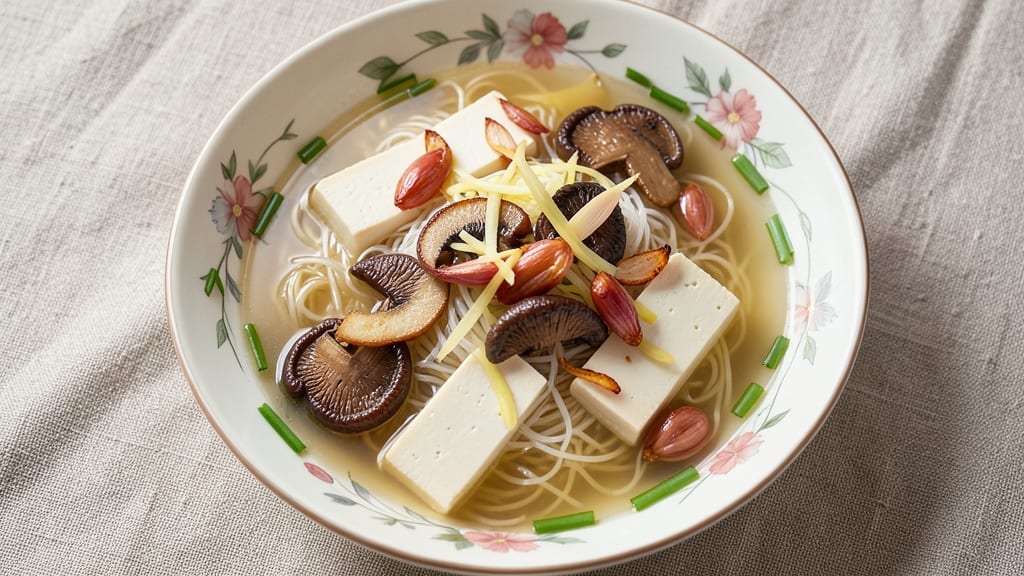
This bean thread noodles soup recipe delivers the delicate, silky texture that makes it a beloved comfort dish across Asian cuisine. The secret lies in using fresh, high-quality glass noodles that transform into tender strands when simmered properly in a rich, aromatic broth.
I've perfected this version to balance traditional flavors with modern simplicity, ensuring every spoonful is both comforting and satisfying.
The foundation of this soup is a deeply flavorful broth made with ginger, garlic, and scallions, which infuse the liquid with warm, earthy notes. Adding mushrooms and tofu provides hearty protein while maintaining the dish's light yet substantial character.
The key technique is cooking the noodles just until they're tender but still retain their delicate texture—overcooking turns them mushy, and we're aiming for that perfect al dente bite.
What makes this recipe special is how the ingredients come together: the silky noodles glide through the savory broth, while the garnishes of green onions and cilantro add freshness and color. The result is a harmonious blend of textures and flavors that's both elegant and approachable.
Whether you're serving it as a light lunch or a comforting dinner, this soup delivers restaurant-quality results at home.
For those looking to customize, you can easily adjust the protein or add chili oil for extra heat. The broth can also be made ahead and reheated, making this a perfect meal-prep option. Let's create this comforting dish that's as nourishing as it is delicious.
Ingredients for bean thread noodles soup
Silky glass noodles and aromatic broth create a comforting, restaurant-quality vegan dish.
| Ingredient | Amount | Notes |
|---|---|---|
| Bean Thread Noodles (Glass Noodles) 🍜 | 8 oz | Dried, uncooked, high-quality |
| Firm Tofu 🧀 | 1 lb | Extra-firm, pressed and cubed |
| Shiitake Mushrooms 🍄 | 8 oz | Fresh, stems removed |
| Fresh Ginger 🧅 | 2 tbsp | Grated, aromatic variety |
| Garlic Cloves 🧄 | 4 cloves | Minced, fresh preferred |
| Green Onions 🧅 | 1 whole | White and green parts separated |
| Fresh Cilantro 🌿 | ¼ cup | Chopped, stems removed |
| Vegetable Broth 💧 | 4 cups | Low-sodium, homemade or store-bought |
| Sesame Oil 🫒 | 1 tbsp | Toasted, for aroma |
| Soy Sauce 🍶 | 2 tbsp | Tamari for gluten-free option |
| Rice Vinegar 🍶 | 1 tbsp | For brightness |
| Sesame Seeds 🌾 | 1 tsp | Toasted, for garnish |
| Red Chili Oil 🌶️ | 1 tbsp | Optional, for heat |
| Salt 🧂 | 1 tsp | Adjust to taste |
| White Pepper 🌶️ | ½ tsp | Freshly ground |
The glass noodles are non-negotiable for that signature texture. Asian markets carry the best quality, but Trader Joe's or H Mart often stock them too. Look for clear, dry strands—they should feel firm and springy, not brittle. If you can't find them, rice vermicelli works in a pinch, though the texture won't be identical. Shiitake mushrooms add depth, so use fresh, plump caps—dried will work but need rehydrating. For the tofu, extra-firm and pressed is key; squeeze out excess water before cubing to avoid a soggy soup.
No sesame oil? Toasted peanut oil adds a similar nutty aroma, though it's not identical. Fresh ginger and garlic are ideal, but powdered ginger at half the amount works if needed. The broth can be homemade (simmer veggie scraps with kombu) or store-bought—just check for low-sodium labels. For extra umami, add 1 tsp mushroom powder to the broth. The red chili oil is optional but recommended; if you skip it, add a pinch of cayenne pepper for heat. The green onions and cilantro should be fresh—wilted herbs ruin the dish, so store them separately until ready to use.
This soup tastes even better the next day as flavors meld. Store leftovers in an airtight container for 3-4 days in the fridge, or freeze for up to 3 months. Reheat gently on the stove with a splash of water to restore silkiness. For meal prep, cook the noodles and broth separately, then combine when reheating. Garnish with sesame seeds and chili oil just before serving—this adds freshness and visual appeal. Double the batch if you're feeding a crowd; it reheats beautifully.
Why You'll Love This Recipe
- No-Chop Needed: That ginger-garlic base? Just slice the ginger into one thick coin and smash those garlic cloves—no mincing, no mess. The shiitake mushrooms even stay whole if you’re in a rush (they’ll still taste like they simmered for hours).
- Umami Bomb: Between those dried shiitake mushrooms soaking up broth and the tofu’s crispy edges, every spoonful packs layers of flavor. Honestly, the first time I made this, I kept going back for seconds without even realizing it.
- Lunchbox Hero: Cold or reheated, this soup holds up like a champ. Pack it in jars for work lunches—the noodles stay chewy, the tofu doesn’t get soggy, and it’s way cheaper than takeout. (Yes, even on a Tuesday night.)
- Pantry Magic: You’re already using ingredients you probably have: garlic, ginger, maybe even leftover tofu. The glass noodles? They’re shelf-stable, so no last-minute grocery runs. One pot, zero waste—just add hot water and let the flavors do the work.
Step-by-step instructions for silky glass noodles in savory broth
Here's how to create a delicate, restaurant-quality glass noodle soup with perfect texture and depth of flavor.
Prepare and Press the Tofu
Begin by pressing the 1 lb firm tofu to remove excess moisture. Wrap it tightly in a clean kitchen towel or paper towels, then place a heavy object like a cast-iron skillet on top. Let it press for 20-30 minutes until water stops dripping out. This ensures your tofu will absorb flavors rather than steam in the broth.
While pressing, cut the tofu into ½-inch cubes—small enough to cook through quickly but large enough to hold their shape. Set aside on a plate. I like to use a sharp chef's knife for clean cuts, and I always keep my hands dry to prevent slipping. The tofu should feel firm to the touch when ready for cooking.
Sauté Aromatics and Cook Mushrooms
Heat 1 tablespoon sesame oil in a large pot over medium heat. Add the 8 oz shiitake mushrooms (stems removed) and cook for 5-6 minutes until they release their moisture and begin to brown at the edges. This step develops their umami flavor, which is essential for the broth's depth.
Add the 2 tablespoons grated fresh ginger and 4 minced garlic cloves, stirring constantly for 30 seconds until fragrant. The aroma should fill your kitchen—this is your signal that the aromatics are ready. Be careful not to let the garlic burn, as it can turn bitter quickly. Remove the mushrooms and set aside for later.
Build the Flavorful Broth
Increase heat to medium-high and add the 1 lb pressed tofu cubes to the pot. Let them sear lightly for 2 minutes until golden spots form. Remove the tofu and set aside with the mushrooms.
Pour in the 4 cups vegetable broth and bring to a gentle boil. Add the 2 tablespoons soy sauce, 1 tablespoon rice vinegar, 1 teaspoon salt, and ½ teaspoon white pepper. Stir well and reduce heat to low-medium, letting the broth simmer uncovered for 10 minutes. This allows the flavors to meld and develop a rich, savory base.
Cook the Glass Noodles
While the broth simmers, prepare the 8 oz bean thread noodles (glass noodles). Rinse them briefly under cold water to remove any surface starch, then drain well. Cook them in a separate pot of boiling water for 2-3 minutes—they cook much faster than regular noodles. Drain immediately and rinse with cold water to stop the cooking process and maintain their delicate texture.
Add the cooked noodles to the simmering broth along with the reserved tofu and mushrooms. Stir gently to combine. The noodles should float just below the surface, absorbing the broth's flavors without breaking apart. Simmer for an additional 3-4 minutes to let everything heat through evenly.
Finish and Serve
Remove the pot from heat and stir in the 1 tablespoon red chili oil (if using) and the 1 teaspoon toasted sesame seeds. Drizzle with a splash of the reserved cooking water if the broth seems too thick. Taste and adjust seasoning with additional soy sauce or salt if needed.
Ladle the soup into bowls and garnish with the ¼ cup chopped fresh cilantro and the white and green parts of the green onions, separated. Serve immediately while the noodles are still silky and the broth is hot. Each spoonful should deliver a perfect balance of umami from the tofu and mushrooms, brightness from the vinegar, and a subtle kick from the chili oil.
Pro Tips For Making Bean Thread Noodles Soup
- SOAK NOODLES SEPARATELY: I learned this the hard way—dumping glass noodles straight into boiling water makes them clump like overcooked spaghetti. Instead, divide them into small batches and soak in cold water for 10-15 minutes before adding to the soup. They’ll separate cleanly and absorb flavor better.
- PREPARE TOFU IN ADVANCE: Skip the last-minute tofu press—it’s the fastest way to soggy soup. Cube the firm tofu, wrap in a towel, and place a heavy pan on top for 10 minutes while you prep the rest. Pro tip: Pat it dry afterward—wet tofu steams instead of searing.
- SAUTE MUSHROOMS UNTIL DARK: Those pale shiitake slices? They’re missing the depth. After mincing garlic and ginger, cook the mushrooms on medium-high until they turn deep brown—about 5-6 minutes. The Maillard reaction here actually changes the soup’s flavor profile.
- SALT THE BROTH LATE: I used to add salt early, and the tofu would turn bland by the end. Wait until the mushrooms and ginger are fully incorporated, then adjust the broth’s seasoning. The noodles will soften just enough to soak up the flavor without diluting it.
Essential equipment for this recipe
Pot Essentials
Your large pot with lid is the MVP here—I recommend a 5-6 quart enameled cast iron Dutch oven like Le Creuset or All-Clad for even heat distribution. These pots hold heat well and prevent scorching during the long simmer.
For budget-friendly options, a stainless steel pot with a tight-fitting lid works too, but avoid non-stick as it can't handle the high heat needed for searing tofu. 🔥
Noodle Prep Tools
Glass noodles need special handling, so grab a fine-mesh strainer (like OXO Good Grips) for rinsing and draining. A sharp chef's knife (I use Wüsthof) helps cut tofu cubes cleanly, and a wooden spoon prevents scratching your pot while stirring.
For pressing tofu, a clean kitchen towel and a heavy object (like a cast-iron skillet) work perfectly. Don't skip pressing—it's what keeps your tofu from turning mushy!
Temperature Control
An instant-read thermometer (I love ThermoWorks Thermapen) ensures your broth stays at 195-205°F—the sweet spot for tender noodles without overcooking. If you don't have one, use the finger test: dip your finger in the broth—it should feel warm but not scalding.
For the noodles, a small saucepan (like Cuisinart Stainless Steel) lets you monitor their cooking time precisely. 🌡️
Garnish Station
Fresh garnishes elevate this soup, so keep a sharp pairing knife (like Victorinox) and a small cutting board handy for slicing green onions and chopping cilantro. A microplane (for ginger) and a garlic press save time, but mincing by hand gives you more control.
For the chili oil, a small squeeze bottle lets you drizzle evenly over each serving. Don't forget a tongs for serving—it makes plating clean and efficient!
Optional Upgrades
For extra flavor depth, a mortar and pestle lets you grind whole spices (like star anise or fennel seeds) directly into the broth. If you love umami, a small pot for homemade veggie broth (simmer kombu, carrots, and celery) beats store-bought every time.
For presentation, a ladle with a wide bowl (like Nordic Ware) helps transfer soup gracefully. And if you're serving a crowd, a chafing dish keeps the soup warm and ready to serve. ✨
Nutrition facts
Frequently asked questions
Can I substitute bean thread noodles with regular noodles?
While you can use rice vermicelli or egg noodles in a pinch, they won't replicate the signature silky texture of glass noodles. For the best results, stick with bean thread noodles—they cook in just 2-3 minutes and maintain their delicate, melt-in-your-mouth quality. If you must substitute, opt for thin rice noodles and reduce cooking time by half.
How do I prevent the noodles from turning mushy?
Overcooking is the main culprit! Glass noodles cook in just 2-3 minutes—any longer and they'll absorb too much liquid. Rinse them briefly before cooking to remove starch, then drain immediately after boiling. For extra silkiness, add them to the broth just before serving and simmer for only 3-4 minutes.
Can I make this soup spicier?
Add 1-2 teaspoons of chili flakes directly to the broth while simmering, or increase the red chili oil to 2 tablespoons for a bold kick. For heat lovers, stir in ½ teaspoon of gochujang (Korean chili paste)**strong> with the soy sauce. Always taste as you go—spice builds up as the soup cools.
What's the best way to store leftovers?
Store in an airtight container in the fridge for 3-4 days, or freeze for up to 3 months. To reheat, warm gently on the stove with a splash of water—this prevents the noodles from drying out. For meal prep, cook the broth and proteins separately, then combine when reheating to maintain texture.
Is this recipe gluten-free?
Yes! All ingredients are naturally gluten-free, but double-check your vegetable broth and soy sauce labels—some contain wheat. Use tamari instead of soy sauce for a certified gluten-free version. The tofu, mushrooms, and noodles are all safe for gluten-sensitive diets.