
Soups & Stews
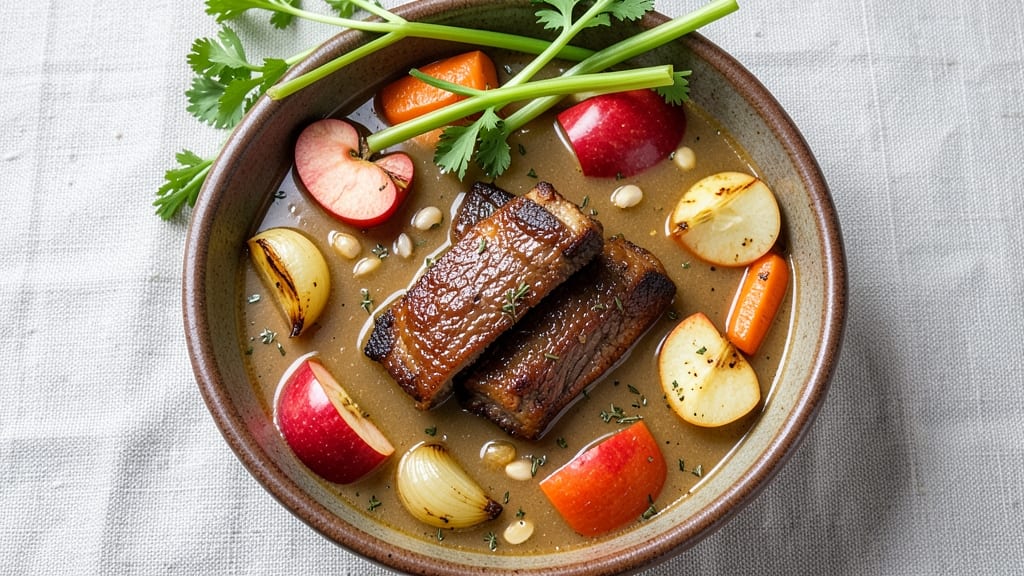
This apple carrot beef rib soup recipe transforms humble ingredients into a deeply satisfying meal where sweet apples and earthy carrots harmonize with rich, fall-off-the-bone beef ribs. The secret lies in slow-simmering—allowing flavors to meld while the ribs become tender enough to shred with a fork.
I developed this recipe after years of perfecting braised dishes, and it never fails to impress even the most skeptical eaters.
The beauty of this soup is its balance: the natural sweetness of apples and carrots cuts through the richness of the beef, creating a broth that's both comforting and complex.
You'll start with parboiled ribs to jumpstart tenderness, then build layers of flavor through sautéed aromatics and a long, low simmer. The result is a soup that's hearty enough for a cold evening but light enough for a weeknight dinner.
What you'll achieve is a bowl of soup with tender beef ribs that practically melt in your mouth, paired with carrots that soften into sweet, velvety strands and apples that add a subtle tartness.
The broth is rich and aromatic, infused with all the flavors of the vegetables and meat. This isn't just a soup—it's a meal that feels like a hug in a bowl.
Serve it with crusty bread to soak up every last drop of that flavorful broth, or garnish with fresh herbs for a pop of color. The leftovers taste even better the next day, making this the perfect recipe for meal prep. Let's get started on creating this comforting masterpiece.
Ingredients for apple carrot beef rib soup
Six ingredients make this soup's soul: tender beef ribs, sweet apples, and earthy carrots that meld into rich harmony.
| Ingredient | Amount | Notes |
|---|---|---|
| Beef Ribs 🥩 | 2 ½ lb | Bone-in, cut into 2-inch pieces |
| Yellow Onions 🧅 | 2 whole | Chopped, medium size |
| Carrots 🥕 | 1 ½ lb | Whole, peeled, cut into chunks |
| Apples 🍎 | 2 medium | Honeycrisp or Fuji, peeled, cored, sliced |
| Garlic Cloves 🧄 | 6 cloves | Peeled, smashed |
| Celery Stalks 🥬 | 3 whole | Chopped, with leaves |
| Tomato Paste 🍅 | ½ cup | Smooth, no sugar added |
| Beef Broth 💧 | 6 cups | Low-sodium preferred |
| Red Wine 🍷 | 1 cup | Dry, like Cabernet Sauvignon |
| Apple Cider Vinegar 🍏 | 1 tbsp | For brightness |
| Bay Leaves 🌿 | 2 whole | Fresh preferred |
| Thyme Sprigs 🌿 | 4 whole | Fresh, stems removed |
| Salt 🧂 | 1 ½ tsp | Kosher or sea salt |
| Black Peppercorns 🌶️ | ½ tsp | Freshly cracked |
| Olive Oil 🫒 | ¼ cup | Extra-virgin for richness |
The beef ribs are non-negotiable—bone-in and cut into 2-inch pieces for maximum flavor and tenderness. Look for chuck ribs or short ribs at your butcher or grocery store's meat counter. Costco or Whole Foods often have them pre-cut, which saves time. If you're buying a whole packer, ask for them to be cut for you—bone-in is essential for that deep, meaty flavor. For the apples, Honeycrisp or Fuji hold up best during cooking and add just the right balance of sweetness and tartness. Carrots should be firm with bright orange color—no soft spots—and the onions should be crisp, not wilted.
No red wine? Substitute with extra beef broth and a splash of balsamic vinegar—it mimics the acidity. Fresh thyme unavailable? Dried works at one-third the amount. For the tomato paste, no-sugar-added is key if you're watching sweetness. The apples can be swapped for pears or even a touch of dried apricots if you're out of fresh. Celery leaves add subtle flavor—don't toss them! If your broth is high-sodium, reduce it by half and use water to make up the difference. The olive oil matters here—extra-virgin adds richness that regular vegetable oil can't match.
This soup tastes even better the next day—flavors meld beautifully after overnight chilling. Store in airtight containers for 5-6 days in the fridge or freeze for 3 months. For meal prep, portion into individual containers so you can grab and reheat. The ribs and vegetables keep their texture perfectly when reheated gently. If you've made extra broth, freeze it in ice cube trays for future soups or sauces—waste not, want not.
Why You'll Love This Recipe
- Fewer Cuts, Same Magic: I swear, the prep here is deceptive—just chop onions, slice carrots, and dice apples (yes, with skins on). No peeling, no fancy techniques, just a knife and 10 minutes. The ribs? Toss them in whole or pre-cut from the store. Honestly, I’ve made this with one hand while scrolling through my phone.
- Sweet-Savory Balance: That first sip of broth—rich from the ribs, brightened by apples and onions—is where this soup becomes addictive. The apples soften just enough to melt into the broth, while the carrots add natural sweetness that cuts through the beef’s depth. (Yes, even my kid who hates veggies asks for seconds.)
- Leftovers That Shine: This soup only gets better after a day or two in the fridge. The flavors meld into something deeper, and reheating it is a cinch—just stir and serve. Between us, I’ve turned last night’s dinner into tomorrow’s lunch without a second thought. It’s my go-to for busy mornings or when I’m too tired to cook.
Step-by-step instructions for apple carrot beef rib soup
Transform tough beef ribs into tender, melt-in-your-mouth pieces with this slow-simmered approach.
Sear the Beef Ribs for Deep Flavor
Heat the 0.25 cup olive oil in a large Dutch oven over medium-high heat until shimmering. Pat the 2.5 lb beef ribs completely dry with paper towels—this ensures maximum browning. Working in batches if needed, add the ribs to the pot and sear for 4-5 minutes per side until deeply browned with a crust forming.
Don't crowd the pot—this prevents the temperature from dropping and guarantees that rich, caramelized crust. As the ribs sear, you'll smell that unmistakable meaty aroma developing, which forms the flavor foundation for your soup. Once all ribs are browned, transfer them to a plate and set aside temporarily.
Build the Aromatic Vegetable Base
In the same Dutch oven, reduce heat to medium and add the chopped yellow onions and chopped celery stalks. Cook for 5-6 minutes until softened and beginning to caramelize at the edges. Add the smashed garlic cloves and cook for another 30 seconds until fragrant—this prevents them from burning and imparts their full flavor.
Stir in the 1.5 lb carrots and cook for 3-4 minutes until they begin to soften slightly. Here's the thing—you want these vegetables to develop some color and flavor before adding liquids, which creates a more complex base for your soup. The carrots should still have some bite at this stage, as they'll continue cooking throughout the simmering process.
Develop the Rich Sauce Foundation
Add the 0.5 cup tomato paste and stir vigorously to coat the vegetables. Cook for 2 minutes until the tomato paste darkens slightly and blends into the vegetable mixture. Pour in the 1 cup red wine and scrape up any browned bits from the bottom of the pot with a wooden spoon—this deglazing step captures all the meaty flavors you've built.
Let the wine reduce by half, which should take about 3-4 minutes. You'll notice the alcohol smell dissipating as it cooks off, leaving behind deeper, fruitier wine notes. Add the 6 cups beef broth, 1 tbsp apple cider vinegar, 2 whole bay leaves, and 4 whole thyme sprigs, then bring the mixture to a gentle simmer.
Simmer the Ribs Until Fork-Tender
Return the beef ribs to the pot, submerging them completely in the liquid. Add the 2 medium sliced apples and 1.5 tsp salt. Partially cover the pot and simmer gently for 2.5-3 hours until the ribs are fork-tender and easily pull away from the bone. The ribs should have a rich, dark broth surrounding them and should feel soft when pierced with a fork.
I check for doneness by gently pressing the meat with tongs—it should feel like very firm tofu, not at all resistant. The apples will break down during cooking, adding natural sweetness that balances the richness of the beef. If the liquid reduces too much before the ribs are tender, add ½ cup hot water at a time to maintain the proper consistency.
Season and Finish with Fresh Herbs
Remove the beef ribs from the pot and transfer them to a serving platter. Strain the soup through a fine-mesh sieve into a clean pot, pressing on the solids to extract maximum flavor. Return the strained soup to the pot and stir in the 0.5 tsp freshly cracked black peppercorns. Taste and adjust seasoning if needed—you may need a bit more salt since we used low-sodium broth.
Return the ribs to the pot and warm through for 2-3 minutes just to heat the meat. Ladle the soup into bowls, placing a generous portion of ribs in each. Garnish with fresh thyme leaves if available, and serve immediately while hot. The contrast of tender, sweet apples and rich, savory beef creates a harmonious balance that makes every spoonful memorable.
Pro Tips For Making Apple Carrot Beef Rib Soup
- SEAR THE RIBS FIRST: Walk away from the stove after browning the ribs—don’t rush the sear. Those dark patches aren’t just for looks; they lock in flavor that won’t dissolve into the broth later. I used to skip this, and the soup always tasted like it was missing something.
- PEEL AND GRATE APPLES RAW: Skip the cooking prep for apples—just peel, core, and grate them fresh right before adding to the pot. Cooking softens them too much, turning the soup into mush. My grandmother swore by this, and she was right: the texture stays crisp, and the sweetness cuts through the richness of the beef.
- DON’T CUT CARROTS TOO SMALL: Leave them in ½-inch chunks—they’ll soften faster than you think. Tiny pieces turn to paste, and you’ll end up with a soup that’s more watery than hearty. I learned this the hard way after straining out a bowl of mushy carrot bits.
- USE COLD WATER FOR THE BROTH: Start with cold water instead of hot—it gives the ribs time to release collagen slowly, making the broth silky. Dumping in boiling water shocks the meat and keeps it tough. Sounds weird, but it works: the ribs stay tender, and the broth thickens naturally.
Common mistakes when making your apple carrot beef rib soup
Overcrowding the Pot
One of the biggest mistakes is overcrowding your Dutch oven with ribs during searing. When you pack too many ribs in at once, the temperature drops dramatically, preventing that beautiful Maillard reaction that creates deep, caramelized flavor.
I've learned this the hard way—once, I seared all 2.5 lbs of ribs at once and ended up with pale, barely browned meat. Instead, work in batches of 2-3 ribs at a time to maintain that sizzling heat. 🔥
Skipping the Parboil
Some recipes skip the initial parboil of the ribs, but this is a critical step for tenderness. I always parboil my ribs for 10-15 minutes before searing to jumpstart the cooking process. Without this step, the ribs can end up tough and chewy.
The parboil helps break down collagen and connective tissue, making the meat more tender during the long simmer. Don't rush this—it's what transforms tough ribs into melt-in-your-mouth perfection.
Rushing the Simmer Time
The ribs need that 2.5-3 hour simmer to become truly fork-tender. I've seen people try to cut corners by reducing the time, but this leads to meat that's still tough and stringy. The long, slow cook is what develops those deep, rich flavors and makes the meat fall apart.
If you're short on time, consider using a pressure cooker instead—it can cut the cooking time in half while still delivering tender results.
Ignoring the Deglaze
After searing the ribs and cooking the vegetables, scraping up those browned bits from the bottom of the pot is essential. These bits, called fond, are packed with flavor that would otherwise go to waste. I always use a wooden spoon to scrape vigorously, then deglaze with the red wine.
This step adds depth to your soup that you simply can't get otherwise. Don't skip it—it's one of the secrets to a truly flavorful soup.
Adding Apples Too Early
Apples can turn mushy if added too early in the cooking process. I always add them during the final 30-45 minutes of simmering to preserve their texture and natural sweetness. If you add them at the beginning, they'll break down completely and lose their pleasant bite.
The goal is to have them soft but still holding their shape slightly, adding that perfect sweet-tart contrast to the rich beef and carrots.
Not Adjusting Seasoning
Many people make the mistake of assuming the broth will taste perfect without any adjustments. Since we're using low-sodium broth, the soup might need a bit more salt at the end.
I always taste the soup before serving and adjust the seasoning accordingly. Remember, you can always add more salt, but you can't take it out. Also,
Nutrition facts
Frequently asked questions
Can I substitute pork ribs for beef ribs in this recipe?
Yes, but with adjustments! Pork ribs cook faster and are more tender, so reduce the simmer time to 1.5-2 hours. Use a 1:1 weight substitution and monitor closely to avoid overcooking. The flavor will be slightly sweeter and more delicate than beef, but still delicious with the apple-carrot pairing.
Why does my soup taste too sweet after cooking?
This usually happens when the apples break down too much or the broth reduces too quickly. To fix it, add 1-2 tbsp apple cider vinegar or lemon juice at the end for brightness. For future batches, add apples only in the final 30 minutes of cooking and taste frequently to adjust seasoning.
How can I make this soup vegetarian?
Swap the beef ribs for mushrooms (cremini or portobello) or extra-firm tofu, and use vegetable broth. For umami depth, add 1 tbsp soy sauce or 1 tsp miso paste when simmering. The apple-carrot combination still shines, though the texture will be lighter without meat.
Can I make this soup in an Instant Pot?
Sear the ribs first, then cook on high pressure for 45 minutes (natural release). Add apples in the last 10 minutes to prevent mushiness. The Instant Pot cuts cooking time dramatically while keeping the ribs tender—just check for doneness early and adjust if needed.
What's the best way to reheat leftovers?
Gently reheat on the stovetop over low-medium heat until just warmed through (5-7 minutes). Microwaving can make the broth watery—always reheat with a lid on to preserve texture. For extra richness, add a splash of beef broth or a pat of butter when reheating.