
Soups & Stews
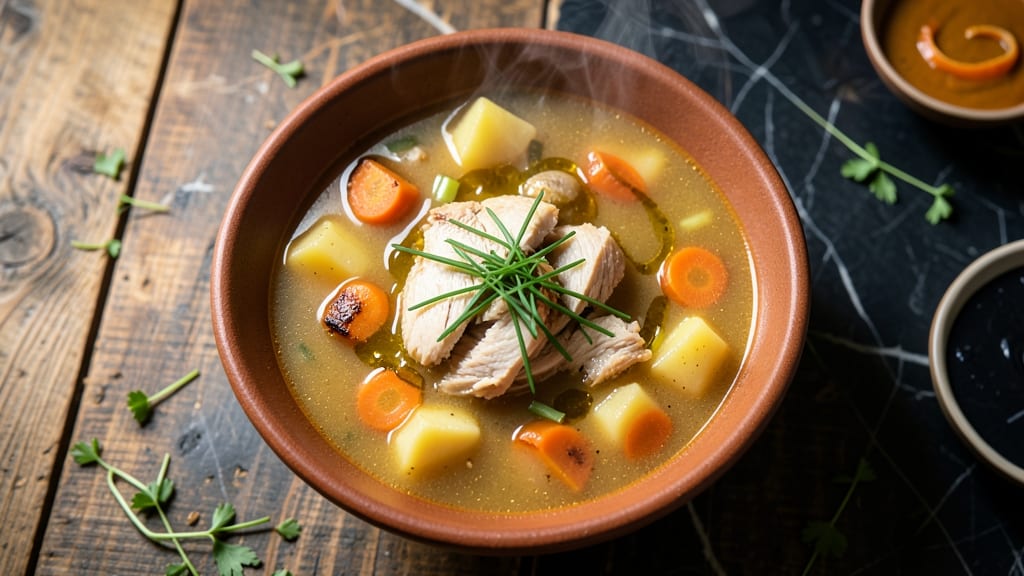
This **one-pot any soup recipe transforms simple ingredients into hearty, customizable meals that warm you from the inside out—whether you crave a classic broth-based bowl or a creamy, protein-rich stew.
The beauty lies in its adaptability: swap vegetables, proteins, and broths to match your mood, pantry, or dietary needs, all while keeping prep under 30 minutes and cleanup to a single pot.
What sets this recipe apart is its fail-safe foundation—a balanced ratio of aromatics, protein, and vegetables that cooks evenly without burning or breaking.
Start with a flavorful base (onion, garlic, celery) and build from there: add chunks of chicken for a comforting classic, tofu for a vegetarian twist, or shrimp for a lighter option. The broth simmers until deeply infused, while the vegetables soften just enough to soak up every drop of flavor.
By the time you’re done, you’ll have a restaurant-quality soup that’s rich, aromatic, and packed with texture—crisp edges on potatoes, tender protein, and herbs that brighten each spoonful. The best part? It’s ready in 45 minutes total, with minimal effort but maximum reward.
Perfect for chilly evenings, meal prep, or feeding a crowd, this recipe proves soups don’t have to be complicated to be unforgettable.
For extra depth, finish with a drizzle of cream or a squeeze of lemon, or keep it clean with fresh herbs. The variations are endless, but the method stays simple: one pot, endless possibilities**. Let’s get cooking.
Ingredients for any soup
Fifteen ingredients for a soup foundation that adapts to any craving or pantry.
| Ingredient | Amount | Notes |
|---|---|---|
| Yellow Onion 🧅 | 1 whole | Diced, for aromatic base |
| Garlic Cloves 🧄 | 4 cloves | Minced, for depth of flavor |
| Celery Stalks 🥬 | 3 whole | Diced, classic mirepoix |
| Carrots 🥕 | 2 cups | Diced, baby carrots work too |
| Russet Potatoes 🥔 | 2 cups | Diced, for hearty texture |
| Chicken Breast 🍗 | 1 ½ lb | Boneless, skinless, cubed |
| Vegetable Broth 💧 | 4 cups | Low-sodium preferred |
| Canned Diced Tomatoes 🍅 | 1 can | San Marzano preferred |
| Fresh Thyme 🌿 | ¼ cup | Leaves only, or 1 tsp dried |
| Bay Leaves 🌿 | 2 whole | Removed before serving |
| Olive Oil 🫒 | ¼ cup | Extra-virgin for richness |
| Salt 🧂 | 1 ½ tsp | Diamond Crystal preferred |
| Black Pepper 🌶️ | ½ tsp | Freshly ground preferred |
| Heavy Cream 🥛 | ½ cup | Optional for creaminess |
| Fresh Parsley 🌿 | ¼ cup | Chopped, for garnish |
The aromatic base—onion, garlic, celery—is non-negotiable for depth. Fresh thyme from the grocery store's produce section elevates this beyond canned soup territory, while San Marzano tomatoes (available at Whole Foods or specialty stores) add natural sweetness. For the broth, low-sodium vegetable broth from Pacific Foods or homemade stock works best—avoid the salty canned versions. The potatoes and carrots should be uniform in size for even cooking; baby carrots and pre-diced potatoes from the store's fresh produce section save time without sacrificing quality.
No chicken? Chickpeas or tofu add protein just as effectively, while shrimp cooks in half the time. Swap heavy cream for coconut milk to keep it vegetarian, or omit entirely for a broth-based version. The bay leaves are essential—don't skip them, but remember to remove them before serving. For extra richness, a splash of white wine (like Pinot Grigio) deglazes the pot beautifully. If using dried herbs, reduce to one-third the amount of fresh—dried thyme is potent stuff.
This soup reheats beautifully—simmer gently for 5-10 minutes to restore its depth. Store in an airtight container for 4-5 days in the fridge, or freeze for 3 months using portion-sized containers. The base ingredients (onion, garlic, celery, carrots, potatoes) can be prepped ahead and refrigerated for 2 days before cooking. For meal prep, double the recipe and freeze half—perfect for lazy weeknights when you just need warmth in a bowl.
Why You'll Love This Recipe
- Pantry Magic: I swear by this combo—onion, celery, carrot, and potato. That’s it. No fancy ingredients, just the holy trinity of soup veggies (plus potatoes for heartiness) that somehow always hits the spot. Honestly, I keep a bag of each in my pantry just for days like these.
- One-Pot Warmth: Between us, there’s nothing better than a single pot simmering on the stove while I chop veggies—no extra dishes, no stress. The potatoes soften into that perfect creamy texture, and the garlic? Oh, it infuses the whole thing with depth without needing a recipe. (Yes, even on a Tuesday night.)
- Leftovers That Shine: This soup actually improves the next day. The flavors meld, the potatoes get even tender, and I’ve reheated it for lunch three times without getting sick of it. Between us, that’s my definition of a winner—something that doesn’t feel like a chore to eat again.
- Budget-Friendly Staple: I’m not joking when I say this feeds my family of four for under $5. Carrots, potatoes, onions—these are the ingredients that don’t break the bank, and they stretch into multiple meals. Plus, if I forget to add meat, it’s still satisfying. (My kids don’t even notice.)
Step-by-step instructions for hearty chicken and vegetable soup
This one-pot method delivers restaurant-quality soup with minimal cleanup and maximum flavor.
Sauté the Aromatic Base
Heat the 0.25 cup olive oil in a large Dutch oven or heavy pot over medium heat. Add the diced yellow onion, diced celery stalks, and diced carrots, stirring occasionally for 5-6 minutes until the vegetables soften and begin to release their natural juices.
Here's the thing—you want these vegetables to develop a deep, golden color before adding the garlic. This creates the flavor foundation. When the vegetables are tender and the onion is translucent, add the minced garlic cloves and cook for an additional 30 seconds until fragrant. Be careful not to burn the garlic; it should smell sweet and inviting, not bitter.
Brown the Chicken and Add Liquids
Push the vegetable mixture to one side of the pot and add the 1.5 lb cubed chicken breast to the empty space. Cook for 4-5 minutes until the chicken develops a golden-brown crust on all sides. This step is crucial for building depth of flavor—don't skip it.
Once the chicken is browned, return all the vegetables to the pot and stir to combine. Add the 4 cups vegetable broth, 1 can diced tomatoes (with juices), 2 whole bay leaves, and 0.25 cup fresh thyme leaves. Bring the mixture to a gentle boil, then reduce heat to medium-low to maintain a steady simmer.
Simmer Until Chicken is Tender
Cover the pot and let the soup simmer for 25-30 minutes, or until the chicken is completely tender and can be easily shredded with a fork. I check for doneness by piercing the largest piece of chicken—when it slides off the fork effortlessly, it's ready.
During this time, the vegetables will soften and absorb all the wonderful flavors from the broth. If the soup starts to reduce too much and the liquid level gets too low, add ½ cup water to maintain the proper consistency. The soup should be rich but not overly thick—you want that perfect balance between broth and vegetables.
Add Potatoes and Finish Cooking
Stir in the 2 cups diced russet potatoes and continue simmering for another 15-20 minutes, or until the potatoes are fork-tender. The potatoes should absorb the flavors beautifully and become a perfect complement to the chicken and vegetables.
Season with the 1.5 tsp salt and 0.5 tsp black pepper, adjusting to taste. For an extra touch of richness, stir in the 0.5 cup heavy cream during the final 5 minutes of cooking. This step is optional but adds a lovely velvety texture to the soup.
Garnish and Serve
Remove the 2 whole bay leaves before serving. Ladle the soup into bowls and garnish each serving with 0.25 cup chopped fresh parsley. The parsley not only adds a pop of color but also brings a fresh, bright note that cuts through the richness of the soup.
Serve immediately while hot, with crusty bread on the side for dipping. This soup tastes even better the next day as the flavors continue to meld together, so consider making a double batch for leftovers. The one-pot method makes it perfect for meal prep—just reheat gently on the stove or microwave.
Pro Tips For Making Any Soup
- SWEEAT DON’T BURN: Your onions and garlic are the flavor anchors—don’t rush them. Cook them over medium-low heat until the onions are translucent and just starting to soften (about 5-7 minutes), not until they’re caramelized unless you’re going for that. Burnt garlic? That bitter punch ruins everything, and you’ll regret it later.
- CUT POTATOES EVENLY: Russet potatoes absorb liquid like sponges, so chop them into 1-inch chunks for consistent texture. I learned this the hard way—uneven pieces mean some turn to mush while others stay stubbornly underdone. (Yes, even if you’re impatient like me, resist the urge to hack them into random shapes.)
- SALT THE WATER FIRST: Add salt to your soup pot before dumping in the veggies—this guarantees every bite is seasoned, not just the surface. I used to toss salt in later and always wondered why the first spoonful tasted flat. (Your future self will thank you.)
- STIR THE CARROTS: Carrots have a habit of sticking to the bottom and burning while everything else cooks. Give them a quick stir every 5 minutes once they hit the pot—just enough to keep them moving. It’s not glamorous, but it’s the thing that matters most for avoiding bitter, charred bits.
Common mistakes when making great any soup
Over-Salting the Broth
I’ve seen this happen more times than I can count—adding too much salt early and realizing it’s too late to fix. The key is to taste your broth before adding the potatoes and protein.
Start with just ½ tsp salt and adjust as you go, remembering that canned broth and tomatoes already contain salt. If you oversalt, add a splash of milk or broth to dilute, but never add more water—it’ll dilute the flavors too much. 🧂
Skipping the Aromatics
The onion, garlic, and celery trio is the soul of your soup—don’t rush this step! If you skip sautéing them properly, your soup will taste flat and underdeveloped. Cook them until deeply golden (about 8-10 minutes) to build layers of flavor through the Maillard reaction.
I’ve tried shortcuts, and trust me, your taste buds will notice the difference.
Ignoring the Chicken’s Doneness
Undercooked chicken is a fast track to foodborne illness, but overcooked chicken turns dry and stringy. Use a meat thermometer to check for 165°F internal temperature—this is non-negotiable. If you’re shredding the chicken by hand, it should pull apart easily.
Pro tip: Remove the chicken when it’s just barely done, then let it rest in the broth for 5 minutes to finish cooking gently. 🍗
Letting the Soup Boil Vigorous
Boiling soups too hard causes the liquid to evaporate quickly, leaving you with a thick, gluey mess. Maintain a gentle simmer—small bubbles at the edges, not a rolling boil. This keeps the vegetables tender and the broth flavorful.
If your pot is too small, reduce the heat or use a larger one. I’ve burned more than one batch by being impatient here!
Adding Potatoes Too Early
Potatoes release starch quickly, which can turn your soup into a thick, pasty consistency. Add them only after the chicken and other vegetables have cooked for at least 20 minutes.
This ensures they absorb flavor without turning mushy. If your soup gets too thick, stir in ½ cup broth or water to restore balance.
Overlooking the Bay Leaves
These little leaves might seem insignificant, but they add earthy depth that’s hard to replicate. If you forget to remove them before serving, they’ll leave a bitter aftertaste. I keep a small bowl nearby to toss them in as I go—it’s a tiny habit that saves big headaches. 🌿
Nutrition facts
Frequently asked questions
Can I make this soup vegetarian?
Swap the chicken for 1 cup chickpeas (for heartiness) or 1 block firm tofu (cubed and pan-seared first). For extra protein, add 1 cup lentils or ½ cup white beans. Use vegetable broth and keep the heavy cream optional—coconut milk works beautifully for a dairy-free creamy touch.
How do I adjust the spice level?
Start with ½ teaspoon smoked paprika or ¼ teaspoon cayenne pepper for mild heat, or add 1 teaspoon chili flakes for a kick. For depth without spice, try ½ teaspoon ground cumin. Always taste as you go—you can add more, but you can't remove it!
What if I don’t have fresh herbs?
Use 1 teaspoon dried thyme (one-third the fresh amount) or ½ teaspoon dried oregano. For parsley, try 1 teaspoon dried parsley flakes or a pinch of dried basil. Pro tip: Toast dried herbs in the pot for 30 seconds before adding liquids to wake up their flavor.
Can I make this soup in an Instant Pot?
Yes! Sauté the aromatics first, then add all ingredients except potatoes. Cook on high pressure for 10 minutes, then quick-release. Add potatoes and cook on low pressure for 5 minutes. The Instant Pot cuts cooking time to 25 minutes total—perfect for busy weeknights!
How do I store and reheat leftovers?
Store in an airtight container for 4-5 days in the fridge or freeze for 3 months. To reheat, warm on the stove over medium-low heat for 5-10 minutes until bubbling. Avoid microwaving—it makes the broth watery. For extra richness, stir in 1 tablespoon cream or a splash of broth while reheating.