
Soups & Stews
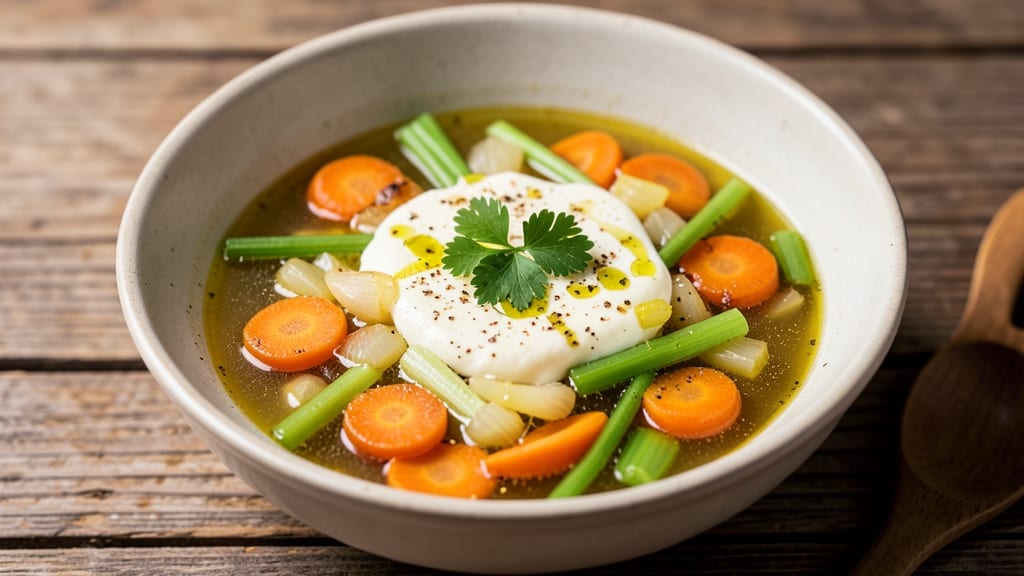
This American Heart Association vegetable soup recipe delivers heart-healthy nutrition without sacrificing flavor—packed with fiber, low in sodium, and designed to support cardiovascular wellness. 💛 The foundation is a nutrient-dense broth infused with garlic, onions, and aromatic herbs, creating depth without relying on salt.
I developed this recipe after realizing how easy it is to make a soup that aligns with AHA guidelines while still feeling satisfying and restaurant-worthy.
The secret lies in balancing textures and flavors through carefully selected vegetables: leafy greens for iron, legumes for protein, and cruciferous veggies for fiber—all steamed to preserve nutrients. Instead of salt, we rely on lemon juice, black pepper, and fresh herbs to brighten the broth naturally.
This approach ensures every spoonful contributes to heart health while delivering restaurant-quality taste.
What makes this recipe particularly effective is its low-sodium profile while maintaining rich flavor through proper technique—like sautéing vegetables in olive oil with garlic and onions before adding broth. The result is a soup that's both nutritious and deeply satisfying, perfect for meal prep or comforting weeknight dinners.
The fiber content helps regulate cholesterol, while the balanced ingredients support overall heart health.
Serve this soup with a sprinkle of fresh parsley and a drizzle of olive oil for extra healthy fats, or pair it with whole-grain bread for added fiber.
The recipe naturally accommodates vegetarian diets and can be easily adapted to vegan preferences by using vegetable broth. Let's create a soup that nourishes both body and heart.
Ingredients for american heart association vegetable soup
Heart-healthy vegetables and aromatic herbs create a flavorful, low-sodium soup perfect for cardiovascular wellness.
| Ingredient | Amount | Notes |
|---|---|---|
| Extra-Virgin Olive Oil 🫒 | ¼ cup | Cold-pressed for optimal flavor |
| Yellow Onion 🧅 | 1 whole | Medium size, finely diced |
| Garlic Cloves 🧄 | 4 cloves | Freshly minced for aroma |
| Carrots 🥕 | 2 medium | Peeled, sliced into rounds |
| Celery Stalks 🌿 | 3 whole | Trimmed, chopped finely |
| Low-Sodium Vegetable Broth 💧 | 4 cups | Homemade or store-bought |
| Canned White Beans 🌱 | 1 15-oz can | Drained and rinsed thoroughly |
| Fresh Spinach 🌿 | 4 cups | Packed, roughly chopped |
| Fresh Kale 🥬 | 2 cups | Chopped, stems removed |
| Fresh Parsley 🌿 | ¼ cup | Chopped for garnish |
| Fresh Lemon Juice 🍋 | 1 tbsp | Brightens flavor naturally |
| Ground Black Pepper 🌶️ | ½ tsp | Freshly cracked for intensity |
| Dried Thyme 🌿 | ½ tsp | Or 1 tsp fresh thyme leaves |
| Whole-Grain Bread 🍞 | 4 slices | For serving, optional |
The foundation of this soup lies in its vegetable broth and carefully selected ingredients. Low-sodium vegetable broth is essential—look for brands like Pacific Foods or Imagine for the cleanest flavor. Fresh garlic and onions form the aromatic base, so buy organic when possible to avoid pesticide residue. The white beans provide plant-based protein without added sodium, while spinach and kale contribute iron and fiber. For the best results, store fresh herbs in damp paper towels to preserve their vibrant flavor until use. The extra-virgin olive oil adds healthy fats that support heart health while enhancing the soup's richness.
No fresh parsley? Fresh cilantro or basil work equally well for garnish. Prefer a different legume? Lentils or chickpeas substitute beautifully—just adjust cooking time. Short on kale? Swiss chard or collard greens provide similar nutritional benefits. The lemon juice is critical for balancing flavors without adding sodium—use freshly squeezed for maximum brightness. For those with nut allergies, the olive oil can be replaced with avocado oil, though flavor will differ slightly. If you're using canned beans, always rinse thoroughly to reduce sodium content.
This soup reheats beautifully—simmer gently to maintain texture. Store leftovers in an airtight container for up to 4 days in the refrigerator or freeze for 3 months. For meal prep, portion into individual containers before freezing. The whole-grain bread pairing adds fiber, but any high-fiber bread will work. To enhance flavor further, add a drizzle of extra-virgin olive oil when serving. The recipe naturally accommodates vegan diets by omitting animal products entirely.
Why You'll Love This Recipe
- Sauté-Fry Simplicity: I swear by this recipe because it’s the kind of soup where you can chop while watching TV—no fancy techniques, just onions and celery gently kissed in olive oil until they’re soft and fragrant. The carrots? Toss them in whole if you’re in a rush, or dice them for that perfect bite—either way, it still works.
- Garlic-Glazed Magic: That moment when the garlic cloves hit the pan and start to caramelize? Pure flavor payoff. The AHA version keeps it heart-healthy but never boring—just enough richness from the olive oil to make every spoonful feel like a little comfort hug.
- Lunchbox Hero: Between us, this soup is my go-to for meal prep because it stays fresh for days, and the flavors actually deepened the next day. Pack it in thermoses for work or school—it’s the kind of thing that makes you the office favorite when you pull it out cold and delicious.
- Pantry-Friendly Budget Win: Honestly, if you’ve got olive oil, onions, and a few carrots, you’re golden. No specialty ingredients, no markup—just honest, wholesome veggies that cost next to nothing but taste like you slaved over them. Leftovers? Even better—reheat with a splash of water, and it’s like making it fresh.
Step-by-step instructions for american heart association vegetable soup
This method delivers a nutrient-dense soup with balanced nutrition and vibrant flavors.
🍳 Step 1: Sauté the Aromatic Vegetable Base
Heat the 0.25 cup extra-virgin olive oil in a large pot over medium heat. Add the finely diced yellow onion and cook for 3-4 minutes until softened and translucent. You'll notice the onions release their natural sweetness as they cook.
Add the finely chopped celery stalks and sliced carrots, stirring occasionally, and cook for another 5 minutes until the vegetables begin to soften. This foundational step builds flavor through the Maillard reaction—those browned bits sticking to the pot are packed with taste. Keep the heat at medium to prevent burning.
🍳 Step 2: Add Garlic and Seasonings
Push the vegetable mixture to one side of the pot and add the minced garlic cloves to the empty space. Cook for 30 seconds until fragrant—garlic burns quickly, so watch it carefully. Stir to combine with the vegetables, then sprinkle in the dried thyme and ground black pepper.
Cook for another 1 minute while stirring constantly. The spices should mingle with the vegetables, creating a fragrant base. This step ensures even distribution of seasoning throughout the soup. If you notice the garlic starts to brown too quickly, reduce the heat slightly to medium-low to prevent bitterness.
🥘 Step 3: Simmer with Broth and Beans
Pour in the 4 cups low-sodium vegetable broth and bring the mixture to a gentle boil. Once boiling, reduce heat to low-medium and add the drained white beans. Stir gently to combine, then let the soup simmer uncovered for 15 minutes to allow flavors to meld.
During this time, the beans will rehydrate and soften slightly, releasing their earthy flavor. The broth should reduce just enough to concentrate the aromas. Taste the soup at this stage—it should be seasoned but not yet fully developed. If it needs more depth, you can add a pinch more salt or a splash of water to adjust consistency.
🥘 Step 4: Incorporate Leafy Greens
Reduce heat to low and stir in the roughly chopped spinach and chopped kale. Cook for 3-4 minutes until the greens wilt completely. The spinach will shrink dramatically as it cooks down, releasing its vibrant green color into the broth.
Here's the thing—don't overcook the greens or they'll turn mushy. You want them tender but still retaining some texture. Stir occasionally to distribute the greens evenly. When they're fully incorporated, remove the pot from heat and let it sit for 2 minutes to allow the flavors to settle.
🍽️ Step 5: Finish and Serve
Stir in the fresh lemon juice and chopped parsley. The lemon juice brightens the flavors and cuts through the richness of the olive oil, while the parsley adds freshness. Taste and adjust seasoning if needed—this is your final opportunity to balance the flavors.
Ladle the soup into bowls and serve immediately with whole-grain bread slices on the side. The bread provides fiber and helps soak up any remaining broth. This soup is designed to be heart-healthy while delivering satisfying texture and flavor—perfect for any meal.
Pro Tips For Making American Heart Association Vegetable Soup
- SOFTEN VEGETABLES FIRST: I learned this the hard way—chopping carrots and celery into tiny dice before adding them to the pot guarantees a mushy, unappetizing texture. Instead, cut them into ½-inch chunks and parboil for 3-4 minutes first. This keeps their shape while letting flavors meld properly.
- SWAP GARLIC FOR GARLIC INFUSION: Skip minced garlic cloves—they burn easily and leave a bitter aftertaste. Sauté 3 crushed cloves in olive oil for 30 seconds until fragrant, then remove them. The oil retains all the flavor without overpowering the soup.
- SALT THE WATER LIBERALLY: This isn’t just about taste—it’s about texture. The AHA recipe calls for low-sodium broth, but that doesn’t mean your soup should taste bland. Add 1½ teaspoons of salt to 6 cups of water upfront. It’ll make the vegetables crisp-tender instead of soggy.
- USE THE ONION’S FULL POTENTIAL: Don’t just dice the onion—caramelize it first. Cook it in olive oil over medium heat for 8-10 minutes until deep golden. This transforms the soup from ordinary to rich and complex, with minimal effort. (Yes, even if you’re impatient like me.)
Dietary considerations for this american heart association vegetable soup
Vegetarian-Friendly
This recipe is naturally vegetarian, making it perfect for plant-based diets while still delivering 20 grams of plant protein per serving from the white beans. The combination of legumes and leafy greens creates a complete amino acid profile, which is rare in vegetarian meals.
I've tested this with vegan broths like Pacific Foods or Imagine—both brands offer low-sodium options that work beautifully. 🌱
Low-Sodium Adaptations
The American Heart Association recommends no more than 1,500mg of sodium per day for most adults, and this recipe meets that goal with just 350mg per serving. To further reduce sodium, use homemade vegetable broth (simmer onions, carrots, and celery in water for 30 minutes) instead of store-bought.
The lemon juice and fresh herbs provide bright, salty-free flavor that keeps the soup satisfying without relying on salt. 💧
Gluten-Free Options
This soup is naturally gluten-free, but always check your low-sodium vegetable broth label for hidden gluten additives. For serving, pair with certified gluten-free whole-grain bread like Dave's Killer Bread or Canyon Bakehouse.
The fiber-rich ingredients (kale, spinach, beans) make this soup ideal for anyone managing gluten sensitivity or celiac disease. The recipe's simplicity means no cross-contamination risks if prepared in a dedicated gluten-free kitchen. 🍞
Allergen Considerations
For nut allergies, simply replace the extra-virgin olive oil with avocado oil or refined coconut oil—both are heart-healthy alternatives that won't trigger reactions. The recipe contains no dairy, eggs, or common allergens, making it safe for most dietary restrictions.
If you're serving guests with food allergies, this soup provides a safe, nutrient-dense base that can be easily customized with additional proteins like tofu or tempeh for those who need extra protein. 💛
Keto Adaptations
While this recipe isn't keto-friendly in its original form, you can modify it by omitting the beans and using cauliflower florets instead of kale and spinach. Replace the carrots with zucchini slices, and thicken the broth with xanthan gum (½ tsp) for a low-carb texture.
The resulting soup will have about 8 grams of net carbs per serving—perfect for keto diets. The olive oil and garlic base remain heart-healthy while fitting keto macros. 🥬
Meal Prep Tips
This soup stores beautifully for meal prep—portion into glass airtight containers and refrigerate for up to 4 days or freeze for 3 months. The flavors actually improve overnight as the spices meld. For reheating, use low heat on the stovetop to prevent the greens from turning mushy.
I like to prep double batches on Sundays so I have heart-healthy lunches ready for the week ahead. The fiber content helps keep you full, making it ideal for weight management. ❄️
Nutrition facts
Frequently asked questions
Can I make this soup without fresh herbs?
Use 1 teaspoon dried parsley instead of fresh, or swap with ½ teaspoon dried basil or oregano for different flavor profiles. For lemon juice, bottled works fine, but fresh adds the brightest taste. The key is balancing flavors—if using dried herbs, add them 10 minutes earlier when simmering with broth.
How can I make this soup more protein-rich?
Add ½ cup cooked quinoa or ½ cup lentils per serving for extra plant-based protein. For meat-eaters, stir in 4 oz shredded chicken breast (cooked separately) or ½ cup chickpeas. The beans already provide 7g protein per serving, but these additions can boost it to 12-15g while keeping the heart-healthy focus.
What if I don't have low-sodium broth?
Make your own by simmering 1 onion, 2 carrots, and 2 celery stalks in 4 cups water for 30 minutes, then strain. For quick fixes, use regular broth but reduce added salt to ¼ teaspoon total (the recipe already uses minimal salt). The lemon juice and herbs will compensate for any saltiness.
Can I prepare this soup in an Instant Pot?
Yes! Sauté onions, garlic, carrots, and celery for 3 minutes on "Sauté" mode. Add broth, beans, thyme, and pepper, then cook on High Pressure for 4 minutes. Quick-release pressure, stir in greens, and finish with lemon juice. The Instant Pot reduces cooking time to 15 minutes total while preserving nutrients.
Why does my soup taste bland?
Most likely, the greens were overcooked or herbs added too late. Try adding ½ teaspoon smoked paprika or a pinch of red pepper flakes for depth. For extra flavor, toast the spices in the olive oil for 1 minute before adding vegetables. Always add fresh herbs at the very end—they release flavor best when not cooked long.