
Soups & Stews
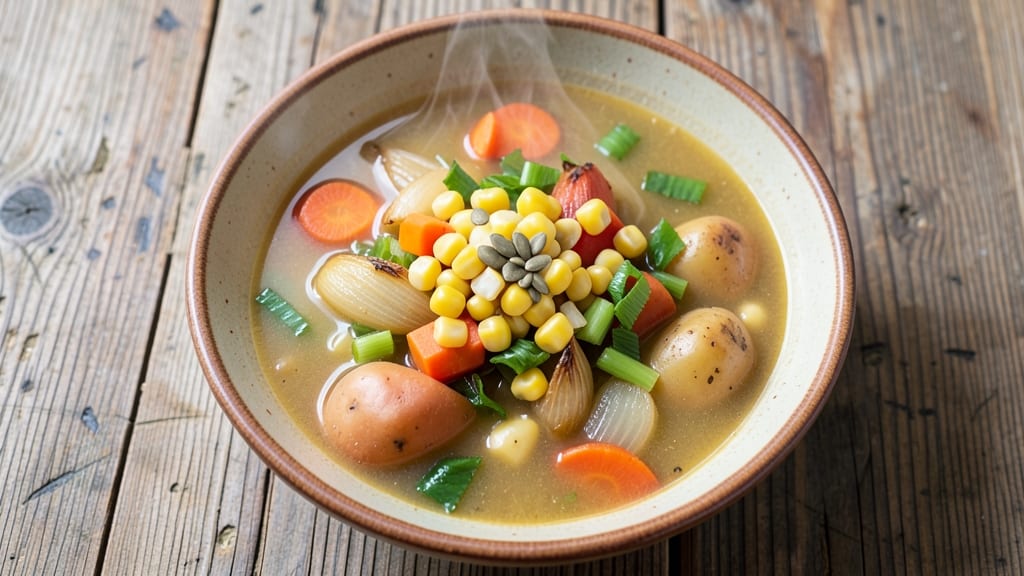
This American Bounty Vegetable Soup brings the hearty flavors of a harvest table to your kitchen in just 30 minutes. The secret lies in balancing seasonal vegetables with aromatic herbs and a rich broth, creating a soup that's both comforting and packed with nutrition.
I developed this recipe to capture the essence of American home cooking—simple, satisfying, and full of wholesome ingredients that work together in perfect harmony.
The beauty of this soup is its versatility. You can use whatever vegetables are at their peak—carrots, celery, potatoes, and corn all shine in this hearty blend. A touch of thyme and bay leaf adds depth, while a splash of cream at the end gives it that creamy, restaurant-quality finish.
It’s the kind of dish that warms you from the inside out, perfect for chilly evenings or as a light lunch when you need something nourishing.
What makes this recipe stand out is how it transforms humble ingredients into something extraordinary. The vegetables soften just enough to release their natural sweetness, while the broth absorbs all the flavors, creating a bowl that’s rich in taste and texture.
The best part? It’s easy to customize—add beans for extra protein, swap in greens for freshness, or keep it classic with the traditional mix.
Serve it with crusty bread to soak up every last drop of that flavorful broth, or enjoy it as-is for a filling meal that feels like a hug in a bowl.
This is the kind of soup that brings people together, and it’s ready to become a staple in your meal rotation. Let’s get started!
Ingredients for american bounty vegetable soup
Harvest flavors in a bowl—simple, hearty, and packed with seasonal goodness.
| Ingredient | Amount | Notes |
|---|---|---|
| Vegetable Broth 💧 | 6 cups | Low-sodium preferred for flavor control |
| Yellow Onion 🧅 | 1 whole | Diced, medium size |
| Carrots 🥕 | 4 medium | Peeled, chopped into bite-sized pieces |
| Celery Stalks 🧄 | 4 whole | Trimmed, chopped into 1-inch pieces |
| Russet Potatoes 🥔 | 2 medium | Peeled, cubed into 1-inch pieces |
| Corn Kernels 🌽 | 1 ½ cups | Fresh or frozen, thawed if frozen |
| Fresh Thyme 🌿 | 1 tbsp | Leaves only, chopped fine |
| Bay Leaf 🍃 | 1 whole | Remove before serving |
| Heavy Cream 🥛 | ½ cup | Full-fat for best texture |
| Salt 🧂 | 1 ½ tsp | Adjust to taste, kosher preferred |
| Black Pepper 🌶️ | ½ tsp | Freshly ground for best flavor |
| Butter 🧈 | 2 tbsp | Unsalted, for finishing |
| Fresh Parsley 🌿 | ¼ cup | Chopped, for garnish |
The vegetables are the stars here. Carrots and celery from the farmers market have the best sweetness—look for bright orange and crisp stalks. Russet potatoes should be firm, not sprouting, and medium-sized so they cook evenly. For the corn, fresh is ideal, but frozen works perfectly if you're short on time. I always grab a bunch of thyme and bay leaves when I see them on sale—they keep for months in a dry place and add that deep, aromatic punch. The broth is non-negotiable: low-sodium so you control the seasoning, and homemade if you've got time, but store-bought works fine too.
No fresh thyme? Dried works at one-third the amount, but trust me on the fresh stuff—it's worth the extra minute. Out of corn? Green beans or peas add a nice texture swap. The heavy cream can be swapped for half-and-half for a lighter version, or coconut milk for a dairy-free option. If you're making this ahead, skip the cream until serving—it keeps better that way. The butter at the end? Don't skip it—it ties everything together with that rich, velvety finish. And if you're using pre-chopped veggies from the store, give them a quick rinse to remove any excess starch that can make your soup too thick.
This soup tastes even better the next day—honestly, the flavors meld even more beautifully. Keeps for 4-5 days in the fridge, and freezes beautifully for up to 3 months. I like to make a big batch on Sundays so I can grab a bowl for lunch all week. Store the broth separately if you're freezing, and just reheat everything together when you're ready to eat. The parsley garnish is optional but adds that fresh pop—chop it right before serving so it stays vibrant. And if you're serving with bread, toast it first—it soaks up the broth like a dream.
Why You'll Love This Recipe
- One-Pot Wonder: I swear by this soup because it’s literally one pot—no chopping boards everywhere, no tiny bits of celery stalk hiding in the sink. Toss in the onion, carrots, celery, and potatoes, let them simmer, and boom. Done. The broth does all the work while you stir once or twice.
- Creamy Without Cream: Here’s what sold me—the potatoes break down into that perfect silky texture, but it’s still bright and savory from the broth. No heavy cream, no weird aftertaste—just the natural sweetness of carrots and the earthy bite of celery. It’s the kind of soup that tastes like you put in effort, even when you didn’t.
- Meal Prep MVP: Between us, this soup begs to be made in bulk. Double the batch, freeze half, and you’ve got a weeknight savior. Reheat it, add a swirl of olive oil or a sprinkle of cheese, and it’s like you’re eating fresh every time. My freezer is packed with these jars—because who has time for takeout?
- Budget Magic: Honestly? This recipe won’t break the bank. A handful of cheap veggies, a box of broth, and potatoes that last forever. It’s the kind of meal that stretches across lunches, dinners, and even those “I’m not hungry but I need something” moments. Plus, it’s way cheaper than ordering in—without sacrificing flavor.
Step-by-step instructions for American bounty vegetable soup
This hearty vegetable soup comes together faster than you'd think—packed with garden-fresh flavors and creamy richness.
Sauté the Vegetable Base
Heat the 2 tablespoons butter in a large pot over medium heat. Add the diced yellow onion, chopped carrots, and celery stalks, stirring occasionally for 5-6 minutes until the vegetables soften slightly and the onion becomes translucent. You'll know it's ready when the edges start to turn golden—that's your signal to add the potatoes.
I like to press down gently on the vegetables during the first few minutes to help them release their moisture and cook more evenly. This prevents them from sticking to the pot and ensures they develop a nice, caramelized flavor. If the butter starts to brown too quickly, reduce the heat slightly to medium-low and let it cook gently.
Build the Flavor Foundation
Add the cubed russet potatoes and corn kernels to the pot, stirring to combine with the sautéed vegetables. Pour in the 6 cups vegetable broth, making sure all the ingredients are fully submerged. Sprinkle in the 1 tablespoon fresh thyme, 1 whole bay leaf, 1.5 teaspoons salt, and 0.5 teaspoon black pepper. Bring the mixture to a boil over high heat, then immediately reduce the heat to medium-low to maintain a gentle simmer.
Here's the thing—this simmering step is where all the flavors meld together. Let it cook uncovered for 15-20 minutes, stirring occasionally, until the potatoes are fork-tender and the carrots are easily pierced with a knife. You want the soup to be thick enough to coat the back of a spoon but still have a nice, hearty consistency. If it looks too thin, let it simmer a little longer—the broth will reduce naturally.
Finish with Cream and Garnish
Once the vegetables are tender, remove the bay leaf and stir in the 0.5 cup heavy cream. Let the soup simmer for another 3-5 minutes until it's heated through and slightly thickened. The cream will add a luxurious richness that balances the earthy vegetables. Taste and adjust the seasoning if needed—sometimes the broth needs a little more salt or pepper to shine.
To serve, ladle the soup into bowls and garnish with the 0.25 cup chopped fresh parsley. The parsley adds a bright, fresh contrast to the creamy, savory soup. I like to serve this with crusty bread or a side salad to soak up every last bit of that delicious broth. The soup tastes even better the next day, so it's perfect for meal prep!
Pro Tips For Making American Bounty Vegetable Soup
- Sweat the Onions First: I learned this the hard way—skipping the sweat step means your soup tastes raw. Dice the onion into ¼-inch pieces, cook them in a dry pot over medium heat for 5-7 minutes until translucent and just starting to caramelize. That deep flavor builds the whole dish.
- Cut Potatoes Evenly: Uneven potatoes mean some mushy, some hard. Cube the Russets into ½-inch pieces—no smaller, or they’ll turn to paste. Use a sharp knife and keep them consistent, or your soup will have a weird texture.
- Salt the Broth Early: Taste the vegetable broth right after adding it to the pot. If it’s bland, salt it now—you can’t fix under-seasoned soup later. A pinch of salt upfront makes all the difference, especially if you’re using low-sodium broth.
- Add Potatoes Last: I used to throw everything in at once, and the potatoes always ended up rubbery. Drop them in 5 minutes before the soup finishes cooking—just enough time to soften without falling apart.
Pro cooking tips for american bounty vegetable soup
Sauté Like a Pro
Start by sweating your onions, carrots, and celery in 2 tablespoons of butter over medium heat for 5-6 minutes. The key here is patience—let them soften without browning too much.
I press down gently with a wooden spoon during the first 2 minutes to help release moisture and prevent sticking. If the butter starts to brown too quickly, reduce heat to medium-low. This foundational step builds flavor that carries through the entire soup. 🌟
Simmering Secrets
After adding broth and potatoes, bring to a boil then immediately reduce to medium-low heat. The goal is a gentle simmer—not a rolling boil—that lets flavors meld without breaking down the vegetables. I stir every 3-4 minutes to prevent sticking and ensure even cooking.
If the soup looks too thin after 15-20 minutes, uncover it and let the broth reduce naturally. Trust the process—this is where the magic happens. ⏰
Creamy Finish Tricks
Stir in ½ cup heavy cream only in the last 3-5 minutes of cooking. This prevents curdling and ensures a silky texture. For extra richness, I sometimes add 1 tablespoon of cream cheese along with the heavy cream—it blends seamlessly.
Taste before serving and adjust salt/pepper, as the cream can mellow flavors slightly. The final touch? A drizzle of melted butter on top adds depth that takes this soup to restaurant-quality. 🥛
Vegetable Prep Hacks
For even cooking, cut all potatoes to exactly 1-inch cubes—this ensures they soften uniformly. If using frozen corn, thaw it first and pat dry to prevent excess moisture from diluting your broth.
I also like to blanch carrots and celery for 2 minutes before sautéing—they soften faster and develop deeper color. This step is especially helpful if you're short on time. 🥕
Broth Boosters
Upgrade your broth by adding 1 crushed garlic clove and ½ teaspoon smoked paprika when you pour it in. For a deeper flavor, toast 1 teaspoon whole cumin seeds in the pot with the butter before adding vegetables.
These small additions transform store-bought broth into something more complex. I also keep a small pot of homemade vegetable broth in the freezer—it's worth the effort for the extra depth. 💡
Make-Ahead Mastery
This soup actually tastes better the next day as flavors meld. For best results, cool completely before refrigerating in airtight containers. When reheating, stir in 1-2 tablespoons of water or broth to restore creaminess. If freezing, add the cream fresh after thawing to maintain texture.
I like to portion individual servings before freezing so I can grab just what I need. The parsley garnish should always be added fresh—it keeps vibrant for 1-2 days in the fridge. ❄️
Nutrition facts
Frequently asked questions
Can I make this vegetable soup without cream?
For a lighter version, skip the heavy cream and stir in 1 cup vegetable broth instead. You can also use ½ cup coconut milk for a dairy-free option that still adds richness. The soup will be less creamy but still packed with flavor. For extra depth, try adding 1 tablespoon nutritional yeast at the end for a cheesy, umami note.
What vegetables can I substitute if I don't have carrots or celery?
This soup is incredibly flexible! Swap carrots for sweet potatoes or parsnips (both add natural sweetness), or use green beans or zucchini instead of celery. For a heartier version, add diced butternut squash or turnips. Just adjust cooking times—denser veggies like squash may need 5-10 extra minutes of simmering.
How do I fix soup that's too thick or too thin?
If your soup is too thick, stir in ½ cup warm broth and let it simmer for 5 minutes to restore balance. For a thinner soup, uncover the pot and simmer longer—the broth will reduce naturally. Pro tip: If using potatoes, slightly undercook them first (they'll soften more during simmering). For extra thickness without cream, mash 1 cooked potato directly into the pot.
Can I add protein to this soup?
Yes! Boost nutrition by adding 1 cup cooked white beans or lentils with the potatoes, or stir in diced chicken breast during the last 10 minutes of cooking. For a vegetarian option, try crumbled tofu or chickpeas. Just reduce the broth by ½ cup to maintain consistency. The protein will absorb the flavors beautifully.
How long will leftovers keep, and can I freeze it?
Leftovers stay fresh in the fridge for 4-5 days in an airtight container. For freezing, cool the soup completely (without cream), then portion into freezer-safe containers. Freeze for up to 3 months. When reheating, add the cream fresh after thawing to maintain texture. The parsley should be added fresh when serving—it won't freeze well.