
Soups & Stews
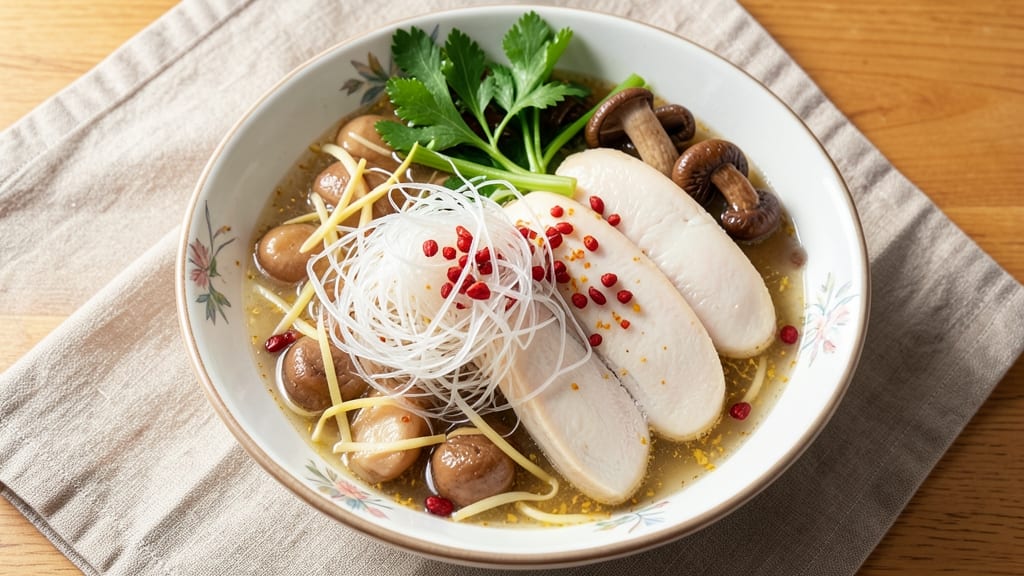
This bird nest chicken soup recipe delivers the ultimate balance of delicate gelatinous texture and rich, savory broth—every spoonful is a symphony of tradition and comfort.
The edible bird’s nest, known as yung chai in Cantonese, transforms into a silky, cloud-like consistency when properly soaked and simmered, while the chicken poaches to tender perfection.
What makes this dish extraordinary isn’t just the rarity of the bird’s nest, but how it harmonizes with the slow-braised chicken and aromatic broth, creating a dish that feels both luxurious and deeply nourishing.
The secret to authentic bird nest chicken soup lies in the preparation: soaking the bird’s nest for hours to dissolve its gelatinous goodness, then carefully straining the broth to remove impurities while preserving its clarity.
The chicken, poached in the same broth, absorbs the flavors without becoming dry, while celery crowns add a satisfying crunch that contrasts beautifully with the silky texture. This isn’t just soup—it’s a labor of love, steeped in tradition and designed to restore balance to both body and spirit.
By the time you finish this recipe, you’ll have a bowl of soup that’s as visually stunning as it is delicious: golden broth topped with delicate bird’s nest strands, tender chicken pieces, and crisp celery crowns.
The aroma alone—warm, herbal, and slightly sweet—will transport you to a bustling dim sum restaurant, while the first sip delivers a velvety, umami-rich experience that’s impossible to resist. This is the kind of dish that commands attention and leaves a lasting impression.
Perfect for special occasions or as a healing tonic, this bird nest chicken soup is a testament to the beauty of slow cooking and the power of traditional ingredients.
Whether you’re serving it to guests or treating yourself, every detail—from the soaking process to the final garnish—matters. Let’s get started on creating something truly extraordinary.
Ingredients for bird nest chicken soup
Four servings of velvety luxury—where bird’s nest strands meet tender chicken and aromatic broth.
| Ingredient | Amount | Notes |
|---|---|---|
| Bird's Nest (Yung Chai) 🍄 | ½ oz | High-quality, clean strands preferred |
| Chicken Breast 🍗 | 1 ½ lb | Boneless, skinless, cut into pieces |
| Celery Crowns 🧅 | 4 whole | Fresh, crisp stems for garnish |
| Fresh Ginger Root 🧄 | 2 tbsp | Thinly sliced, peeled |
| Dried Shiitake Mushrooms 🍄 | 4 whole | Rehydrated, stems removed |
| Dried Goji Berries 🍇 | 1 tbsp | Rinsed, for garnish |
| Dried Red Dates 🍈 | 4 whole | Pitted, soaked |
| Dried Longan Fruit 🍈 | ½ cup | Peeled, for garnish |
| White Rice Wine 🍶 | ½ cup | High-quality, dry |
| Light Soy Sauce 🥄 | 1 tbsp | Low-sodium preferred |
| Rock Sugar 🍚 | 1 tbsp | Or substitute brown sugar |
| Fresh Shallots 🧅 | 3 whole | Minced, for aroma |
| Fresh Cilantro 🌿 | ¼ cup | Chopped, for garnish |
| Sesame Oil 🫒 | 1 tsp | For finishing |
| Salt 🧂 | 1 tsp | Kosher or sea salt |
The bird’s nest is the star, so sourcing matters. Look for clean, white strands free of debris—Asian markets or specialty stores like H Mart carry the best quality. If you can’t find it fresh, dried nests work too (soak for 4-6 hours). The chicken should be free-range for better flavor, and celery crowns? Organic if possible, with crisp stems. Ginger and shiitake mushrooms should be fresh and fragrant—no musty smells allowed. For dried goji berries and longan, bulk bins at Whole Foods have the freshest options.
No bird’s nest? Silken tofu cubes mimic the texture beautifully. Fresh ginger too strong? Ginger powder at half the amount works in a pinch. Substitute dried dates with figs or apricots, and longan can be swapped for lychee or pineapple tidbits. The white rice wine can be replaced with dry sherry, and if you’re missing rock sugar, honey or maple syrup adds sweetness. For extra umami, add a dash of fish sauce (if not vegetarian) or soy sauce for depth.
Store the bird’s nest in a cool, dry place—it keeps for years if sealed properly. Soaked ingredients like dates and mushrooms should be refrigerated in airtight containers for up to 5 days. The broth base freezes beautifully for 3 months, so make extra. Celery crowns stay crisp for 1 week wrapped in damp paper towels. Garnishes like goji berries and longan keep 6-12 months in the pantry if stored in airtight containers.
Why You'll Love This Recipe
- Soup in Minutes: I swear, this broth comes together faster than takeout. The bird’s nest just soaks up warm water—no fancy rehydrating tricks—while the chicken simmers in one pot. By the time the shiitakes plump up, you’re sipping something that tastes like it took hours.
- Umami Bomb: That first spoonful? Chef’s kiss. The bird’s nest adds this delicate, jelly-like richness, but the real magic is the ginger and shiitakes—earthy, deep, and just salty enough. It’s the kind of flavor that makes you pause mid-sip, like, “Wait, how did this get so good?”
- Weeknight to Dinner Party: Between us, I’ve served this to exhausted coworkers and fancy dinner guests. The same broth works—just adjust the garnish. Add a splash of rice wine for company, or keep it simple with a sprinkle of celery crowns for a quick lunch. It’s the chameleon of soups.
- Leftovers That Don’t Suck: Honestly, I make this on Sundays because the second batch is better the next day. The flavors meld, the bird’s nest softens into the perfect texture, and the chicken stays tender. Plus, it reheats in seconds—no sad, rubbery leftovers here. Budget win, too; dried shiitakes and ginger stretch this soup for days.
Step-by-step instructions for bird nest chicken soup
Transform delicate bird's nest strands into a velvety soup with layers of umami and crunch.
Prepare the Bird's Nest and Rehydrate Ingredients
Begin by soaking the 0.5 oz bird's nest (Yung Chai) in 1 cup hot water for 30 minutes until it expands into a silky gel. This is the centerpiece of your soup—handle it gently to avoid breaking the strands. While it soaks, prepare the remaining ingredients by rehydrating the 4 whole dried shiitake mushrooms and 4 whole dried red dates in separate bowls of hot water for 20 minutes. The mushrooms should plump up while retaining their shape, and the dates should soften enough to pit easily.
Drain and rinse all rehydrated ingredients thoroughly, reserving the soaking liquid. This liquid will deepen your broth's flavor profile later. Thinly slice the 2 tbsp fresh ginger root and mince the 3 whole fresh shallots—these aromatics will form the flavor foundation of your soup. The ginger should smell vibrant and sharp, while the shallots should release their pungent aroma immediately when minced.
Build the Flavor Base and Simmer the Broth
In a large pot, combine the 1.5 lb chicken breast pieces, 1 tbsp light soy sauce, 1 tbsp rock sugar, 1 tsp salt, and 0.5 cup white rice wine. Add 8 cups water and bring to a rolling boil over high heat. Once boiling, reduce to a gentle simmer and cook for 20 minutes to extract maximum flavor from the chicken. You'll notice the broth turn cloudy as proteins release—this is normal and essential for body.
Add the minced shallots and sliced ginger to the simmering broth. Let it cook for another 15 minutes, allowing the aromatics to infuse the liquid. The kitchen should fill with a fragrant steam—this is your cue that the base is developing properly. Strain the broth through a fine-mesh sieve into a clean pot, pressing gently on the solids to extract every last drop of flavor. Discard the solids, as they've done their job.
Incorporate the Bird's Nest and Delicate Ingredients
Return the strained broth to the pot and bring it to a gentle simmer over medium-low heat. Gently stir in the expanded bird's nest strands using a silicone spatula, working from the center outward to avoid tangling. The strands should begin to float and create a delicate, web-like texture throughout the broth. Add the rehydrated shiitake mushrooms (stems removed) and the pitted red dates to the pot.
Simmer for 10 minutes on low heat, being careful not to let the broth boil vigorously—this could break the bird's nest strands. The soup should remain at a bare simmer where you see just the slightest ripple on the surface. Taste the broth and adjust seasoning with additional soy sauce or sugar if needed. The balance should be subtly sweet with a lingering umami depth from the chicken and mushrooms.
Finish with Garnishes and Serve Immediately
Remove the soup from heat and stir in the 0.5 cup dried longan fruit (peeled) and 1 tbsp dried goji berries (rinsed). These ingredients add both texture and a subtle sweetness that complements the bird's nest. Drizzle in 1 tsp sesame oil just before serving—this adds a nutty aroma and visual appeal that elevates the dish.
Ladle the soup into bowls, garnishing each serving with 2 crisp celery crowns (cut into 1-inch pieces) and 1 tablespoon chopped fresh cilantro. The celery crowns provide a satisfying crunch that contrasts beautifully with the silky broth. Serve immediately while the bird's nest strands maintain their delicate texture. Each spoonful should deliver a perfect balance of textures—creamy broth, delicate strands, and refreshing crunch.
Pro Tips For Making Bird Nest Chicken Soup
- SOAK THE NESTS FIRST: Bird’s nest (yung chai) is delicate—soak it in warm water (not boiling) for 10-15 minutes before adding to the broth. This prevents it from clumping or sticking to the pot, and it absorbs flavors better. I learned this the hard way when my first batch turned into a gloppy mess.
- SIMMER GENTLY AFTER BOIL: Once the chicken and mushrooms are added, reduce heat to a barely simmer—no rolling boil. Bird’s nest and celery crowns are fragile; aggressive heat turns them mushy. A low simmer (just tiny bubbles) keeps them intact and lets the broth develop depth without wrecking the texture.
- REMOVE GINGER EARLY: Add sliced ginger at the start for aroma, but pull it out after 10 minutes of simmering. Overcooking it makes the broth bitter, and you don’t need that harsh edge in a delicate soup like this. Fresh ginger is non-negotiable—dried won’t cut it here.
- USE CELERY CROWNS LAST: Toss in celery crowns only in the final 5 minutes of cooking. They’re tough and need minimal time to soften, but adding them early makes them turn to mush. If you’re short on time, blanch them first for 2 minutes—it cuts their cook time in half without sacrificing texture.
Health benefits of this recipe
Immunity Boost
Bird nest chicken soup is a powerhouse for immune support, thanks to its rich combination of proteins and traditional Chinese medicinal ingredients.
The bird's nest contains chitin, a compound that supports gut health and immune function, while the chicken provides 26 grams of protein per serving to help your body recover and rebuild.
The ginger and shiitake mushrooms add antioxidants and anti-inflammatory properties, making this soup a perfect choice when you're feeling under the weather. 💪
Digestive Comfort
This soup is gentle on digestion yet deeply nourishing, thanks to its easily digestible ingredients. The gelatinous texture of the bird's nest helps soothe the throat and stomach lining, while the chicken provides easily absorbed proteins that won't weigh you down.
The red dates and longan fruit add natural sweetness that aids digestion, and the celery crowns provide fiber for gut health. It's no wonder this soup has been used for centuries as a recovery tonic.
Energy Restoration
The combination of protein, complex carbohydrates from the dates and longan, and healthy fats from the sesame oil makes this soup an excellent energy booster. The rock sugar and white rice wine provide a gentle, sustained release of energy without the crash of refined sugars.
I always feel revitalized after a bowl, especially when I've been pushing through a busy week or recovering from illness. The warmth of the soup itself is comforting and helps relax tense muscles.
Bone Strength
Bird's nest is traditionally valued in Chinese medicine for its ability to strengthen bones and joints. The calcium and collagen content in both the bird's nest and chicken work together to support bone health and joint flexibility.
Regular consumption of this soup can help maintain strong bones, especially when combined with other calcium-rich foods in your diet. The ginger also aids circulation, which is beneficial for joint health.
Stress Relief
The aromatic ingredients in this soup—ginger, shallots, and white rice wine—work together to create a soothing, stress-relieving experience. The act of sipping warm broth has been shown to lower cortisol levels, while the umami flavors trigger a sense of comfort and satisfaction.
I often make this soup when I'm feeling overwhelmed, as the preparation process itself is calming and the final result is deeply nourishing for both body and mind. 🌿
Nutrition facts
Frequently asked questions
How long should I soak the bird's nest before using it?
Soak the 0.5 oz bird's nest in 1 cup hot water for at least 30 minutes until it expands into a silky gel. For best results, soak it for 1-2 hours if possible—this ensures maximum gelatinous texture. Never boil the bird's nest, as it will break apart and lose its delicate strands.
Can I substitute bird's nest with something else?
Yes! If you can't find bird's nest, use silken tofu cubes (cut into small pieces) for a similar silky texture. For a more authentic experience, try agar-agar powder (1 tsp dissolved in warm water), though the flavor won't be identical. The key is to mimic the soup's velvety mouthfeel rather than the bird's nest's unique umami.
Why does my broth look cloudy after cooking the chicken?
The cloudiness is normal and comes from released proteins and collagen—it actually adds body to your soup! To clarify it, strain the broth through a fine-mesh sieve or cheesecloth after simmering. For extra clarity, chill the broth overnight, then skim off any fat that rises to the top before reheating. This step is especially important for highlighting the delicate bird's nest strands.
How do I prevent the bird's nest strands from breaking?
Handle the strands gently with a silicone spatula, working from the center outward to avoid tangling. Keep the broth at a gentle simmer (just below boiling) and never stir vigorously. If strands break, don't worry—they'll still taste amazing, but for the most elegant presentation, maintain low heat and minimal agitation.
Is this soup suitable for people with gluten intolerance?
Yes, this recipe is naturally gluten-free! Double-check your soy sauce label for gluten-free certification if needed. The ingredients like bird's nest, chicken, ginger, and mushrooms are all gluten-free. For extra caution, use tamari instead of regular soy sauce. The soup remains rich and flavorful without any gluten-containing ingredients.