
Soups & Stews
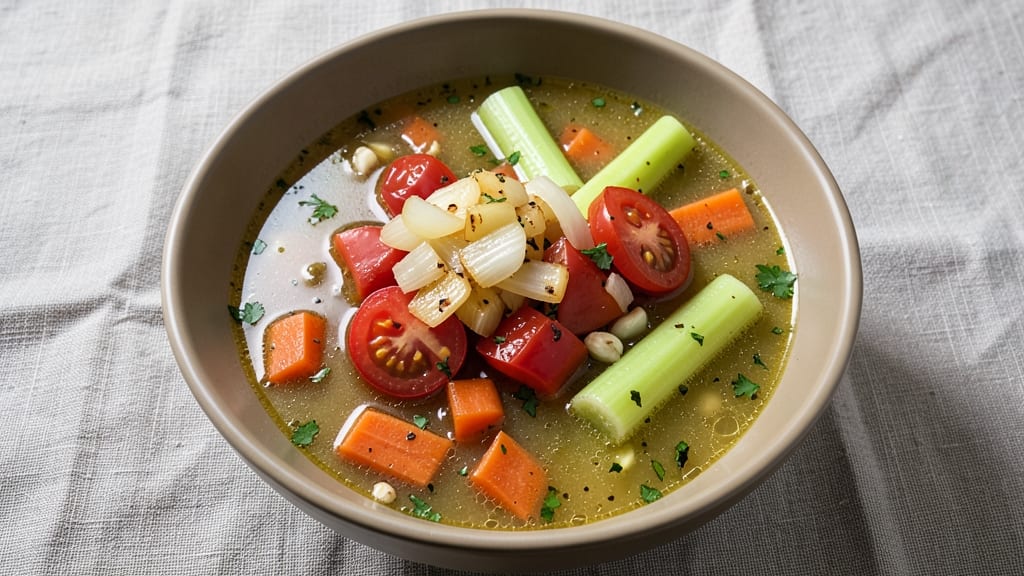
Bill Miller's vegetable soup recipe transforms simple ingredients into a deeply flavorful, one-pot masterpiece that warms the soul and satisfies the palate. This classic dish, rooted in traditional techniques, delivers herb-infused depth without requiring specialized skills—just patience and a few key steps.
The secret lies in building layers of flavor through slow simmering and aromatic herbs that infuse every spoonful.
What makes this recipe stand out is its adaptability—whether you're working with seasonal produce or pantry staples, the foundation remains the same. The one-pot approach simplifies cleanup while ensuring the vegetables develop tender, caramelized edges and a broth so rich it feels like a hug in a bowl.
Perfect for weeknight dinners or meal prep, this soup scales effortlessly for any gathering.
The result is a vibrant, hearty vegetable soup where each ingredient—from earthy carrots to delicate herbs—contributes to a harmonious balance of textures and flavors. The aroma alone will have everyone anticipating dinner, while the first bite delivers on that promise: a comforting, restaurant-quality meal made entirely at home.
Ready in about 45 minutes, this recipe proves that tradition and convenience can coexist beautifully. Whether you're serving it to family or treating yourself, the simplicity of the method belies the depth of flavor you'll achieve. Let's get started on creating this timeless classic.
Ingredients for bill miller vegetable soup
Sixteen ingredients harmonize to create Bill Miller's herb-infused vegetable soup masterpiece.
| Ingredient | Amount | Notes |
|---|---|---|
| Yellow Onion 🧅 | 1 ½ cups | Diced, medium dice preferred |
| Carrots 🥕 | 2 lbs | Whole, peeled and chopped |
| Celery Stems 🌿 | 4 whole | Trimmed and chopped |
| Garlic Cloves 🧄 | 6 cloves | Peeled, minced for depth |
| Canned Diced Tomatoes 🍅 | 2 cups | San Marzano preferred |
| Vegetable Broth 💧 | 6 cups | Homemade or low-sodium |
| Fresh Thyme Sprigs 🌿 | 2 whole | Leaves only, stems discarded |
| Fresh Parsley Sprigs 🌿 | 1 whole | Leaves only, chopped |
| Fresh Bay Leaves 🍃 | 2 whole | Removed before serving |
| Potatoes 🥔 | 2 lbs | Yukon Gold, cubed |
| Extra-Virgin Olive Oil 🫒 | ½ cup | For sautéing aromatics |
| Salt 🧂 | 1 ½ tsp | Diamond Crystal preferred |
| Ground Black Pepper 🌶️ | 1 tsp | Freshly ground for finish |
| Vegetable Oil 🫒 | 2 tbsp | For pot preparation |
The foundation begins with the aromatic trio: yellow onion, celery, and carrots—what Bill calls his 'holy trinity' for vegetable soups. Shop for organic produce when possible, as the skins contain concentrated nutrients that infuse the broth during simmering. For the best flavor, select firm carrots with vibrant orange color and crisp celery stalks—avoid those with yellowed leaves or wilted stems. Costco or local farmers' markets consistently offer the freshest seasonal options. The potatoes deserve special attention too: Yukon Golds break down beautifully while maintaining a creamy texture, but any waxy variety will work. Pre-chop your vegetables if short on time, but peeling the carrots and potatoes ensures a cleaner presentation and prevents bitterness from the skins.
No fresh thyme? Dried thyme at one-third the amount delivers comparable depth, though fresh imparts a brighter, more complex profile. San Marzano canned tomatoes elevate the dish with their natural sweetness and acidity, but any high-quality diced tomatoes will suffice. Substituting mushrooms for half the potatoes adds umami richness, while spinach or kale can be stirred in during the last 5 minutes for added nutrients. For those with dietary restrictions, ensure your vegetable broth is gluten-free—many store-bought versions contain hidden wheat. The extra-virgin olive oil should have a peppery finish and fruity aroma; California Olive Ranch or Colavita are reliable brands for consistent quality.
This soup develops richer flavors overnight, so double the batch and store leftovers in airtight containers for up to 5 days in the refrigerator. For longer storage, portion into freezer-safe containers and freeze for up to 3 months. The herbs can be added fresh at serving time if preferred, but removing the bay leaves before eating is essential. Reheat gently on the stove with a splash of broth to maintain texture. Portion into individual jars for meal prep—each serving becomes a comforting reminder of home-cooked meals. The soup's versatility makes it ideal for holiday gatherings or weeknight family dinners, where it effortlessly becomes the centerpiece.
Why You'll Love This Recipe
- No-Chop Shortcuts: I swear by this recipe because you can literally chop while the pot heats—carrots and celery stay whole if you’re in a rush, and the onions soften fast. That garlic? Just a quick minced press while the tomatoes simmer—no fancy prep.
- Tomato-Garlic Magic: Between us, the canned tomatoes and raw garlic cloves create this unexpected depth—sweet, tangy, and just a hint of bite. It’s the kind of flavor that makes you want to eat it straight from the pot, no bread needed.
- Lunchbox Hero: This soup is my go-to for meal prep because it reheats beautifully and travels well. Pack it in thermoses for work or school—it’s hearty enough to fill you up, but light enough to not weigh you down. (Yes, even on a Tuesday night.)
- Pantry Staple Savior: Honestly, if you’ve got onions, carrots, celery, and a can of tomatoes, you’ve got dinner. It’s the ultimate budget-friendly fix when you’re low on fresh ingredients but still want something ridiculously good. Leftovers? Even better the next day.
Step-by-step instructions for herb-infused vegetable soup
Master this one-pot technique for a vegetable soup rich with layered herb flavors.
Sauté the Aromatic Vegetable Base
Heat the 2 tablespoons vegetable oil in a large Dutch oven over medium heat. Add the 1.5 cups diced yellow onion, 2 lbs chopped carrots, and 4 whole chopped celery stems. Cook for 8-10 minutes, stirring occasionally, until the vegetables soften and the onions become translucent.
This foundational step develops the soup's depth. I press down gently with a wooden spoon to release moisture from the vegetables, ensuring even cooking. If the vegetables begin to brown too quickly, reduce the heat slightly to medium-low. The goal is to create a flavorful base without burning the vegetables.
Incorporate Garlic and Tomatoes
Add the 6 cloves minced garlic and stir for 30 seconds until fragrant. Immediately add the 2 cups canned diced tomatoes and cook for 2 minutes to meld the flavors. The tomatoes will release their juices, creating a slightly thickened base.
Here's where the herb infusion begins. Add the 2 whole fresh thyme sprigs and 1 whole fresh parsley sprigs, removing the leaves from their stems and discarding the stems. Stir in the 2 whole fresh bay leaves and the 0.5 cup extra-virgin olive oil. The olive oil helps distribute the herbs' flavors throughout the soup.
Build the Soup with Broth and Potatoes
Pour in the 6 cups vegetable broth and bring the mixture to a gentle boil. Add the 2 lbs cubed Yukon Gold potatoes and reduce the heat to low. Simmer uncovered for 20-25 minutes, stirring occasionally, until the potatoes are fork-tender and the soup thickens slightly.
I use a wooden spoon to gently stir the potatoes, ensuring they don't break apart. If the soup reduces too quickly, add ½ cup hot water to maintain the desired consistency. The potatoes should be tender enough to pierce with a fork but still hold their shape.
Season and Finish
Remove the 2 whole fresh bay leaves and discard them. Stir in the 1.5 teaspoons salt and 1 teaspoon freshly ground black pepper. Taste the soup and adjust the seasoning if needed. The soup should be well-seasoned but not overly salty.
Simmer the soup for an additional 5 minutes to allow the flavors to meld. For a smoother texture, use an immersion blender to lightly blend half the soup until slightly thickened, then stir it back into the pot. This step creates a velvety consistency while maintaining the soup's rustic charm.
Pro Tips For Making Bill Miller Vegetable Soup
- Sweat the Aromatics Slow: Bill Miller’s recipe relies on those onion, celery, and carrot bases—don’t rush them. After the initial chop, cook them on medium-low heat for at least 8-10 minutes, stirring occasionally, until the onions turn golden and the edges of the celery darken just slightly. I used to crank the heat and wonder why my soup tasted flat; patience here builds flavor.
- Cut Carrots Uniformly: Dice carrots into ¼-inch pieces—no bigger, no smaller. Larger chunks stay crunchy and undercooked, while smaller ones turn to mush. Use a sharp knife and keep your cuts consistent; this ensures even cooking and a balanced texture in every spoonful.
- Drain and Crisp Tomatoes: After adding canned tomatoes, drain them first, then pat the drained pieces dry with a paper towel. This prevents a watery soup and lets the tomatoes caramelize slightly when simmered, adding depth. (Yes, it’s extra work, but the difference is noticeable.)
- Simmer Gently After Adding Garlic: Once you toss in the garlic, reduce heat to a bare simmer—no boiling. Garlic burns faster than you’d think, and bitter garlic ruins the whole dish. Keep it at a low bubble, and taste-test before adding salt; you’ll catch it if it’s turning sharp.
Make-ahead tips for this bill miller vegetable soup
Prep Ahead Strategy
I recommend chopping all your vegetables the night before and storing them in airtight containers in the fridge. This saves 15-20 minutes of prep time on cooking day. Keep the onions, carrots, celery, and potatoes in separate containers to prevent them from releasing moisture and becoming soggy.
The garlic can be minced ahead too—just store it in a small sealed container. 💡
Broth Prep Shortcut
Make a big batch of vegetable broth while you're prepping—it freezes beautifully for up to 3 months. Use 6 cups directly from your freezer stock; no thawing needed.
I like to reduce homemade broth by simmering it uncovered until slightly concentrated before freezing, which intensifies the flavor. For convenience, Imagine brand low-sodium broth works well too.
Herb Prep Tips
Wash and dry all fresh herbs thoroughly before storing. Place thyme and parsley sprigs in small zip-top bags with a paper towel to absorb moisture, then refrigerate for up to 5 days. For the bay leaves, keep them whole in a sealed container away from light.
When ready to cook, simply remove the leaves from their stems—no further prep needed. This keeps your herbs fresh and ready for instant flavor infusion. 🌿
Potato Pre-Cooking
For even faster cooking, parboil the potatoes for 5 minutes before adding them to the soup. Drain well and let them cool completely before cubing. This reduces the simmering time in the soup by about 10 minutes.
Store pre-cubed potatoes in the fridge for up to 2 days before cooking. Just be sure to pat them completely dry to prevent the soup from becoming watery.
Freezer-Friendly Assembly
Assemble the entire soup (except fresh herbs) up to 2 days ahead and refrigerate. When ready to serve, simply reheat on the stove with ½ cup extra broth or water.
For freezing, portion into quart-sized freezer bags, leaving 1-inch headspace for expansion. Thaw overnight in the fridge before reheating. The flavors actually improve after freezing and thawing! ❄️
Herb Refreshment
If using frozen herbs, thaw them completely before adding to the soup. For best results, add fresh herbs only at the end of cooking or just before serving. I keep a small container of chopped parsley in the freezer—just add 1 tablespoon per serving when reheating.
This maintains vibrant color and fresh aroma without compromising the soup's texture. 🌟
Nutrition facts
Frequently asked questions
Can I make this vegetable soup without fresh herbs?
Use ½ teaspoon dried thyme and ½ teaspoon dried parsley instead of fresh sprigs. For bay leaves, the dried version works too—just use 1 whole dried bay leaf (remove before serving). The flavor will be slightly less vibrant but still delicious.
How do I adjust the soup for a thicker or thinner consistency?
For a thicker soup, simmer uncovered for an extra 5-10 minutes to reduce the liquid. If it gets too thick, add ½ cup hot vegetable broth at a time. For a thinner soup, simply add more broth during cooking. The potatoes should be tender but not mushy—adjust cooking time accordingly.
Can I substitute other vegetables in this recipe?
Yes! Swap in zucchini, bell peppers, or green beans for some of the carrots or potatoes. For heartier soups, add ½ cup cooked lentils or chickpeas. Just adjust cooking times—tender vegetables like zucchini should go in during the last 5 minutes of simmering.
Why does my soup taste bland after reheating?
Reheating can mute flavors, so always add fresh herbs (like parsley) and a pinch of salt when warming. For extra depth, stir in 1 tablespoon lemon juice or a splash of white wine while reheating. The key is to taste and adjust—this soup always improves with a little extra seasoning!
Is this soup kid-friendly, and how can I make it more appealing?
Yes! Blend half the soup for a creamy texture or leave it chunky. Top with grated Parmesan cheese, a drizzle of olive oil, or a sprinkle of crispy fried onions for extra appeal. For picky eaters, serve with crusty bread or a side of crackers to dip.