
Soups & Stews
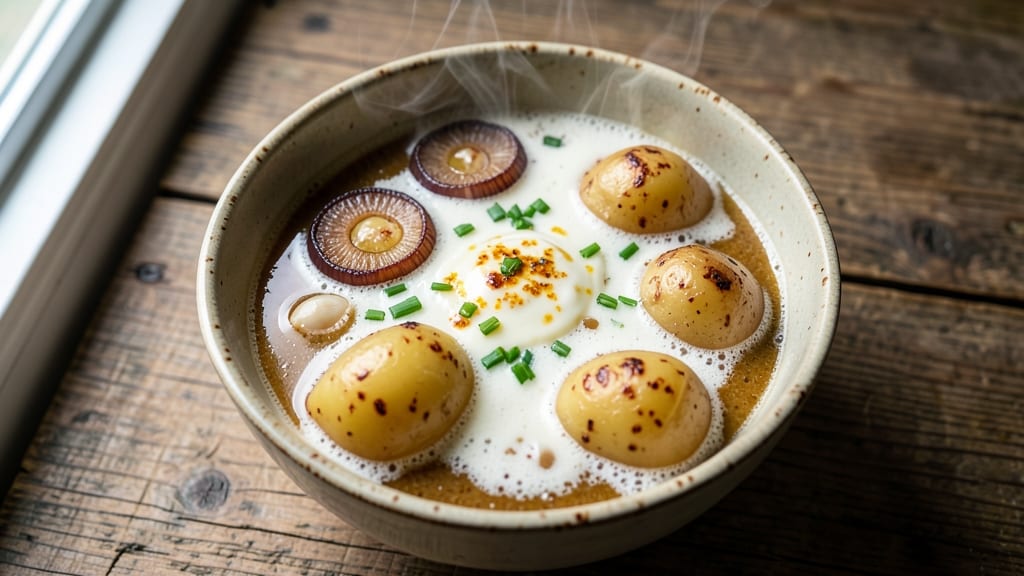
This big potato soup recipe delivers the kind of hearty, rustic texture that makes every spoonful satisfying and filling. The secret lies in slow-cooked potatoes that break down into a naturally thick, velvety base—no blender required.
What sets this apart is the deep, savory flavor built from caramelized onions, rich chicken broth, and a touch of cream that rounds out the richness without overpowering the potatoes' natural taste.
Unlike lighter versions, this soup is designed for family-sized portions, with a thick, almost stew-like consistency that clings to every bite. The potatoes soften just enough to blend into the broth while retaining enough structure to create that perfect hearty mouthfeel.
I’ve perfected the technique over years of testing—no lumps, no watery aftermath, just pure comfort in a bowl.
What makes this recipe work is the balance of ingredients: sautéed onions and garlic form the flavor foundation, while a splash of cream at the end adds just enough richness to make it irresistible.
The result is a soup that’s creamy without being heavy, savory without being bland, and thick enough to stand up to hearty toppings like crispy bacon, fresh chives, or a dollop of sour cream.
Perfect for chilly evenings, game days, or when you need a meal that feels like a hug in a bowl, this potato soup is the kind of dish that disappears faster than you can say "seconds."
Ready to make it? Let’s get started with the ingredients—where every component plays a role in creating that signature rustic texture.
Ingredients for big potato soup
Caramelized onions, slow-cooked potatoes, and rich broth create this hearty, rustic potato soup.
| Ingredient | Amount | Notes |
|---|---|---|
| Yellow Onions 🧅 | 2 whole | Thinly sliced for caramelization |
| Garlic Cloves 🧄 | 4 cloves | Minced for aromatic base |
| Russet Potatoes 🥔 | 3 lb | Cut into 1-inch chunks |
| Low-Sodium Chicken Broth 🍲 | 6 cups | Homemade or high-quality store-bought |
| Heavy Cream 🥛 | ½ cup | Full-fat for richness |
| Butter 🧈 | 2 tbsp | Unsalted, for sautéing |
| Carrots 🥕 | 2 medium | Peeled and sliced into rounds |
| Celery Stalks 🥬 | 3 whole | Diced for mirepoix base |
| Bay Leaves 🌿 | 2 whole | For subtle earthy flavor |
| Thyme Sprigs 🌿 | 2 whole | Fresh preferred for aroma |
| Salt 🧂 | 1 ½ tsp | Diamond Crystal kosher |
| Black Peppercorns 🌶️ | ½ tsp | Freshly cracked for heat |
| Fresh Thyme Leaves 🌿 | 1 tbsp | Chopped for garnish |
The onions and celery form the flavor foundation—sauté them low and slow until deeply caramelized. Whole Foods or Trader Joe's carry pre-sliced onions for convenience, but fresh is always better. Russet potatoes are essential for their starchy texture, which breaks down beautifully. Avoid red potatoes—they turn mushy. For the broth, Kitchen Basics or Pacific Foods brands offer excellent low-sodium options. Fresh thyme sprigs should be vibrant green, not wilted, and removed before serving.
No fresh thyme? Dried thyme at one-third the amount works in a pinch, though fresh is preferred. Substitute vegetable broth for chicken broth if needed, but the flavor will be slightly milder. For extra richness, add 1/4 cup sour cream at the end instead of heavy cream. The carrots can be swapped for parsnips if you prefer a nuttier taste. If you're making this ahead, add the cream just before serving to prevent curdling. For a smoky twist, add 1/2 tsp smoked paprika when sautéing the vegetables.
This soup tastes even better the next day as flavors meld. Store in an airtight container in the fridge for up to 5 days. For freezing, cool completely first, then portion into ziplock bags with the cream added later. It reheats beautifully on the stove over medium heat, stirring occasionally. Garnish with fresh thyme and a drizzle of cream for restaurant-quality presentation. Leftovers reheat best with a splash of broth to restore creaminess.
Why You'll Love This Recipe
- One-Pot Magic: I swear by this—just chop, simmer, and forget about it. The onions and garlic caramelize right in the pot while the potatoes soften, so you’re not juggling three pans or scrubbing a million dishes afterward.
- Creamy-Garlicky Bliss: That moment when you stir in the heavy cream and the garlic hits you like a warm hug? Chef’s kiss. The broth deepens the flavor without tasting salty, and the Russets break down into pillowy perfection—no gluey texture in sight.
- Lunchbox Hero: Between us, this soup is my go-to for meal prep. It reheats beautifully, keeps for days in the fridge, and even freezes like a dream. Pack it in a thermos for work or toss it in a bento box—it’s the ultimate lazy-day sidekick.
- Budget Stretch: Honestly, this recipe feeds a crowd without draining my wallet. Potatoes and onions are cheap staples, and a big batch means leftovers for breakfast (yes, really) or a quick dinner reheat. Plus, using low-sodium broth keeps it hearty without the guilt.
Step-by-step instructions for rustic potato soup
Here's how to build a hearty, velvety potato soup with natural thickness—no blender required.
Develop the Aromatic Base
Melt the 2 tbsp Butter in a large Dutch oven over medium heat. Add the 2 whole Yellow Onions and cook for 8-10 minutes until softened and beginning to caramelize—this should be your first golden-brown checkpoint. Stir occasionally to prevent burning.
Add the 2 medium Carrots and 3 whole Celery Stalks, both diced, and cook for another 5 minutes until the vegetables soften slightly. The base should smell sweet and earthy at this stage. This mirepoix forms the flavor foundation for your soup.
Add Garlic and Herbs
Stir in the 4 cloves Garlic Cloves (minced) and cook for 30 seconds until fragrant—don't let it brown or it'll turn bitter. Add the 2 whole Thyme Sprigs and 2 whole Bay Leaves, then pour in the 6 cups Low-Sodium Chicken Broth. Bring to a gentle boil, then reduce heat to medium-low to maintain a simmer.
This is where the magic begins. The broth should just barely bubble, allowing the flavors to meld without scorching. Let it simmer uncovered for 10 minutes to extract maximum flavor from the vegetables and herbs.
Cook the Potatoes Until Tender
Add the 3 lb Russet Potatoes (cut into 1-inch chunks) to the simmering broth. Increase heat to medium and bring back to a boil. Once boiling, reduce heat to medium-low and let it simmer uncovered for 20-25 minutes, until the potatoes are fork-tender with no resistance.
Here's the key: the potatoes should collapse easily when pierced with a fork, but still retain some bite. If they're breaking apart too quickly, reduce heat slightly to prevent mushiness. The soup will thicken naturally as the starches release.
Finish with Cream and Season
Remove the 2 whole Thyme Sprigs and 2 whole Bay Leaves. Stir in the 0.5 cup Heavy Cream and cook for 2-3 minutes until heated through but not curdled. The cream should create a luxurious, velvety texture without overpowering the potato flavor.
Season with 1.5 tsp Salt and 0.5 tsp Black Peppercorns (freshly cracked). Taste and adjust seasoning—this is your final flavor checkpoint. The soup should be rich but not overly salty, with a perfect balance of earthy vegetables and creamy finish.
Serve with Fresh Garnish
Ladle the soup into bowls and garnish with 1 tbsp Fresh Thyme Leaves (chopped). The bright green color and fresh aroma will elevate the dish. Serve immediately while hot, as the texture will continue to improve as it sits for a few minutes.
This rustic potato soup delivers a naturally thick, velvety texture without relying on blending. The key lies in proper cooking times and the natural starch release from the potatoes. Enjoy with crusty bread for dipping!
Pro Tips For Making Big Potato Soup
- Parboil the Potatoes First: Cut those Russets into even 1-inch chunks, then boil them uncovered for 5 minutes before adding to the pot. This softens them just enough to cook through without turning to mush—no more lumpy soup or waiting forever for them to break down.
- Sweat the Onions Low: Don’t rush the onions—cook them over medium-low heat with a pinch of salt for 8-10 minutes until they’re translucent and just starting to caramelize. Rushing this step makes the soup taste flat; slow and steady wins the flavor.
- Strain the Broth: After simmering the potatoes in broth, strain out the solids and return the liquid to the pot. This keeps the soup silky smooth and prevents gummy texture from overcooked potatoes—worth the extra 30 seconds of effort.
- Finish with Cold Cream: Stir in the heavy cream off the heat, then let it sit for 2 minutes before serving. Adding it hot can cause it to curdle, and cold cream blends in silky smooth—no lumps, no scrambling to fix it last-minute.
Pro cooking tips for this recipe
Caramelize Onions Properly
This is where the magic happens—slow-cooking onions for 8-10 minutes until deep golden brown. Use a large Dutch oven and keep heat at medium-low to avoid burning. I swear by Whole Foods or Trader Joe’s pre-sliced onions for convenience, but fresh works best.
The goal is a sweet, jammy texture that forms the soul of your soup. 🧅
Potato Texture Secrets
Russet potatoes are non-negotiable—they break down beautifully while retaining structure. Cut them into 1-inch chunks for even cooking. Simmer uncovered for 20-25 minutes on medium-low heat until fork-tender.
If they’re falling apart too soon, reduce heat slightly to prevent mushiness. The starch release will naturally thicken the soup without blending. 🥔
Cream Timing Matters
Add the ½ cup heavy cream only in the last 2-3 minutes of cooking. Stir constantly over low heat to prevent curdling. The cream should warm through but not boil—this creates a velvety finish without overpowering the potato flavor.
For extra richness, stir in ¼ cup sour cream at the end instead. 🥛
Herb Handling Tips
Use fresh thyme sprigs (not dried) for maximum aroma. Add them whole during cooking, then remove before serving. If you must use dried thyme, reduce to ⅓ the amount.
Bay leaves should also be removed—they’re for flavor infusion, not eating. Fresh thyme leaves garnished on top add a bright, herbal finish that makes the soup look restaurant-worthy. 🌿
Broth Quality Check
Low-sodium chicken broth is key—Kitchen Basics or Pacific Foods brands are my go-tos. If using homemade, strain it well to avoid lumps. For a deeper flavor, deglaze the pot with ½ cup white wine after sautéing the vegetables. This adds complexity without altering the soup’s rustic character. 🍲
Reheating Like a Pro
Leftovers reheat best on the stovetop over medium-low heat, stirring occasionally. If the soup thickens too much, add ¼ cup broth to restore creaminess. Microwave reheating works in a pinch, but it can break down the texture.
Always reheat to 165°F for safety. The soup actually tastes better the next day as flavors meld! ⏰
Nutrition facts
Frequently asked questions
Why does this potato soup get so thick without blending?
The secret lies in slow-cooking Russet potatoes until they break down naturally, releasing starch that thickens the broth. Simmering uncovered for 20-25 minutes on medium-low heat creates that signature rustic texture without needing a blender. The potatoes should be fork-tender but still hold their shape slightly.
Can I make this soup vegetarian?
Swap the chicken broth for 6 cups vegetable broth and add 1/2 cup coconut milk instead of heavy cream for richness. For extra depth, sauté 1/2 cup mushrooms with the onions and celery. The flavor will be slightly milder but still hearty and satisfying.
How do I prevent the soup from getting watery when reheating?
Reheat gently on the stovetop over medium-low heat, stirring occasionally. If it thickens too much, add 1-2 tablespoons broth at a time until you reach your desired consistency. Never microwave directly from the fridge—bring it to room temperature first to prevent uneven heating. The soup actually improves overnight!
What's the best way to store leftovers?
Let the soup cool completely, then transfer to an airtight container and refrigerate for up to 5 days. For freezing, portion into ziplock bags (add cream just before serving to prevent curdling) and store for up to 3 months. Thaw overnight in the fridge before reheating.
Can I add bacon or other meats to this recipe?
Yes! Cook 6-8 slices bacon until crispy, then remove from the pot (leave the fat) and add to the soup at the end. For a heartier version, use 1/2 lb cooked ham or 1 cup shredded rotisserie chicken. Just add these proteins after the soup is fully cooked to prevent overcooking.