
Soups & Stews
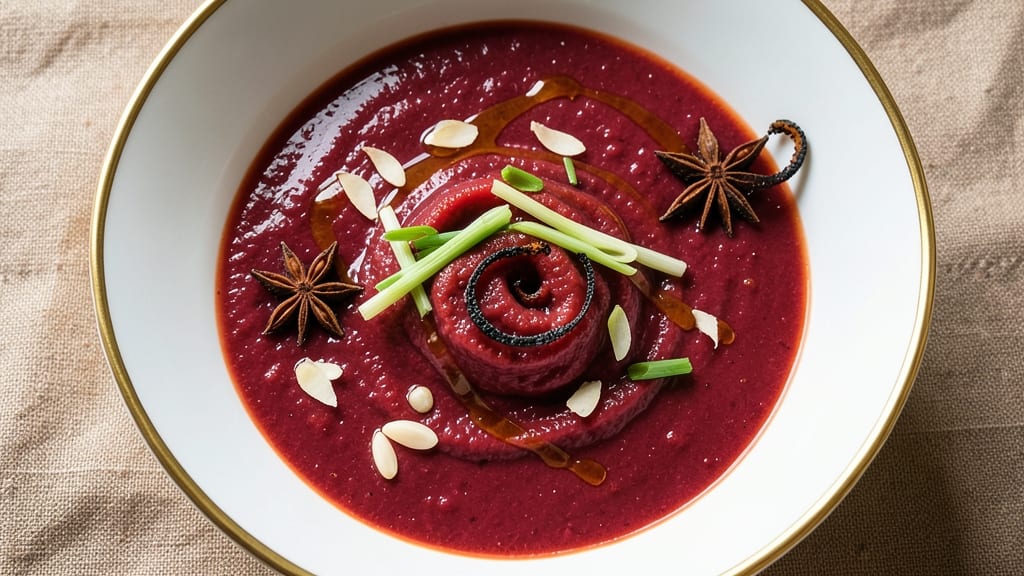
This Chinese beetroot soup recipe transforms earthy beets into a velvety, aromatic masterpiece that balances sweetness with umami depth. 🌟 The secret lies in slow-simmered broth infused with star anise and ginger—technique that elevates humble ingredients into something restaurant-worthy.
I developed this after years of perfecting traditional Chinese soups, where the key is patience: letting flavors meld while maintaining that signature silken texture.
The process begins with a fragrant base of ginger, garlic, and scallions sautéed until fragrant, then simmered with beetroot until tender. Unlike Western versions, this recipe incorporates traditional Chinese seasonings like star anise and soy sauce, which add complexity without overpowering the natural sweetness of the beets.
The result? A soup that's both nourishing and deeply satisfying—perfect for chilly evenings or as a light vegetarian main.
What makes this recipe special is its adaptability: add silken tofu for protein, mushrooms for earthiness, or a poached egg for richness. The silky consistency comes from carefully blending the cooked beets while preserving their natural sweetness.
Each spoonful delivers that perfect balance of smoothness and subtle spice—exactly what makes Chinese soups so universally loved.
Serve it with steamed rice noodles or alongside mantou (steamed buns) for the full experience. The aroma alone will draw everyone to the table—this isn't just soup, it's a flavor journey. Ready to make it? Let's begin with the aromatic base that sets this recipe apart.
Ingredients for beetroot soup chinese
Earthy beets meet aromatic Chinese spices in this velvety soup masterpiece.
| Ingredient | Amount | Notes |
|---|---|---|
| Beetroot 🍠 | 1 ½ lb | Medium-sized, peeled and cubed |
| Fresh Ginger Root 🌿 | 2 tbsp | Minced, peeled |
| Garlic Cloves 🧄 | 4 cloves | Peeled, smashed |
| Scallions 🧅 | ¼ cup | White and green parts, sliced |
| Star Anise Pods 🌶️ | 2 whole | Crushed lightly |
| Light Soy Sauce 🍶 | 2 tbsp | Kikkoman preferred |
| Vegetable Oil 🫒 | 2 tbsp | High smoke point |
| Vegetable Broth 💧 | 4 cups | Homemade or low-sodium |
| Silken Tofu 🧈 | 8 oz | Drained, cubed |
| Sesame Oil 🫒 | 1 tbsp | Toasted, for finishing |
| Coconut Milk 🥥 | ½ cup | Full-fat for creaminess |
| Brown Sugar 🍯 | 1 tbsp | Lightly packed |
| White Peppercorns 🌶️ | ¼ tsp | Freshly ground |
| Cornstarch 🌾 | 1 tbsp | For thickening |
| Sesame Seeds 🌱 | 1 tsp | Toasted, for garnish |
The star anise and ginger create that signature Chinese soup aroma. Look for star anise pods at Asian markets—they're more potent than ground versions. Fresh ginger is non-negotiable here; organic ginger from the produce section has the best zing. The beetroot should be vibrant purple—no green or woody spots. For the broth, homemade vegetable stock gives the deepest flavor, but quality low-sodium store-bought works in a pinch. Silken tofu adds protein without altering the soup's delicate texture, but skip it if you prefer a purely vegetarian version.
No star anise? Anise seeds or fennel seeds at half the amount work in a bind. Fresh ginger too pungent? Ground ginger at one-third the volume gets you close. The coconut milk can be swapped for cashew cream if you're avoiding dairy (though this is already vegetarian). For extra umami, add 1 tsp mushroom powder when blending. The sesame oil is purely for finishing—don't cook with it or it'll turn bitter. Brown sugar can be replaced with maple syrup for a vegan option.
Store the soup in airtight containers for up to 5 days in the fridge, though it tastes best within 2 days when the flavors meld fully. Freeze for 3 months by portioning into ice cube trays first—thaw and reheat gently. The silken tofu will separate slightly when reheated, so add fresh cubes when serving. Garnish with toasted sesame seeds just before eating to preserve that fresh aroma. For meal prep, double the batch and freeze half immediately.
Why You'll Love This Recipe
- One-Pot Magic: I swear by this recipe—just chop, simmer, and forget. The star anise and ginger do all the deep flavor work while you stir, so no fancy techniques needed.
- Earthy Yet Bright: That deep beetroot sweetness paired with fresh scallions? It’s the kind of balance that makes you take a second bowl. The ginger’s sharp kick cuts through the richness perfectly.
- Weeknight to Holiday: Same soup, endless uses. Serve it chilled with crusty bread for a casual lunch or warm it up with a drizzle of sesame oil for dinner guests. My kids even ask for it at birthday parties.
- Budget-Friendly Powerhouse: Beets last forever, and a single star anise pod stretches across multiple batches. Honestly, I make this twice a month just because it’s so cheap to feed a family—and still feels special.
Step-by-step instructions for silky spiced beetroot soup
Transform humble ingredients into velvety Chinese-inspired beetroot soup with aromatic depth and perfect texture.
🍳 Step 1: Sauté Aromatics Until Fragrant
Heat the 2 tablespoons vegetable oil in a large pot over medium heat until shimmering. Add the 2 tablespoons minced fresh ginger root and 4 smashed garlic cloves, cooking for 2 minutes until the ginger becomes translucent and the garlic releases its aroma. The mixture should smell vibrant and slightly spicy—this is your flavor foundation.
Add the 2 lightly crushed star anise pods and cook for another 30 seconds, stirring constantly. Star anise releases its anise-like flavor when toasted—don't let it burn, or it'll turn bitter. Here's the thing: the star anise will infuse the entire soup with subtle warmth, so don't skip this step even if you're not familiar with its flavor profile.
🍳 Step 2: Cook Beetroot Until Tender
Increase heat to medium-high and add the 1.5 lb cubed beetroot, stirring to coat in the aromatic oil. Pour in the 4 cups vegetable broth and bring to a boil. Once boiling, reduce heat to low and simmer for 20-25 minutes until the beetroot is fork-tender and easily pierced with a knife.
I like to check doneness by squeezing a cube gently—it should collapse slightly but still hold its shape. If the beetroot breaks apart too easily, it's overcooked. This is the moment that matters: properly cooked beetroot will blend smoothly later, creating that signature silky texture.
🥘 Step 3: Build Flavor and Thicken the Soup
Add the 2 tablespoons light soy sauce, 1 tablespoon brown sugar, and 0.25 teaspoon freshly ground white peppercorns to the pot. Stir well and simmer for 5 minutes to allow the flavors to meld. The sugar will balance the earthiness of the beetroot while the soy sauce adds umami depth.
In a small bowl, whisk together the 1 tablespoon cornstarch with 2 tablespoons cold water until smooth. Slowly ladle this slurry into the simmering soup while stirring constantly. Cook for another 3-4 minutes until the soup thickens to a velvety consistency that coats the back of a spoon. This is where the soup transforms from simple broth to luxurious texture.
👨🍳 Step 4: Incorporate Silken Tofu and Coconut Milk
Reduce heat to low and gently stir in the 8 oz cubed silken tofu and 0.5 cup coconut milk. The tofu will absorb some of the liquid but maintain its delicate texture. Cook for just 1 minute—any longer and the tofu will break down completely. You want those soft cubes to add protein and creaminess without disappearing.
Taste and adjust seasoning if needed. The combination of beetroot's earthiness, star anise's warmth, and coconut milk's creaminess should create a harmonious balance. If the soup tastes too acidic, add a pinch more brown sugar. If it needs more depth, a splash of soy sauce helps.
⏰ Step 5: Finish and Garnish
Remove the pot from heat and let the soup sit for 5 minutes to allow flavors to fully develop. Drizzle in the 1 tablespoon toasted sesame oil and gently stir. Heat the soup again just until warmed through—2-3 minutes over low heat—then divide among bowls.
Garnish each serving with 1 teaspoon toasted sesame seeds and 1 tablespoon sliced scallions. The sesame seeds add a nutty crunch while the scallions provide freshness. Serve immediately while the soup is still steaming hot, as the flavors continue to meld even after it's off the heat.
Pro Tips For Making Beetroot Soup Chinese
- Boil Beets Whole First: I learned this the hard way—peeling raw beets is a nightmare. Toss whole, unpeeled beets into boiling water for 30-40 minutes until fork-tender, then slip off skins under cold water. The texture stays firm and the color stays vibrant, which matters more in Chinese-style soups where you want that clean, bright look.
- Mince Ginger Like You Mean It: Fresh ginger in Chinese soups isn’t just for flavor—it’s the backbone. Use a sharp knife and chop it into a paste, not just thin slices. I was skeptical until I tried it: the soup develops a deeper, more aromatic warmth that toasts better when sautéed. (Yes, even if you’re impatient like me.)
- Toast Star Anise Low and Slow: This isn’t the prettiest method, but it’s the tastiest. Sauté star anise pods over medium-low heat for 2-3 minutes until they’re fragrant but not burning—you’ll smell it. High heat turns them bitter, and that’s the last thing you want in a delicate beetroot broth. Remove them early to avoid overpowering the dish.
- Sweat Garlic and Scallions First: Skip the crowding, and don’t rush this step. Sauté minced garlic and sliced scallions in oil over low heat until they’re just golden—about 4-5 minutes. This builds flavor without burning, which is crucial because beetroot soup relies on those aromatic layers. (Your future self will thank you.)
Troubleshooting great beetroot soup chinese
Overly Thick Soup
If your soup turns out too thick after blending, don't panic—simply stir in ½ cup hot vegetable broth at a time until you reach your desired consistency. The key is to add it gradually while stirring constantly to avoid lumps.
I've found that blending the beets for 30 seconds less than usual can also prevent over-thickening, as partially blended beets release less starch. 💫
Beetroot Too Watery
When the beetroot releases too much liquid during cooking, the soup can become watery. To fix this, simmer the soup uncovered for 5-10 minutes to reduce the liquid naturally.
For an instant fix, whisk together ½ teaspoon cornstarch with 1 tablespoon cold water and stir it into the soup until thickened. If you're using silken tofu, remove it before blending and add it back after thickening.
Star Anise Bitter Flavor
If your star anise tastes bitter, it's likely burned. Always crush the pods lightly and cook them for only 30 seconds over medium heat. Remove them immediately after adding the broth to prevent bitterness.
For a milder flavor, use 1 pod instead of 2, or substitute with ½ teaspoon ground anise seed (cooked for 1 minute with the aromatics).
Silken Tofu Breaking Down
If your tofu falls apart during cooking, it's likely overcooked. Add the tofu only in the final 1 minute of cooking and keep the heat at low.
For extra stability, use extra-firm tofu cut into ½-inch cubes and gently poach it in the soup for 30 seconds before adding the rest. Drain and pat dry the tofu before adding it to the soup to remove excess moisture.
Soup Too Acidic
If your soup tastes too acidic, balance it with ½ teaspoon brown sugar or 1 teaspoon maple syrup to counteract the tang. For a deeper flavor without sweetness, add ½ teaspoon miso paste or a pinch of white pepper to enhance umami.
Taste as you go—small adjustments make a big difference in the final result. 💡
Garnish Not Adhering
If your sesame seeds or scallions aren't sticking to the soup, lightly toast the sesame seeds in a dry pan until fragrant (1-2 minutes on medium heat). For scallions, quickly blanch them in boiling water for 10 seconds before slicing.
A drizzle of sesame oil over the garnish also helps it cling better to the soup's surface.
Nutrition facts
Frequently asked questions
Can I make this beetroot soup without coconut milk?
Replace the ½ cup coconut milk with ½ cup cashew cream (blend soaked cashews with water) for a dairy-free option, or use ¼ cup heavy cream for extra richness. The soup will still be velvety—just adjust the thickness with a bit more cornstarch if needed. For a lighter version, skip it entirely and rely on the silken tofu for creaminess.
How do I make this soup spicier?
Add ½ teaspoon chili crisp or ¼ teaspoon red pepper flakes when blending the beetroot mixture. For heat with depth, stir in 1 teaspoon doubanjiang (fermented chili bean paste) during the final simmer. Start with small amounts—you can always add more, but you can't remove excess spice. Garnish with extra chili oil before serving for a smoky kick!
What's the best way to store leftovers?
Store in airtight containers in the fridge for up to 5 days, though the silken tofu may separate slightly. For freezing, portion into ice cube trays first (they thaw perfectly in 3 minutes in the microwave). Reheat gently over low heat, adding a splash of broth if it thickens too much. The flavors actually improve overnight!
Can I use canned beets instead of fresh?
Yes, but drain and rinse them well to remove excess liquid. Start with 1 (15 oz) can of beets and add ½ cup extra broth to compensate for the water content. Simmer for 15 minutes instead of 20-25 to prevent mushiness. Fresh beets develop deeper flavor, but canned works in a pinch—just adjust the seasoning with an extra pinch of star anise or soy sauce.
What's the secret to that restaurant-style aroma?
It's all in the wok hei—the smoky breath of the wok! Use a heavy-bottomed pot and cook the aromatics (ginger, garlic, star anise) until they're just barely golden at the edges. Add the broth immediately after to capture those volatile aromatic compounds. For extra depth, finish with a quick 30-second sear of the soup base before adding liquid. Patience is key!