
Soups & Stews
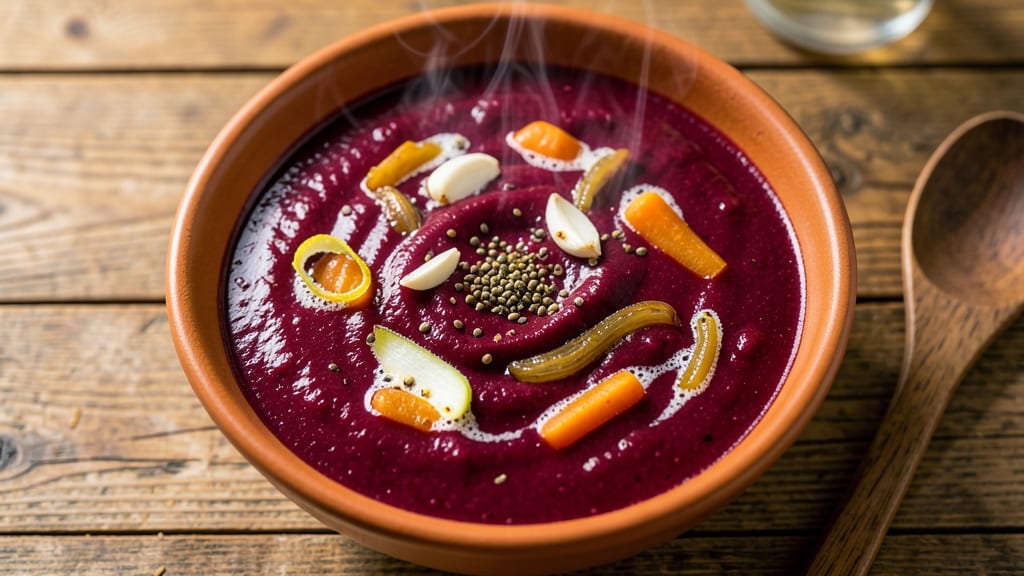
This beetroot carrot Indian soup recipe transforms humble vegetables into a fragrant, spice-infused bowl of warmth that feels like a hug in every spoonful. The secret lies in slow-cooked spices—cumin, turmeric, and coriander—that develop deep, earthy notes while caramelizing the natural sweetness of beets and carrots.
I perfected this version after years of experimenting with regional Indian techniques, balancing sweetness with just the right kick of ginger and garlic.
The magic happens in the tempering stage, where whole spices like mustard seeds and asafoetida sizzle in hot oil, releasing aromas that fill your kitchen. Unlike many Western soups, this recipe builds flavor through layering—first the spices, then the vegetables, and finally a touch of cream (optional) for richness.
The result is a velvety, vibrant soup with a complexity that surprises even seasoned home cooks.
What you’ll end up with is a soup that’s as nourishing as it is delicious—deep ruby-red from the beets, fragrant with cumin and turmeric, and perfectly balanced between sweet and savory.
The texture is silky smooth, with just enough body to coat a spoon, while the spices linger on your palate like a well-crafted chai. It’s the kind of dish that tastes even better the next day, making it ideal for meal prep or cozy weeknight dinners.
Serve it with warm roti or crusty bread to soak up every last drop, or drizzle with a swirl of yogurt for a cooling contrast. For extra depth, garnish with toasted cumin seeds and a sprinkle of fresh cilantro.
This isn’t just soup—it’s a flavor journey that brings the heart of Indian home cooking to your table.
Ingredients for beetroot carrot soup indian
Spices, vegetables, and slow-simmered warmth—this soup delivers comfort in every bowl.
| Ingredient | Amount | Notes |
|---|---|---|
| Beets 🍠 | 2 lbs | Medium, peeled and cubed |
| Carrots 🥕 | 1 ½ lbs | Whole, peeled and chopped |
| Yellow Onion 🧅 | 1 whole | Medium, finely chopped |
| Garlic Cloves 🧄 | 4 cloves | Peeled and minced |
| Fresh Ginger 🌿 | 2 tbsp | Grated, about 1-inch piece |
| Cumin Seeds 🌶️ | 1 tbsp | Whole, toasted |
| Ground Cumin 🌶️ | 1 tsp | For depth |
| Ground Turmeric 🌿 | 1 tsp | Freshly ground preferred |
| Ground Coriander 🌿 | 1 tsp | For brightness |
| Mustard Seeds 🌶️ | ½ tsp | Whole, for tempering |
| Asafoetida 🌶️ | ¼ tsp | Pinch for aroma |
| Vegetable Oil 🫒 | ½ cup | For tempering |
| Vegetable Broth 💧 | 4 cups | Low-sodium preferred |
| Heavy Whipping Cream 🥛 | ¼ cup | Optional, for richness |
| Plain Yogurt 🥛 | ¼ cup | Greek yogurt preferred |
| Fresh Cilantro 🌿 | ¼ cup | Chopped, for garnish |
| Salt 🧂 | 1 tsp | Adjust to taste |
| Black Pepper 🌶️ | ½ tsp | Freshly ground |
The beets and carrots are the soul of this soup—organic beets from Whole Foods or the local market have the deepest flavor, but any firm, vibrant ones work. For the spices, Penzeys Spices or bulk bins at Indian grocery stores are ideal, but your regular grocery store's ground spices are fine too. Toast the whole cumin seeds in a dry pan for 30 seconds—they’ll smell incredible and add a nutty depth. Ginger is key here; freshly grated (not paste) makes all the difference. If you can’t find asafoetida, a tiny pinch of garlic powder is a decent stand-in, though it won’t have that signature umami punch.
No fresh cilantro? Dried oregano at half the amount works in a pinch, but it’s not the same. Running low on vegetable broth? Water plus 1 tbsp soy sauce adds umami. The heavy cream is optional but worth it for that restaurant-quality richness—full-fat works best. For a vegan version, swap it for coconut milk. The yogurt can be Greek or regular; just make sure it’s plain and not flavored. And if you’re short on time, pre-chopped frozen veggies save you 15 minutes of prep—just thaw them first.
This soup tastes even better the next day as the flavors meld. Store it in the fridge for up to 5 days—the spices deepen over time. For freezing, portion into containers and it keeps for 3 months. I always double the batch because it’s perfect for meal prep. Garnish with toasted cumin seeds and a swirl of yogurt right before serving—that’s when it’s truly magical. The leftovers reheat beautifully; just add a splash of water or broth if it gets too thick.
Why You'll Love This Recipe
- No-Chop Nightmare: I swear by this one—just toss in pre-washed beets and carrots (yes, the ones still in their jackets), and the pressure cooker does all the work. The onion, garlic, and ginger? A quick 30-second dice, and boom—you’re done. Honestly, the only harder part is deciding whether to blend it smooth or leave it rustic.
- Earthy Warmth: That deep, caramelized sweetness from the beets and carrots, then amplified by the slow-simmered ginger and garlic? It’s the kind of flavor that makes you pause mid-sip. Between us, the first spoonful tastes like a hug from your favorite Indian auntie—spiced but never overpowering.
- Lunch for Days: This soup begs to be made in bulk. Freeze half for those "I can’t even" days, and the other half? Perfect with crusty bread for a lazy weekend brunch. (Yes, even on a Tuesday night.) The ginger keeps it fresh for days, and reheating it just makes it richer—like a secret weapon for lazy afternoons.
- Pantry Magic: Here’s what sold me—it’s the ultimate budget flex. Beets and carrots last forever, onions and garlic are cheap staples, and you’re left with a pot of soulful, restaurant-worthy soup for pennies. Plus, the leftovers? Even my picky teenager asks for seconds—proof it’s actually good, not just "healthy."
Step-by-step instructions for spiced beetroot carrot soup
Here's how to create a rich, aromatic Indian-inspired soup where earthy spices and tender vegetables blend perfectly.
Temper the Spices in Oil
Heat the 0.5 cup vegetable oil in a large pot over medium heat until shimmering. Add the 1 tbsp cumin seeds and toast for 30-45 seconds until they begin to sizzle and release their aroma—this is when you'll smell that warm, nutty fragrance. Immediately add the 0.5 tsp mustard seeds and 0.25 tsp asafoetida, stirring constantly for 10-15 seconds until the mustard seeds pop.
Here's the thing—asafoetida is potent, so a pinch is all you need. If you're sensitive to strong flavors, you can reduce it to 0.125 tsp, but don't skip it entirely. The combination of these spices forms the flavor foundation of the soup. Once the mustard seeds pop and the asafoetida dissolves, add the 1 whole yellow onion and sauté for 5-6 minutes until soft and translucent. This step develops the base flavor that will carry through the entire soup.
Cook the Vegetables Until Tender
Add the 2 lbs beets and 1.5 lbs carrots to the pot, stirring to coat them in the spiced oil. Pour in the 4 cups vegetable broth and bring to a gentle boil. Reduce heat to medium-low and simmer uncovered for 20-25 minutes, stirring occasionally, until the vegetables are fork-tender and the broth has reduced slightly.
You'll know they're ready when a knife slides in easily and the vegetables have softened completely. If the soup starts to look too thick, add 2-3 tablespoons of water to maintain the right consistency. The vegetables should be tender but not falling apart—this ensures a smooth texture without mushiness. While the vegetables cook, you'll notice the broth deepening in color and developing that rich, earthy aroma from the spices.
Build Flavor with Aromatics and Spices
Once the vegetables are tender, stir in the 4 cloves garlic cloves, 2 tbsp fresh ginger, 1 tsp ground cumin, 1 tsp ground turmeric, and 1 tsp ground coriander. Simmer for an additional 5-7 minutes, stirring occasionally, until the garlic and ginger are fragrant and the spices have fully dissolved into the soup.
This is where the magic happens—the spices meld with the vegetables, creating that signature Indian flavor profile. The turmeric will give the soup its characteristic golden hue, while the cumin and coriander add depth and brightness. Taste the soup at this stage and adjust the 1 tsp salt and 0.5 tsp black pepper as needed. The soup should be well-seasoned but not overly salty—balance is key here.
Blend and Finish with Cream and Yogurt
Using an immersion blender, carefully blend the soup until smooth and creamy. If you prefer a chunkier texture, blend in batches or use a countertop blender. Once blended, return the soup to the pot and stir in the 0.25 cup heavy whipping cream and 0.25 cup plain yogurt. Simmer gently for 3-4 minutes to allow the flavors to meld together—this step adds a luxurious creaminess that balances the earthy vegetables.
Real talk: the cream and yogurt make this soup feel indulgent, but don't worry—the spices keep it from being too heavy. If you're watching your calories, you can skip the cream and add an extra splash of broth instead. The yogurt adds a subtle tang that cuts through the richness of the spices, creating a harmonious flavor profile. Taste again and adjust seasoning if needed—this is your final chance to perfect the balance.
Garnish and Serve Warm
Ladle the soup into bowls and garnish each serving with 0.25 cup fresh cilantro, chopped finely. The cilantro adds a fresh, bright contrast to the rich, spiced soup. Serve immediately while still warm, as the flavors are at their peak when enjoyed fresh. Pair with crusty bread or naan to soak up every last drop of that delicious broth.
This soup is best enjoyed within a few hours, as the flavors continue to develop and deepen. If you have leftovers, store them in an airtight container in the refrigerator for up to 3 days. When reheating, warm gently on the stove over low heat, stirring occasionally, to preserve the texture and prevent curdling. The aroma alone will make your kitchen smell like a cozy Indian restaurant!
Pro Tips For Making Beetroot Carrot Soup Indian
- CHOP BEETS SMALL: I learned this the hard way—big chunks of beetroot turn your soup into a textural nightmare, where you’re chewing on resistance instead of savoring flavor. Aim for ½-inch dice or smaller; they’ll soften evenly and blend into a velvety base without leaving stubborn bits.
- CARAMELIZE ONIONS LOW: The golden rule for Indian soups: patience with onions. Cook them on medium-low heat for 15-20 minutes until deep amber, not burnt. Rushed onions taste raw and bitter—your nose will thank you when that sweet, jammy depth hits the pot.
- PEEL GINGER AFTER GRATING: Sounds weird, but it works: grate the ginger first, then peel off the fibrous skin. Fresh ginger’s outer layer is tough and can clog your grater—skipping this step means you’re forcing through more work later. A quick rinse under water removes the grit.
- BLITZ HOT LIQUID: Don’t blend cold soup—heat it until steaming, then pulse. Hot liquid emulsifies better, giving you a smoother finish without grainy texture. I used to ignore this, and my soup always had that sad, lumpy aftertaste. Trust the process.
Perfect pairings for this beetroot carrot soup indian
Spiced Bread Pairings
Serve this soup with warm, freshly baked naan or roti—their soft, pillowy texture soaks up every last drop of the fragrant broth. For extra authenticity, try garlic naan from an Indian grocery store or make your own at home.
The contrast of the warm, spiced bread against the cool soup is pure comfort. 🥖
For a heartier option, pair with paratha—flaky, layered flatbreads that add satisfying texture. Look for store-bought versions at specialty markets, or make them from scratch using whole wheat flour and ghee. The nutty flavor of ghee complements the earthy spices in the soup beautifully.
Yogurt and Dairy Touches
A dollop of plain Greek yogurt on top adds a cooling contrast to the warm spices. Stir a spoonful into each bowl before serving to let the tangy creaminess balance the richness.
For extra decadence, drizzle with melted ghee—just 1 teaspoon per bowl—to enhance the soup’s depth and add a luxurious finish.
If you're feeling adventurous, try paneer (Indian cottage cheese) cubes as a garnish. Lightly pan-fry them until golden and place a few pieces on top of the soup. The mild, slightly salty paneer adds protein and texture without overpowering the delicate flavors. 🥛
Crunchy Toppings
Toasted cumin seeds or pepitas (pumpkin seeds) add a delightful crunch that cuts through the soup’s creaminess. Heat 1 tablespoon of oil in a dry pan, add 1 tablespoon of cumin seeds, and toast for 1-2 minutes until fragrant.
Sprinkle over the soup just before serving for a nutty, aromatic bite.
For a smoky twist, top with crispy fried onions—sauté ¼ cup thinly sliced onions in oil until golden brown. The sweetness of the onions pairs perfectly with the earthy beets and carrots, adding another layer of flavor. These toppings elevate the soup from simple to restaurant-worthy. ✨
Drink Pairings
Balance the richness of the soup with a masala chai—the warm spices in the tea complement the cumin and turmeric in the soup. Brew a strong cup with black tea, cardamom, cinnamon, and ginger for the perfect match.
The caffeine helps cut through the soup’s creaminess, making it a refreshing pairing.
For a non-caffeinated option, try mango lassi—a sweet, creamy yogurt drink with ripe mango. The fruity sweetness contrasts beautifully with the savory, spiced soup. Serve it chilled in a tall glass for a refreshing accompaniment. 🍹
Nutrition facts
Frequently asked questions
Can I make this soup without a blender?
Skip blending for a rustic, chunky texture. Just simmer the vegetables until very tender (30 minutes instead of 20-25), then mash a few beets and carrots with a potato masher to thicken the broth. The remaining chunks will add hearty texture while keeping the spiced flavors intact.
How do I adjust the spice level for kids?
Reduce the mustard seeds to 0.25 tsp and skip the asafoetida entirely—it has a strong flavor. Use 0.5 tsp ground cumin instead of 1 tsp and add a pinch of sugar (1/4 tsp) to balance any remaining heat. The natural sweetness of beets will help too. Always taste before serving!
What if my soup turns out too thick?
Add 2-3 tablespoons of warm vegetable broth at a time, stirring well after each addition. For a smoother texture, blend again briefly with an immersion blender. If it's still too thick, thin with 1-2 tablespoons of water or a splash of yogurt. The soup should coat the back of a spoon but still be pourable.
Can I use canned beets instead of fresh?
Yes, but drain and rinse them well first to remove excess liquid. Use 1 (15 oz) can of beets instead of 2 lbs fresh, and reduce the broth to 3 cups to avoid a watery soup. The flavor will be slightly sweeter, so add 1/4 tsp extra black pepper to balance. The texture will be smoother since canned beets are pre-cooked.
Why does my soup taste bland after reheating?
Reheating can mute spices—always warm over low heat and stir constantly. Add a pinch of asafoetida or a splash of lemon juice when reheating to revive flavors. For extra depth, stir in 1/2 tsp toasted cumin seeds or a dollop of yogurt while warming. The spices need gentle heat to release their aromas again.