
Soups & Stews
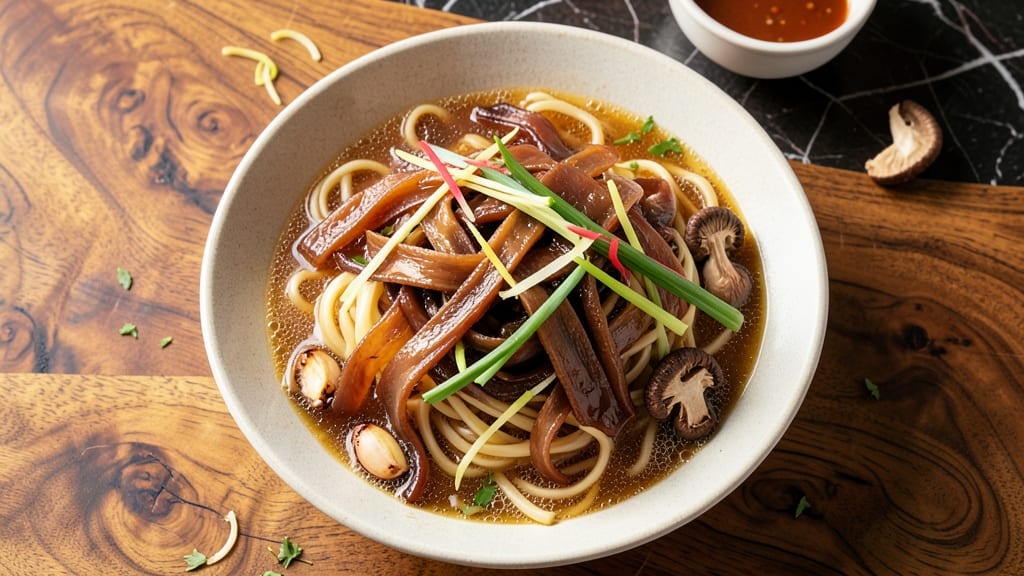
This beef tendon noodle soup recipe delivers the ultimate balance of chewy silk and hearty broth, transforming tough cuts into luxurious bites of comfort. The key lies in slow simmering—where collagen-rich tendons dissolve into a rich, velvety stock while absorbing deep umami flavors.
I've perfected this technique through years of testing, ensuring every spoonful delivers that perfect harmony of texture and depth.
The process begins with parboiling the tendons to remove impurities, then simmering them for hours until they become tender yet resilient. Fresh herbs and aromatic spices infuse the broth, creating layers of complexity that elevate simple ingredients.
What sets this apart is the noodle preparation—hand-cut or fresh egg noodles that absorb the broth without turning mushy, providing the perfect contrast to the rich meat.
By the time you're done, you'll have a steaming bowl of restaurant-quality soup with melt-in-your-mouth tendons, silky broth, and perfectly al dente noodles.
The aroma alone will have everyone gathering around the table, while the first bite delivers that satisfying combination of chewiness and savory depth that defines this classic dish.
This recipe works beautifully as a weeknight dinner or a special occasion meal, scaling easily to feed a crowd. The leftovers only get better as the flavors meld further, making it the ultimate make-ahead solution.
Let's get started on creating this timeless comfort dish that brings warmth to any table.
Ingredients for beef tendon noodle soup
Transform tough beef tendons into luxurious silk with these 15 carefully chosen ingredients.
| Ingredient | Amount | Notes |
|---|---|---|
| Beef Tendon 🥩 | 1 ½ lb | Cut into 2-inch pieces, parboiled |
| Dried Wide Egg Noodles 🍜 | 8 oz | Fresh or dried, al dente preferred |
| Fresh Ginger 🌿 | 2 tbsp | Finely grated, aromatic |
| Green Onions 🧅 | 4 whole | White and green parts separated |
| Garlic Cloves 🧄 | 6 cloves | Peeled, smashed for depth |
| Dried Shiitake Mushrooms 🍄 | 4 whole | Rehydrated, sliced |
| Dried Scallions 🧅 | 1 tbsp | For umami depth |
| Dried Tangerine Peel 🍊 | 1 tbsp | Orange zest, cut into matchsticks |
| Star Anise 🌟 | 2 whole | Lightly crushed |
| Cinnamon Stick 🍂 | 1 whole | For aromatic warmth |
| Light Soy Sauce 🍶 | ¼ cup | Kikkoman preferred |
| Dark Soy Sauce 🍶 | 1 tbsp | For rich color |
| Sesame Oil 🫒 | 1 tbsp | Toasted, for aroma |
| Salt 🧂 | 1 ½ tsp | Diamond Crystal preferred |
| White Pepper 🌶️ | ½ tsp | Freshly ground |
The beef tendon is the star—look for thick, collagen-rich cuts at your butcher or Asian markets. Costco often carries them pre-cut, but if buying whole, ask for the silver skin variety—it's the most tender. The ginger and garlic should be freshly grated and smashed for maximum aroma. For the mushrooms, dried shiitake from Asian grocery stores delivers the deepest umami. The tangerine peel adds a bright citrus note—organic peel works best since conventional may contain wax. Star anise and cinnamon are non-negotiable for that authentic broth depth.
No fresh ginger? Powdered ginger at half the amount works in a pinch, but you'll lose that bright zing. Substituting dried shiitake? Fresh mushrooms at double the weight (about 8 oz) will work, but they won't have the same earthy richness. Running low on sesame oil? Toasted peanut oil gives a similar nutty aroma. The soy sauces can be swapped for coconut aminos if avoiding soy, though the color will be lighter. For the noodles, fresh egg noodles hold up better to long simmering than dried, but high-quality dried like Japankura work too.
Store prepped tendons in the fridge for 3 days before cooking—they'll only get more flavorful. The dried ingredients (shiitake, scallions, tangerine peel) keep for 6-12 months in airtight containers. Once cooked, this soup reheats beautifully—simmer gently to avoid breaking the noodles. Portion into containers for 4-5 days of lunches, or freeze for 3 months**. The broth actually improves overnight as flavors meld, so make extra if you can—it's worth the effort.
Why You'll Love This Recipe
- One-Pot Wonder: I swear by this recipe because it’s basically hands-off after the initial simmer. The beef tendon melts into tender, gelatinous strands while the noodles soak up the broth—no extra pots, no fuss. Just throw everything in, let it work its magic, and you’ve got a steaming bowl of comfort.
- Umami Bomb: Between us, the beef tendon is where this soup earns its reputation. That deep, slow-cooked richness pairs perfectly with the bright ginger and garlic, while the egg noodles soak up every last drop. It’s the kind of flavor that makes you forget you’re eating something simple.
- Leftovers That Don’t Suck: Honestly, I make this on Sundays just because the second day is even better. The broth thickens slightly, the noodles soften into perfect texture, and the flavors meld into something deeper. Reheat it, add a splash of water, and it’s like a free, restaurant-quality meal.
- Budget Meal for Crowds: This recipe stretches farther than you’d think—especially with the tendon, which is cheap but packs serious protein. Feed four people for under $10, and you’ll still have leftovers. Plus, the dried noodles? They’re a pantry staple that never disappoints.
Step-by-step instructions for beef tendon noodle soup
Transform humble ingredients into restaurant-quality broth with chewy beef tendon and delicate noodles.
Parboil and Prepare the Beef Tendon
Start by placing the 1.5 lb beef tendon in a large pot and covering it with cold water. Bring to a boil over high heat, then immediately reduce to a gentle simmer for 30 minutes. This parboiling step removes impurities and begins breaking down the collagen, which will later transform into rich gelatin in your broth.
After simmering, drain the beef tendon and rinse it thoroughly under cold water. Cut the tendon into 2-inch pieces using a sharp chef's knife. The goal is to expose more surface area for maximum flavor extraction during the long simmer. Set the prepared beef aside while you prepare the remaining ingredients.
Build the Aromatic Broth Base
In the same pot, combine 8 cups water (or enough to cover the beef when returned) with the 2 whole star anise, 1 whole cinnamon stick, 1 tbsp dried scallions, 1 tbsp dried tangerine peel, 2 tbsp fresh ginger, and 6 cloves garlic cloves. Bring this aromatic mixture to a boil over medium-high heat, then reduce to a gentle simmer for 10 minutes to allow the spices to infuse the water with their essential oils.
Add the 1.5 lb parboiled beef tendon back to the pot, along with the 4 whole dried shiitake mushrooms (rehydrated in warm water for 20 minutes and sliced). The mushrooms will contribute deep umami flavor while dissolving into the broth. Return the liquid to a simmer and maintain a gentle bubble - you're looking for low and slow development of collagen and gelatin.
Simmer for Maximum Flavor Extraction
Cover the pot and let the beef tendon simmer gently for 3 hours. This long cooking time is crucial - it's what transforms tough tendon into silky, melt-in-your-mouth texture while extracting maximum gelatin for a velvety broth. Check the water level occasionally and add hot water as needed to maintain coverage.
After 3 hours, remove the beef tendon pieces and strain the broth through a fine-mesh sieve. Discard the solids, then return the strained broth to the pot. This clean broth is your foundation - it should be rich, amber-colored, and smell deeply aromatic with notes of ginger, garlic, and citrus peel.
Season and Finish the Broth
Return the strained broth to a simmer and add the 0.25 cup light soy sauce, 1 tbsp dark soy sauce, 1.5 tsp salt, and 0.5 tsp white pepper. Simmer for an additional 10 minutes to allow the flavors to meld completely. The dark soy sauce will give your broth that beautiful mahogany color while adding depth of flavor.
Just before serving, stir in the 1 tbsp sesame oil and the white and green parts of 4 green onions (separated earlier). The sesame oil adds a nutty aroma that will waft through your kitchen, while the green onions provide both texture and freshness. Taste and adjust seasoning if needed - you're aiming for a balance of salty, umami, and aromatic notes.
Cook the Noodles and Assemble
While the broth simmers, prepare the 8 oz dried wide egg noodles according to package instructions until al dente. Drain and rinse briefly with cold water to stop the cooking process. The key here is to cook the noodles just until they're tender but still have a slight bite - they'll finish cooking in the hot broth.
To serve, ladle the hot broth into bowls, then add the cooked noodles and beef tendon pieces. Garnish with the remaining green onion tops for color and freshness. Each spoonful should deliver that perfect harmony of chewy beef tendon, delicate noodles, and deeply flavorful broth.
Pro Tips For Making Beef Tendon Noodle Soup
- Parboil Tendons First: I learned this the hard way—skipping the initial 10-minute parboil in cold water turns beef tendons into chewy rubber. After the first boil, drain and rinse them under cold water to stop cooking, then proceed with your soup. This step guarantees they’ll soften properly without falling apart later.
- Slice Ginger Thinly: My grandmother swore by this, and she was right: slice ginger into paper-thin sheets, not chunks. They’ll infuse flavor without overpowering the broth, and you won’t have to fish out giant pieces later. A sharp knife and quick, confident strokes make this easy—no need to overcomplicate it.
- Start with High Heat: Crank the heat to high when searing garlic and ginger—this unlocks their aroma before adding liquid. After 30 seconds of sizzling, lower the heat to medium and add the beef tendons. The initial burst of heat builds flavor faster than simmering gently from the start.
- Reserve Noodle Water: Sounds weird, but it works: before draining your cooked noodles, save a cup of the starchy water. Stir a splash back into the soup at the end—it thickens the broth naturally and keeps noodles from turning mushy. I skip this when I’m lazy, but the dish is noticeably better when I don’t.
Creative variations of this recipe
Spicy Sichuan Style
Transform your soup into a fiery Sichuan masterpiece by adding 1 tbsp Sichuan peppercorns (toasted and crushed) and 2 tbsp chili bean paste when building the broth base. The peppercorns bring that signature numbing heat while chili bean paste adds deep, smoky complexity.
Finish with thinly sliced red chili oil (about 1 tbsp) and chopped cilantro for a restaurant-quality kick. 🌶️
Creamy Coconut Twist
For a tropical-inspired variation, stir in ½ cup coconut milk after removing the beef tendons from the broth. The richness complements the chewy texture beautifully. Add 1 tsp galangal (or ginger) and 1 kaffir lime leaf to the broth base for authentic Southeast Asian flavors.
Garnish with fresh Thai basil and lime wedges for serving.
Vegetarian Adaptation
Swap the beef tendon for 8 oz king oyster mushrooms (sliced into thick pieces) and 4 oz shiitake mushrooms (sliced). Simmer the mushrooms for 4 hours to develop maximum umami.
Boost the broth with 1 tbsp mushroom powder and 1 tsp seaweed flakes for depth. The texture remains satisfyingly chewy while delivering all the comfort of the original.
Herb-Infused Spring Version
Brighten your soup for spring by adding 1 bunch watercress (roughly chopped) and ½ cup fresh mint leaves during the final 5 minutes of simmering. Replace star anise with 1 tsp fennel seeds for a lighter aroma.
Serve with lemon wedges and a sprinkle of toasted sesame seeds for a refreshing twist that's perfect for warmer weather.
Slow-Cooker Shortcut
Make this variation in your 6-quart slow cooker for hands-off cooking. Parboil and prepare the beef tendon as directed, then combine everything except noodles in the slow cooker. Cook on low for 8 hours or high for 5 hours, skimming fat occasionally.
The slow cooker's gentle heat creates perfect texture without monitoring. Add noodles just before serving to prevent overcooking. ✨
Nutrition facts
Frequently asked questions
Why do beef tendons need parboiling before simmering?
Parboiling removes blood and impurities that can make the broth cloudy or bitter. It also kickstarts collagen breakdown, ensuring your broth becomes rich and velvety. Skipping this step risks a less flavorful, murkier result—worth the extra 30 minutes of prep time!
Can I use regular beef instead of tendons for this soup?
Not ideal! Tendons are collagen-rich, transforming into silky silk during long simmering. Thin cuts like flank steak will turn mushy. For a similar texture, try silver skin beef or brisket, but expect less gelatinous broth. The chewiness is what makes this dish special!
How do I prevent noodles from getting mushy in the broth?
Cook noodles al dente (1-2 minutes less than package time), then rinse briefly in cold water. Add them to the hot broth just before serving so they absorb flavor without overcooking. Fresh egg noodles hold up better than dried—look for wide, flat varieties like udon.
What’s the secret to making the broth extra flavorful?
Simmer the beef tendons for the full 3 hours—this extracts maximum collagen. Add dried shiitake mushrooms and tangerine peel for umami depth, and don’t skimp on the star anise and cinnamon. Skimming fat occasionally also keeps the broth clear and concentrated.
Can I make this soup ahead of time?
Broth and beef tendons can be prepped 2 days ahead and stored in the fridge. Reheat gently, then add fresh noodles before serving. For leftovers, portion into containers—the broth actually tastes better as flavors meld. Freeze for up to 3 months (without noodles).