
Soups & Stews
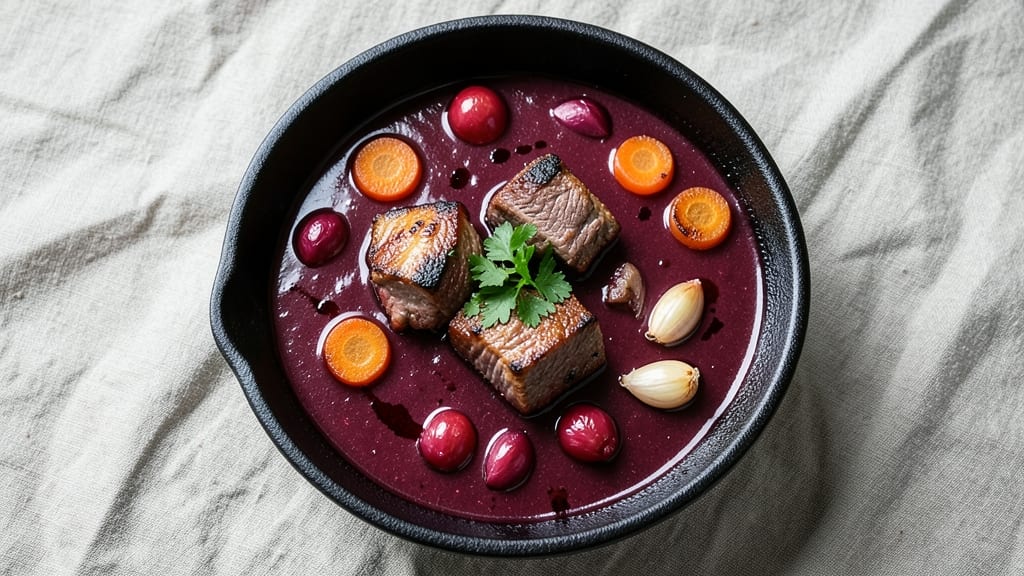
This beef burgundy soup recipe transforms simple ingredients into a rich, velvety masterpiece with deep red wine and melt-in-your-mouth beef. The secret lies in proper browning and slow simmering—techniques that elevate this classic French dish from ordinary to extraordinary.
What starts as a fragrant vegetable base evolves into a complex, aromatic broth that clings to every bite.
The process begins with sautéing onions and carrots until caramelized, then browning beef in batches for maximum flavor. Deglazing with burgundy wine unlocks layers of depth, while simmering with beef broth and herbs transforms tough cuts into tender, fork-friendly chunks.
The result? A soup so satisfying, it becomes the centerpiece of any meal.
By the final spoonful, you'll taste the harmony of caramelized vegetables, rich wine, and tender beef—each element perfectly balanced. The aroma alone will have everyone gathering around the table, while the texture delivers that ideal contrast of creamy broth and velvety meat.
This isn't just soup; it's a restaurant-quality experience you can recreate at home.
Serve with crusty bread to soak up every last drop of that luxurious broth. The optional garnish of croutons or fresh herbs adds both texture and visual appeal, making this dish feel special without extra effort. Let's get started on creating your own bowl of comfort.
Ingredients for beef burgundy soup
Rich wine, tender beef, and simple vegetables—this is the heart of classic French comfort.
| Ingredient | Amount | Notes |
|---|---|---|
| Chuck Roast 🥩 | 1 ½ lb | Cut into 1-inch cubes |
| Yellow Onion 🧅 | 1 whole | Diced, medium dice |
| Carrots 🥕 | 4 medium | Peeled, sliced into rounds |
| Garlic Cloves 🧄 | 4 cloves | Peeled, smashed |
| Dry Red Wine 🍷 | 1 cup | Bold Cabernet or Merlot |
| Beef Broth 🥫 | 4 cups | Low-sodium preferred |
| Tomato Paste 🍅 | 2 tbsp | Smooth, not chunky |
| Fresh Thyme 🌿 | 2 sprigs | Stems removed |
| Fresh Parsley 🌿 | ¼ cup | Chopped, for garnish |
| Olive Oil 🫒 | 2 tbsp | Extra-virgin preferred |
| Salt 🧂 | 1 ½ tsp | Kosher or sea salt |
| Black Pepper 🌶️ | ½ tsp | Freshly ground |
| Bay Leaves 🍃 | 2 whole | Removed before serving |
| All-Purpose Flour 🌾 | 1 tbsp | For thickening |
| Crusty Bread 🍞 | 1 loaf | For serving (optional) |
The beef is everything here. Chuck roast breaks down beautifully during the long simmer, but if you're in a hurry, chuck steak works too. Grab it from the butcher counter if you can—it's usually cheaper than pre-packaged. Look for good marbling, not lean cuts. The wine? Cabernet or Merlot from a decent bottle—none of that $5 stuff. If you're worried about cost, Trader Joe's has great affordable options. The carrots and onions should be fresh; wilted veggies won't caramelize right.
No red wine? Beef broth with 1 tbsp balsamic vinegar works in a pinch, though it won't have the same depth. Fresh thyme is ideal, but dried thyme at one-third the amount gets the job done. The tomato paste can be the squeeze-tube kind if that's what you've got—just measure carefully. For extra richness, add 1 tbsp butter at the end. The flour is just for thickening at the very end, so don't skip it if your soup needs a little body. And if you're making this ahead, freeze the broth separately—it keeps for months.
This soup tastes even better the next day. Store it in the fridge for up to 5 days, or freeze portions for 3 months. I always make a double batch—one for dinner, one for lunches. The crusty bread? Baguettes from the bakery section toast perfectly. If you're serving this to a crowd, garlic bread on the side is a must. And save those herb stems—they make great bouquet garni for future soups.
Why You'll Love This Recipe
- Slow-Simmer Magic: I swear by that 8-hour cook time—it turns tough chuck roast into melt-in-your-mouth shreds. No fancy techniques, just patience and a pot of bubbling wine. (Yes, even on a Tuesday night.)
- Wine-Infused Richness: That dry red wine isn’t just for show—it deepens the broth into something velvety and complex, with just enough acidity to cut through the beef’s richness. Honestly, I’d drink this soup if I could.
- Meal Prep MVP: Make a double batch and freeze portions—it reheats like a dream for lazy weeknights or unexpected guests. My freezer’s always stocked with this; it’s my go-to for when I’m too tired to plan.
- Budget-Friendly Luxury: Chuck roast stretches across meals without breaking the bank, and the wine adds depth you’d pay extra for elsewhere. Between us, this tastes like a fancy restaurant dish but costs a fraction.
Step-by-step instructions for beef burgundy soup
Here's how to create a rich, velvety soup where tender beef melts in your mouth.
Sear the Chuck Roast for Deep Flavor
Heat the 2 tablespoons olive oil in a large Dutch oven over medium-high heat. Pat the 1.5 pound chuck roast dry with paper towels and add it to the pot. Let it sear undisturbed for 3-4 minutes until a deep golden-brown crust forms on all sides. This step builds incredible flavor through the Maillard reaction.
Once browned, remove the beef and set it aside on a plate. You'll notice the bottom of the pot has developed beautiful browned bits - don't scrape them out yet. These flavorful fond bits will dissolve into your soup later. Keep the pot on the heat for now.
Build the Flavor Base with Vegetables
Add the 1 whole yellow onion and 4 medium carrots to the Dutch oven. Cook for 5-6 minutes, stirring occasionally, until the onions soften and begin to caramelize. The onions should turn translucent and slightly golden at the edges.
Add the 4 cloves garlic cloves and 2 tablespoons tomato paste, stirring to coat everything in the fond. Cook for 1-2 minutes until the raw garlic smell disappears. This creates the aromatic foundation for your soup. Pour in the 1 cup dry red wine and scrape up any browned bits from the bottom with a wooden spoon.
Simmer the Soup Until Tender
Return the beef to the pot along with the 4 cups beef broth, 2 sprigs fresh thyme, 2 whole bay leaves, 1.5 teaspoons salt, and 0.5 teaspoon black pepper. Bring to a gentle boil, then reduce heat to low-medium and cover partially. Let it simmer for 1 hour to 1 hour 15 minutes until the beef is fork-tender and easily pulls apart.
Here's where patience pays off - the longer it simmers, the more flavorful the broth becomes. You'll notice the beef will eventually fall apart when pierced with a fork, indicating it's reached perfect tenderness. If the soup reduces too much before the beef is tender, add a splash of water or broth.
Thicken and Finish the Soup
Remove the beef from the pot and set it aside. In a small bowl, whisk together the 1 tablespoon all-purpose flour with 2 tablespoons cold water to make a slurry. Slowly pour this into the soup while stirring constantly to prevent lumps from forming.
Simmer the soup uncovered for 5-7 minutes until it thickens slightly and coats the back of a spoon. The soup should have a velvety consistency without being gluey. If it's too thick, add a little more broth. Return the beef to the pot and stir gently to combine.
Garnish and Serve Warm
Remove the bay leaves and thyme sprigs from the soup. Taste and adjust seasoning if needed - sometimes the wine makes the soup taste slightly acidic, so a pinch more salt or a splash of broth can help balance the flavors.
Ladle the soup into bowls and garnish each serving with 0.25 cup chopped fresh parsley. Serve immediately with 1 loaf crusty bread on the side for dipping. The soup should be rich and velvety with tender beef chunks that practically melt in your mouth, perfectly balanced by the bright acidity of the red wine.
Pro Tips For Making Beef Burgundy Soup
- SEAR THE ROAST FIRST: I learned this the hard way—skipping the sear means flavorless beef. Get your Dutch oven smoking hot, pat the chuck roast very dry, and let it develop a deep crust on all sides before pulling it out. That browned meat is where the burgundy’s depth lives, and no amount of wine or herbs can replace it.
- SWEAT ONIONS LOW AND SLOW: After burning three batches, I finally figured out: onions need patience. Chop them into even ½-inch pieces, then cook them over low heat for 10 minutes before adding garlic. You want them soft and translucent, not caramelized—this keeps the soup from tasting bitter later.
- DEGLAZE WITH WINE IMMEDIATELY: That seared-on fond is pure flavor gold—don’t rinse it away. As soon as you pull the roast out, pour in the dry red wine right away and scrape every bit of browned bits off the bottom. Let it reduce by half before adding broth; otherwise, you’re just making a weak sauce.
- SIMMER THE GARLIC JUST UNTIL FRAGRANT: I was skeptical until I tried it: crush the garlic cloves lightly (not minced) and add them to the onions in the last 2 minutes of sweating. When you toss in the wine, they’ll soften just enough to perfume the soup without turning bitter—no need to watch them like a hawk.
Storing and reheating this dish
Refrigerator Storage
Let your beef burgundy soup cool completely before transferring to an airtight container—I use glass Pyrex with snap-on lids for best results. Store in the fridge for up to 5 days, but trust me, it tastes even better the next day as flavors meld.
The soup thickens slightly when chilled, so add ¼ cup broth when reheating if it seems too dense. 🌡️
Freezer Prep Tips
For long-term storage, freeze portions in quart-sized freezer bags with 1-inch headspace—this prevents ice crystals from breaking the bag. Label with the date and freeze for up to 3 months.
I like to portion into single-serving containers so I can grab just what I need. Thaw overnight in the fridge for best texture.
Stovetop Reheating
My go-to method is stovetop reheating—it preserves the soup’s velvety texture perfectly. Transfer the soup to a heavy-bottomed pot and heat over medium-low heat for 10-12 minutes, stirring occasionally.
If it looks too thick, add 2-3 tablespoons broth. Taste and adjust seasoning—sometimes the wine needs a pinch more salt after reheating. 🔥
Microwave Shortcut
For quick meals, microwave individual portions covered with a damp paper towel on 70% power for 2-3 minutes, stirring halfway. Avoid full power—it can make the soup watery. If the soup separates, whisk vigorously to restore its creamy consistency. This method works best for 1-2 servings at a time.
Garnish Refresh
Before serving reheated soup, brighten it up with fresh parsley or toasted croutons—they add texture and color. If the broth looks dull, stir in 1 teaspoon butter or a splash of red wine to restore richness.
A sprinkle of black pepper or fresh thyme can also wake up the flavors after storage. ✨
Make-Ahead Pro Tip
Double the recipe and freeze half for future meals—I always do this because the flavor only improves over time. When reheating, skimming off any hardened fat from the surface first makes a big difference. The key is low and slow reheating to avoid breaking down the beef’s tenderness. 💡
Nutrition facts
Frequently asked questions
What kind of red wine works best for this beef soup?
For authentic flavor, use a bold dry red wine like Cabernet Sauvignon or Merlot. These varieties have enough acidity and tannins to stand up to the beef and create that signature rich depth. Avoid sweet wines or those with high alcohol content—you want the wine's natural acidity to complement the dish, not overpower it.
Can I make this soup in a slow cooker?
Brown the beef and vegetables first in a skillet, then transfer everything to your slow cooker with the wine and broth. Cook on low for 6-8 hours or high for 3-4 hours until the beef is tender. The slow cooker method actually enhances the wine's flavors as it simmers gently. Just add the flour slurry at the end to thicken it properly.
Why does my soup taste too acidic?
This usually happens when the wine hasn't simmered long enough to mellow out its acidity. Let the soup cook uncovered for an extra 10-15 minutes to let the alcohol evaporate. You can also balance it by adding a pinch of sugar or a splash of beef broth. If it's still too sharp, a small pat of butter at the end helps smooth out the flavors.
What cut of beef works best for this recipe?
The chuck roast is ideal because it becomes tender when slow-cooked, but you can also use chuck steak or stew meat cut into chunks. Avoid lean cuts like sirloin—they won't break down properly. If you're short on time, short ribs work beautifully too, though they'll require slightly longer cooking.
How can I make this soup vegetarian?
Swap the beef for mushrooms (like cremini or portobello) and add 1 cup lentils or chickpeas for protein. Use vegetable broth instead of beef broth and increase the tomato paste to 3 tbsp for depth. The wine still adds great flavor, but you might want to add a splash of balsamic vinegar to compensate for the missing meaty richness.