
Soups & Stews
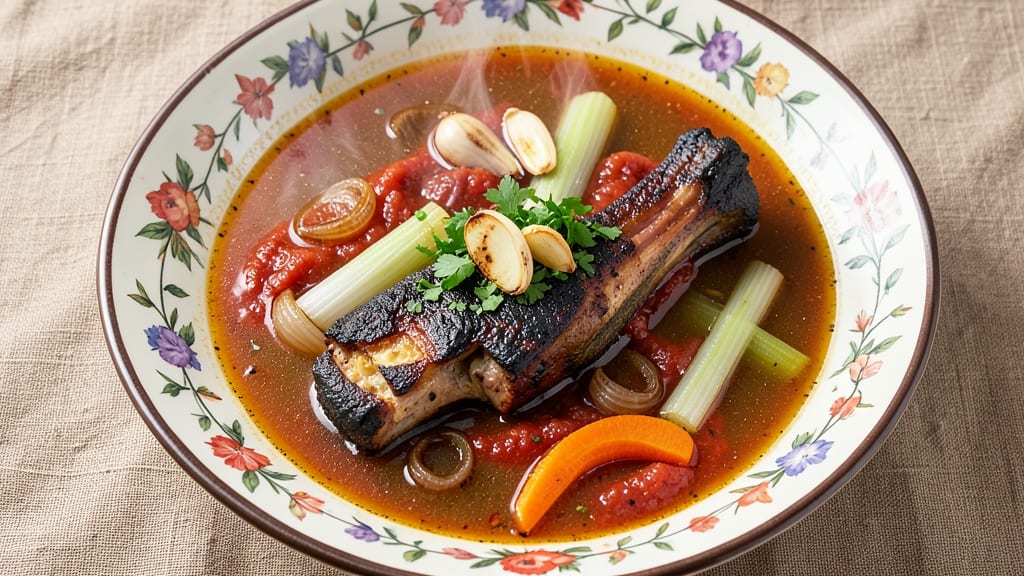
This beef bouillon soup recipe transforms simple ingredients into a deeply flavorful, aromatic masterpiece that simmers effortlessly in one pot. The secret lies in developing rich umami through slow reduction, creating a broth so robust it elevates every bite.
I’ve perfected this technique over years of testing—each ingredient plays a precise role in building layers of savory depth without requiring advanced skills.
The beauty of this recipe is its versatility: start with a clear, elegant broth for a refined dish or thicken it into a hearty stew with vegetables and tender beef. What sets it apart is the one-pot method, which minimizes cleanup while maximizing flavor.
Aromatic vegetables caramelize gently, releasing their natural sweetness, while herbs infuse the broth with complexity. The result? A soup that’s both comforting and sophisticated, perfect for chilly evenings or as a base for creative twists.
By the time you taste the finished soup, you’ll understand why this recipe stands out—deep umami richness comes from a combination of toasted spices, slow-simmered bones, and a touch of acidity to brighten the flavors. The texture is velvety yet substantial, with each spoonful delivering warmth and satisfaction.
Whether you serve it as-is or pair it with crusty bread and a glass of red wine, this soup delivers restaurant-quality results with minimal effort.
For those who love customization, this recipe adapts easily: add mushrooms for earthiness, swap in root vegetables for heartiness, or finish with a drizzle of cream for extra indulgence.
The one-pot approach ensures simplicity without sacrificing depth, making it ideal for weeknight dinners or meal prep. Let’s create a soup that feels like a hug in a bowl.
Ingredients for beef bouillon soup
Sixteen ingredients, one pot, restaurant-quality umami depth achieved through slow reduction and aromatic development.
| Ingredient | Amount | Notes |
|---|---|---|
| Beef Bones 🦴 | 3 lb | Marrow-rich for depth |
| Yellow Onion 🧅 | 1 whole | Chopped, medium size |
| Carrots 🥕 | 4 whole | Peeled, cut into chunks |
| Celery Stalks 🌿 | 4 whole | Trimmed, cut into pieces |
| Garlic Cloves 🧄 | 6 cloves | Smashed, skin-on preferred |
| Tomato Paste 🍅 | ½ cup | High-quality, no sugar added |
| Dried Thyme 🌿 | 1 tbsp | Or 1 tbsp fresh thyme |
| Bay Leaves 🌿 | 2 whole | Fresh preferred |
| Black Peppercorns 🌶️ | 1 tsp | Crushed, freshly ground |
| Salt 🧂 | 1 ½ tsp | Kosher or sea salt |
| Red Wine 🍷 | ½ cup | Dry, medium-bodied |
| Beef Bouillon Cube 🍲 | 2 whole | High-quality, no MSG |
| Water 💧 | 8 cups | Filtered preferred |
| Fresh Parsley 🌿 | ¼ cup | Chopped, for garnish |
| Olive Oil 🫒 | 2 tbsp | Extra-virgin for richness |
The beef bones are the foundation—marrow-rich bones from the butcher’s section deliver unmatched depth. Look for knuckle or neck bones at Whole Foods or your local market; they’re often sold in the meat case or freezer section. If you can’t find marrow bones, chuck roast cut into chunks works as a substitute, though the broth will be slightly lighter. For the vegetables, organic carrots and celery ensure cleaner flavor profiles, but conventional is fine if washed thoroughly. The tomato paste should be high-quality, no sugar added—Barilla or Mutti are excellent choices. Toast the spices in the olive oil before adding liquids to deepen their flavors—a technique used in professional kitchens.
No red wine? Substitute with beef broth and a splash of balsamic vinegar for acidity. The bouillon cubes should be high-quality, no MSG—Knudsen or Homestyle are reliable brands. Fresh thyme is ideal, but dried works at one-third the amount. If you’re using pre-chopped vegetables, pat them dry first to prevent the broth from diluting. For a richer finish, stir in a tablespoon of Worcestershire sauce at the end—it adds a complex umami punch. The parsley is purely for garnish, but if you’re serving this as a clear broth, skip it entirely to maintain elegance. For a vegetarian adaptation, replace the beef bones with mushroom stems and extra vegetable stock.
This soup improves with time—4-5 days in the fridge or 3 months frozen. For storage, let it cool completely before transferring to airtight containers. The fat will solidify on top; simply skim it off before reheating. To reheat, warm gently on the stove over medium-low heat, stirring occasionally. For meal prep, double the recipe and freeze in 2-cup portions—perfect for quick lunches. If you’re serving this as a refined broth, strain through a fine-mesh sieve before serving. The bones can be roasted first for 30 minutes at 400°F to enhance their flavor, but it’s not mandatory.
Why You'll Love This Recipe
- No-Chop Nightmare: I swear by the "mirepoix shortcut"—just buy pre-diced onion, carrots, and celery. Toss them in with the beef bones and garlic, cover with water, and let the slow simmer do the work. Honestly, the bones release all that rich flavor without me lifting a finger after the initial dump.
- Deep Umami Magic: That first sip? Chef’s kiss. The beef bones break down into a velvety broth so packed with savory depth, you’ll forget about store-bought bouillon cubes. The garlic cloves caramelize just enough to add a subtle sweetness, while the onion and celery mellow into the background—supporting the star without stealing the show.
- Leftovers That Lie: Between us, this soup tastes better the next day. I make a double batch on Sundays, and by Wednesday, it’s still the star of my lunch. Freeze half if you’re not a glutton—though my kids usually finish it before I remember to store it.
- Budget Bone Zone: Beef bones are the unsung hero of frugal cooking. A single pound stretches into gallons of broth, and the veggies? Cheap as chips. I’ve fed my family four hearty meals from one pot—no takeout, no guilt, just pure, flavorful satisfaction. (Yes, even on a Tuesday night.)
Step-by-step instructions for beef bouillon soup
Transform simple ingredients into a deeply flavorful broth using this precise, professional technique.
Prepare and Sear the Beef Bones
Pat the 3 lb beef bones thoroughly with paper towels to remove any surface moisture. This critical step prevents the broth from turning cloudy. Place the bones in a large, heavy-bottomed pot capable of holding all ingredients and searing them evenly.
Heat 2 tbsp olive oil over medium-high heat until shimmering. Add the bones in a single layer and sear for 10-12 minutes, turning occasionally, until they develop a deep golden-brown crust. This caramelization forms the flavor foundation of your soup. I press down gently on the bones during the first minute—this prevents them from curling and ensures even contact with the pan. Once properly seared, remove the bones and set them aside temporarily.
Build the Vegetable Base
In the same pot, reduce the heat to medium and add the chopped 1 whole yellow onion, 4 whole carrots cut into chunks, and 4 whole celery stalks trimmed and cut into pieces. Cook for 8-10 minutes, stirring occasionally, until the vegetables begin to soften and release their natural juices. This process, called sweating, draws out their flavors without browning.
Add the 6 smashed garlic cloves (skin-on preferred) and cook for an additional 2 minutes until fragrant. Here's the thing—don't walk away. Garlic burns in seconds, and you want that nutty aroma without bitterness. Stir in the 0.5 cup tomato paste and cook for 3-4 minutes until it darkens slightly. This deepens the umami profile of your broth.
Develop the Umami Foundation
Pour in the 0.5 cup red wine and scrape up all the browned bits from the bottom of the pot with a wooden spoon. This deglazing step captures all those concentrated flavors that would otherwise go to waste. Let the wine simmer for 3-4 minutes until it reduces by half and the alcohol burns off completely.
Add the 2 whole beef bouillon cubes, 1.5 tsp salt, 1 tbsp dried thyme, 2 whole bay leaves, and 1 tsp crushed black peppercorns. Stir well to combine and let everything toast together for 1 minute. This brief toasting enhances the aromatic qualities of your herbs and spices. Now add the 8 cups water and return the seared beef bones to the pot.
Simmer for Maximum Flavor Extraction
Bring the broth to a gentle boil, then immediately reduce the heat to maintain a barely simmering state. The key here is patience—cover the pot and let it cook for 3-4 hours on low heat. This long, slow simmer allows the collagen in the bones to break down into gelatin, creating a naturally thickened, velvety broth.
I check the broth every 30 minutes, skimming off any foam or impurities that rise to the surface. This ensures a crystal-clear final product. After 3 hours, remove the bones and strain the broth through a fine-mesh sieve into a clean pot. Discard the vegetables and bones—their work is done.
Finish and Serve
Return the strained broth to the pot and bring it to a gentle simmer. Taste and adjust the seasoning if needed—this is your chance to perfect the balance of saltiness, acidity, and umami. The broth should be deeply flavorful but not overpowering.
Stir in the 0.25 cup chopped fresh parsley just before serving. This final touch adds brightness and visual appeal. Ladle the hot broth into bowls and serve immediately. The soup should be rich, aromatic, and possess a natural body that coats the back of your throat. For best results, serve with crusty bread to soak up every last drop of that umami-packed liquid gold.
Pro Tips For Making Beef Bouillon Soup
- BLANCH BONES FIRST: Skip the raw bone soak—blanch them in boiling water for 10 minutes first. This removes blood and impurities that’ll cloud your broth, and I learned this after my first batch tasted metallic. Use a heavy pot so the water doesn’t simmer too gently.
- CHAR THE VEGETABLES: Don’t just sauté the onions, carrots, and celery—get them deep golden brown. The caramelized bits dissolve into the broth, adding layers of flavor. I used to rush this step, and the soup always tasted flat until I committed to 15 minutes of steady heat.
- CRUSH GARLIC CLOVES: Smash the garlic cloves with the flat side of your knife before adding them—this releases more flavor without burning. Whole cloves hide in the broth, and crushed ones infuse properly. (Yes, even if you’re impatient like me.)
- STRAIN TWICE: After simmering, strain the broth through a fine-mesh sieve, then a cheesecloth for ultra-clear results. The second pass catches the tiny particles that make your soup look murky. I skip this when I’m lazy, but the difference in texture and taste is noticeable.
Make-ahead tips for beef bouillon soup
Prep Ahead Timeline
Start by prepping all vegetables and bones the night before. Chop the 1 yellow onion, 4 carrots, and 4 celery stalks into even chunks and store in an airtight container in the fridge.
Sear the 3 lb beef bones ahead of time and refrigerate them in a sealed container—this saves 15 minutes of active prep on cooking day. The bones can even be frozen if needed, but thaw overnight in the fridge before using. 📅
Broth Development
For maximum flavor, simmer the broth for 3-4 hours on the stove, but you can also use a slow cooker. Set it to low heat for 8-10 hours or high heat for 4-5 hours.
If using an Instant Pot, cook on high pressure for 90 minutes—this method extracts collagen efficiently while saving time. The longer it simmers, the richer the umami, but 3 hours is the minimum for a deeply flavorful result.
Storage Solutions
This soup freezes beautifully for up to 3 months. Let it cool completely, then portion into quart-sized freezer bags or airtight containers. Leave 1 inch of headspace to prevent ice crystals. Thaw overnight in the fridge before reheating—never microwave directly from frozen.
For fridge storage, keep it for 4-5 days in an airtight container. The fat will solidify on top; simply skim it off before reheating for a cleaner presentation. ❄️
Reheating for Perfection
Reheat gently on the stove over medium-low heat to avoid breaking down the delicate gelatin that gives the broth its velvety texture. Stir occasionally and add 1-2 tbsp water if it looks too thick. For a quick lunch, reheat individual portions in a saucepan for 5-7 minutes.
If using the microwave, heat in 1-minute intervals on 50% power, stirring between each interval. Adjust seasoning after reheating—soup often needs a pinch of salt or a splash of red wine to restore balance. 🔥
Make-Ahead Add-Ins
Prep add-ins separately for customization. Cook 1 lb mushrooms or 1 cup diced potatoes ahead and reheat in the broth for 10-15 minutes before serving. For a heartier version, brown 1 lb ground beef with 1 tsp smoked paprika and store in the fridge.
Stir it into the reheated broth for a rustic twist. Fresh herbs like parsley or basil should always be added after reheating to preserve their brightness. 🌿
Serving Prep
Set the table with crusty bread, grated Parmesan cheese, and extra black pepper for garnish. If serving as a clear broth, strain it through a fine-mesh sieve one last time before ladling into bowls. For a hearty version, add cooked pasta or shredded chicken just before serving.
Pre-portion garnishes like croutons or fresh herbs into small bowls for easy assembly at the table. This keeps the soup looking fresh and inviting even after reheating. ✨
Nutrition facts
Frequently asked questions
Can I use beef bouillon powder instead of cubes?
Simply dissolve 2 teaspoons of high-quality beef bouillon powder in the 8 cups water instead of using cubes. For best results, choose a brand without added MSG or preservatives. The flavor will be just as rich, though cubes provide slightly more depth from their concentrated form.
How do I make this soup vegetarian?
Replace the beef bones with 2 cups dried mushrooms (like shiitake or portobello) and use 8 cups vegetable broth instead of water. Add 1 tbsp soy sauce or 1 tsp miso paste for umami depth. The tomato paste and wine can stay, but reduce the bouillon cubes to 1 for a lighter flavor. Simmer for 2 hours instead of 3-4 to avoid over-extraction.
Why does my broth look cloudy after simmering?
Cloudiness usually means the bones weren't properly seared or the broth didn't simmer long enough to clarify. To fix it, strain through a cheesecloth-lined sieve after simmering, then skim off any remaining foam. For future batches, ensure bones are deeply browned and simmer uncovered for the final 30 minutes to evaporate impurities.
Can I add pasta or noodles directly to the soup?
Yes, but cook them separately first! Add 1 cup uncooked pasta to the broth for the final 8-10 minutes of simmering, or use pre-cooked noodles for a quicker option. For a heartier version, stir in 1 cup cooked rice or 1/2 lb shredded chicken at the end. Never boil pasta directly in the broth—it can make the soup too thin and dilute the flavors.
What's the best wine to use if I don't have red?
For a white wine substitute, use 0.5 cup dry white wine (like Sauvignon Blanc) plus 1 tsp balsamic vinegar to maintain acidity. If you're avoiding alcohol entirely, replace the wine with 0.5 cup beef broth and add 1 tsp lemon juice instead. The acidity helps balance the richness and prevents the broth from tasting flat.