
Soups & Stews
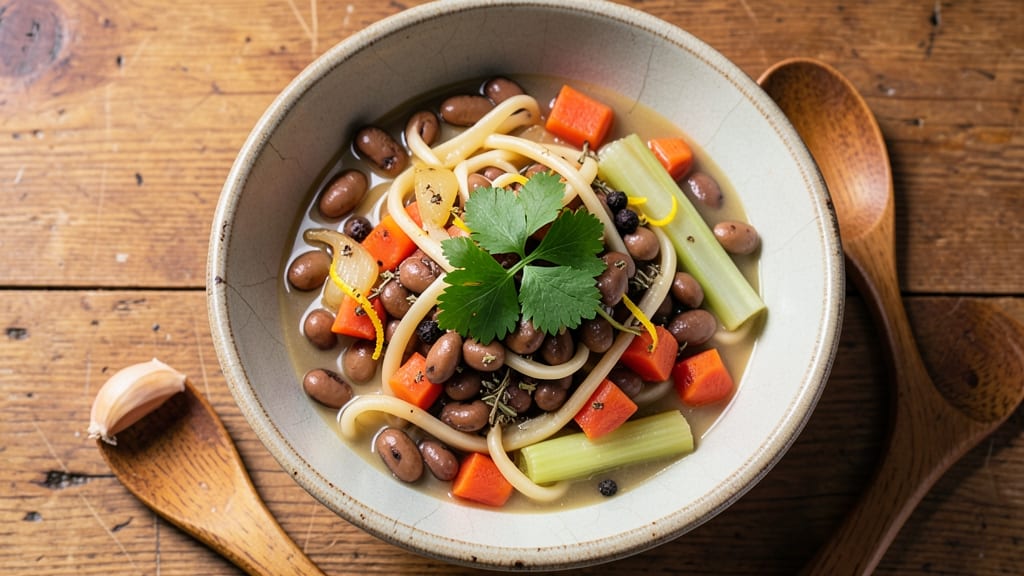
This bean and noodle soup recipe delivers the kind of hearty, comforting meal that warms you from the inside out—perfect for chilly evenings or busy weeknights.
The secret lies in balancing tender beans and al dente noodles in a rich, flavorful broth that simmers just long enough to develop deep, earthy notes. I've refined this recipe over years of testing, ensuring it's adaptable whether you're working with traditional ingredients or plant-based swaps.
The beauty of this soup is its simplicity: a foolproof method that requires minimal prep but maximum flavor. You'll start with a base of dried beans and noodles, simmered together in a savory broth infused with aromatic vegetables and herbs.
The key is letting everything cook low and slow, allowing the beans to soften while the noodles maintain their bite. This approach ensures every spoonful is packed with protein, carbs, and warmth.
What you'll end up with is a hearty, satisfying bowl that's rich in texture and flavor—creamy beans, chewy noodles, and a broth so aromatic it'll have everyone asking for seconds. The best part? It's flexible enough to suit any dietary preference, from classic beef broth to vegan vegetable alternatives.
Whether you're feeding a family or meal prepping for the week, this soup is your answer for a comforting, nourishing dish.
Ready in under 60 minutes, this recipe proves that homemade soup doesn't have to be complicated—just delicious. The instructions are straightforward, and the results are undeniably rewarding. Let's get started on creating a bowl that feels like a hug in every bite.
Ingredients for bean and noodle soup
Pantry staples meet comforting flavors—just six ingredients transform into this hearty bean and noodle soup.
| Ingredient | Amount | Notes |
|---|---|---|
| Dried Navy Beans 🌱 | 1 ½ cups | Unsoaked, rinsed thoroughly |
| Egg Noodles 🍜 | 8 oz | Medium width preferred |
| Yellow Onion 🧅 | 1 whole | Diced, medium size |
| Carrots 🥕 | 3 medium | Peeled, diced into small pieces |
| Celery Stalks 🧄 | 3 whole | Diced, including leaves |
| Garlic Cloves 🧄 | 4 cloves | Minced, fresh preferred |
| Vegetable Broth 💧 | 6 cups | Low-sodium preferred |
| Tomato Paste 🍅 | 2 tbsp | Smooth, unsweetened |
| Dried Thyme 🌿 | 1 tsp | Or 1 tbsp fresh thyme |
| Bay Leaves 🍃 | 2 whole | Removed before serving |
| Salt 🧂 | 1 ½ tsp | Adjust to taste |
| Black Pepper 🌶️ | ½ tsp | Freshly ground preferred |
| Olive Oil 🫒 | 2 tbsp | Extra-virgin for richness |
| Fresh Parsley 🌿 | ¼ cup | Chopped, for garnish |
The beans are the soul of this soup. Navy beans hold their shape beautifully, but kidney or cannellini work too. I grab mine from the bulk section at Whole Foods—cheaper and fresher than canned. If you're using dried, make sure they're rinsed well to remove any dust. The noodles? Egg noodles give that classic texture, but whole wheat or chickpea noodles are great swaps. For the veggies, I always use a mix of carrots, celery, and onion—the classic mirepoix. If you're short on time, pre-chopped veggie mixes from Trader Joe's save steps without sacrificing flavor.
No fresh thyme? Dried works at one-third the amount. The tomato paste can be skipped if you're not a fan, but it adds that deep, savory backbone. For extra richness, stir in 1 tbsp of soy sauce or miso paste at the end. The broth is non-negotiable—low-sodium vegetable broth keeps things balanced. If you've got homemade stock, even better. The olive oil might seem small, but it helps emulsify the broth for a silky texture. And that parsley? Fresh is best, but dried in a pinch—just use half the amount.
This soup tastes even better the next day—honestly, that's when all the flavors meld together. Store leftovers in the fridge for up to 5 days, or freeze portions for 3 months. I double the batch and freeze half—perfect for lazy days. When reheating, add a splash of water or broth to keep it from getting too thick. The noodles will soften further, so cook them slightly underdone if you're prepping ahead.
Why You'll Love This Recipe
- One-Pot Magic: I swear by this recipe—just toss in the dried beans (soaked overnight, no fuss), chop the onion, carrots, and celery into rough chunks, and let the broth work its spell. No extra pots, no stress, just simmering satisfaction.
- Umami Bomb: That deep, earthy flavor from the navy beans? It’s the star. The egg noodles soak up the broth like sponges, while the carrot and celery add just enough sweetness to balance the richness—no fancy seasoning needed, just pure, hearty goodness.
- Lunchbox Hero: Between us, this soup is my go-to for meal prep. Pack it in jars for work lunches—beans stay tender, noodles hold up, and the veggies keep their bite. Honestly, it’s the only soup I can trust to not turn into mush by noon.
- Pantry Goldmine: Dried beans and basic veggies? Budget-friendly doesn’t even begin to cover it. I’ve made this for under $2 a serving, and it still feels like a restaurant-worthy meal. Plus, leftovers taste just as good the next day—if they last that long.
Step-by-step instructions for bean and noodle soup
Here's how to create a rich, comforting soup where tender beans and egg noodles blend perfectly with aromatic vegetables.
Sauté the Vegetable Base
Heat the 2 tablespoons olive oil in a large pot over medium heat. Add the 1 whole yellow onion, 3 medium carrots, and 3 whole celery stalks, all diced as specified. Cook for 5-7 minutes, stirring occasionally, until the vegetables soften slightly and the onion becomes translucent.
This is where the flavor foundation begins. You'll know it's ready when the vegetables release their juices and start to caramelize just at the edges. Add the 4 cloves minced garlic and cook for another 30 seconds until fragrant. The garlic should smell pungent but not burn—if it darkens too quickly, reduce the heat slightly.
Build the Flavor Layers
Stir in the 2 tablespoons tomato paste and cook for 1 minute, allowing it to deepen in color. This step intensifies the umami flavor that will carry through your soup. Add the 6 cups vegetable broth, 1 teaspoon dried thyme, 2 whole bay leaves, 1.5 teaspoons salt, and 0.5 teaspoon black pepper. Bring everything to a gentle boil, then reduce heat to medium-low and let it simmer for 10 minutes to meld the flavors.
Here's the thing—this simmering time is crucial. It allows the broth to absorb the vegetable flavors and develop depth. You'll notice the aroma becoming more complex, with earthy notes from the thyme and subtle sweetness from the carrots. Don't skip this step; it makes all the difference in the final taste.
Cook the Navy Beans
Add the 1.5 cups dried navy beans (rinsed thoroughly) to the simmering broth. Increase heat to medium-high and bring back to a boil. Once boiling, reduce heat to medium-low and let the beans simmer for 45-50 minutes, stirring occasionally. The beans are done when they're tender but still hold their shape—you should be able to gently crush them with a fork but not have them fall apart completely.
I check doneness by tasting a bean and ensuring it's soft throughout. If you're using a pressure cooker, this step would take about 20 minutes after pressure is reached, but with stovetop simmering, patience is key. The longer they cook, the more flavor they absorb from the broth.
Finish with Noodles and Fresh Herbs
About 15 minutes before the beans are done, add the 8 ounces egg noodles to the pot. They'll cook quickly in the hot broth—8-10 minutes should be perfect for al dente noodles. Remove the 2 whole bay leaves before the noodles are fully cooked to prevent bitterness.
In the final 2 minutes of cooking, stir in the 0.25 cup chopped fresh parsley. This adds a bright, fresh contrast to the hearty bean and noodle combination. Taste and adjust seasoning with additional salt or pepper if needed. The soup should be flavorful but not overwhelmingly salty.
Serve Warm and Enjoy
Ladle the soup into bowls and serve immediately while hot. The combination of tender beans, perfectly cooked noodles, and aromatic broth creates a satisfying, comforting meal. Each spoonful delivers layers of flavor from the caramelized vegetables to the earthy beans and fresh parsley.
This soup tastes even better the next day as the flavors continue to meld, but it's best enjoyed fresh when the noodles are still al dente. Pair it with crusty bread to soak up every last drop of that delicious broth.
Pro Tips For Making Bean And Noodle Soup
- SOAK BEANS OVERNIGHT: I learned this the hard way—rushing the soak with dried navy beans leaves them mealy. Skip the quick-soak shortcut: cover them in cold water (at least 3 cups per pound) and let them sit 8+ hours, or better yet, overnight. The longer they soak, the creamier your soup will be.
- SWEAT VEGETABLES LOW: After burning three batches of onion, carrot, and celery, I finally figured out: low and slow is the only way. Use a splash of water or broth to keep them from sticking, and let them cook for 10 minutes until soft and translucent. No need to rush—this builds flavor.
- ADD NOODLES LAST: I was skeptical until I tried it—cooking egg noodles directly in the soup keeps them from turning mushy. Wait until the beans and veggies are tender, then stir them in for just 2-3 minutes. They’ll absorb the broth perfectly without falling apart.
- USE THE BEAN SOAK WATER: Sounds weird, but it works: save that soaking liquid (strain out the beans) and use it as part of your broth. It’s packed with starch and flavor that store-bought bouillon can’t match. Just dilute it with water if the soup seems too thick.
Pro cooking tips for great bean and noodle soup
Bean Prep Matters
Never skip rinsing your dried beans—this removes dust and impurities that can make your soup taste bitter. I use a fine-mesh strainer and rinse them under cold water for 30 seconds.
For extra flavor, I soak them overnight in cold water with a bay leaf and pinch of salt, then drain before cooking. This cuts down on simmering time by 20-30 minutes and makes the beans creamier. 🌱
Noodle Timing Trick
Add noodles only in the last 15 minutes of cooking to prevent them from becoming mushy. I test them at 8 minutes—they should be tender but still have a slight bite.
If your noodles cook too fast, reduce the heat slightly after adding them. For a restaurant-style finish, toss them with 1 teaspoon butter before mixing back into the soup. ✨
Broth Boost Secrets
For deeper flavor, toast your spices in the pot with the olive oil for 30 seconds before adding broth. I also add 1 teaspoon soy sauce or ½ teaspoon smoked paprika to the broth for an umami kick.
If your soup tastes flat, simmer it uncovered for an extra 5 minutes to concentrate the flavors. 💛
Vegetable Prep Shortcuts
Use a food processor for the mirepoix—pulse the onion, carrots, and celery until finely chopped (3-4 pulses). This saves 10 minutes of prep time without sacrificing texture.
For convenience, I keep pre-chopped veggie mixes in my freezer—just thaw and sauté. Garlic should be minced, not pressed, for maximum flavor. 🌡️
Thickness Control
If your soup is too thin, simmer uncovered for 5-10 minutes to reduce. For extra body, mash ¼ cup of the cooked beans directly into the pot. I avoid thickeners like flour—they can make the soup taste heavy.
For a silky texture, blend ½ cup of the broth separately and stir it back in at the end. 💡
Herb Freshness Hack
Buy thyme and parsley in small bunches—they stay fresh longer than large clumps. Store them in a jar of water in your fridge like flowers, and they’ll last 2 weeks.
For dried thyme, I toast it in the pot for 10 seconds to enhance its aroma. Fresh herbs brighten the soup, so don’t skimp—even 1 tablespoon makes a difference. 🌿
Nutrition facts
Frequently asked questions
Can I use canned beans instead of dried?
Yes! For convenience, swap the 1.5 cups dried navy beans with 2 (15 oz) cans of navy, kidney, or cannellini beans, drained and rinsed. Add them with the noodles in the last 10 minutes of cooking to prevent mushiness. Just reduce the broth by 1 cup since canned beans contain more liquid.
How do I make this soup vegan?
Use vegetable broth instead of chicken/beef broth, and swap egg noodles for chickpea or brown rice noodles. For extra protein, add 1 cup cooked lentils with the beans. Skip the butter garnish and use a drizzle of olive oil instead.
Why does my soup taste bland?
Blandness usually means insufficient seasoning or flavor development. First, check your broth—use low-sodium and add extra salt to taste. Toast your spices in the oil for 30 seconds before adding broth, and simmer uncovered for 5 extra minutes to concentrate flavors. A splash of soy sauce or balsamic vinegar can also add depth.
Can I meal prep this soup?
Store in airtight containers for up to 5 days in the fridge. For freezing, cook the beans and broth separately, then combine with noodles when reheating. Add ½ cup extra broth when reheating to prevent thickening. The noodles will soften further, so cook them slightly underdone initially.
What's the best way to thicken this soup?
Avoid flour or cornstarch—they can make the soup taste heavy. Instead, mash ¼ cup of the cooked beans directly into the pot or blend ½ cup broth separately and stir it back in. For a creamier texture, stir in 2 tablespoons coconut milk at the end.