
Soups & Stews
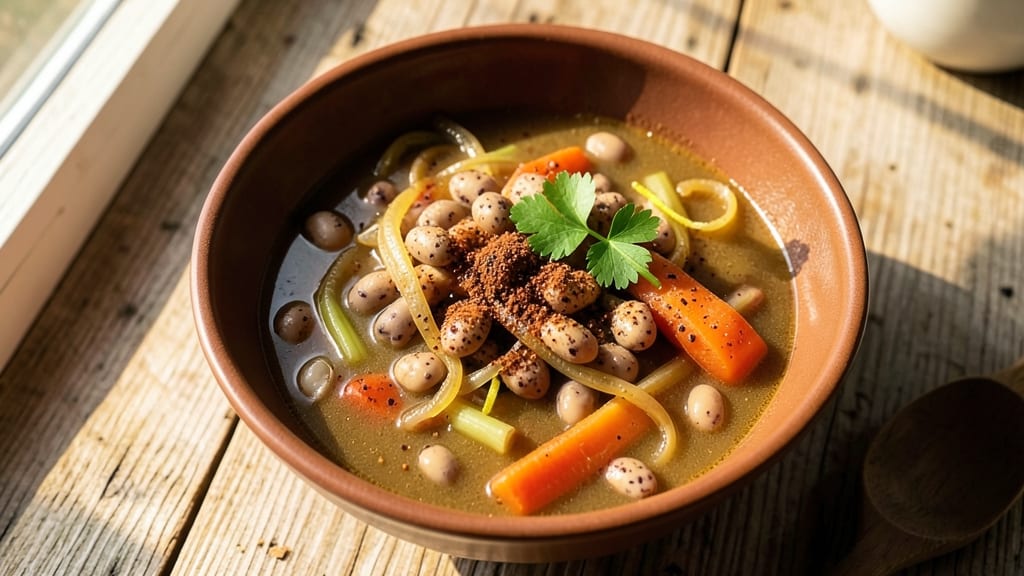
This basic bean soup recipe delivers a hearty, one-pot meal that's packed with smoky depth and satisfying texture—perfect for chilly evenings or busy weeknights. The secret lies in slow-cooked beans and aromatic vegetables that meld into a rich, flavorful broth without requiring fancy ingredients.
I developed this version after years of testing different bean blends and seasoning techniques, ensuring every spoonful is both nourishing and deeply flavorful.
The beauty of this recipe is its simplicity: just dried beans, vegetables, and basic pantry staples come together in a single pot, simmering until tender and infused with warmth.
The smoky depth comes from a blend of spices and a touch of liquid smoke (optional), while the vegetables add natural sweetness and texture. It's the kind of soup that tastes even better the next day as flavors deepen.
What you'll end up with is a creamy, comforting soup with perfectly tender beans, vibrant vegetables, and a broth that's rich enough to stand alone. The one-pot method means minimal cleanup, and the recipe scales easily for feeding a crowd or prepping for meal prep.
Garnish with fresh herbs or a squeeze of lime for brightness—this is soul food at its simplest.
Whether you're following a plant-based diet or just looking for a budget-friendly family meal, this bean soup delivers restaurant-quality satisfaction without the fuss. Let's get cooking—your kitchen will smell amazing within minutes.
Ingredients for basic bean soup
Pantry staples and fresh vegetables create this deeply flavorful vegan bean soup.
| Ingredient | Amount | Notes |
|---|---|---|
| Dried Navy Beans 🌱 | 1 ½ cups | Unsoaked, rinsed thoroughly |
| Yellow Onion 🧅 | 1 whole | Medium size, diced |
| Carrots 🥕 | 2 medium | Peeled, chopped into chunks |
| Celery Stalks 🌿 | 2 whole | Fresh, chopped |
| Garlic Cloves 🧄 | 4 cloves | Fresh, minced |
| Smoked Paprika 🌶️ | 1 tbsp | For smoky depth |
| Ground Cumin 🌿 | 1 tsp | Toasted for aroma |
| Dried Thyme 🍃 | 1 tsp | Or 1 tbsp fresh |
| Vegetable Broth 💧 | 4 cups | Low-sodium preferred |
| Tomato Paste 🍅 | 2 tbsp | Smooth, not chunky |
| Extra-Virgin Olive Oil 🫒 | 2 tbsp | For sautéing |
| Lemon Juice 🍋 | 1 tbsp | Freshly squeezed |
| Salt 🧂 | 1 ½ tsp | Adjust to taste |
| Black Pepper 🌶️ | ½ tsp | Freshly ground |
| Fresh Cilantro 🌿 | ¼ cup | Chopped, for garnish |
The dried navy beans are the heart of this soup—soak overnight for faster cooking or use the quick-soak method (boil 2 minutes, then rest 1 hour). For the best quality, store them in the freezer once opened to preserve freshness. Bob's Red Mill or Anthony's Goods are reliable brands for organic dried beans. The smoked paprika is non-negotiable for that signature depth; Penzeys carries excellent options. Fresh celery and carrots should have vibrant color—avoid wilted or rubbery vegetables from the store's back shelves.
No smoked paprika? Liquid smoke at half the amount works in a pinch, though it lacks the complexity. Substitute dried oregano for thyme if needed, but reduce to half the quantity. The tomato paste can be replaced with 1 cup crushed tomatoes for a chunkier texture. For extra creaminess without dairy, blend 1 cup of cooked beans into the finished soup. The vegetable broth should be low-sodium—Imagine or Pacific Foods brands are excellent choices. Fresh herbs like cilantro or parsley add brightness, but dried works at one-third the amount if fresh isn't available.
This soup improves with time—plan to serve it the next day when flavors meld perfectly. Store in an airtight container in the fridge for up to 5 days or freeze for 3 months. For meal prep, portion into glass containers to maintain freshness. Reheat gently on the stove with a splash of water or broth to restore creaminess. The beans will soften further, intensifying that restaurant-quality texture the intro promised.
Why You'll Love This Recipe
- Foolproof Prep: I swear by this—just soak the dried navy beans overnight (or use a pressure cooker for 15 minutes), then toss in chopped onion, carrots, and celery with a splash of broth. No fancy techniques, no stress.
- Savory Depth: That caramelized onion and garlic base? Chef’s kiss. The navy beans soften into a meaty texture while soaking up the sweetness, and the celery adds a fresh crunch that keeps it interesting.
- Meal Prep MVP: Between us, this is my lunchbox lifesaver. Double the batch, store in jars, and grab a thermos on your way out—still tastes fresh days later. (Yes, even on a Tuesday night.)
- Budget-Friendly Powerhouse: Dried beans and seasonal veggies stretch into a hearty bowl for pennies. I’ve fed four people for under $5 with this—no compromises, just solid, satisfying flavor.
Step-by-Step instructions for hearty one-pot bean soup
This method delivers rich, smoky flavor with minimal effort—perfect for weeknight dinners.
Prepare and Sauté the Aromatic Base
Heat the 2 tablespoons extra-virgin olive oil in a large pot over medium heat. Add the diced yellow onion, chopped carrots, and chopped celery stalks, stirring occasionally for 5-6 minutes until the vegetables soften and begin to caramelize—this builds foundational flavor. The onions should turn translucent while the carrots develop a slight golden hue.
Add the 4 minced garlic cloves and cook for 30 seconds until fragrant. Immediately stir in the 1 tablespoon smoked paprika, 1 teaspoon ground cumin, and 1 teaspoon dried thyme, toasting the spices for 30 seconds until you can smell their aromatic depth. This step ensures the spices release their full flavor potential before meeting the beans.
Add Tomato Paste and Deglaze
Reduce heat to medium-low and stir in the 2 tablespoons tomato paste, cooking for 1-2 minutes until it darkens slightly and blends seamlessly with the vegetables. This creates a rich, umami base that deepens the soup's complexity. Pour in the 4 cups vegetable broth, scraping up any browned bits from the bottom of the pot—these contain concentrated flavor that would otherwise go to waste.
Bring the mixture to a gentle boil, then add the 1.5 cups dried navy beans (rinsed thoroughly), 1.5 teaspoons salt, and 0.5 teaspoon black pepper. Stir once to distribute the beans evenly through the broth. The beans will expand significantly as they cook, so ensure there's enough liquid to prevent sticking.
Simmer Until Beans Are Tender
Reduce heat to low and cover the pot partially with a lid. Let the soup simmer gently for 45-50 minutes, stirring occasionally to prevent the beans from sticking to the bottom. You'll know the beans are ready when they're fork-tender and easily mashable between your fingers—this typically occurs when the liquid has reduced by about one-third, creating a thick, hearty consistency.
If the soup appears too thick before the beans are tender, add ½ cup hot water to maintain the proper texture. The beans should absorb the broth while developing a creamy texture, but the soup should still coat the back of a spoon without being gluey.
Finish and Adjust Seasoning
Once the beans are tender, stir in the 1 tablespoon lemon juice and adjust the seasoning with additional salt or pepper if needed. The lemon juice brightens the soup's flavors and cuts through the richness of the smoked paprika. Taste the soup and make final adjustments—this is where you ensure the balance between smoky, savory, and bright notes is perfect.
Remove the pot from heat and let the soup rest for 5 minutes to allow the flavors to meld. This resting period also helps the beans absorb any remaining liquid, resulting in a more cohesive texture. Skim off any excess fat that has risen to the surface if desired.
Serve with Fresh Garnish
Ladle the soup into bowls and garnish each serving with 0.25 cup chopped fresh cilantro. The cilantro adds a fresh, herbal contrast to the smoky, earthy flavors of the soup and brightens each bite. Serve immediately while the soup is hot, as the flavors continue to develop as it cools slightly.
This one-pot method ensures minimal cleanup while delivering a deeply flavorful, comforting dish that's perfect for any meal. The smoky depth from the paprika and cumin pairs beautifully with the natural sweetness of the carrots and the earthy texture of the navy beans, creating a harmonious balance in every spoonful.
Pro Tips For Making Basic Bean Soup
- SOAK BEANS OVERNIGHT: Navy beans cook faster and stay creamier if you soak them 8–12 hours first—no fancy gadgets, just a bowl of water and a lid. I learned this the hard way after staring at a pot of beans for three hours that still tasted like cardboard. Cold water works; skip the salt until cooking.
- SWEAT THE VEGETABLES: Dice onions, carrots, and celery into even ¼-inch pieces and cook them in a dry pot over medium heat for 5 minutes before adding oil. This draws out moisture so they caramelize instead of steaming into mush—my grandmother swore by this, and she was right.
- DON’T SKIP THE GARLIC: Smash the garlic cloves with the flat side of your knife before adding them to the pot. It releases more flavor and blends into the soup instead of hiding as whole cloves. (Yes, even if you’re impatient like me.)
- SIMMER, DON’T BOIL: Once the beans are tender, lower the heat to a bare simmer—tiny bubbles, not rolling. Boiling turns beans mushy and makes the soup watery. I used to rush this, but now I just let it sit quietly for 10 minutes, and the texture is perfect.
Essential equipment for this dish
Pot Selection Matters
Your choice of pot makes a big difference in texture and flavor. Use a wide, heavy-bottomed pot (like All-Clad or Le Creuset) to prevent scorching and ensure even heat distribution.
A 6-quart Dutch oven works perfectly for this recipe—its deep sides prevent spills when stirring, and the lid helps trap steam for faster cooking. Avoid thin, reactive metals like aluminum, which can alter flavors over time.
Essential Tools
A wooden spoon (not metal) is your best friend for stirring—it won’t scratch the pot or react with acidic ingredients like tomato paste. I keep a fine-mesh strainer nearby for rinsing beans and a garlic press for quick mincing.
A microplane comes in handy for zesting lemon if you want extra brightness. For measuring, a liquid measuring cup ensures accurate broth quantities, while a kitchen scale helps with beans if you prefer precision.
Spice Toasting Tip
Toasting spices in the pot releases their essential oils, which deepens flavor. Use a small, dry pot or the same large pot you’re cooking in—just reduce heat to medium-low to avoid burning. A mortar and pestle can also toast whole spices (like cumin seeds) before grinding, but this is optional.
Never skip toasting smoked paprika—it’s the secret to that restaurant-quality depth the intro promised. 🌶️
Temperature Control
Simmering at low heat prevents beans from splitting and keeps the broth from boiling over. A pot with temperature control (like an Instant Pot or slow cooker) makes this even easier—set it to low for 2-3 hours to achieve the same tender results.
If using a stovetop, keep heat at 3-4 on a 9-setting burner and stir every 10 minutes to maintain even cooking. A digital thermometer helps monitor internal bean temperature if you’re perfectionist like me.
Garnish Tools
Fresh herbs deserve proper prep tools. A sharp chef’s knife and cutting board are non-negotiable for chopping cilantro. I also keep tweezers handy to pick out any stray herb stems. For presentation, a slotted spoon lets you serve soup without disturbing garnishes.
A lime juicer makes brightening the soup effortless—just squeeze 1 tbsp fresh lemon juice per serving at the table for that zesty kick. 🍋
Storage Containers
For leftovers, glass containers with airtight lids (like Pyrex or mason jars) preserve texture and flavor best. Label with dates—this soup stays fresh in the fridge for 5 days or freezes for 3 months. When reheating, use a wide, shallow pot to distribute heat evenly and avoid scorching.
A silicone spatula helps scrape up every last bit of creamy goodness from the bottom. Pro tip: Add 1 tbsp broth when reheating to restore the perfect consistency. ❄️
Nutrition facts
Frequently asked questions
Can I use canned beans instead of dried?
Yes, but adjust the cooking time and liquid. Use 2 (15-oz) cans of navy beans (drained and rinsed) and add them in Step 2 with the broth. Since canned beans are pre-cooked, simmer the soup for only 15-20 minutes after adding them to prevent mushiness. You may need to add ½ cup extra broth to maintain the right consistency.
What if my soup turns out too thick?
Add ½ cup hot water or broth at a time, stirring well after each addition. The beans should be tender but not mushy—thickening is normal as they absorb liquid. For extra creaminess without thinning, blend ½ cup of the cooked beans directly into the pot using an immersion blender. This creates a velvety texture while keeping the soup hearty.
How can I make this soup spicier?
Add ½ teaspoon cayenne pepper or 1 teaspoon hot sauce during Step 4 when adjusting seasoning. For smoky heat, increase smoked paprika to 1.5 tablespoons and toast it longer. Finish each serving with a dash of hot sauce or red pepper flakes—this lets everyone customize their spice level.
Can I make this in a slow cooker?
Follow the same Step 1 sautéing method, then transfer everything to a 6-quart slow cooker. Add 1 extra cup of broth to account for evaporation. Cook on low for 6-7 hours or high for 3-4 hours, stirring occasionally. The beans will soften perfectly in the gentle heat, and the flavors will meld beautifully.
What vegetables can I substitute?
Swap carrots for sweet potatoes (diced, add with beans) or zucchini (add in last 10 minutes). Replace celery with bell peppers or kale (chopped small). For a Mexican twist, add 1 diced bell pepper and ½ teaspoon oregano. Just ensure veggies have similar cooking times—hard vegetables like potatoes need longer, while delicate ones like zucchini should go in later.