
Soups & Stews
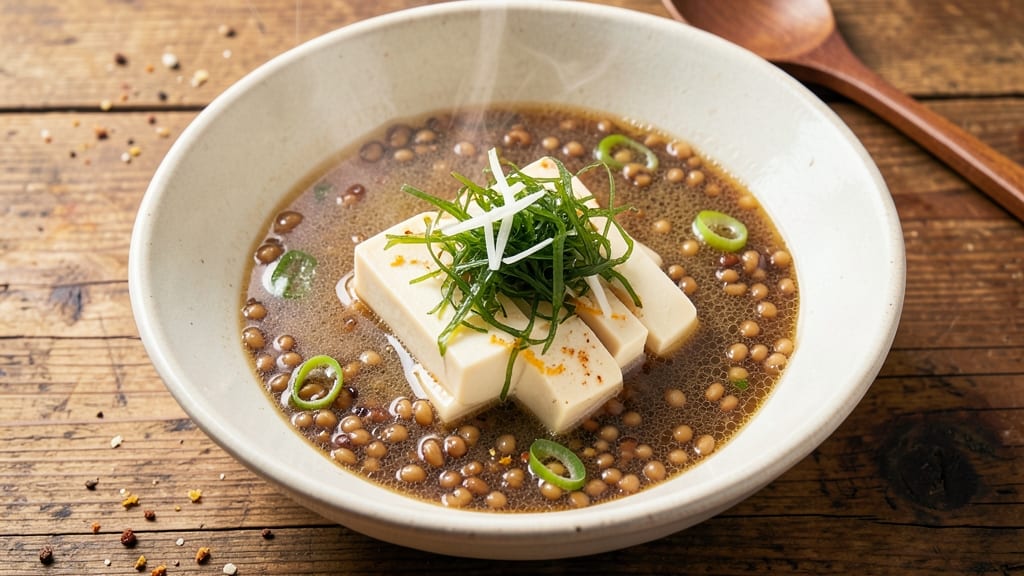
This barley miso soup recipe delivers hearty, umami-packed comfort with minimal effort—no fancy techniques required. The secret lies in balancing fermented miso paste with toasted barley and a simple broth, creating a dish that’s both deeply satisfying and endlessly adaptable.
Whether you’re meal prepping for the week or craving a quick vegetarian dinner, this one-pot method cuts prep time while delivering restaurant-quality depth.
The beauty of this recipe is its flexibility. Start with a vegetarian-friendly dashi (or chicken/seafood stock for extra richness) and let the barley soften as the broth simmers, absorbing all those savory notes.
A spoonful of miso paste—dissolved at the end—adds that signature tangy, funky umami that makes this soup irresistibly comforting. The result? A bowl that’s warm, nourishing, and packed with texture, from chewy barley to silky broth.
What sets this apart is how easily it adapts to your pantry. Swap in tofu for protein, wakame for oceanic brininess, or green onions for freshness—each addition enhances the soup without complicating the process.
And with 25 minutes on the clock, you’ll have a steaming bowl of goodness ready to lift your spirits on even the busiest days.
Perfect for chilly evenings or post-work recovery, this soup proves comfort food doesn’t require complexity. Let’s get cooking—your taste buds (and your schedule) will thank you.
Ingredients for barley miso soup
Toasted barley meets fermented miso in this umami-packed vegetarian comfort bowl.
| Ingredient | Amount | Notes |
|---|---|---|
| Barley, Pearl 🌾 | ½ cup | Rinsed before toasting |
| White Miso Paste 🍜 | 2 tbsp | Fermented, umami-rich |
| Vegetarian-Friendly Dashi Granules 💧 | 1 tbsp | Makes 4 cups broth |
| Silken Tofu 🧈 | 8 oz | Soft, cubed for texture |
| Green Onions 🧅 | 3 whole | Sliced, white and green parts |
| Wakame Seaweed 🍃 | 1 package | Dried, rehydrated |
| Sesame Oil 🫒 | 1 tsp | Toasted, for aroma |
| Garlic Cloves 🧄 | 2 cloves | Minced, aromatic |
| Ginger, Fresh 🍋 | 1 tsp | Grated, zesty kick |
| Vegetable Oil 🫒 | 1 tbsp | For toasting barley |
| Salt 🧂 | ½ tsp | Kosher or sea salt |
| Black Pepper 🌶️ | ¼ tsp | Freshly cracked |
| Sesame Seeds 🌿 | 1 tsp | Toasted, for garnish |
The barley is non-negotiable—pearl barley toasts up beautifully, adding nutty depth. Bob's Red Mill or Trader Joe's carry great quality, but any pearl barley works. Toast it in vegetable oil until golden—that aroma is everything. For the miso, white miso gives a cleaner flavor than red, but swap if you prefer funkier notes. The dashi granules? Hondashi is my go-to for vegetarian broth—just dissolve in hot water. Wakame adds oceanic brininess, so buy dried and rehydrate separately—it cooks fast and overcooks turn it mushy.
No silken tofu? Firm tofu or edamame work too—just cube and press out moisture. Short on wakame? Dulse flakes at half the amount mimic that seafood taste. The sesame oil is a must—toasted sesame oil from La Tourangelle has the best flavor. Fresh ginger is ideal, but dried works at half the amount. No sesame seeds? Toasted poppy seeds add crunch without changing the vibe. The green onions? Buy fresh and slice just before serving—they wilt fast in hot broth.
This soup tastes even better the next day—flavors meld beautifully. Store leftovers in an airtight container for 4-5 days, or freeze for 3 months. I double the batch on Sundays so I have lunches ready for the week. The miso paste? Keep it in the fridge after opening—it lasts forever if sealed tight. Barley softens as it sits, so reheat with a splash of water to restore texture.
Why You'll Love This Recipe
- I’ll be real: this recipe costs me pennies. Barley, miso, tofu—all things I already had lying around. And leftovers? They’re my secret weapon. Toss in a handful of frozen veggies the next day, and it’s still a solid meal. No waste, no guilt, just good food.
- No-Chop Needed: I swear, this is one of those recipes where you can eyeball measurements and still nail it. The barley and pearl barley just need a quick rinse—no soaking, no fuss—while the miso and dashi granules dissolve in seconds. Honestly, I’ve made it in my dorm microwave when I forgot my lunch.
- Umami Bomb: That white miso paste? It’s the star. Rich, salty, and just sweet enough to balance the silken tofu’s delicate creaminess. The dashi granules add this deep, savory punch without overpowering, and the green onions? A fresh little kick at the end. Between us, it’s the kind of flavor that makes you pause mid-sip.
- Lunchbox Hero: Here’s what sold me—this soup reheats like a dream. Pack it warm for work or school, and it’ll still taste fresh hours later. (Yes, even on a Tuesday night.) Plus, the barley keeps you full, so it’s my go-to when I’m juggling a million things and need something that won’t leave me hungry by noon.
Step-by-step instructions for barley and miso soup
This umami-packed soup comes together in one pot with minimal effort.
Toast the Barley and Prepare Aromatics
Heat the 1 tablespoon vegetable oil in a large pot over medium heat. Add the 0.5 cup barley, pearl and toast for 3-4 minutes until fragrant and lightly golden—this deepens the nutty flavor. While the barley toasts, rinse the 1 package wakame seaweed under cold water for 30 seconds to remove any grit, then drain.
In a small bowl, combine the 2 cloves garlic cloves (minced), 1 teaspoon ginger, fresh (grated), and 0.5 teaspoon salt. Set aside—this aromatic blend will form the flavor base of your soup. I like to press the ginger with the flat side of my knife to release its oils before grating for maximum zing.
Build the Umami-Packed Broth
Add 4 cups water to the pot with the toasted barley and bring to a boil. Stir in the 1 tablespoon vegetarian-friendly dashi granules, which will dissolve completely into the water. Reduce heat to medium-low and simmer for 5 minutes to allow the dashi to fully infuse.
Next, add the garlic-ginger-salt mixture and the drained wakame seaweed. Stir gently to combine—you want the wakame to rehydrate without breaking apart. This is where the soup starts developing its signature depth of flavor, so don't rush this step. The wakame will soften and release its briny sweetness into the broth.
Incorporate the Miso and Silken Tofu
Remove the pot from heat and gently stir in the 2 tablespoons white miso paste using a wooden spoon. The miso should blend smoothly into the broth without clumping—this is why we're working off the heat. The miso's fermented richness is what transforms this from a simple broth to a deeply satisfying soup.
Cut the 8 ounces silken tofu into ½-inch cubes and add them to the pot. Return the soup to low heat and simmer for another 5-7 minutes, just until the tofu is warmed through. The silken tofu will hold its shape while absorbing the umami flavors—don't overcook it or it'll turn rubbery.
Finish with Green Onions and Sesame Oil
Slice the 3 whole green onions into ½-inch pieces, separating the white and green parts. Add the white portions first and simmer for 1 minute to soften slightly, then stir in the green parts just before serving to keep them crisp. This two-stage addition ensures texture contrast in every bite.
Drizzle in the 1 teaspoon sesame oil and immediately taste the soup. Adjust seasoning with black pepper if needed—this is your chance to balance the rich umami with a touch of heat. The sesame oil adds a nutty aroma that ties all the flavors together beautifully.
Serve with Toasted Sesame Seeds
Ladle the soup into bowls and immediately sprinkle with 1 teaspoon toasted sesame seeds. The contrast of warm soup and cool sesame seeds on top creates an irresistible textural experience. Serve with steamed rice if you'd like to make it a complete meal—this soup is hearty enough to stand alone but pairs beautifully with grains.
Each bowl should deliver layers of flavor: the nutty barley, fermented depth of miso, briny wakame, delicate tofu, and fresh green onions. The one-pot method keeps cleanup minimal while delivering restaurant-quality results in under 25 minutes—perfect for a comforting weeknight dinner.
Pro Tips For Making Barley Miso Soup
- Rinse Barley Twice: I learned this the hard way—skipping the second rinse leaves a weird, chalky texture in your soup. After cooking barley for 30 minutes, drain it, give it a quick cold-water rinse, then drain again. This washes away excess starch that makes the broth cloudy and gummy.
- Bloom Miso Slowly: Dumping miso paste into boiling water kills its flavor. Instead, dissolve the dashi granules in just enough hot water to cover them (about 1 cup), then let it sit for 2 minutes off the heat. Pour this warm broth into the pot after the barley has cooked—this keeps the miso’s depth intact.
- Cut Tofu Last: Silken tofu gets rubbery if it sits in hot broth too long. Add the tofu cubes only in the final 2 minutes of simmering. If you’re worried about it breaking, poach it separately in a small pot of broth for 30 seconds before adding—it’ll stay silky.
- Toast Pearl Barley: Pearl barley’s flavor pops if you dry-toast it first. After rinsing, spread it on a dry skillet over medium heat for 3-4 minutes, stirring constantly, until it smells nutty. This step takes 2 minutes but makes the soup taste like it simmered all day. (Yes, even if you’re impatient like me.)
Wine and beer pairings for this recipe
Japanese Sake Pairings
Japanese sake is the classic match for barley miso soup, as its clean, crisp profile complements the umami richness without overpowering it. I recommend a dry junmai ginjo with subtle fruity notes—look for brands like Dassai or Kubota—which will enhance the barley’s nutty depth while keeping the palate fresh.
The gentle effervescence of a slightly chilled (45-50°F) sake helps cut through the soup’s creaminess, creating a harmonious balance. 🍶
Light White Wine Options
For wine lovers, a dry Riesling from Germany or Alsace is my go-to choice. The wine’s bright acidity and citrus undertones mirror the ginger and green onions in the soup, while its slight sweetness balances the miso’s saltiness.
A 2019 Dr. Loosen Blue Slate or Domaine Weinbach Pinot Gris both work beautifully. Serve slightly chilled (48-52°F) to preserve the wine’s crispness.
Craft Beer Complements
A Japanese-style lager like Asahi Super Dry or Sapporo Premium provides a refreshing contrast to the soup’s hearty flavors. The beer’s subtle hop bitterness and clean finish cleanse the palate between spoonfuls.
Alternatively, a wheat beer with a touch of citrus—such as Blue Moon—adds a bright, effervescent quality that pairs wonderfully with the miso’s funky depth. 🍺
Non-Alcoholic Alternatives
Don’t overlook non-alcoholic options! A sparkling yuzu soda (like San Pellegrino Aranciata Rossa) brings zesty citrus notes that brighten the soup’s umami profile. For something more herbal, try hibiscus iced tea—its tartness complements the miso’s richness while adding a refreshing contrast.
Both options work equally well for a lighter, alcohol-free pairing.
Seasonal Adaptations
In warmer months, opt for a lightly sparkling sake or dry cider to keep the meal feeling fresh. During colder seasons, a warmer, slightly sweeter junmai sake (around 55°F) adds comforting depth.
The key is matching the drink’s temperature and body to the soup’s intensity—just as you’d adjust seasonings, adjust your beverage to elevate the experience. ✨
Nutrition facts
Frequently asked questions
Can I substitute barley with another grain?
Yes, but expect different textures! For a similar chewy bite, try farro or brown rice (use 1 cup cooked). If you prefer softer grains, quinoa or couscous work too—just reduce cooking time by 5-7 minutes. The barley's nutty toasted flavor is key, so skip substitutions if you love that depth.
How do I make this vegan?
Easy! Replace the vegetarian dashi granules with seaweed broth or mushroom broth for umami. Skip silken tofu or use extra-firm tofu pressed for 10 minutes. For extra protein, add ½ cup cooked lentils or chickpeas—they hold up well in the broth.
Why did my miso paste clump when I added it?
Miso clumps when added to hot broth! Always dissolve it in 2 tbsp cold water first, then stir into the soup off the heat. This prevents curdling and ensures even distribution. The paste should blend smoothly—if it's too thick, add 1 tsp water to thin it before mixing.
Can I meal prep this soup?
Store in an airtight container for 4-5 days in the fridge. Reheat gently on low heat with 1 tbsp water to restore texture. The barley softens over time, so add 1 extra minute of simmering when reheating. Taste and adjust saltiness—flavors concentrate during storage.
What if I don't have wakame?
No problem! Use ½ tsp nori flakes or dulse flakes for oceanic flavor. For a different twist, add ½ cup chopped shiitake mushrooms (sautéed first) or 1 tsp kelp powder. The key is balancing the miso's saltiness—adjust with extra ginger or a pinch of salt if needed.