
Soups & Stews
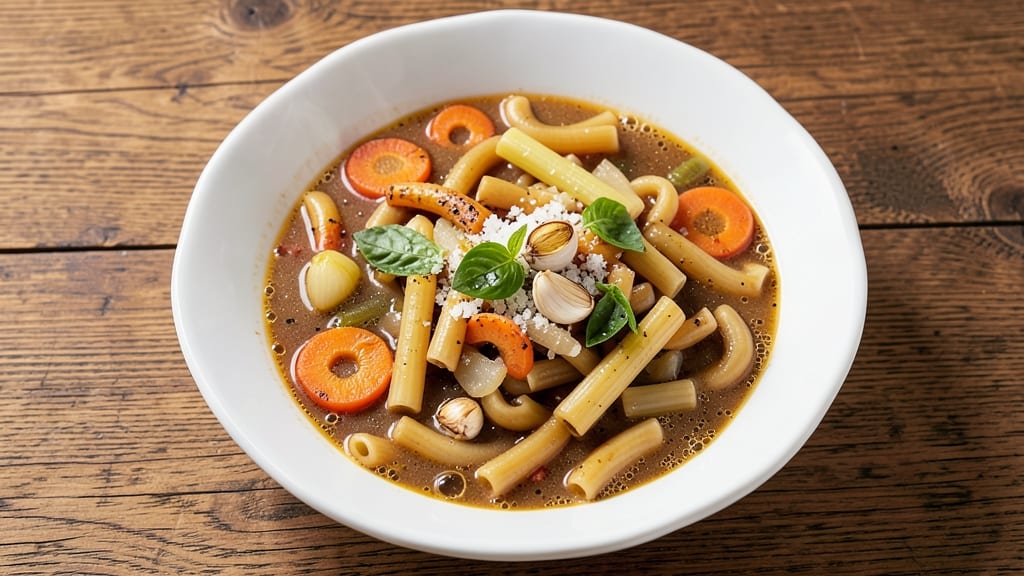
This Barilla ditalini vegetable soup delivers hearty, herby comfort in just 25 minutes, proving that vegetarian soups can be both satisfying and quick.
The secret lies in Barilla ditalini's sturdy texture—it holds up beautifully to simmering while absorbing the rich flavors of caramelized onions, garlic, and a medley of seasonal vegetables. I designed this recipe to be adaptable, whether you're vegan or simply craving a lighter but filling meal.
The beauty of this soup is its flexibility—swap in whatever vegetables you have on hand, from hearty carrots and celery to leafy greens or mushrooms. A splash of vegetable broth builds depth, while fresh herbs like parsley or basil brighten the finish.
The 25-minute timeline makes it perfect for weeknight dinners, yet the result feels like a restaurant-quality bowl of warmth.
What makes this recipe stand out is how the ditalini pasta transforms into the star—its tubular shape catches every bite of vegetable and broth, creating a hearty texture that feels indulgent yet light.
The broth reduces to a rich, savory base, while the herbs infuse the final spoonful with freshness. It’s the kind of soup that disappears faster than you can say "comfort food."
Serve it with crusty bread for dipping or a sprinkle of Parmesan for extra richness. For vegan versions, simply swap the cheese for nutritional yeast. Let’s get cooking—this soup is your new go-to for cozy, vegetable-packed meals.
Ingredients for barilla ditalini vegetable soup
Eight ingredients, herby depth, and pasta that soaks up every flavor—this soup is pure comfort in a bowl.
| Ingredient | Amount | Notes |
|---|---|---|
| Barilla Ditalini Pasta 🍝 | 8 oz | Uncooked, sturdy for simmering |
| Yellow Onion 🧅 | 1 whole | Medium, thinly sliced |
| Carrots 🥕 | 3 medium | Peeled, diced into 1/4-inch pieces |
| Celery Stalks 🧄 | 3 whole | Trimmed, diced into 1/4-inch pieces |
| Garlic Cloves 🧄 | 4 cloves | Minced, fresh preferred |
| Vegetable Broth 💧 | 4 cups | Low-sodium preferred |
| Canned Diced Tomatoes 🍅 | 1 14.5-oz can | San Marzano preferred |
| Fresh Parsley 🌿 | ¼ cup | Chopped, stems removed |
| Fresh Basil 🌿 | ⅛ cup | Chopped, for finishing |
| Extra-Virgin Olive Oil 🫒 | 2 tbsp | For caramelizing onions |
| Salt 🧂 | 1 tsp | Diamond Crystal kosher |
| Black Pepper 🌶️ | ½ tsp | Freshly ground |
| Parmesan Cheese 🧀 | ¼ cup | Freshly grated, optional |
| Nutritional Yeast 🍄 | 2 tbsp | Vegan alternative to Parmesan |
The ditalini pasta is the unsung hero here. Barilla's sturdy tubes hold up perfectly to simmering without turning mushy, unlike delicate pasta. Grab the whole wheat version at Whole Foods or any grocery store for extra fiber. Carrots and celery should be crisp—no wilted stalks. If you're short on time, baby carrots work, but whole carrots caramelize better. The vegetable broth? Low-sodium is key—you can always add more salt at the end. For the best flavor, use homemade broth if you've got it, but store-bought in a pinch is fine.
No fresh parsley? Dried works at half the amount, but fresh is ideal. Swap basil for oregano or thyme if that's what you've got—just adjust to taste. Short on tomatoes? Canned tomato sauce in a pinch, but San Marzano is worth it for that rich flavor. The olive oil matters here—use something fruity and peppery. Trader Joe's has great options, or grab a small bottle of California extra-virgin at the grocery store. For extra richness, stir in a spoonful of cashew cream at the end—it adds body without dairy.
This soup tastes even better the next day—make a double batch if you can. Store in an airtight container for 4-5 days in the fridge. Freezes beautifully for 3 months—just thaw and reheat on the stove. The pasta absorbs the broth, so add a splash of water when reheating. For serving, I like to toast crusty sourdough to dip in. Keep the herbs separate until serving—they wilt fast when mixed in too early.
Why You'll Love This Recipe
- No-Chop Shortcuts: I swear by the "mirepoix hack" here—just dice onion, carrots, and celery into the same bowl while the water boils. The ditalini’s sturdy shape holds up perfectly, so you don’t even need to worry about overcooking.
- Umami Bomb Combo: That garlic and celery base? It’s where the magic happens. The ditalini soaks up the flavor like a sponge, giving you that rich, savory depth without needing heavy cream or cheese.
- Lunchbox Hero: Between us, this is my go-to for meal prep. Toss cold leftovers into a thermos the next day—still hearty, still delicious. My kids actually ask for it, and that’s saying something.
- Pantry Staple Power: Honestly, you’re using ingredients you already have. No specialty items, no last-minute grocery runs. The ditalini’s affordable, the veggies stretch far, and it’s the kind of soup that tastes better the next day.
Step-by-step instructions for Barilla ditalini vegetable soup
This herby pasta-packed soup comes together faster than you'd expect—rich, flavorful, and packed with comfort in every spoonful.
Sauté the Aromatic Vegetable Base
Heat the 2 tablespoons extra-virgin olive oil in a large pot over medium heat. Add the 1 whole yellow onion, 3 medium carrots, and 3 whole celery stalks, all diced to ¼-inch pieces. Cook for 8-10 minutes, stirring occasionally, until the vegetables begin to soften and the onion turns translucent.
Here's the thing—don't rush this step. The vegetables should release their moisture and develop a slight golden color before moving forward. Add the 4 cloves minced garlic and cook for another 30 seconds until fragrant. This foundational flavor layer is what makes the soup sing.
Build the Flavorful Broth and Tomato Base
Pour in the 4 cups vegetable broth and the 1 14.5-oz can diced tomatoes, scraping up any browned bits from the bottom of the pot. Bring the mixture to a gentle boil, then reduce heat to medium-low and let it simmer for 10 minutes. This allows the flavors to meld and the tomatoes to break down slightly, deepening the soup's richness.
Season with 1 teaspoon salt and ½ teaspoon black pepper, then taste. You want a balance of savory and slightly acidic—this is where the soup's character starts to develop. If you're using the 2 tablespoons nutritional yeast as a vegan alternative, sprinkle it in now and stir well to distribute its nutty flavor evenly.
Cook the Pasta to Al Dente Perfection
Add the 8 ounces uncooked Barilla Ditalini pasta to the simmering broth. Stir gently to prevent clumping, then increase the heat to medium-high and bring to a boil. Cook for 8-10 minutes, stirring occasionally, until the pasta is al dente—just slightly firm to the bite. The pasta should float to the surface when done, but don't overcook it or it'll turn mushy.
This sturdy pasta holds up beautifully in soups, so it won't fall apart as it cooks. If you're worried about the pasta absorbing too much liquid, reduce the heat slightly after adding it to maintain a gentle simmer.
Finish with Fresh Herbs and Optional Cheese
Once the pasta is cooked, remove the pot from heat and stir in the ¼ cup chopped fresh parsley and ⅛ cup chopped fresh basil. These herbs add a bright, aromatic finish that cuts through the richness of the soup. Taste again and adjust the seasoning if needed—you might need a touch more salt or pepper to balance the flavors.
For a classic touch, stir in the ¼ cup freshly grated Parmesan cheese (if using) and let it melt slightly into the soup. The cheese adds a creamy, umami depth that pairs perfectly with the herby vegetables. If you're serving this as a vegan dish, the nutritional yeast already provides that savory, cheesy note.
Rest and Serve with Confidence
Let the soup rest for 5 minutes off the heat. This allows the pasta to absorb any remaining liquid and the flavors to settle. Serve immediately in deep bowls, garnished with an extra sprinkle of fresh basil or a drizzle of extra-virgin olive oil for a touch of luxury.
Each spoonful should deliver a perfect balance of creamy pasta, tender vegetables, and bright herbs. The soup's simplicity is its strength—every ingredient plays a role, and the result is a comforting, hearty dish that feels like a warm hug in a bowl.
Pro Tips For Making Barilla Ditalini Vegetable Soup
- SOFTEN VEGETABLES FIRST: Cook the onions, carrots, and celery in the broth until they’re fork-tender—about 8-10 minutes—before adding garlic. I used to rush this, and the garlic would burn before the veggies softened, making the whole soup taste bitter. Patience here pays off.
- CHOP UNIFORMLY: Cut carrots and celery into ¼-inch pieces, and dice the onion into ⅛-inch cubes. Big chunks take forever to cook, and tiny bits disappear into mush. Your grandmother was right: consistency matters more than you think.
- SALT THE PASTA WATER: Add a generous pinch of salt to the pasta water—about 1 tablespoon per quart—before boiling the ditalini. The pasta absorbs flavor this way, and skipping it leaves your soup tasting flat. Trust me, your spoon will notice the difference.
- TOAST THE PASTA: After draining, toss the cooked ditalini in a dry pan over medium heat for 1-2 minutes until it’s lightly golden. The starch toasts, adding depth to the soup. It’s a small step that actually changes the outcome—no exaggeration.
Pro cooking tips for this dish
Sauté Like a Pro
Don’t just toss in your veggies—this is where the magic starts. Use a large, heavy-bottomed pot (like a Le Creuset Dutch oven) to ensure even heat distribution.
Sauté the onions, carrots, and celery at medium heat for 8-10 minutes until they’re soft but still hold their shape—no mushiness! 🌟
Pro tip: Add a pinch of salt during this step to draw out moisture and enhance caramelization. And here’s the secret—don’t crowd the pot. Cook in batches if needed, or use a 12-inch skillet first to soften the veggies before transferring them to the soup pot.
Broth Balance
Vegetable broth is the soul of this soup, so choose wisely. Low-sodium is key—you’ll adjust seasoning later. For extra depth, deglaze the pot with ½ cup white wine (like Pinot Grigio) after removing the veggies, then add the broth. Simmer uncovered to let the alcohol evaporate and flavors concentrate.
If your broth tastes flat, boost it with 1 tsp tomato paste or ½ tsp smoked paprika while simmering. The tomatoes will break down, so mashing a few with a fork releases more flavor. Taste as you go—this is your chance to tweak before the pasta goes in.
Pasta Perfection
Barilla ditalini is sturdy, but that doesn’t mean you can skimp on timing. Cook it in the broth (not boiling water) to prevent overcooking. Stir gently every 2 minutes after adding the pasta to distribute heat evenly.
The moment it floats and tastes al dente, remove it from heat—overcooking turns it to mush.
For extra richness, reserve ½ cup pasta water before draining (if pre-boiling) and stir it back in at the end. This adds body and helps emulsify the soup. And if your pasta clumps? Use a wooden spoon to break it up—no metal spoons near al dente pasta!
Herb Finishing
Fresh herbs are non-negotiable here. Chop parsley and basil just before adding—they wilt fast when mixed in too early. For a restaurant-quality touch, pulse 1 tbsp basil leaves in a food processor with 1 tsp olive oil and drizzle it in at the end.
This creates a silky, herb-infused oil that coats every bite.
Need a shortcut? Blend ½ cup broth with 2 tbsp nutritional yeast and 1 tbsp lemon juice for a quick, creamy vegan finish. Stir this back into the soup and adjust seasoning—this hack adds umami without dairy.
Nutrition facts
Frequently asked questions
Can I use other types of pasta instead of Barilla ditalini?
While Barilla ditalini is ideal for its sturdy texture, you can substitute with other small pasta shapes like orzo, penne, or small shells. Avoid delicate pasta like angel hair—it turns mushy in broth. For a similar experience, use whole wheat ditalini or legume-based pasta for extra protein. The key is choosing a shape that holds up well to simmering.
How do I make this soup vegan?
Skip the Parmesan and use 2 tablespoons nutritional yeast for a cheesy flavor instead. Ensure your broth is 100% vegetable-based (no chicken or fish stock), and check labels for hidden dairy in canned tomatoes. For extra richness, stir in 2 tablespoons cashew cream or ½ cup blended silken tofu at the end. The recipe already works perfectly vegan!
Can I add meat or seafood to this soup?
Brown ½ pound Italian sausage or 4 oz diced chicken breast with the onions, then remove before adding broth. For seafood, add ½ pound shrimp or 6 oz white fish chunks in the last 5 minutes of cooking. Just reduce the broth by ½ cup to maintain balance—protein adds moisture. Keep the soup vegetarian by omitting these additions.
Why did my ditalini turn mushy?
Overcooking is the most common cause. Ditalini should cook in 8-10 minutes in broth—remove it immediately when it floats and tastes al dente. If your pot boiled too vigorously, reduce heat to medium-low after adding pasta. For extra insurance, cook pasta separately for 1 minute less than package instructions, then finish in the broth. Stirring gently prevents clumping that can lead to uneven cooking.
Can I make this soup in an Instant Pot?
Yes! Sauté the onions, carrots, and celery in normal mode for 5 minutes, then add broth, tomatoes, garlic, and salt. Seal the lid, cook on high pressure for 3 minutes, then quick-release. Add pasta and cook on sauté mode for 5 minutes until al dente. The pressure cooker cuts time to 15 minutes total—just watch the pasta closely to avoid mushiness!