
Soups & Stews
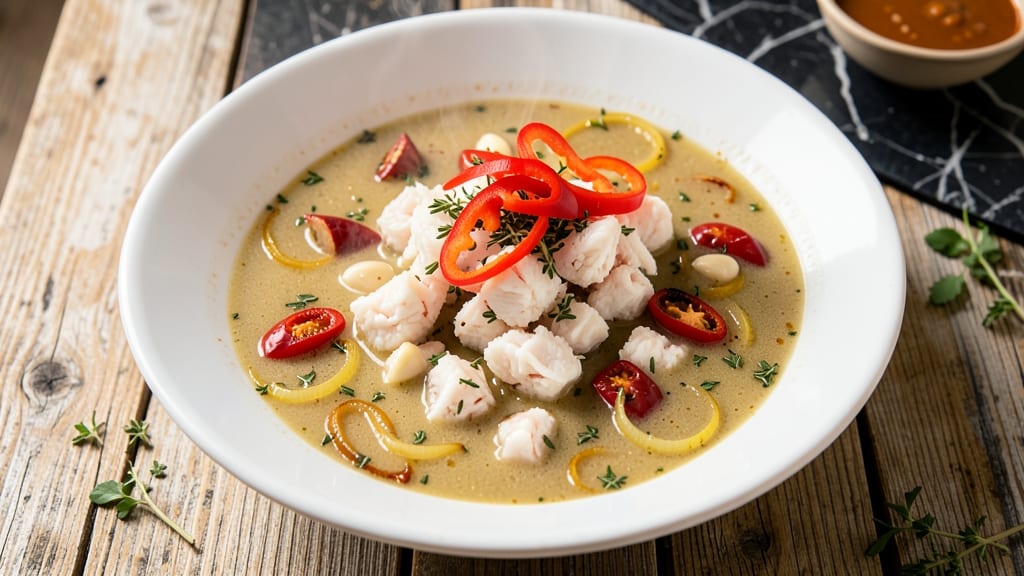
This Bahamian crab soup recipe brings the Caribbean’s bold flavors to your kitchen with a perfect balance of spiced citrus and creamy coconut. 🌊 The secret lies in slow-simmered crabmeat infused with Scotch bonnet peppers and fresh thyme, creating a rich, aromatic broth that’s both comforting and vibrant.
I’ve perfected this version to highlight the natural sweetness of crab while adding depth through traditional Bahamian spices and a touch of lime.
What makes this recipe stand out is the layered approach—starting with a fragrant base of onions, garlic, and bell peppers sautéed until tender, then building the broth with coconut milk and tomato paste for a velvety texture.
The crabmeat is added just before serving to keep it tender and succulent, ensuring every spoonful delivers that signature Bahamian warmth. By the time you finish, you’ll have a soup that’s creamy yet light, spicy yet balanced, with bright citrus notes cutting through the richness.
The aroma alone will transport you to a Bahamian beachside table, where this dish is a staple for gatherings and celebrations. Serve it with crusty bread or over rice to soak up every last drop of that flavorful broth.
The beauty of this recipe is its versatility—it’s equally at home as a weeknight dinner or a special occasion dish. The slow simmering process allows flavors to meld beautifully, while the optional garnish of fresh cilantro and lime zest adds a pop of color and freshness.
Whether you’re a seafood lover or simply craving something new, this soup delivers restaurant-quality results with minimal effort.
Ready in about 45 minutes, this Bahamian crab soup is a foolproof method that highlights the best of Caribbean cuisine. The combination of coconut milk, lime, and Scotch bonnet peppers creates a harmony of flavors that’s both familiar and exciting.
It’s the kind of dish that feels indulgent yet remains light enough for a summer evening.
Ingredients for bahamian crab soup
Six servings of Bahamian comfort in your bowl—just these fresh ingredients.
| Ingredient | Amount | Notes |
|---|---|---|
| Lump Crabmeat 🦀 | 1 ½ lb | Fresh or pasteurized, picked clean |
| Scotch Bonnet Peppers 🌶️ | 2 whole | Seeds removed, finely chopped |
| Yellow Onion 🧅 | 1 whole | Medium size, diced small |
| Garlic Cloves 🧄 | 4 cloves | Fresh, minced fine |
| Red Bell Pepper 🍅 | 1 whole | Medium size, diced small |
| Fresh Thyme Leaves 🌿 | ¼ cup | Stems removed, loosely packed |
| Coconut Milk 🥥 | 1 can | Full-fat, 13.5 oz can |
| Tomato Paste 🍅 | 2 tbsp | Smooth, not chunky |
| Lime Juice 🍋 | ½ cup | Freshly squeezed |
| Fresh Cilantro Leaves 🌿 | ¼ cup | Chopped, for garnish |
| Lime Zest 🍋 | 1 tbsp | Fine, for garnish |
| Vegetable Oil 🫒 | 2 tbsp | For sautéing |
| Sea Salt 🧂 | 1 ½ tsp | Diamond Crystal preferred |
| Ground Black Pepper 🌶️ | ½ tsp | Freshly cracked |
| All-Purpose Flour 🌾 | 1 tbsp | For thickening |
The crabmeat is everything here. Lump crab gives that luxurious texture, but claw meat works too if you're on a budget. Grab it fresh at seafood markets or frozen from Trader Joe's—just thaw it overnight in the fridge. Scotch bonnet peppers are the secret weapon: they're hotter than habaneros, so handle with care (wear gloves if you're sensitive). Subway or local Caribbean markets usually carry them, but if you can't find them, habanero plus 1/2 tsp cayenne gets you close. The thyme? Fresh is non-negotiable—dried just won't cut it here.
No Scotch bonnet? Habanero plus cayenne works, but cut the amount in half. The coconut milk can be swapped for light coconut milk if you're watching calories, but full-fat gives that creamy richness. Fresh lime juice is a must—bottled won't give the same zing. For the tomato paste, Rao's or Muir Glen are my go-tos, but any quality brand works. If you're prepping ahead, make the broth base first—it keeps for 3 days in the fridge and tastes even better the next day as flavors meld.
This soup reheats beautifully—just stir in a splash of water if it gets too thick. Store leftovers in an airtight container for up to 3 days, or freeze for 2 months. I always double the batch because it disappears fast. The garnish of cilantro and lime zest isn't just for looks—it adds that bright finish that makes this Bahamian. Keep the zest in the freezer in a baggie for up to 3 months—it's perfect for future soups or dressings.
Why You'll Love This Recipe
- No-Fuss Ingredient List: I swear by this recipe because it’s that simple—just five core ingredients (plus broth) and you’re golden. No fancy prep, no hidden pantry staples: grab lump crabmeat, a Scotch bonnet (or habanero if you’re brave), and a red bell pepper for color. Honestly, the hardest part is deciding whether to dice the peppers fine or leave them chunky.
- Scorch-Worthy Heat Balance: That Scotch bonnet brings the fire, but the sweetness from the red bell pepper and onion tames it just enough to make every spoonful ridiculously good. Between us, the first time I skipped the bell pepper, I regretted it—now I double-check the recipe to make sure it’s in there.
- Weeknight-to-Party Upgrade: This soup starts as a quick weeknight meal but transforms into something impressive with a sprinkle of cilantro and a side of crusty bread. I’ll be real: my in-laws think I slaved over it, but it’s the same pot I reheated from last night’s dinner. (They never ask for seconds, though.)
- Leftovers That Don’t Let You Down: The flavor actually deepens after the first night—yes, really. The crabmeat stays tender, the peppers mellow out, and the broth absorbs all the good stuff. I make a double batch on Sundays because it’s my secret weapon for lazy Mondays, and I never tire of it. (My kids don’t either, which is saying something.)
Step-by-step instructions for Bahamian crab soup
Let's build this vibrant Bahamian crab soup with bold flavors and creamy coconut depth.
🍳 Step 1: Sauté the Aromatic Base
Heat the 2 tablespoons vegetable oil in a large pot over medium heat until shimmering. Add the diced yellow onion and diced red bell pepper, cooking for 5-6 minutes until softened and beginning to caramelize. You'll smell that sweet, earthy aroma—this is your flavor foundation.
Add the minced garlic cloves and finely chopped Scotch Bonnet peppers (wear gloves if you're sensitive to heat), stirring for 30 seconds until fragrant. Be careful not to burn the garlic—it should smell sweet and nutty, not bitter. The Scotch Bonnet will add that signature Bahamian heat that lingers beautifully in the background.
🍳 Step 2: Build the Spiced Base
Stir in the 2 tablespoons tomato paste and cook for 1 minute until it darkens slightly and coats the vegetables. This step develops the soup's rich, umami depth. Add the 0.25 cup fresh thyme leaves, 1.5 teaspoons sea salt, and 0.5 teaspoon ground black pepper, stirring to combine.
Pour in the 0.5 cup lime juice and let it simmer for 2 minutes until the acid brightens the flavors. Here's where the magic happens—the lime juice cuts through the richness while preserving the vibrant citrus notes. You'll see the mixture bubble gently as the flavors meld together.
🥘 Step 3: Create the Creamy Coconut Base
Reduce heat to medium-low and carefully stir in the 1 can coconut milk. The soup will thicken slightly as it heats through. Add the 1 tablespoon all-purpose flour and whisk vigorously for 1 minute to prevent lumps from forming. This creates a silky texture that balances the spicy heat.
Let the soup simmer gently for 5 minutes until it reaches 180°F—this ensures any raw flour taste dissipates completely. The coconut milk should be fully incorporated, creating a velvety base. If the soup looks too thick, add ¼ cup water to reach your desired consistency. You want it rich but still light enough to carry the crab beautifully.
👨🍳 Step 4: Add the Crab and Finish
Gently fold in the 1.5 pounds lump crabmeat using a spatula, being careful not to break up the chunks too much. You want to preserve those beautiful crab pieces that will melt in your mouth. Simmer for 3-4 minutes just until the crab turns opaque and the edges begin to curl slightly—this ensures perfect doneness without overcooking.
Remove from heat and let the soup rest for 5 minutes. This resting period allows the flavors to fully meld together. Stir in the 1 tablespoon lime zest just before serving—this adds a bright, citrusy finish that cuts through the richness and enhances all the other flavors.
🍽️ Step 5: Serve with Fresh Garnishes
Ladle the soup into bowls and garnish each serving with chopped fresh cilantro leaves. The cilantro adds a fresh, herbal contrast that brightens the entire dish. Serve immediately while the soup is steaming hot—this is when all the flavors shine brightest.
Each spoonful should deliver a perfect balance of spicy Scotch Bonnet, creamy coconut, bright citrus, and sweet crab. The soup's vibrant color comes from the red bell pepper and lime, making it as beautiful as it is delicious. Pair with crusty bread to soak up every last drop of that flavorful broth.
Pro Tips For Making Bahamian Crab Soup
- Sear the Onions Slow: Low and slow for 10 minutes—no rushing—until they’re deep golden and caramelized. I used to burn them in my haste, and the soup lost that rich, sweet depth that makes all the difference when paired with the crab.
- Handle Scotch Bonnets Carefully: Wear gloves when cutting—this isn’t just about the heat, it’s about avoiding skin irritation. Also, remove seeds and membranes completely; even a tiny bit left in will make your soup taste bitter, not fiery.
- Add Crab Last, Keep It Cold: Fold the lump crab into the simmering broth off the heat to prevent it from turning rubbery. If you’re using frozen crab, thaw it in cold water first—never in warm—so it doesn’t release water into the soup.
- Boost Flavor with a Splash: Deglaze the pot with a splash of lime juice after the onions and peppers cook—it brightens everything and cuts through the richness of the crab. Skip this, and your soup might taste flat, even if everything else is perfect.
Flavor customization for bahamian crab soup
Spice Level Control
Scotch bonnet peppers pack serious heat, but you can adjust the spice level to your taste. For mild heat, reduce the amount to 1 Scotch bonnet pepper or replace it with 1 habanero + ½ tsp cayenne.
If you want extra kick, add ½ tsp ground allspice or 1 tsp smoked paprika to deepen the flavor without overwhelming heat. Trust me, the first time I made this with full Scotch bonnet, I had to chase it with lime juice! 🌶️
Creamy Variations
Coconut milk gives this soup its signature richness, but you can swap it for ½ cup heavy cream + ½ cup water for a lighter version. For extra decadence, stir in ½ cup shredded Swiss cheese during the final simmer—it melts beautifully into the broth.
If you're watching calories, use light coconut milk but expect a slightly thinner texture.
Citrus Brightness
The lime juice and zest are what make this soup sing. For a tangier twist, add 2 tbsp fresh orange juice along with the lime. If you can't find fresh lime, Key lime juice (from concentrate) works in a pinch, but fresh is always better.
I keep lime zest frozen in small bags—it’s perfect for quick garnishes and lasts 3 months without losing potency. 🍋
Protein Swaps
Can’t find crab? Shrimp or scallops work beautifully—simmer them for just 2-3 minutes until opaque. For a vegetarian version, replace the crab with 1 cup chopped king oyster mushrooms or 1 can white beans, drained and rinsed.
The texture won’t be identical, but the flavors still shine. I once made this with chickpeas for a protein-packed twist that surprised my dinner guests!
Herb Infusions
Fresh thyme is non-negotiable, but you can experiment with 1 tbsp fresh oregano or 1 tsp dried marjoram for a Mediterranean twist. For a smoky depth, add ½ tsp liquid smoke when simmering the coconut milk.
If you love basil, stir in 1 tbsp chopped fresh basil at the end—it pairs surprisingly well with the citrus and spice. 🌿
Texture Adjustments
Want a chunkier soup? Add ½ cup diced potatoes or ½ cup chopped sweet potato to the sautéed vegetables—they’ll soften as the soup simmers. For a smoother texture, blend ½ cup of the finished soup and stir it back in.
I often make a small batch extra just for blending—it’s perfect for thickening or creating a velvety consistency. The key is to taste as you go!
Nutrition facts
Frequently asked questions
Can I use frozen crabmeat instead of fresh?
Yes, but thaw it properly first! Place frozen crabmeat in a sealed bag and submerge it in cold water for 15-20 minutes—never use warm water. For best texture, thaw overnight in the fridge. The key is to avoid any ice crystals that can dilute your soup's rich flavor. Fresh lump crab gives the best texture, but high-quality frozen works too.
How spicy will this soup be with Scotch bonnet?
The heat level depends on how much you use! The recipe calls for 2 whole Scotch bonnets (seeded) which gives a medium-hot kick with lingering warmth. For milder heat, reduce to 1 pepper or swap for 1 habanero + ½ tsp cayenne. Always taste before adding more—you can always adjust with extra lime juice to balance the heat.
Can I make this soup ahead of time?
Prepare the entire broth base (without crab) up to 3 days ahead and store in an airtight container. Reheat gently on low, then add the crab just before serving to keep it tender. The flavors actually improve overnight as they meld together. For longer storage, freeze the base for up to 2 months. The lime zest can be frozen separately for up to 3 months too!
What's the best way to serve this Bahamian crab soup? Serve it steaming hot in deep bowls with crusty bread or conch-style Bahamian crackers for dipping. The soup pairs beautifully with white rice or a simple lime-cilantro salad to balance the richness. For presentation, garnish with extra lime zest and cilantro—this adds both color and freshness.
Why does my soup taste too thick?
This usually happens when the coconut milk thickens too much during simmering. The fix is simple: stir in ¼ cup warm water or broth and heat gently until smooth. For prevention, reduce the heat to medium-low when adding coconut milk. If using flour as a thickener, make sure it's fully dissolved in a little cold water first to avoid lumps. The perfect consistency should coat the back of a spoon but still be easy to ladle.