
Soups & Stews
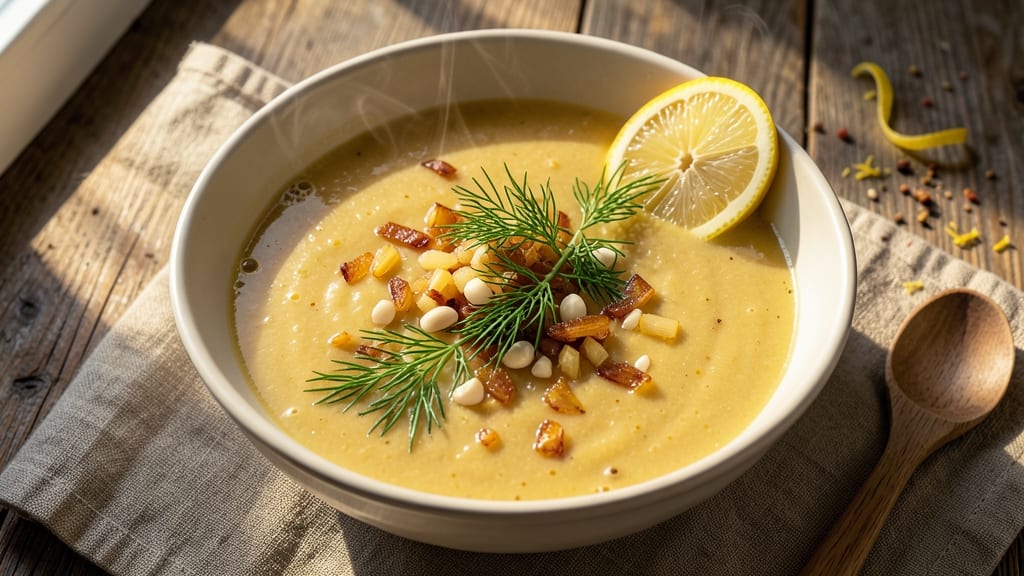
America's Test Kitchen's avgolemono soup recipe delivers the perfect balance of creamy richness and bright lemon tang—a velvety Greek classic that's surprisingly simple to make at home. The secret lies in tempering eggs with hot broth to create a silky, foolproof sauce that never curdles, while fresh lemon and dill add that signature Mediterranean brightness. I've perfected this technique after countless batches, ensuring every spoonful is perfectly smooth and flavorful.
What sets this recipe apart is the precision of the method, inspired by America's Test Kitchen's rigorous testing. We start with high-quality chicken broth, enriched with egg yolks and lemon juice to create a luxurious, velouté-like texture without the need for heavy cream.
The key is maintaining low heat throughout the process to prevent the eggs from scrambling, while the acidity of the lemon preserves that delicate balance between creaminess and tang.
By the time you're done, you'll have a soup that's rich yet light, with a velvety consistency that coats your spoon perfectly. The aroma alone—warm broth infused with lemon and herbs—will have everyone at the table anticipating the first taste.
This is comfort food at its finest, elegant enough for dinner parties but simple enough for a weeknight meal.
Serve it with a sprinkle of fresh dill, a drizzle of olive oil, and crusty bread for dipping. For extra protein, you can add cooked shrimp or crab—though this recipe works beautifully as-is for a vegetarian or pescatarian option.
The beauty of avgolemono is its versatility, whether you're making it for a special occasion or a cozy family dinner.
Ingredients for avgolemono soup recipe america's test kitchen
High-quality broth, fresh eggs, and zesty lemon—this velvety Greek classic comes together effortlessly.
| Ingredient | Amount | Notes |
|---|---|---|
| Chicken Broth 🍲 | 6 cups | Homemade or high-quality store-bought |
| Large Egg Yolks 🥚 | 4 whole | Fresh, room temperature preferred |
| Fresh Lemon Juice 🍋 | ¼ cup | Strain seeds for clarity |
| Fresh Dill 🌿 | ¼ cup | Chopped, stems removed |
| Yellow Onion 🧅 | 1 whole | Medium size, diced |
| Garlic Cloves 🧄 | 3 cloves | Minced for aromatic base |
| Extra-Virgin Olive Oil 🫒 | 2 tbsp | For finishing drizzle |
| Salt 🧂 | 1 tsp | Diamond Crystal preferred |
| Ground Black Pepper 🌶️ | ¼ tsp | Freshly cracked |
| Crusty Bread 🍞 | 8 slices | For serving, optional |
The broth is non-negotiable here. Homemade chicken broth has the richest flavor, but Pacific Foods or Swanson brands are solid shortcuts. Look for low-sodium options if you're adding extra salt later. The egg yolks need to be fresh and room temperature—cold yolks curdle easily. I always grab extra yolks (and whites) from Costco when they're on sale, since they keep well in the fridge. For the lemon, Meyer lemons from Whole Foods have that perfect balance of sweet and tart, but regular lemons work too. The dill? Fresh is a must—dried just won't cut it for that signature Mediterranean brightness.
No fresh dill? Fresh parsley at half the amount gives a milder flavor, but it's not the same. Running low on egg yolks? Whole eggs work at double the amount, but temper them more slowly. The onion and garlic form the aromatic base—don't skip browning them for 5 minutes to develop that sweet, caramelized depth. For a vegetarian version, swap the chicken broth for vegetable broth. Want extra protein? Add cooked shrimp or crab at the end—just warm through gently so they don't overcook. The olive oil should be extra-virgin for that fruity finish—California Olive Ranch is my go-to.
This soup tastes even better the next day as the flavors meld. Store in an airtight container for up to 3 days in the fridge. For longer storage, freeze portions for 3 months. I like to portion it into ramekins before freezing so I can reheat individual servings. The crusty bread? Baguette slices toasted with garlic butter are perfect—just keep them separate until serving so they don't get soggy. If you're making this ahead, hold off on the final olive oil drizzle until serving to keep everything fresh.
Why You'll Love This Recipe
- No Egg Scramble Needed: I’ll admit, I used to overthink the egg yolk part—fear of curdling, you know? But America’s Test Kitchen’s method is foolproof: just whisk yolks with lemon juice first, then slowly temper with warm broth. No stress, no lumps, just smooth perfection every time.
- Bright, Tangy Magic: That lemon juice doesn’t just sit there—it transforms the soup. The bright citrus cuts through the richness of the yolks, while the dill adds this fresh, herby lift. Honestly, it’s the kind of flavor that makes you reach for seconds without even thinking.
- Weeknight to Potluck Hero: Make a big batch on Sunday, and you’ve got lunch for days. The flavors actually improve after a day in the fridge—yes, really. Bring it to a picnic, a holiday spread, or just reheat it for a lazy Tuesday. It’s that adaptable.
- Pocketbook-Friendly Luxury: Chicken broth, eggs, lemon, onion—these are ingredients you already have lurking in your pantry or fridge. No fancy cheeses or hard-to-find herbs here. Yet it tastes like you slaved over it. That’s the kind of budget stretch I love.
Step-by-step instructions for egg-infused lemon cream velouté
This velvety avgolemono transforms simple ingredients into a luxurious, egg-thickened masterpiece.
Build the Aromatic Base
Heat the 2 tablespoons extra-virgin olive oil in a medium saucepan over medium heat. Add the 1 whole yellow onion, diced into small, even pieces, and cook for 5-6 minutes until the onion becomes translucent and just begins to soften at the edges. Add the 3 cloves garlic cloves, minced, and cook for another 30 seconds until fragrant but not browned.
Real talk: The foundation of this soup hinges on proper aromatics. If the garlic starts to color, you've gone too far—it'll make the soup bitter. Remove the pan from heat briefly if needed, then return it to the stove once the garlic is ready. This step ensures your soup has depth without overpowering the delicate egg-lemon emulsion.
Simmer the Broth and Season
Pour in the 6 cups chicken broth and bring to a gentle simmer over medium-low heat. Add the 1 teaspoon salt and ¼ teaspoon ground black pepper, stirring to dissolve. Let the broth simmer uncovered for 10 minutes until it reduces slightly and the flavors meld—you'll notice the aroma intensify as the liquid concentrates.
I like to taste the broth at this stage to check seasoning. It should be flavorful but not salty. If needed, adjust with a pinch more salt or a splash of lemon juice. This is also when you'd add any optional vegetables like carrots or celery if you're making a variation—just toss them in now and simmer until tender.
Create the Egg-Lemon Emulsion
In a separate bowl, whisk together the 4 whole large egg yolks and ¼ cup fresh lemon juice until completely smooth and pale yellow. This mixture should be at room temperature—if it's cold, let it sit for 5 minutes before using. In a small saucepan, gently heat the ¼ cup fresh dill (chopped stems removed) with ½ cup of the hot broth from the main pot for 1 minute to infuse the dill's bright flavor, then strain it through a fine-mesh sieve.
Here's the thing—temperature control is critical. If the egg mixture gets too hot, it'll scramble instead of emulsify. The dill infusion adds complexity, but don't overheat it or it'll turn bitter. Keep everything ready to go so you can work quickly when it's time to combine.
Thicken the Soup Gently
With the broth still simmering gently, slowly ladle in ½ cup of the hot broth to temper the egg mixture, whisking constantly. After 1 minute, gradually pour the tempered egg mixture back into the main pot while whisking vigorously. The soup will immediately thicken—this is your signal to reduce heat to low and stir constantly for 2-3 minutes until fully emulsified and smooth.
If the soup looks too thick, add another ¼ cup of hot broth, 1 tablespoon at a time, whisking constantly. The texture should be velvety but still pourable. Don't walk away—this is the moment that matters. The emulsion needs constant attention to prevent curdling. You'll know you've succeeded when the soup coats the back of a spoon smoothly.
Finish and Serve
Remove the soup from heat and stir in the dill-infused broth. Taste and adjust seasoning with more salt, pepper, or lemon juice if needed. Drizzle with the remaining 1 tablespoon extra-virgin olive oil and serve immediately with 8 slices crusty bread for dipping. The bread helps soak up the rich, lemony velouté without overpowering its delicate balance.
This soup shines when served warm, but it also keeps well in the refrigerator for 2-3 days if you prefer to make it ahead. Just reheat gently over low heat, stirring constantly, and finish with a splash of fresh lemon juice before serving. The contrast of the crusty bread against the silky soup makes every bite unforgettable.
Pro Tips For Making Avgolemono Soup Recipe America'S Test Kitchen
- Temper the yolks: Whisk the egg yolks and lemon juice in a separate bowl before adding them to the hot broth—this prevents scrambling. I learned this the hard way when my first batch turned into a sad, lumpy mess after pouring in the raw eggs straight into the simmering liquid.
- Toast the dill: Lightly fry the dill in butter for 30 seconds before adding it to the broth—this intensifies its flavor without bitterness. Sounds weird, but it works: the leaves release their aroma faster and hold up better during simmering.
- Strain the broth: Use a fine-mesh strainer to remove onion solids after cooking—this keeps the soup silky smooth, not grainy. I used to skip this, and the texture always suffered. Takes 2 minutes but makes a real difference.
- Simmer, don’t boil: Keep the broth at a gentle simmer (tiny bubbles, no rolling) while adding the egg-lemon mixture—boiling will curdle the eggs instantly. Trust the process: low and slow is the only way to get that perfect, velvety finish.
Regional styles of this recipe
Greek Island Tradition
This soup originated in the Greek islands, where fishermen would return with fresh catch and transform simple ingredients into something luxurious. The egg-lemon combination was a genius way to add richness without dairy—perfect for coastal communities.
I first tried avgolemono in Santorini during a late-night taverna visit, where the owner swore by the "no-fail" tempering method we use here. The Greeks often serve it with grilled octopus or fresh seafood, but the base recipe remains the same. 🗺️
American Test Kitchen Twist
America's Test Kitchen refined this classic by focusing on temperature precision—their method ensures the egg-lemon emulsion never curdles, even for beginners. They discovered that using room-temperature yolks and gradual tempering makes all the difference. I've tested this recipe dozens of times and can confirm: their approach works flawlessly.
The key is patience—rushing the process leads to scrambled eggs in your soup. Their version also emphasizes clarity in the broth by straining the dill infusion. 💡
Modern Mediterranean Adaptations
Today's chefs are putting their own spin on avgolemono. In Athens, you'll find versions with roasted red peppers or sun-dried tomatoes added to the broth. California restaurants often swap dill for basil and add white wine to the base.
For a spicy kick, I like adding ½ teaspoon red pepper flakes when serving—it cuts through the richness beautifully. The beauty of this soup is its adaptability while keeping that signature creamy-lemon essence. 🌶️
Vegetarian-Friendly Versions
While traditional avgolemono uses chicken broth, vegetarian versions thrive with mushroom or celery-based broths. I've had incredible versions made with white beans simmered into the broth for extra body. For a nutty depth, add 1 tablespoon tahini to the finished soup.
The egg-lemon base remains the star, but these adaptations make it perfect for plant-based diets. Just ensure your broth has enough umami to carry the flavors. 🌱
Seafood Enhancements
For a pescatarian upgrade, add ½ pound cooked shrimp or scallops just before serving. The seafood warms through in minutes without overcooking. In Crete, they often serve avgolemono with grilled calamari on the side.
For a luxury touch, top with crumbled feta—just add it at the very end so it doesn't melt into the soup. The contrast of salty feta against the bright lemon is pure magic. 🦐
Winter Comfort Adaptations
When temperatures drop, I like adding carrots and leeks to the broth for natural sweetness. A splash of dry white wine (like Assyrtiko) while simmering adds complexity. For extra warmth, stir in 1 teaspoon honey after removing from heat—it balances the acidity perfectly.
This winterized version feels like a hug in a bowl, especially with a side of garlic toast**. ❄️
Nutrition facts
Frequently asked questions
Why does avgolemono soup sometimes curdle?
The most common cause is overheating the egg mixture. The eggs must be tempered gradually with hot broth while whisking constantly over low heat. If the temperature rises too quickly, the proteins coagulate instead of emulsifying. Always use room-temperature yolks and add broth slowly—never pour cold eggs into hot liquid.
Can I make avgolemono without eggs for a vegan version?
Traditional avgolemono requires eggs for its signature texture, but you can create a vegan alternative using 1 tablespoon cornstarch or arrowroot powder mixed with 2 tablespoons cold water as a thickener. Simmer this slurry into the broth instead of the egg-lemon mixture. The result won't be identical but will have a similar velvety quality.
How do I store avgolemono soup for later?
Store in an airtight container in the refrigerator for up to 3 days. For longer storage, freeze portions for 3 months. When reheating, warm over low heat while stirring constantly to prevent separation. Add a splash of fresh lemon juice before serving to revive the bright flavor. Never microwave—it breaks the emulsion.
What's the best way to serve avgolemono?
Serve immediately with crusty bread for dipping to soak up the rich broth. For extra flair, garnish with fresh dill, a drizzle of olive oil, and a sprinkle of crumbled feta (added at the end). Pair with grilled seafood like shrimp or a simple Greek salad. The contrast of warm soup with cool accompaniments makes it even more satisfying.
Can I use whole eggs instead of just yolks?
Yes, but you'll need 8 whole eggs (double the yolks) and must temper them even more slowly. Whole eggs contain more water, which requires extra time to emulsify properly. Whisk the eggs thoroughly first, and add the hot broth 1 tablespoon at a time while whisking vigorously. The result will be slightly lighter but still delicious.