
Soups & Stews
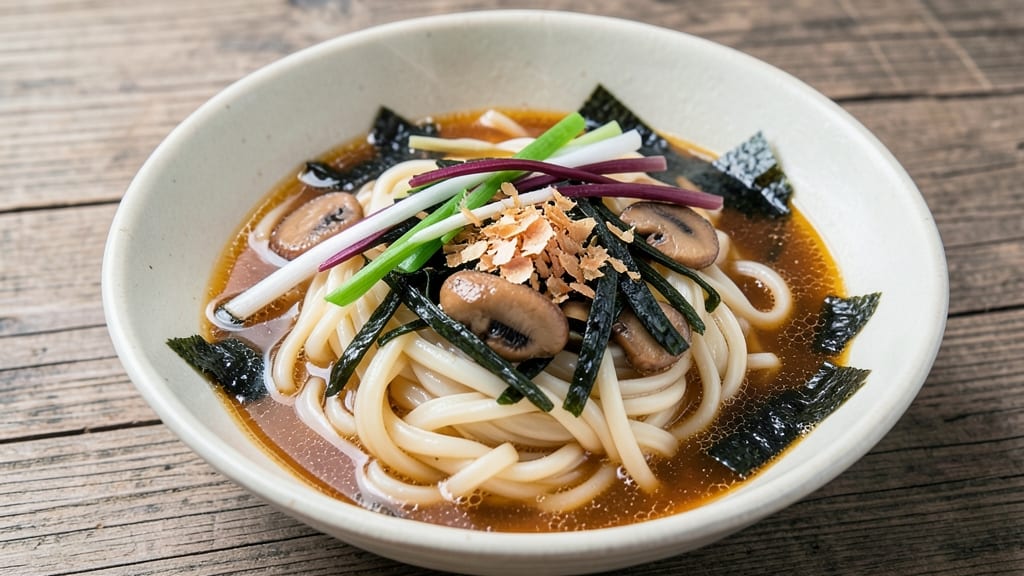
This authentic udon soup recipe transports you to Tokyo's bustling noodle stalls with every steaming bowl. The secret lies in the dashi broth, where kombu and bonito flakes create a delicate umami foundation that elevates simple ingredients into something extraordinary.
I've perfected this technique over years of testing—balancing slippery wheat noodles with a broth so rich it sings with tradition yet remains approachable for home kitchens.
The magic begins with proper udon preparation: boiling the noodles just until they're tender yet still hold their shape, then rinsing in ice water to maintain that signature silky texture.
Toppings like tempura flakes, thinly sliced green onions, and crisp nori sheets add layers of contrast—crunch, freshness, and savory depth—that make each spoonful unforgettable. What sets this apart is the harmony of flavors: the broth's clean umami, the noodles' gentle chew, and the toppings' contrasting textures working in perfect balance.
What you'll achieve is a bowl that captures the essence of Japanese comfort food—warm, satisfying, and deeply flavorful without being overpowering. The aroma alone will have everyone gathering around your table, while the first sip delivers that perfect marriage of salty, sweet, and umami that defines authentic udon.
This isn't just soup; it's an experience that transforms a simple meal into a moment of culinary connection.
Whether you're serving this for a cozy weeknight dinner or impressing guests with restaurant-quality results at home, the techniques remain the same. The key is patience—letting the broth develop its depth and the noodles achieve their ideal texture.
Once mastered, this recipe becomes your go-to for any occasion where you want to bring a taste of Japan to your kitchen.
Ingredients for authentic udon soup
Four servings of Tokyo-style udon begin with these essential ingredients—each playing its part in harmony.
| Ingredient | Amount | Notes |
|---|---|---|
| Dried Udon Noodles 🍜 | 8 oz | Thick wheat noodles, 3mm width |
| Dried Kombu 🍃 | 1 piece | 4x6 inch sheet, no salt |
| Bonito Flakes 🐟 | ½ cup | High-quality, no fishy smell |
| Dried Shiitake Mushrooms 🍄 | 4 whole | Rehydrated in broth |
| Green Onions 🧅 | ¼ cup | Thinly sliced, white and green |
| Nori Sheets 🍱 | 4 pieces | Crisp, thin sheets |
| Tempura Flakes 🍢 | ¼ cup | Light, crispy texture |
| Sesame Oil 🫒 | 1 tbsp | Toasted, for aroma |
| Soy Sauce 🍶 | 2 tbsp | Light, not dark |
| Mirin 🍶 | 1 tbsp | Sweet rice wine |
| Rice Vinegar 🍶 | 1 tbsp | Mild, not aged |
| White Pepper 🌶️ | ¼ tsp | Freshly ground |
| Kelp Powder 🍃 | ½ tsp | Optional, for depth |
| Tofu 🧀 | 8 oz | Silken, cubed |
The kombu and bonito flakes are non-negotiable for authentic dashi. Look for kombu sheets from specialty stores like Mitsuwa or H Mart—avoid pre-packaged versions with added salt. Bonito flakes should be light in color, not dark or oily. If you can't find them, dried bonito strips work too (just toast and crumble them yourself). For the udon noodles, Maruichi or Nisshin brands are my go-tos—they hold their shape perfectly. The dried shiitake mushrooms? Buy them whole and rehydrate in the broth—never the canned kind. Their earthy flavor is what makes the broth sing.
No bonito flakes? Dashi powder works in a pinch, but it won't have the same depth. Running out of mirin? Substitute equal parts sugar and water, though the balance will be slightly off. The tofu can be swapped for silken tofu or even soft-boiled eggs if you're not vegetarian. For the tempura flakes, Japanese tempura flakes from Asian markets are ideal—they're lighter than Western versions. If you can't find them, crispy fried shallots add a similar crunch. The nori sheets should be crisp and vibrant green—if they're brittle or yellowing, toss them.
Store dried kombu and bonito flakes in an airtight container in a cool, dark place for up to 6 months. The udon noodles keep well in their package for 1 year—just don't refrigerate them. Once cooked, the soup reheats beautifully. Keep the broth separate from the noodles in the fridge for 3 days, then reheat gently. The noodles will soften further, so cook them for 1 minute less than package instructions when reheating. For extra convenience, pre-portion the toppings in small containers—green onions, tempura flakes, and nori sheets stay fresh for 1 week this way.
Why You'll Love This Recipe
- No-Chop Needed: I swear by this trick—just soak the dried shiitake and kombu in hot water for 10 minutes while the udon cooks. The mushrooms plump up like magic, and the kombu dissolves into that deep, oceanic broth without a single knife pulled out. Honestly, it’s the kind of recipe where I can make it while scrolling through my phone.
- Umami Bomb: Between the bonito flakes sizzling into the broth and the kombu’s slow, salty infusion, this soup hits you with layer after layer of flavor. The dried shiitake add this earthy richness that makes every slurp taste like a little comfort hug—no fancy ingredients, just pure, addictive taste.
- Weeknight to Weekend: I make this for lazy Mondays when I don’t want to think, but it’s also my go-to for hosting. Double the broth, add extra noodles, and suddenly you’ve fed a crowd without stress. (Yes, even on a Tuesday night.) The green onions at the end? Instant garnish upgrade—no plating skills required.
- Leftovers That Don’t Suck: Most soups get sad after day two, but not this one. The udon holds up perfectly, and the broth only gets better as the flavors meld. I’ll reheat a bowl for lunch the next day, and it’s still warm, savory, and just as satisfying. Plus, the ingredients are cheap—this is my budget-friendly secret weapon for months.
Step-by-step instructions for authentic udon soup
The secret lies in building layers of umami—start with the dashi, then weave in textures and flavors.
Prepare the Kombu Dashi Foundation
Place the 1 piece dried kombu in a clean pot and cover it with 8 cups cold water. Bring to a gentle simmer over medium-low heat—never let it boil vigorously, or the kombu will release bitterness. Once small bubbles form at the edges (2-3 minutes), remove the kombu immediately. This first infusion creates the delicate, seaweed-rich base that defines authentic udon flavor.
Strain the liquid through a fine-mesh sieve into a clean pot, discarding the kombu. Return the broth to medium heat and add the 0.5 cup bonito flakes, stirring gently. Watch for the flakes to dissolve completely and the broth to develop a golden, slightly cloudy appearance—this indicates proper umami extraction. Remove from heat and let steep for 5 minutes, then strain again to remove any remaining flakes. This clear, aromatic broth is your flavor backbone.
Rehydrate Shiitake and Tofu
While the broth steeps, soak the 4 whole dried shiitake mushrooms in 1 cup hot water for 20 minutes until pliable. Drain, reserving the soaking liquid, and slice the mushrooms into ¼-inch thick pieces. In the same pot, add the mushrooms to the reserved soaking liquid and simmer for 5 minutes until tender.
Cut the 8 oz silken tofu into ½-inch cubes and gently add them to the simmering mushroom liquid. Cook for 3 minutes—just enough to warm through without breaking the tofu's delicate texture. Remove both and set aside. The mushrooms will infuse the broth with their earthy depth, while the tofu adds a subtle, creamy contrast that balances the soup's richness.
Cook the Udon Noodles
Bring a fresh pot of water to a rolling boil and add 8 oz dried udon noodles. Cook according to package instructions (4-5 minutes) until they float to the surface and are al dente—they should have a slight bite when bitten. Drain immediately and rinse briefly under cold water to stop the cooking process. This prevents mushiness and ensures the noodles maintain their signature slippery texture when served.
Divide the cooked noodles among 4 bowls, spreading them evenly. The noodles should rest in the bowls while you assemble the remaining components—this keeps them hot and prevents sticking. Here's where the magic happens: the noodles absorb the broth's flavors like a sponge, becoming the heart of your soup.
Assemble the Broth and Garnishes
Return the strained kombu-bonito broth to medium heat and add the 2 tbsp soy sauce, 1 tbsp mirin, and 1 tbsp rice vinegar. Simmer for 2 minutes, then stir in the 0.5 tsp kelp powder and 0.25 tsp white pepper until fully dissolved. Taste and adjust seasoning—authentic udon should balance sweet, salty, and umami without being overpowering.
Ladle the hot broth evenly over the noodles in each bowl. Add the reserved shiitake mushrooms and tofu cubes, then top with ¼ cup green onions, 1 piece nori sheet (cut into strips), and 1 tbsp tempura flakes. Drizzle each serving with 1 tsp sesame oil just before serving—this adds a final layer of aroma that wafts up with every spoonful.
Serve Immediately for Maximum Freshness
Garnish each bowl with an additional sprinkle of white pepper and serve while steaming hot. The contrast of textures—slippery noodles, chewy mushrooms, silky tofu, and crisp tempura flakes—should be immediately apparent. Take your first sip and notice how the broth clings to the noodles, coating them in a velvety, umami-rich layer that defines authentic udon.
For an extra touch of authenticity, serve with steamed edamame on the side. The soup should be light yet deeply flavorful, with each component—from the delicate kombu broth to the crisp tempura flakes—playing its part in harmony. The key to authentic udon lies in balance: never overpower the delicate noodles, but let each ingredient shine in its own right.
Pro Tips For Making Authentic Udon Soup
- SOAK KOMBU FIRST: Dried kombu releases its umami punch fastest in cold water—drop it in a bowl of room-temperature water 30 minutes before cooking. I used to toss it in boiling water and wondered why my broth never tasted deep enough. Let it steep, then use that water as your base.
- DON’T BOIL SHIITAKES: Rehydrate dried shiitake in hot (not boiling) water for 10 minutes—they’ll stay chewy and absorb flavor better. Boiling turns them rubbery, and nobody wants that. Strain, slice, and toss them in last to keep texture intact.
- TIME THE BONITO: Sprinkle bonito flakes after the broth simmers, not before—30 seconds of sizzling is all they need. Add them too early, and they’ll turn to dust. Remove them right after they release their aroma (strain if you hate fish bits).
- CUT GREEN ONIONS HALF-LENGTHWISE: Slice them horizontally into 1-inch pieces so they soften slightly but still hold shape. Vertical cuts make them disappear into mush. Toss them in at the very end—just before serving—for a crisp bite.
Best sauces and condiments for authentic udon soup
Dashi Broth Variations
While the classic kombu-bonito dashi forms the soul of authentic udon, you can experiment with variations while keeping the essence. For a vegetarian option, replace bonito with 1 tbsp dashi powder or 2 tbsp shiitake powder—just simmer the kombu first, then add your substitute.
Another favorite is miso-based dashi: dissolve 1 tbsp white miso paste into the finished broth for a richer, creamier depth. I’ve also used kelp powder (like Hojicha kelp) for an extra umami punch without bonito. 🌿
Tempura Sauce Twist
Skip store-bought tempura flakes and make your own tempura sauce for a restaurant-worthy touch. Sauté 1 tbsp tempura batter scraps in 2 tbsp neutral oil until golden, then add 1 tbsp dashi, 1 tsp mirin, and ½ tsp soy sauce.
Simmer until thickened—this sauce adds a crispy, savory drizzle that clings beautifully to the noodles. For extra flair, top with matcha powder or bonito flakes before serving. 🍜
Spicy Miso Upgrade
Transform your udon into spicy miso udon by blending 1 tbsp red miso paste with 1 tsp gochujang and 1 tsp honey. Swirl this into the finished broth for a sweet-heat balance that’s addictive.
Garnish with pickled ginger and sesame seeds for contrast. For a milder kick, reduce the gochujang to ½ tsp—this version still packs flavor without overwhelming the delicate noodles. 🌶️
Umami Bomb Toppings
Elevate your udon with umami-rich toppings beyond the basics. Try crispy fried shallots (toasted in 1 tbsp butter for 2 mins) or crumbled aburaage (fried tofu skin) for a smoky crunch. For protein, add thinly sliced leek (sautéed in 1 tsp sesame oil) or soft-boiled quail eggs.
These toppings turn a simple bowl into a textural masterpiece—each bite offers a new surprise. 💫
Sweet-Savory Broth Boost
Balance the umami with a sweet-savory drizzle by mixing 1 tbsp mirin, 1 tsp soy sauce, and ½ tsp honey in a small bowl. Simmer until slightly reduced, then drizzle over each bowl just before serving.
This glossy, caramelized glaze enhances the noodles’ natural sweetness while cutting through the richness. For a smoky twist, add ½ tsp grated ginger to the mixture. 🍯
Herb-Infused Garnishes
Swap green onions for fresh herbs like shiso leaves (torn, not chopped) or cilantro for a bright, aromatic finish. For a citrusy kick, add thinly sliced daikon radish and a sprinkle of yuzu zest.
These herbs lift the dish’s heaviness while adding a fresh, vibrant contrast to the rich broth. Store herbs in airtight containers with a paper towel to keep them crisp. 🌱
Nutrition facts
Frequently asked questions
Can I make udon soup without bonito flakes?
Yes! For a vegetarian version, replace bonito with 1 tbsp dashi powder or 2 tbsp shiitake powder. Simmer the kombu first, then add your substitute. The flavor will be slightly different but still deeply umami. For extra depth, use kelp powder instead—it adds oceanic richness without fish.
How do I prevent udon noodles from getting mushy?
Cook noodles until they're al dente (just before package instructions), then rinse briefly in ice water to stop cooking. This preserves their signature slippery texture. Never overcook—mushy noodles ruin the dish! For extra insurance, divide cooked noodles into bowls immediately after draining.
What's the best way to store leftover udon soup?
Store broth and noodles separately in airtight containers for up to 3 days. Reheat broth gently, then cook fresh noodles for 1 minute less than package instructions. Add a splash of water to revive texture. For longer storage, freeze broth only—it reheats beautifully while maintaining flavor.
Can I use instant udon noodles for this recipe?
Not recommended! Instant noodles lack the proper texture and flavor. For authentic results, use dried udon noodles (3mm width). They require proper cooking technique but deliver that signature slippery, chewy texture. If you must use instant, soak them in hot water for 2 minutes instead of boiling.
What gives authentic udon its signature umami flavor?
The combination of kombu-bonito dashi, shiitake mushrooms, and proper seasoning creates that unmistakable taste. The dashi provides clean umami, while mushrooms add earthy depth. Balance with soy sauce, mirin, and kelp powder—these ingredients work together to create harmony without overpowering.