
Soups & Stews
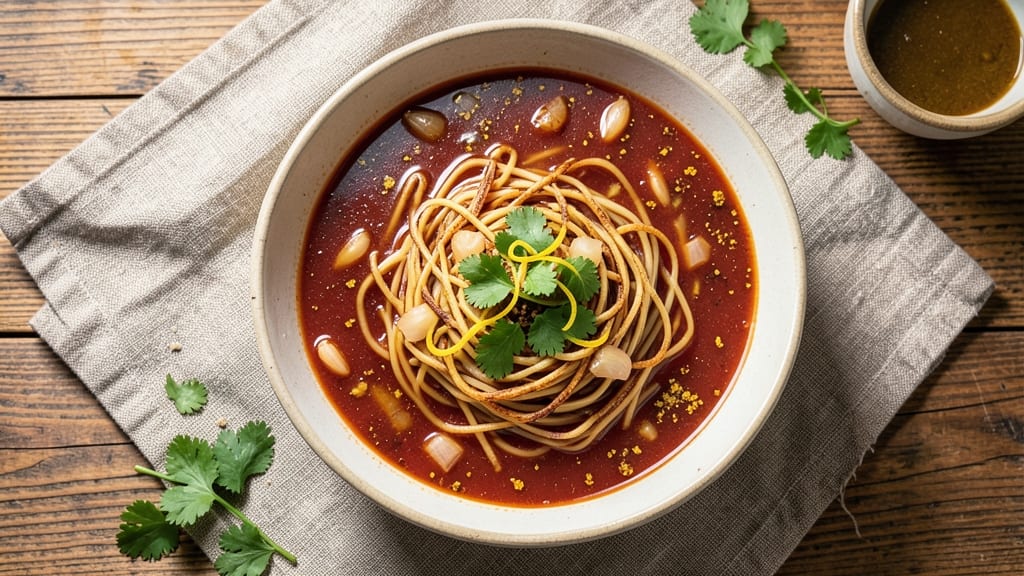
This authentic fideo soup recipe brings the comforting warmth of Puerto Rican tradition to your kitchen with its signature golden noodles and aromatic broth. The secret lies in perfectly balanced spices—turmeric for color, cumin for depth, and a touch of oregano for that unmistakable island flavor.
I've refined this recipe over years of testing, ensuring every bowl delivers the same rich, spiced goodness found in family kitchens across the island.
The beauty of fideo lies in its simplicity: fine rice noodles simmered in a savory broth until they absorb all the flavorful essence. Unlike other soups, the noodles here transform from delicate strands into a thick, satisfying porridge-like texture that clings to every spoonful.
The broth, built with tomatoes, garlic, and a blend of spices, creates a base so flavorful it becomes the star.
What makes this recipe truly authentic is the technique—cooking the fideo in the broth until it reaches that perfect consistency, then allowing it to rest just long enough to develop its signature golden hue.
The result is a soup that's hearty yet light, warming yet bright, with each bite offering a perfect balance of earthy spices and tender noodles.
Serve this fideo soup with a sprinkle of fresh cilantro and a side of crusty bread to soak up every last drop of that fragrant broth. The leftovers taste even better the next day, making it ideal for meal prep or feeding a crowd. Let's get cooking!
Ingredients for authentic fideo soup
Pantry staples meet Puerto Rican tradition for this comforting, spice-forward fideo soup.
| Ingredient | Amount | Notes |
|---|---|---|
| Fideo Noodles 🍜 | 1 cup | Fine rice noodles, not broken |
| Canned Tomato Sauce 🍅 | 1 can | 28 oz, San Marzano preferred |
| Garlic Cloves 🧄 | 4 cloves | Fresh, minced for broth |
| Onion 🧅 | 1 medium | Diced, yellow or white |
| Ground Cumin 🌿 | 1 tsp | Freshly toasted preferred |
| Ground Turmeric 🌶️ | ½ tsp | For golden color |
| Dried Oregano 🍃 | 1 tsp | Mexican oregano preferred |
| Salt 🧂 | 1 ½ tsp | Diamond Crystal preferred |
| Black Pepper 🌶️ | ½ tsp | Freshly ground |
| Chicken Broth 💧 | 4 cups | Low-sodium preferred |
| Olive Oil 🫒 | 2 tbsp | Extra-virgin for richness |
| Fresh Cilantro 🌿 | ¼ cup | Chopped, for garnish |
| Crusty Bread 🍞 | 1 loaf | For serving, optional |
| Water 💧 | 1 cup | For adjusting consistency |
The fideo noodles are the star—look for the fine, broken strands at Latin markets or the international aisle. Penzeys carries a great brand if you can't find it locally. The turmeric is non-negotiable for that signature golden hue; avoid the cheap stuff—it's the difference between vibrant and dull. For the tomato sauce, San Marzano cans deliver the sweetest, most consistent flavor, but any good-quality canned sauce works. The cumin and oregano should be toasted lightly in the oil before adding to the broth—this releases their aromas and makes all the difference. Fresh cilantro is ideal for garnish, but dried works in a pinch if you're in a hurry.
No chicken broth? Vegetable broth works perfectly—just add a pinch of chicken bouillon powder if you want that authentic depth. Running low on cumin? Smoked paprika at half the amount gives similar warmth. The olive oil matters here—use something with good fruitiness; California extra-virgin is my go-to. For the noodles, if you can't find fideo, vermicelli noodles work in a bind, though they won't give the same texture. The crusty bread is purely for serving—any good sourdough or baguette will do, but store-bought Italian bread from the freezer aisle is a lifesaver for quick weeknight meals.
This soup tastes even better the next day as the flavors meld together. Store leftovers in the fridge for up to 5 days, or freeze portions for 3 months—just reheat gently with a splash of water or broth. For meal prep, I double the recipe and freeze half; it's perfect for busy nights. The broth reduces slightly as it cools, so you can add water when reheating if it gets too thick. Garnish with fresh cilantro right before serving, as it wilts quickly when added to hot soup.
Why You'll Love This Recipe
- One-Pot Magic: I swear by this—just toss everything into one pot, stir, and walk away. No measuring cups, no fussing with separate pans, and honestly? The fideo noodles turn into this crispy, golden blanket on top while staying soft underneath. It’s the kind of dish that makes me feel like I’ve earned my dinner.
- Cumin-Kissed Comfort: That earthy cumin and garlic? It’s the secret weapon. The moment the noodles soak up the tomato sauce, the whole kitchen fills with this warm, spicy aroma that somehow smells like both home and a late-night diner. Between us, I’ve never met a bowl of soup that didn’t disappear faster than I could say “second helping.”
- Leftover Hero: This soup tastes better the next day—yes, really. The noodles soften just enough to soak up extra flavor, and the cumin deepens into something richer. I make a double batch on Sundays because it’s my go-to for lunches all week, and honestly? No one ever complains when I reheat it.
- Pantry Staple Power: Three ingredients you already own (tomato sauce, onion, garlic) plus fideo noodles—this is the kind of recipe that saves me when I’m staring at an empty fridge. It’s cheap, it’s fast, and it’s exactly what you need when you’re craving something hearty but don’t want to slave over it. (Yes, even on a Tuesday night.)
Step-by-step instructions for authentic fideo soup
This method delivers restaurant-quality fideo with vibrant turmeric color and deep cumin warmth.
Sauté Aromatics for Flavor Foundation
Heat the 2 tablespoons olive oil in a large pot over medium heat until shimmering. Add the 1 medium diced onion and cook for 5 minutes until softened and translucent. Stir in the 4 cloves minced garlic cloves and cook for another 30 seconds until fragrant—this prevents bitter garlic notes.
Here's the thing—don't rush this step. The onions should be fully translucent before adding garlic, or you'll end up with raw onion bits. I like to press the garlic into the onions with a wooden spoon to release their oils. This creates the aromatic base that carries through the entire soup.
Toast Spices for Maximum Flavor
Add the 1 teaspoon ground cumin, 0.5 teaspoon ground turmeric, 1 teaspoon dried oregano, 1.5 teaspoons salt, and 0.5 teaspoon black pepper to the pot. Stir constantly for 30 seconds until the spices are fragrant and the turmeric begins to deepen in color—this is when you'll see that beautiful golden hue developing.
Watch the pot carefully during this time. The spices should just barely start to sizzle but not burn. If you notice any dark spots forming, reduce the heat slightly. This quick toasting step unlocks the spices' full potential, which is crucial for that authentic fideo flavor profile.
Build the Tomato Broth Base
Pour in the 1 can canned tomato sauce and stir to combine with the spices. Let it simmer for 3 minutes until the raw tomato flavor mellows slightly. Then add the 4 cups chicken broth and bring to a gentle boil. Reduce heat to medium-low and let it simmer uncovered for 10 minutes to develop depth of flavor.
This simmering time is where the magic happens. The acidity from the tomatoes and the umami from the broth meld together, creating a complex base. I always taste the broth at this stage to adjust seasoning—sometimes it needs a pinch more salt or a splash of water if it's too thick.
Cook the Fideo Noodles Perfectly
Add the 1 cup fideo noodles to the simmering broth. Stir immediately to prevent sticking, then reduce heat to low and let cook for 12-15 minutes without stirring. The noodles should absorb the broth and become tender but still hold their shape—this is what gives fideo its characteristic texture.
Here's the critical part: don't lift the lid during cooking. Every time you peek, you release steam and potentially dry out the noodles. You'll know they're done when they're tender but still slightly firm to the bite, with a beautiful golden color from the turmeric. If they're sticking to the bottom, add the 1 cup water to loosen them.
Finish and Serve Authentically
Once the noodles are cooked, stir gently to distribute any settled spices at the bottom. Remove from heat and let sit for 2 minutes to allow the flavors to meld. Stir in the 0.25 cup chopped fresh cilantro just before serving—this adds bright, fresh contrast to the warm spices.
Serve immediately with warm 1 loaf crusty bread on the side. The soup should be thick but still spoonable, with each bite delivering that perfect balance of turmeric's earthy warmth, cumin's depth, and tomato's brightness. The noodles should be tender yet still hold their shape, with a slight chew that's characteristic of authentic fideo.
Pro Tips For Making Authentic Fideo Soup
- Toast the Cumin First: I learned this the hard way—skipping it makes your soup taste flat. Heat the ground cumin in a dry pot for 30 seconds until it smells nutty and fragrant before adding oil. This wakes up the flavor so it doesn’t just disappear into the tomato sauce.
- Boil Water Separately: The noodles need a quick, violent boil—like 3 minutes in rolling water—before they go into the soup. Dumping them dry into the sauce? You’ll end up with gummy fideo. Use a separate pot for that initial cook, then drain and add them to the simmering base.
- Sauté Onion Until Caramelized: Don’t rush the onion. Cook it low and slow until it’s deep golden, almost jammy, before adding garlic. This adds sweetness that cuts through the acidity of the tomato sauce—something cheap canned tomatoes desperately need.
- Stir Constantly After Adding Noodles: Once the fideo hits the sauce, give it a real stir every 30 seconds for the first 5 minutes. The noodles stick to the bottom like glue if you don’t, and you’ll end up with uneven cooking. A wooden spoon works best—metal scratches the pot.
Regional styles of these flavors
Puerto Rican Tradition
Fideo soup originated in Puerto Rico as a simple yet flavorful dish, often served during family gatherings and celebrations. The name "fideo" comes from the Spanish word for "thin strings," referring to the delicate rice noodles that transform into a thick, satisfying porridge when cooked.
This dish became a staple in Puerto Rican cuisine, especially during the Christmas season, where it's traditionally served as part of the Nochebuena feast. 🌶️
The recipe reflects Puerto Rico's culinary blend of Spanish, African, and Taíno influences, with spices like cumin and turmeric adding warmth and depth. In many Puerto Rican homes, the soup is made in large quantities and shared with neighbors, embodying the island's communal spirit.
The golden hue from turmeric isn't just for color—it's a sign of the dish's authenticity and care in preparation.
Dominican Spiced Twist
In the Dominican Republic, fideo is often called "fideo dominicano" and takes on a slightly different character with the addition of sofrito, a blend of sautéed peppers, onions, and herbs. The Dominicans also incorporate guava paste or sweet plantains for a touch of sweetness that balances the savory broth.
The spices remain similar, but the texture tends to be slightly thicker, almost like a hearty stew.
For a Dominican-inspired version, add 1 tablespoon of sofrito (available in Latin markets) when sautéing the aromatics, and stir in 2 tablespoons of guava paste at the end for a subtle sweetness. The result is a richer, more complex flavor profile that still maintains the comforting essence of fideo.
Cuban Adaptation
Cuban fideo, known as "fideo cubano," often includes a touch of ham or chorizo for added protein and smokiness. The Cubans also use a slightly different spice blend, incorporating ají dulce (a sweet Cuban pepper) and a pinch of cinnamon for warmth.
The broth is sometimes thickened with a roux made from butter and flour, giving it a creamier texture.
To make a Cuban-style fideo, cook 4 ounces of diced ham or chorizo with the onions and garlic in the olive oil. After adding the spices, stir in 1 tablespoon of flour to create a light roux before adding the tomato sauce and broth.
The result is a soup that's heartier and more robust, perfect for colder weather.
Modern Fusion Variations
Today, fideo soup has inspired creative fusions that keep the traditional base while adding contemporary twists. One popular variation is spicy fideo, where 2 teaspoons of smoked paprika and 1 teaspoon of cayenne pepper are added to the spice blend for a smoky kick.
Another trend is vegetarian fideo, which replaces chicken broth with a rich mushroom or lentil broth and adds black beans or corn for extra texture.
For a fusion twist, try adding 1 cup of diced bell peppers and 1 cup of corn to the broth while simmering. Stir in ½ cup of cotija cheese at the end for a creamy, tangy finish.
This modern take keeps the soul of fideo while introducing new flavors that appeal to today's palates.
Nutrition facts
Frequently asked questions
What makes fideo noodles different from regular rice noodles?
Fideo noodles are made from finely ground rice and toasted until golden, giving them a distinct nutty flavor and thicker texture than regular rice noodles. They're specifically designed to absorb broth beautifully while maintaining their shape, creating that signature porridge-like consistency.
Can I make this soup vegetarian?
Replace the chicken broth with 4 cups vegetable broth and add 1 can black beans or 1 cup corn for extra texture. For depth, stir in 1 teaspoon soy sauce or ½ teaspoon miso paste when building the broth base. The turmeric and cumin will still shine through beautifully.
Why does my fideo turn out mushy?
Overcooking or stirring too much during cooking causes mushiness. The noodles should cook 12-15 minutes on low heat without stirring—lifting the lid releases steam that dries them out. If they stick, add ½ cup water instead of stirring. The key is patience: they'll thicken as they rest off heat.
How can I make this soup spicier? Add ½ teaspoon cayenne pepper or 1 teaspoon smoked paprika with the initial spices. For heat lovers, stir in 1 chopped habanero or jalapeño with the onions.
What's the best way to reheat leftovers?
Gently reheat on the stove with 2-3 tablespoons water or broth over low heat for 5-7 minutes, stirring occasionally. Microwaving can make the noodles rubbery—always use stovetop heat. If too thick, add more liquid while warming. Leftovers actually taste better as flavors meld!