
Soups & Stews
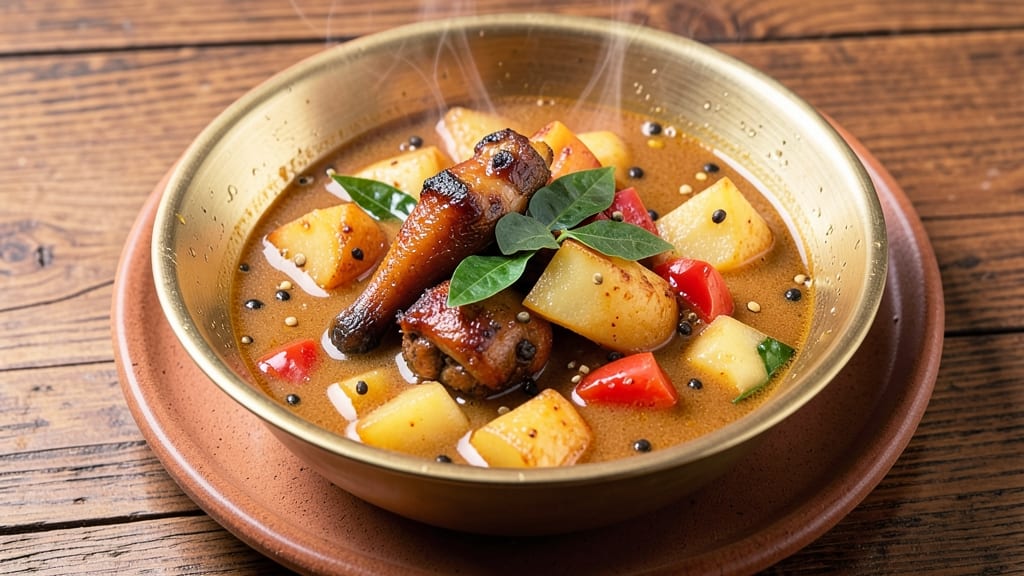
This Attukal soup recipe in Tamil language brings the soul-warming flavors of Kerala to your kitchen, a dish deeply rooted in Tamil tradition and festival heritage. This one-pot vegetarian masterpiece transforms simple vegetables into a fragrant, spice-infused broth that pairs beautifully with steamed rice or crispy appam. The recipe preserves authentic techniques while adapting to home kitchens, delivering restaurant-quality comfort in under 45 minutes of active time.
The magic lies in the layered spices and slow-cooked vegetables that develop deep, savory flavors. We begin with a tempering of mustard seeds and curry leaves that releases aromatic oils, followed by a blend of Tamil spices—cumin, coriander, and turmeric—that form the foundation.
The vegetables soften perfectly in the broth, absorbing all the flavors while maintaining their natural sweetness. This dish isn't just food; it's a celebration of Kerala's culinary traditions.
What makes this recipe special is its versatility. Serve it as a standalone soup with rice or use it as a base for dosa or idli accompaniments. The broth is rich enough to stand alone but light enough to complement other dishes.
Each spoonful carries the essence of Tamil heritage, making it perfect for special occasions or everyday comfort. Let's bring this traditional recipe to life in your kitchen.
The beauty of Attukal Payar Curry is in its simplicity and depth of flavor. With just a few key ingredients and proper technique, you'll achieve a dish that's both nourishing and deeply satisfying.
The spices are toasted to perfection, the vegetables tender yet vibrant, and the overall aroma will transport you to the streets of Kerala. This is more than a recipe—it's a cultural experience waiting to be created.
Ingredients for attukal soup recipe in tamil language
The heart of this Attukal soup lies in its layered spices and tender vegetables, blending Tamil tradition with home kitchen simplicity.
| Ingredient | Amount | Notes |
|---|---|---|
| Yellow Onions 🧅 | 1 whole | Finely chopped for tempering |
| Fresh Curry Leaves 🌿 | ¼ cup | Packed, whole leaves |
| Mustard Seeds 🌶️ | 1 tbsp | Whole seeds, light toasted |
| Cumin Seeds 🌿 | 1 tbsp | Lightly toasted for aroma |
| Ground Coriander 🌿 | 1 tbsp | Freshly ground preferred |
| Turmeric Powder 🌶️ | ½ tsp | Freshly ground for vibrant color |
| Ginger 🧄 | 1 inch | Fresh, peeled, grated |
| Green Chilies 🌶️ | 2 whole | Slit lengthwise for heat |
| Drumsticks (Moringa) 🍃 | 4 pieces | Fresh or frozen, chopped |
| Bottle Gourd (Lauki) 🥒 | 2 cups | Cubed, peeled if needed |
| Potatoes 🥔 | 2 medium | Peeled, cubed evenly |
| Coconut Milk 🥥 | 1 cup | Full-fat for creaminess |
| Tomatoes 🍅 | 2 whole | Ripe, crushed by hand |
| Salt 🧂 | 1 tsp | Adjust to taste |
| Asafoetida (Hing) 🌿 | ⅛ tsp | Pinch for authentic flavor |
The spices are non-negotiable for authentic flavor. Mustard seeds and curry leaves from a trusted Indian grocery store—Patel Brothers or India Sweets carry the best quality—create the signature aromatic tempering. Toast them in hot oil until they sizzle, then add cumin seeds and turmeric for depth. Freshly ground coriander adds brightness, while asafoetida (hing) delivers that unmistakable umami kick found in traditional Kerala cooking. For ginger, use a 1-inch piece—peel and grate it fresh; pre-grated loses potency quickly.
Vegetable flexibility works here. Drumsticks (moringa) and bottle gourd are traditional, but zucchini or eggplant can substitute if unavailable. Potatoes add heartiness—stick to Yukon Gold for even cooking. Coconut milk should be full-fat for richness; Thai Kitchen brand works well. Tomatoes? Roma crush more easily than beefsteak. Need extra heat? Add red chili powder to the tempering. The broth should be fragrant but not overpowering—balance is key in Tamil cuisine.
This soup tastes even better the next day as flavors meld. Store in an airtight container for up to 3 days in the fridge. For longer storage, freeze in 1-cup portions—thaw overnight in the fridge. Reheat gently on low heat, adding a splash of water if too thick. Pair with steamed basmati rice or crispy appam for an authentic Kerala meal experience.
Why You'll Love This Recipe
- I’ll be real: this recipe costs me next to nothing. Onions, mustard seeds, and curry leaves last forever, and I’m always left with extra portions that reheat like they’re fresh. It’s the kind of dish that turns $5 worth of ingredients into a full week’s worth of easy lunches—no waste, all flavor.
- No-Chop Nightmare: I swear by this recipe when I’m exhausted—just slice the onions (not even dice them) and toss everything into one pot. The mustard seeds and curry leaves sizzle like magic, and before you know it, you’ve got a steaming bowl of comfort without the fuss.
- Tamil Comfort in a Bowl: Here’s what sold me—the way the ground coriander and cumin seeds bloom in the hot oil, then mingle with the onions until they’re sweet and caramelized. It’s that perfect balance of sharp, spicy, and homey that makes me reach for seconds every time.
- Lunchbox Legend: Between us, this soup is my secret weapon for meal prep. Taste better cold than most store-bought soups, and it travels like a dream—pack it in a thermos, and your kids (or you) will devour it at school or work. Honestly, I’ve sent this to office potlucks and had people ask for the recipe.
Step-by-step instructions for Attukal soup
This traditional Tamil comfort dish comes together in one pot with vibrant flavors and hearty vegetables.
Prepare the Vegetable Base
Begin by peeling and cubing the 2 medium potatoes into even ½-inch pieces for consistent cooking. Peel and chop the 2 cups bottle gourd (lauki) into similar-sized cubes. Set both aside in separate bowls. In a large, heavy-bottomed pot, add the potatoes, bottle gourd, 4 pieces drumsticks (moringa), and 2 whole tomatoes that have been crushed by hand. Pour in 1 cup coconut milk and add 1 tsp salt. Bring to a gentle boil over medium-high heat, then reduce to medium-low heat and let it simmer uncovered for 10-12 minutes until the vegetables begin to soften.
While the vegetables cook, peel and grate the 1 inch ginger. Remove the stems from the 2 whole green chilies and slit them lengthwise. These aromatics will infuse the soup with their signature warmth and depth. Keep them nearby for the next step. The vegetables should be tender but not mushy—this ensures they hold their shape while absorbing the rich flavors.
Build the Tempering (Tadka)
Once the vegetables are partially cooked, reduce the heat to low and prepare the tempering. In a small dry skillet, toast the 1 tbsp mustard seeds and 1 tbsp cumin seeds over medium heat until they release their aroma and begin to pop—this should take about 1-2 minutes. Transfer these toasted seeds to a mortar and lightly grind them with the 1 tbsp ground coriander and 0.5 tsp turmeric powder until fragrant but not into a paste.
In the same pot with the simmering vegetables, add the 1 whole yellow onion that has been finely chopped. Sauté for 2 minutes until the onions soften slightly. Then, add the ground spice mixture, 0.125 tsp asafoetida (hing), and the grated ginger. Stir well to combine, allowing the spices to bloom and release their flavors. Here's the thing—this step is the soul of the soup. The hing adds that unmistakable umami depth that defines Attukal Soup.
Incorporate Aromatics and Finish Cooking
Add the slit green chilies and 0.25 cup fresh curry leaves to the pot. Stir gently to distribute the leaves evenly throughout the soup. Let the mixture simmer for another 5-7 minutes over medium-low heat, allowing the flavors to meld together. The curry leaves should infuse the soup with their citrusy aroma, while the green chilies add a subtle heat that balances the richness of the coconut milk.
Taste the soup and adjust the seasoning with additional salt if needed. The soup should be flavorful but not overly salty—remember, the coconut milk adds natural sweetness that complements the spices. Simmer for another 3-5 minutes until the vegetables are fully tender but still hold their shape. The drumsticks should be fork-tender, and the potatoes should be soft enough to pierce easily with a fork.
Serve Warm with Traditional Accompaniments
Remove the pot from heat and let the soup rest for 2-3 minutes. This resting period allows the flavors to settle and ensures that each spoonful delivers a harmonious blend of spices, vegetables, and coconut milk. Serve the Attukal Soup warm in deep bowls, garnished with a sprinkle of fresh curry leaves for an authentic touch.
Traditionally, this soup is enjoyed with steamed rice or appalam (rice flatbreads) to soak up the rich, spiced broth. The combination of the creamy coconut milk, earthy drumsticks, and vibrant vegetables creates a comforting bowl that captures the essence of Tamil home cooking. The warmth of the spices and the simplicity of the ingredients make this soup a true comfort food, perfect for any occasion.
Pro Tips For Making Attukal Soup Recipe In Tamil Language
- Bloom the Onions: Don’t rush the yellow onions—let them cook until they’re soft and translucent before adding water. I learned this the hard way: skipping this step makes the soup taste raw and bitter, no matter how much you stir later.
- Toast the Spices: Bloom mustard seeds and cumin in hot oil until they actually pop—not just sizzle. If you rush this, the flavors will taste flat. My grandmother swore by this, and she was right: the difference is night and day.
- Skip the Overcrowding: Add water in stages, not all at once. Dumping everything in at the start dilutes the base flavors. Start with half the water, let it simmer, then adjust—this keeps the attukal soup rich and balanced.
- Crush Curry Leaves: Lightly crush the curry leaves with the back of a knife before adding them. This releases their aroma without turning the soup bitter. Sounds weird, but it works—your soup will smell like a proper Tamil kitchen.
Essential equipment for perfect results
Heavy-Bottomed Pot
Invest in a 3-4 quart heavy-bottomed pot with a tight-fitting lid—this is non-negotiable for even heat distribution. I recommend a stainless steel pot like the Presto 6-Quart or All-Clad D5 for durability. The thick base prevents hot spots that can burn your vegetables while the sides are still cold.
A pot with a glass lid lets you monitor the soup's progress without losing steam. 🌡️
Mortar and Pestle
A granite or marble mortar and pestle is essential for grinding the tempering spices to perfection. The Kadhai Mortar brand offers excellent options that stay cool during grinding. Avoid metal mortars—they can heat up and alter the spices' natural oils.
Lightly grinding the toasted seeds with coriander and turmeric releases their aromatic compounds without turning into a paste, which is key for authentic flavor.
Curry Leaf Bundle
Fresh curry leaves are a game-changer for this recipe. Buy them in small bundles from Indian grocery stores like Patel Brothers or India Sweets. A 1-inch bundle (about 0.25 cup) adds that signature citrusy aroma.
If you can't find fresh leaves, dried curry leaves work in a pinch, but they lack the same vibrant flavor. Keep them in the fridge in a paper towel-lined container to preserve freshness for up to 1 week.
Asafoetida (Hing) Container
Store your asafoetida (hing) in a small airtight spice container with a tight-sealing lid. A glass jar with a metal clamp lid (like those from Penzeys Spices) works perfectly. This spice is potent—just 0.125 tsp transforms the dish—so measure carefully.
Keep it in a cool, dark place away from moisture. A pinch of hing is the secret ingredient that gives Attukal Soup its signature umami depth.
Slotted Spoon
A long-handled slotted spoon is perfect for stirring the soup and removing whole spices like curry leaves. I use a stainless steel version from OXO Good Grips—it's heat-resistant and won't warp.
The slots let you easily extract curry leaves or green chilies if you prefer less heat. Keep it handy during the simmering phase to adjust seasoning without losing any precious broth.
Fine-Mesh Strainer
For straining coconut milk or broth if needed, a fine-mesh strainer ensures smooth textures. The Eberhardt Stainless Steel Cone Strainer is my go-to—it's durable and easy to clean. If you're using frozen drumsticks, strain them after boiling to remove any fibrous bits before adding to the soup.
This step keeps the final dish silky and elegant, especially when serving to guests who prefer a smoother consistency. 💫
Nutrition facts
Frequently asked questions
What makes Attukal Soup different from other Tamil vegetable soups?
Attukal Soup stands out because of its unique blend of drumsticks (moringa) and coconut milk, creating a creamy yet aromatic broth. The tempering includes asafoetida (hing), which gives it that signature umami depth, and the vegetables are cooked just until tender—not mushy. This dish also has deep cultural roots, traditionally served during the Attukal Pongala festival in Kerala.
Can I substitute drumsticks if they're hard to find?
Yes! You can replace drumsticks with frozen okra or fresh eggplant for a similar texture. If using eggplant, cut it into small cubes and add it later in the cooking process to prevent it from turning mushy. The key is to maintain the dish's hearty vegetable base while keeping the flavors balanced.
How do I adjust the spice level for kids or sensitive stomachs?
Reduce the heat by removing the green chilies entirely or replacing them with 1 mild red chili. For extra mildness, skip the fresh chilies and add just 0.25 tsp red chili powder to the tempering. Always taste as you go—coconut milk naturally balances spice levels, so the dish remains flavorful but gentle.
Can I make Attukal Soup in an Instant Pot or pressure cooker?
Sauté the onions, tempering spices, and ginger as usual. Then add all vegetables and coconut milk, sealing the lid. Cook on high pressure for 3 minutes, followed by a natural release. Finish with curry leaves and green chilies. The pressure cooker reduces time to about 20 minutes total, but the flavors develop just as deeply.
Why does my Attukal Soup taste bland after refrigeration?
This happens when flavors need more time to meld. Reheat the soup gently with a splash of water or coconut milk, then let it sit for 5 minutes off heat. Add a pinch of asafoetida (hing) or a squeeze of lemon juice to revive the aroma. The dish often tastes better the next day as the spices settle!