
Soups & Stews
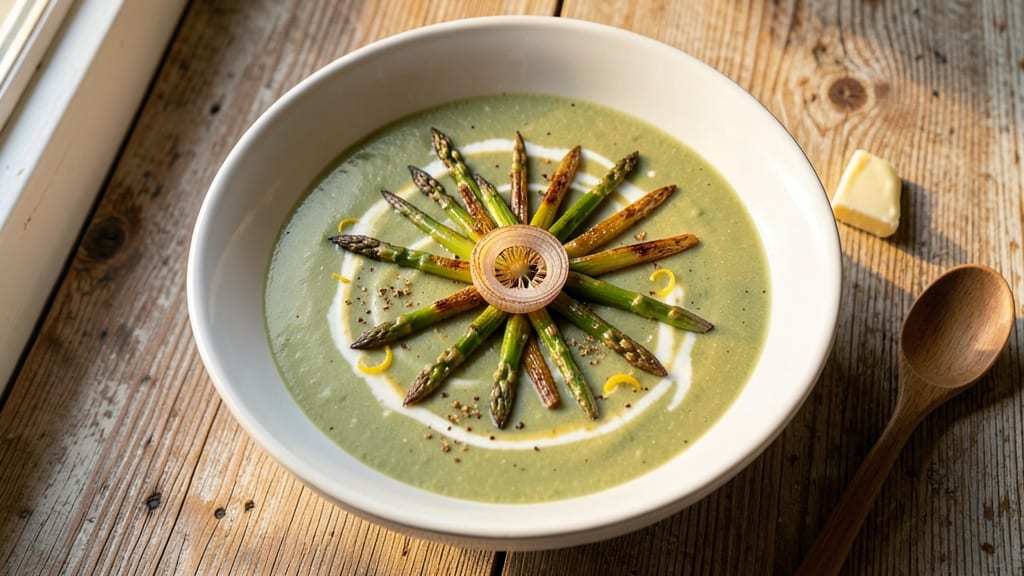
This asparagus soup recipe with half and half transforms simple spring asparagus into a velvety, restaurant-quality bowl of comfort. The secret lies in blending fresh asparagus with aromatic onion and garlic, then enriching it with creamy half and half for that signature luxurious texture.
I developed this recipe during peak asparagus season when I wanted to create something elegant yet approachable for weeknight dinners.
What sets this soup apart is the balance of earthy asparagus flavor with smooth, creamy richness—no lumps, no bitterness, just pure velvety perfection. The technique involves sautéing aromatics until fragrant, simmering with vegetable broth, and blending until completely smooth before the half and half transforms it into a silky masterpiece.
It's the kind of soup that makes you want to linger at the table with a slice of crusty bread.
By the time you're done, you'll have a creamy, golden-hued soup that's light enough for spring but satisfying enough for any season.
The half and half adds just the right amount of richness without overpowering the delicate asparagus flavor, while optional garnishes like fresh chives or crispy croutons add texture and visual appeal. This is springtime in a bowl—simple ingredients elevated to something extraordinary.
The best part? This recipe comes together in about 30 minutes with minimal prep work, making it perfect for busy weeknights or when you want to impress guests without spending hours in the kitchen. Serve immediately for that restaurant-warm experience, or chill slightly for a refreshing starter. Let's get cooking!
Ingredients for asparagus soup recipe with half and half
Simple spring ingredients elevated to velvety perfection with creamy half and half.
| Ingredient | Amount | Notes |
|---|---|---|
| Fresh Asparagus 🌱 | 1 lb | Trimmed, tough ends removed |
| Yellow Onion 🧅 | 1 whole | Diced, about 1 cup |
| Garlic Cloves 🧄 | 3 cloves | Minced, about 1 tbsp |
| Vegetable Broth 💧 | 4 cups | Low-sodium preferred |
| Half and Half 🥛 | 1 cup | Cold, full-fat for creaminess |
| Unsalted Butter 🧈 | 2 tbsp | European-style preferred |
| All-Purpose Flour 🌾 | 1 tbsp | For thickening |
| Fresh Lemon Juice 🍋 | 1 tbsp | Brightens flavor |
| Fresh Chives 🌿 | 2 tbsp | Chopped, for garnish |
| Salt 🧂 | ½ tsp | Diamond Crystal preferred |
| Freshly Ground Black Pepper 🌶️ | ¼ tsp | For finishing |
| Crusty Bread 🍞 | 4 slices | For serving |
The asparagus is the star—look for bright green stalks with tight tips at the grocery store. Whole Foods or your local farmers market have the freshest in spring. Trim the woody ends (about 1 inch) before cooking. If you can't find fresh, frozen asparagus works too—just thaw and drain well. The half and half is non-negotiable here; Land O'Lakes or Organic Valley brands keep beautifully in the fridge. For the butter, Plugra or European-style melts smoothly without graininess—worth the splurge for this recipe.
No fresh chives? Dried chives at one-third the amount or fresh parsley work in a pinch. Running low on vegetable broth? Water plus 1 tsp bouillon powder gets you close. The flour is just for thickening—if you're gluten-free, arrowroot powder at double the amount does the job. Want extra richness? Add 1 oz cream cheese when blending. For a lighter version, swap half and half for coconut milk, though the texture will be slightly different. The lemon juice can be bottled, but fresh makes all the difference—Mexican limes if you can find them.
This soup keeps beautifully—3 days in the fridge or 3 months frozen. For freezing, cool completely first. The bread? Toast it fresh before serving—crusty baguettes or sourdough work best. If you make extra, the soup reheats beautifully—just warm gently on the stove and stir in a splash of milk or water if it thickens too much. Garnish with chives and a crack of black pepper right before serving for that restaurant touch.
Why You'll Love This Recipe
- No Chopping Struggle: I swear by this recipe because you only need to trim the asparagus ends—no dicing, no mincing, just snap off the tough bits. That onion and garlic blend into the broth so smoothly, you’ll forget you even prepped them.
- Creamy Without Guilt: The half-and-half gives it that luscious, restaurant-style richness, but it’s not heavy like a full-fat cream soup. Honestly, the balance of bright asparagus and velvety texture hits different—especially when you add a crack of black pepper at the end.
- Weeknight to Dinner Party: Make a big batch on Sunday and reheat it all week—it’s that reliable. Or serve it chilled with a drizzle of olive oil for a fancy first course at your next gathering. The broth base keeps it adaptable without extra effort.
- Budget-Friendly Luxury: Fresh asparagus in season is cheaper than you think, and this recipe stretches a bunch into a satisfying meal. Between us, I’ve made this for $1.50 per serving, yet it feels like a splurge-worthy dish. That’s the magic of simple ingredients working hard.
Step-by-step instructions for asparagus soup with half and half
Here's how to transform fresh spring asparagus into a luxurious, velvety soup that's silky smooth and packed with bright flavor.
Sauté Aromatics Until Fragrant
Melt the 2 tablespoons unsalted butter in a large pot over medium heat. Add the 1 whole yellow onion and cook for 5-6 minutes until softened and translucent. Here's the thing—you want to see the onion turn a beautiful golden color without browning.
Add the 3 cloves minced garlic and cook for another 30 seconds until fragrant. Don't let it brown or you'll get bitter flavors. The garlic should smell amazing but still look pale. This aromatic base forms the flavor foundation of your soup.
Cook Asparagus Until Tender
Add the 1 pound trimmed asparagus to the pot and stir to coat in the butter. Pour in the 4 cups vegetable broth and bring to a gentle boil. Reduce heat to medium-low and simmer for 10-12 minutes until the asparagus is fork-tender.
You'll know it's done when the asparagus pieces collapse easily with a fork. The soup should look vibrant green and the asparagus should be soft but still hold its shape. This is where the magic happens—all those asparagus flavors infusing into the broth.
Create a Silky Sauce
Remove the pot from heat and let it cool slightly for 2 minutes. Using an immersion blender, blend the soup until completely smooth. I like to work in batches if needed—just be careful not to splash hot liquid. The result should be a velvety texture with no visible asparagus pieces.
Return the pot to medium heat and stir in the 1 tablespoon all-purpose flour, whisking constantly for 1 minute to cook out the raw flour taste. This creates a natural thickener that will help the soup hold its shape when we add the cream.
Finish with Cream and Brighten
Slowly pour in the 1 cup cold half and half while whisking continuously. Bring the soup to a gentle simmer and cook for 3-4 minutes until it reaches your desired thickness. You want it creamy but not heavy—think restaurant-quality velvety texture.
Stir in the 1 tablespoon fresh lemon juice, 0.5 teaspoon salt, and 0.25 teaspoon freshly ground black pepper. The lemon juice brightens all the flavors and balances the richness of the cream. Taste and adjust seasoning—you might need a bit more salt depending on your broth.
Serve with Crusty Bread
Ladle the soup into bowls and garnish each serving with 2 tablespoons chopped fresh chives. The chives add a fresh, herby note that contrasts beautifully with the creamy soup. Serve immediately with the 4 slices crusty bread on the side for dipping.
This is where the soup truly shines—warm, creamy, and packed with asparagus flavor. The bread soaks up every last drop of that velvety goodness. Enjoy while it's hot for the ultimate comfort food experience.
Pro Tips For Making Asparagus Soup Recipe With Half And Half
- CHAR THE ONIONS LOW: Medium heat only—high heat burns onions into bitter sludge. I learned this the hard way when my soup tasted like ash. Slice onions finely first, then cook them in a splash of broth or water until they’re translucent and just starting to soften. This keeps them sweet and prevents that sad, burnt flavor that ruins everything.
- TRIM ASPARAGUS AT THE END: Save yourself cleanup misery by leaving the woody ends on until after cooking. Snap them off with a firm bend (they’ll break cleanly at the natural break point), then trim just before blending. The ends add bulk to the soup base, and you won’t be scrubbing a colander later.
- SIMMER NOT BOIL THE BROTH: A rolling boil turns asparagus to mush and makes the soup watery. Keep it at a gentle simmer—tiny bubbles, not steam geysers—so the asparagus stays tender-crisp and releases flavor gradually. If it’s too aggressive, lower the heat and cover the pot.
- STIR IN HALF AND HALF LAST: Adding cream too early curdles it from the heat, turning your soup into a lumpy disaster. Wait until the soup is off the heat and just before serving to swirl in the half and half. For extra richness, warm it slightly first—just enough to melt the fat, not cook it.
Essential equipment for this recipe
Blender Essentials
An immersion blender is my go-to tool for this recipe—it makes blending right in the pot effortless and prevents messy transfers. I recommend the Ninja Foodi Immersion Blender for its powerful motor that handles asparagus stems without straining.
If you prefer batch blending, a high-powered blender like the Vitamix or Blendtec works beautifully. Just don't overfill—leave at least ½ inch of space at the top to prevent splatter. 💫
Pot Selection Matters
A heavy-bottomed pot with a 4-6 quart capacity is ideal for even heat distribution. I use my All-Clad Stainless Steel Dutch Oven because it handles the simmering process beautifully without hot spots.
For a budget-friendly option, a Calphalon Nonstick Stockpot works well too—just avoid overheating to prevent sticking. The pot should have a lid for efficient simmering during the asparagus cooking phase.
Whisk for Creamy Perfection
When incorporating the half and half, a balloon whisk is your best friend for creating a silky texture. I keep a OXO Good Grips Balloon Whisk in my kitchen specifically for creamy soups like this one.
The flexible wires ensure the cream is fully emulsified without creating lumps. For extra smoothness, whisk continuously while heating—this prevents the cream from curdling and creates that restaurant-quality velvety finish.
Measuring Tools
Precision matters with the half and half and flour measurements. I use a stainless steel liquid measuring cup for the cream and a scale for the flour to ensure accuracy. A microplane comes in handy for the garlic—it creates a fine texture that dissolves beautifully into the soup.
For the asparagus, a sharp chef's knife with a 10-inch blade makes quick work of trimming those tough ends efficiently.
Optional Garnish Tools
While not essential, a pair of kitchen shears makes quick work of chopping fresh chives for garnish. I also keep a small offset spatula handy for spreading any extra soup onto bread slices.
For an elevated presentation, consider a ladle with a serrated edge—it creates clean, professional-looking portions. The right tools make garnishing feel like a special touch rather than an afterthought. 🌿
Nutrition facts
Frequently asked questions
Can I substitute half and half with another dairy product?
Yes! For a lighter option, use 1 cup whole milk—it'll be slightly less rich but still creamy. For extra decadence, try ½ cup heavy cream + ½ cup milk (whisk well before adding). Avoid evaporated milk—it's too thick and can curdle. The key is cold dairy to prevent curdling when heated.
How do I prevent lumps when blending the soup?
Blend the soup while it's still hot (not boiling) for the smoothest texture. For extra insurance, whisk the flour into the cold half and half first, then stir into the hot soup. If you see small lumps after blending, press them against the pot sides with a spoon while heating—they'll dissolve as the soup comes to temperature.
Can I make this soup ahead of time?
Make it up to 2 days ahead and store in the fridge. Reheat gently on the stove, stirring occasionally. For the best texture, add 1-2 tablespoons milk or water if it thickens too much. The flavor actually improves after resting as the ingredients meld together. Freeze for up to 3 months—thaw overnight in the fridge before reheating.
What if my soup tastes too bitter?
Asparagus can develop bitterness if overcooked. To fix it, stir in 1 extra tablespoon lemon juice or add a pinch of sugar to balance the flavors. For prevention, simmer the asparagus for exactly 10-12 minutes—no longer. The bitterness comes from overcooking, so keep an eye on the clock and taste-test before blending.
Is this soup naturally gluten-free?
Yes, but only if you use gluten-free flour for thickening. The original recipe calls for all-purpose flour, which contains gluten. For a gluten-free version, replace the 1 tablespoon flour with 2 teaspoons arrowroot powder mixed with 1 tablespoon water—it thickens beautifully without altering the flavor.