
Soups & Stews
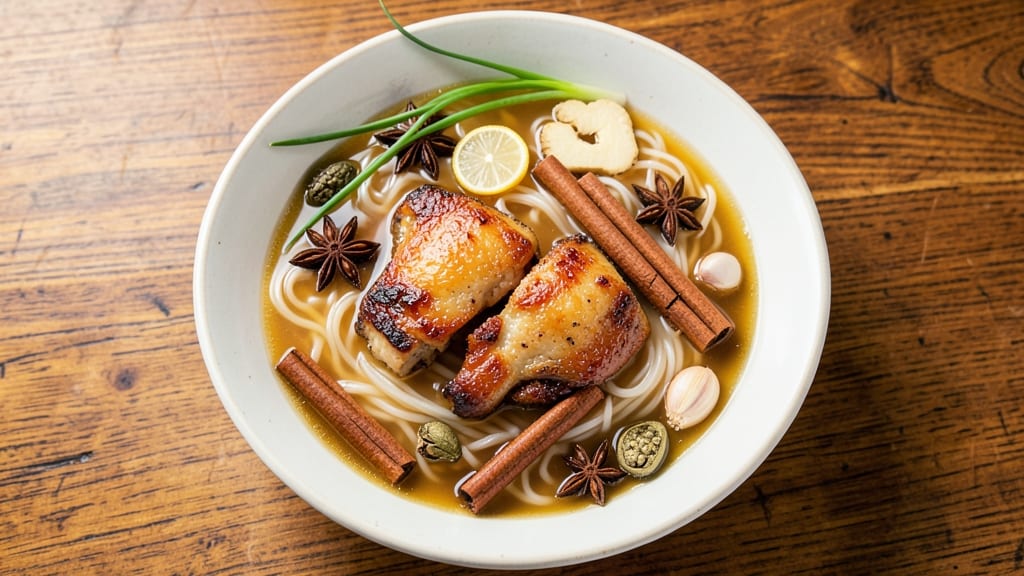
This Asian noodle soup broth recipe transforms simple ingredients into a fragrant, umami-rich foundation that elevates any bowl of noodles. The secret lies in slow-simmered aromatics—star anise, ginger, and garlic—working together to build layers of warmth and depth. I developed this version after years of testing, balancing traditional techniques with modern shortcuts to deliver restaurant-quality flavor at home.
What sets this broth apart is its versatility—it works as the base for pho, ramen, or Japanese tonkotsu, depending on your protein and garnishes. The double-boiling method ensures clarity while preserving the rich, caramelized flavors from the aromatics and protein.
Whether you choose chicken, pork, or tofu, the broth absorbs their essence, creating a harmonious blend of savory, spicy, and fresh notes.
By the time you strain and serve this broth over steaming noodles, you’ll have a dish that’s both comforting and complex. The star anise infuses a subtle sweetness, the ginger adds a gentle heat, and the garlic rounds out the depth.
Garnish with fresh herbs, lime, and bean sprouts to brighten the bowl, and you’ve got a meal that’s as satisfying as it is flavorful.
The best part? This broth freezes beautifully, so you can prep ahead and have a comforting meal ready in minutes. Let’s dive into the steps—your taste buds will thank you.
Ingredients for asian noodle soup broth
Six aromatic ingredients and one protein create this umami-packed broth foundation.
| Ingredient | Amount | Notes |
|---|---|---|
| Chicken Thighs, Bone-In, Skin-On 🍗 | 2 ½ lb | Cut into 2-inch pieces, skin left on |
| Star Anise Pods 🌿 | 4 whole | Whole pods, not ground |
| Fresh Ginger Root 🧄 | 6 oz | Unpeeled, sliced into 1-inch pieces |
| Garlic Cloves 🧄 | 8 cloves | Peeled, smashed with side of knife |
| Cinnamon Sticks 🌿 | 2 whole | 1-inch pieces, not powder |
| Cardamom Pods 🌿 | 4 whole | Lightly crushed |
| Dried Shiitake Mushrooms 🍄 | 8 whole | Stems removed, caps halved |
| Onion, Yellow 🧅 | 1 whole | Cut into 8 wedges, skin on |
| Fish Sauce 🍶 | 2 tbsp | Red Boat brand preferred |
| Soy Sauce 🍶 | 2 tbsp | Light or all-purpose |
| Sesame Oil 🫒 | 1 tbsp | Toasted, for finishing |
| Brown Sugar 🍚 | 2 tbsp | Dark, not white |
| Cold Water 💧 | 8 cups | For double-boiling method |
| Kosher Salt 🧂 | 1 ½ tsp | Diamond Crystal preferred |
| Black Peppercorns 🌶️ | 1 tsp | Freshly cracked |
The star anise and cinnamon are non-negotiable—they deliver that signature Asian warmth. Whole pods work best (no ground spice), and I always grab mine from Penzeys or the bulk section at Whole Foods. Fresh ginger? Organic from the produce section—skip the pre-peeled kind. The chicken thighs are key for fat and flavor, but pork shoulder or tofu works too. Just make sure to trim excess fat from the meat before simmering. For the dried shiitakes, soak them first if they're hard—10 minutes in hot water does the trick.
No star anise? 1 tsp anise seeds or ½ tsp ground anise in a pinch, but it won't be the same. Fish sauce is essential for umami—Red Boat is the gold standard, but Three Crabs works too. Short on soy sauce? Tamari or coconut aminos at the same amount. The sesame oil is just for finishing—toasted is crucial here. For a vegetarian version, swap chicken for extra-firm tofu or mushrooms and use vegetable broth instead of water. The double-boiling method is worth the effort—it keeps the broth crystal clear while extracting maximum flavor.
This broth stores beautifully. Fridge for 5 days in an airtight container, or freeze for 3 months in ice cube trays for single servings. The aromatics can be reused once—simmer them again with water for a second batch, though the flavor will be slightly milder. Garnish with fresh herbs like cilantro or Thai basil, lime wedges, and bean sprouts to brighten every bowl. Make a big batch—it's the perfect base for pho, ramen, or even a quick noodle stir-fry.
Why You'll Love This Recipe
- No Chopping Required: I swear by this—just toss in whole star anise, cinnamon sticks, and a few ginger knobs. The broth builds flavor while you’re doing other things, and honestly? I’ve burned dinner before trying to finely slice ginger. This way, I don’t even break a sweat.
- Deep Umami Magic: That skin-on chicken thigh? Gold. It renders into crispy bits while the bones melt into rich, collagen-packed broth—no fancy stock needed. The star anise and cinnamon add warmth, but the garlic? It’s the star that makes you go back for seconds.
- Leftovers That Shine: Make a double batch and freeze half. Next time you’re exhausted, dump it into a pot, add fresh noodles, and boom—dinner’s ready. I’ve done this for sick days, lazy Sundays, and even as a base for stir-fries when I’m out of ideas.
- Budget-Friendly Luxury: Bone-in, skin-on chicken thighs are cheaper than breast, and the spices? They stretch flavor across multiple meals. I’ll be real: this broth costs me pennies but tastes like a fancy restaurant’s secret. Plus, no wasted ingredients—even the crispy bits get eaten.
Step-by-step instructions for Asian noodle soup broth
This aromatic broth builds layer upon layer of flavor—start with the chicken and spices, then let the ginger and mushrooms deepen the complexity.
Prepare the Chicken and Aromatics
Cut the 2.5 lb chicken thighs into 2-inch pieces, leaving the skin intact. This skin will render fat and create a rich, golden broth. In a large stockpot, combine the chicken with the whole star anise pods, 2 whole cinnamon sticks, 4 whole cardamom pods, and 8 smashed garlic cloves. The spices will infuse the broth with warm, earthy notes—don’t skip this step, as these aromatics are the soul of the dish.
Add the 8 halved dried shiitake mushrooms and 8 onion wedges (skin on for extra depth). The mushrooms will rehydrate and contribute a deep, umami-rich flavor, while the onion adds sweetness as it cooks. Stir everything together just once to avoid breaking the chicken pieces.
Simmer the Base Broth
Pour in the 8 cups cold water and bring the mixture to a rolling boil over high heat. Once boiling, reduce the heat to low and let it simmer uncovered for 45 minutes. Skimming any foam that rises to the surface is crucial—this ensures a clear, clean broth. The chicken skin will render fat, which you can occasionally spoon off if you prefer a lighter broth, though I like to leave some for richness.
After 45 minutes, add the 6 oz sliced fresh ginger root (unpeeled) and the 2 tbsp brown sugar. The ginger will release its fiery heat, while the sugar balances the acidity and adds a subtle caramelized sweetness. Let the broth simmer another 30 minutes, stirring occasionally to prevent the ginger from sticking to the bottom.
Season and Finish the Broth
Strain the broth through a fine-mesh sieve into a clean stockpot, pressing gently on the solids to extract every last drop of flavor. Discard the chicken and aromatics—save the bones for another batch if you’re ambitious, but they’re not necessary here. Return the strained broth to the pot and stir in the 2 tbsp fish sauce, 2 tbsp soy sauce, and 1.5 tsp kosher salt. These ingredients will deepen the umami and round out the flavors.
Taste the broth and adjust the seasoning if needed. It should be salty, sweet, and deeply aromatic, with a hint of spice from the ginger. Bring the broth back to a gentle simmer and let it cook for 10 more minutes to meld the flavors. Finally, drizzle in the 1 tbsp toasted sesame oil and stir—this adds a nutty, toasty finish that ties everything together.
Rest and Serve
Remove the broth from heat and let it rest for 15 minutes before serving. This resting period allows the flavors to fully develop and the broth to cool slightly, making it more balanced for pairing with noodles. The broth should be golden, fragrant, and rich, with a depth of flavor that makes every spoonful feel like a hug.
Use this broth immediately for noodle soup or store it in the refrigerator for up to 5 days or freeze it for 3 months. When reheating, do so gently over low heat to preserve its clarity and flavor. Serve with your favorite noodles, garnished with fresh herbs like cilantro or Thai basil, and a sprinkle of cracked black peppercorns for a final kick.
Pro Tips For Making Asian Noodle Soup Broth
- Char Skin First: After browning the chicken thighs, flip them skin-side down and let that skin crisp for 4-5 minutes straight—no peeking. I used to rush this, and the broth never got that deep, nutty richness from the rendered fat. High heat is your friend here; if the skin’s not golden, you’re missing flavor.
- Smash That Ginger: Peel the ginger, then slice it into thick planks (about ½-inch) and smash the hell out of them with the flat side of your knife before adding to the pot. This releases more oils and aroma than thin slices ever will. Sounds weird, but it works—trust me, your broth will smell like a spice market.
- Skip the Boil: Once the broth starts simmering, resist the urge to crank the heat to full boil—just keep it at a gentle, rolling simmer. Boiling burns the spices and turns the broth cloudy. I learned this the hard way after making a murky, bitter soup that tasted like overcooked medicine.
- Save the Spice Bags: If you’re using star anise and cinnamon sticks, tie them in a small cheesecloth pouch or muslin bag. This keeps them whole and easy to fish out later, and it prevents them from floating around like confetti in your broth. (Yes, even if you’re impatient like me.)
Serving suggestions for leftovers
Noodle Pairings
This aromatic broth shines with rice noodles like banh pho or rice stick noodles (about 4 oz per serving), which soak up the flavor beautifully. For a chewier texture, try udon noodles (about 3 oz per serving) or ramen noodles.
I love using fresh egg noodles for a lighter option—they cook in just 2 minutes in boiling broth. 🍜
Protein Additions
For a classic pho-style bowl, add thinly sliced beef flank steak (about 4 oz per serving) or chicken breast (poached in the broth for 10-12 minutes). Vegetarians can use extra-firm tofu (pressed and cubed) or shiitake mushrooms for umami depth.
I also love tossing in shrimp during the last 2 minutes of cooking to keep it tender. 🍗
Fresh Garnishes
Brighten every bowl with bean sprouts (about ¼ cup per servingThai basil or cilantro. A squeeze of lime (about ½ lime per bowlcrushed roasted peanuts (about 1 tbsp per bowl
For heat, sprinkle with chili oil or Sriracha. I always finish with a drizzle of toasted sesame oil for extra depth. 🌿 Serve alongside steamed dumplings (like pork and chive dumplings) or a quick cucumber salad (tossed with rice vinegar and sesame seeds). For a heartier meal, add grilled pork belly slices or crispy fried shallots. I love pairing it with pickled vegetables (like daikon and carrot) for a tangy contrast. 🥗 A cold jasmine iced tea or green tea complements the broth’s warmth. For something stronger, try a light lager (like Asahi) or a dry Riesling. I also enjoy a ginger beer (about 4 oz per bowl
Avoid heavy wines or dark beers—they’ll overpower the delicate flavors. 🍺Side Dish Pairings
Beverage Pairings
Nutrition facts
Frequently asked questions
Can I make this broth vegetarian?
Replace the chicken with extra-firm tofu (pressed and cubed) or shiitake mushrooms for umami depth. Use vegetable broth instead of water, and add 1 tbsp soy sauce for saltiness. The star anise, ginger, and garlic will still create that signature warmth.
How do I adjust the spice level?
Start with the 6 oz ginger as written for mild heat. For more spice, add 1 tsp chili flakes or ½ tsp cayenne when simmering. For a fiery kick, stir in 1 tbsp chili garlic sauce at the end. Taste first—you can always add more, but you can't remove it!
Can I use a pressure cooker to speed this up? Yes! Simmer the chicken and aromatics in 8 cups water for 30 minutes under pressure, then add ginger and sugar. Cook another 15 minutes before straining. The broth will be just as flavorful—pressure cooking extracts flavors faster. Just
What if my broth is too cloudy?
Cloudiness usually means proteins or starches didn't fully render. For a clearer broth, skim foam during simmering and strain through a cheesecloth-lined sieve. If it's still cloudy, chill it overnight—the fat will solidify on top, making it easier to remove. For extra clarity, add 1 egg white to the simmering broth (strain it out before serving).
How can I make this broth spicier?
For authentic heat, add 1-2 slices of fresh chili (like Thai bird's eye) or 1 tsp gochugaru (Korean chili flakes) when simmering. For depth, stir in 1 tbsp chili oil after straining. Balance with lime juice**—it brightens the broth while keeping the spice in check.