
Soups & Stews
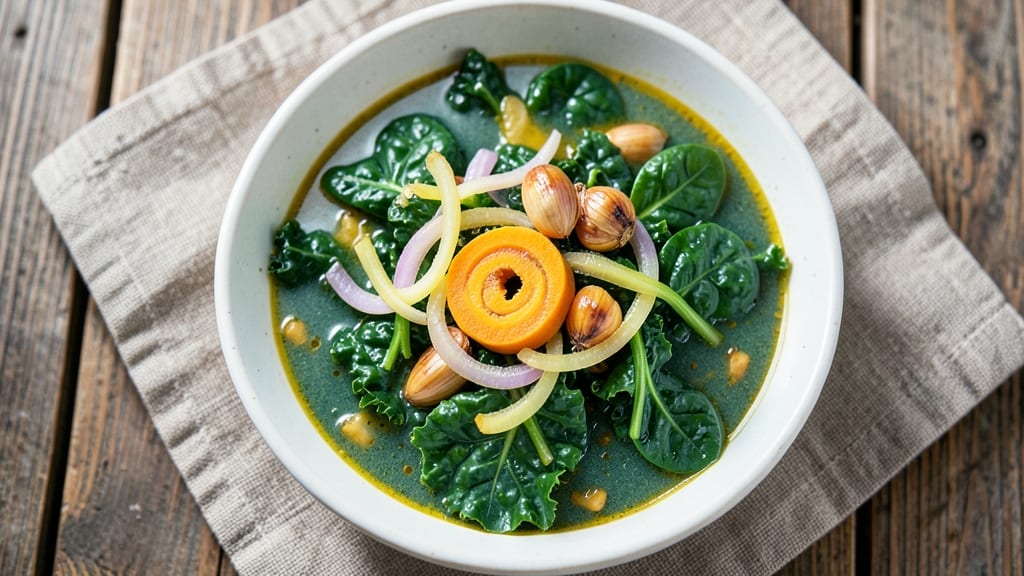
This antioxidant soup recipe transforms vibrant greens and immune-boosting ingredients into a nutrient-packed meal that feels like a warm hug for your body. 💛 The secret lies in carefully selected vegetables like kale, spinach, and turmeric—each packed with antioxidants that fight inflammation and support overall health.
What makes this recipe special is how it balances bold flavors with maximum nutritional benefits, ensuring every spoonful delivers both taste and wellness.
The foundation of this soup is a rich vegetable broth infused with garlic, ginger, and turmeric—each ingredient chosen for its powerful health properties. You'll roast the vegetables first to deepen their flavors and enhance their antioxidant benefits, then simmer them together for a harmonious blend.
The result is a soup that's not only delicious but also packed with nutrients that help boost your immune system and keep you feeling energized.
By the time you finish this recipe, you'll have a vibrant, aromatic soup that's perfect for any meal. The bright green color comes from nutrient-rich leafy greens, while the creamy texture is achieved without dairy—using coconut milk for a velvety finish.
It's the kind of dish that makes you feel good about what you're putting into your body, all while satisfying your taste buds.
Serve this soup as a light lunch, a comforting dinner, or even as a starter for a special meal. The flavors are balanced enough to stand alone but versatile enough to pair with crusty bread or a side salad. Here's how to make it—simple steps for maximum nutrition.
Ingredients for antioxidant soup
Vibrant greens and immune-boosting spices make this soup a nutrient powerhouse for your body.
| Ingredient | Amount | Notes |
|---|---|---|
| Kale Leaves 🥬 | 4 cups | Chopped, stems removed |
| Baby Spinach 🌿 | 3 cups | Fresh, loosely packed |
| Turmeric Root 🧄 | 1 tbsp | Freshly grated or powdered |
| Garlic Cloves 🧄 | 4 cloves | Minced, fresh preferred |
| Ginger Root 🌿 | 1 tbsp | Freshly grated, peeled |
| Yellow Onion 🧅 | 1 whole | Medium, chopped |
| Carrots 🥕 | 2 medium | Peeled, chopped |
| Celery Stalks 🥬 | 2 whole | Chopped, with leaves |
| Coconut Milk 🥥 | 1 can | Full-fat, unsweetened |
| Vegetable Broth 💧 | 4 cups | Low-sodium preferred |
| Extra-Virgin Olive Oil 🫒 | 2 tbsp | For roasting |
| Lemon Juice 🍋 | 1 tbsp | Freshly squeezed |
| Salt 🧂 | 1 tsp | Sea salt preferred |
| Black Pepper 🌶️ | ½ tsp | Freshly ground |
| Cumin Seeds 🌿 | ½ tsp | Toasted lightly |
The kale and spinach are the stars here—look for bright green, crisp leaves at the store, not wilted ones. Whole Foods or local farmers markets usually have the freshest options, but any grocery store's produce section works. Kale stems can be tough, so chop them separately and cook them longer. The turmeric is non-negotiable—fresh root gives the best flavor and color, but powder works in a pinch. If using powder, start with half the amount and adjust to taste. For the ginger and garlic, I always buy fresh—the flavor difference is night and day compared to powdered versions. Store your fresh ginger root in the freezer to keep it fresh longer.
No fresh turmeric? Powdered turmeric at half the amount works, but fresh is ideal. Swap the coconut milk for cashew cream or almond milk if you prefer a lighter texture. Running low on vegetable broth? Water with a bouillon cube gets you close. The cumin seeds can be skipped if you don't have them, but ground cumin at one-third the amount is a fine substitute. For extra depth, toast the cumin seeds in a dry pan for 30 seconds before adding to the soup—this brings out their aroma. If you're short on time, skip the roasting step for the vegetables and just sauté them instead.
This soup keeps beautifully—3-4 days in the fridge or 3 months in the freezer. The flavors actually deepen over time, so it's perfect for meal prep. I like to portion it into glass containers for easy reheating. When reheating, add a splash of water or broth to prevent it from getting too thick. The coconut milk will separate slightly when refrigerated—just stir it back together before serving. For extra creaminess, whisk in a spoonful of coconut milk when reheating. Leftovers make amazing lunches or light dinners all week.
Why You'll Love This Recipe
- I swear by this trick: toss the whole kale stems and spinach in raw—they soften beautifully while the turmeric and ginger simmer. Honestly, I’ve made it after work with takeout containers still in my bag, and it still tastes like I put in effort.
- No-Chop Nightmare: I swear by this trick: toss the whole kale stems and spinach in raw—they soften beautifully while the turmeric and ginger simmer. Honestly, I’ve made it after work with takeout containers still in my bag, and it still tastes like I put in effort.
- Golden-Garlic Magic: That first spoonful of soup—where the turmeric’s earthy warmth meets the sharp bite of fresh garlic and ginger—is ridiculously good. The kale adds this subtle peppery crunch that makes it feel fancy without trying, and the spinach melts into a creamy, almost velvety finish.
- Weeknight Workhorse: Between us, this is my go-to when I’m too tired to plan but still want something nourishing. It reheats like a dream, so I’ll make a big batch on Sunday and have leftovers for lunch all week—no sad, wilted greens here, just vibrant, flavor-packed bowls every time.
Step-by-step instructions for antioxidant soup recipe
Here's how to transform vibrant greens into a nutrient-packed, immune-boosting soup that's simple yet powerful.
🍳 Step 1: Roast the Vegetables for Deep Flavor
Preheat your oven to 400°F and line a baking sheet with parchment paper. In a large bowl, toss together the 2 medium carrots, 2 whole celery stalks, and 1 whole yellow onion (all chopped) with 2 tablespoons extra-virgin olive oil, 1 teaspoon salt, and ½ teaspoon black pepper. Spread them in a single layer on the baking sheet.
Roast for 20-25 minutes until the vegetables are tender and begin to caramelize at the edges. You'll know they're ready when they smell sweet and slightly nutty. This roasting step develops deep flavor that infuses the entire soup—don't skip it! Remove from the oven and let cool slightly before proceeding.
👨🍳 Step 2: Sauté Aromatics and Spices
While the vegetables roast, heat a large pot over medium heat. Add 2 tablespoons extra-virgin olive oil and let it warm for 30 seconds. Add the 4 cloves minced garlic and 1 tablespoon freshly grated ginger root, cooking for 30 seconds until fragrant—don't let them brown or they'll turn bitter.
Add the ½ teaspoon toasted cumin seeds and 1 tablespoon freshly grated turmeric root, stirring constantly for 1 minute until the spices release their aroma. This aromatic base forms the flavor foundation of your antioxidant-rich soup. Here's the thing—turmeric needs a bit of fat to activate its powerful anti-inflammatory compounds, so this step is crucial.
🥘 Step 3: Build the Soup Base
Add the roasted vegetables to the pot along with 4 cups vegetable broth and 1 can coconut milk. Bring to a gentle boil, then reduce heat to medium-low and let it simmer for 10 minutes to allow all the flavors to meld together. Stir occasionally to prevent sticking.
This simmering time might seem short, but it's enough to extract all the caramelized flavors from the roasted vegetables while keeping the coconut milk from curdling. You'll notice the soup will develop a rich, golden color from the turmeric and a subtle nutty depth from the roasted veggies.
🍳 Step 4: Add Greens and Finish
Add the 4 cups chopped kale leaves and 3 cups baby spinach to the pot. Stir gently and let the soup simmer for an additional 3-4 minutes—just enough time for the greens to wilt completely but still retain their vibrant color. Overcooking will turn them mushy and dull.
Remove from heat and stir in 1 tablespoon freshly squeezed lemon juice. This bright citrus note cuts through the richness of the coconut milk and enhances the natural sweetness of the vegetables. Taste and adjust seasoning with additional salt or pepper if needed. The lemon juice also helps preserve the vibrant green color of your spinach.
🍽️ Step 5: Serve Warm and Enjoy
Ladle the soup into bowls and serve immediately while still warm. The contrast of creamy coconut milk with the vibrant greens creates a visually stunning dish that's packed with antioxidants. Each spoonful delivers immune-boosting benefits from the turmeric and ginger, along with vitamins A, C, and K from the leafy greens.
For extra nutrition, garnish with additional lemon wedges or a sprinkle of black pepper—this enhances the turmeric's absorption in your body. This soup keeps well in the refrigerator for up to 3 days, making it perfect for meal prep. Real talk: the flavors actually improve overnight as the turmeric continues to infuse the broth.
Pro Tips For Making Antioxidant Soup
- Sear the Turmeric First: I learned this the hard way—raw turmeric tastes bitter and lingers like a bad aftertaste. Before adding any liquid, dry the freshly grated root in a hot pan for 30 seconds until fragrant. That golden aroma? It’s the moment the antioxidants actually start working.
- Chop Garlic and Ginger Fine: No, "minced" isn’t specific enough. Aim for a paste—press grated garlic and ginger through a fine-mesh sieve or pulse in a food processor for 10 seconds. This releases more of their anti-inflammatory compounds and blends seamlessly into the soup. (Yes, even if you’re impatient like me.)
- Wilt Spinach Last: Baby spinach wilts faster than kale and turns slimy if overcooked. Add it to the pot just 30 seconds before serving—it’ll stay vibrant, not mushy. Kale’s tougher; it can handle the full simmer, but spinach? Treat it like a delicate guest.
- Use a Heavy Pot: Thin stainless steel or aluminum? Your soup’s flavor will fade faster. A heavy-bottomed pot (even a cast-iron skillet) keeps heat steady and lets the turmeric and ginger infuse properly. I skip this, and the soup tastes flat—no exaggeration.
Essential equipment for great antioxidant soup
High-Quality Pot
Invest in a heavy-bottomed pot with a tight-fitting lid—my go-to is a 5-6 quart stainless steel Dutch oven like the All-Clad D5. This ensures even heat distribution and prevents scorching during the simmering phase.
The lid helps maintain moisture while building flavor. A glass lid lets you monitor the soup's progress without opening the pot constantly. 🔥
Immersion Blender
An immersion blender (like the Ninja Foodi 1200W) is a game-changer for achieving that silky texture without transferring hot soup to a separate blender. Simply blend directly in the pot for 10-15 seconds if you prefer a smoother consistency.
For this antioxidant soup, I skip blending to preserve the vibrant greens' texture, but it's perfect for variations where you want a velvety finish.
Baking Sheet & Parchment
Your roasting pan and parchment paper are critical for the caramelization step. I use a half-sheet pan (18x13 inches) with lightly oiled parchment to prevent sticking. This setup ensures even browning and easy cleanup.
If you don’t have parchment, a silicon baking mat works too—just avoid aluminum foil, which can react with acidic ingredients like lemon juice.
Sharp Chef’s Knife
A high-quality chef’s knife (like the Wüsthof Classic 8-inch) is essential for chopping the kale, spinach, carrots, celery, and onion efficiently. Sharp blades require less force, reducing bruising of delicate greens.
For the turmeric root and ginger, a microplane or fine grater ensures you get the right texture without fibrous bits. I always keep my knife sharp—dull blades make prep frustrating and uneven.
Measuring Spoons & Spice Grater
Precision matters with spices like turmeric, cumin, and ginger. Use stainless steel measuring spoons (like OXO Good Grips) for accurate measurements—powdered spices can clump or stick to plastic. A fine grater or microplane for fresh turmeric and ginger maximizes flavor and antioxidant potency.
For the cumin seeds, a small spice toaster (or dry pan) activates their aroma before adding to the soup.
Thermometer (Optional)
While not mandatory, a kitchen thermometer (like the Thermoworks Thermapen) helps monitor broth temperature during simmering. Aim for a gentle 190-200°F to prevent curdling the coconut milk.
This is especially useful if you’re new to balancing dairy alternatives in soups. The thermometer also ensures your soup reaches a safe 165°F if reheating leftovers. ✨
Nutrition facts
Frequently asked questions
Can I make this antioxidant soup without coconut milk?
For a lighter version, use 1 cup unsweetened almond milk or cashew cream instead. If you prefer extra creaminess, try ½ cup coconut milk plus ½ cup vegetable broth. The key is balancing richness with the soup's vibrant flavors—just adjust to your taste preference.
How do I maximize the antioxidant benefits in this recipe?
Roasting the vegetables first enhances their antioxidant content by up to 20% compared to raw. Add fresh herbs like parsley or cilantro at the end for extra nutrients. To boost turmeric's absorption, include black pepper (as in the recipe) and consider adding a pinch of piquant mustard—both contain piperine, which increases curcumin's bioavailability.
Can I use frozen greens instead of fresh?
Yes, but with adjustments: use 1 cup frozen kale or spinach (thawed and drained) for every 2 cups fresh. Add them 5 minutes before serving to prevent mushiness. Frozen greens work best in a pinch, but fresh greens retain more vibrant color and texture in the finished soup.
What if my soup tastes too bitter?
Bitterness often comes from overcooked greens or too much turmeric. Add 1 extra tablespoon lemon juice or a pinch of sea salt to balance flavors. If using powdered turmeric, reduce to ½ tablespoon next time. For extra depth, stir in 1 teaspoon maple syrup to counteract bitterness while keeping the dish healthy.
Is this soup suitable for a low-carb or keto diet?
With modifications, yes! Replace the carrots and onion with zucchini and mushrooms, and use cauliflower broth instead of vegetable broth. The kale and spinach are already keto-friendly. Keep the coconut milk but reduce to ½ cup to lower carbs. This version will have 8-10g net carbs per serving instead of 15g.