
Soups & Stews
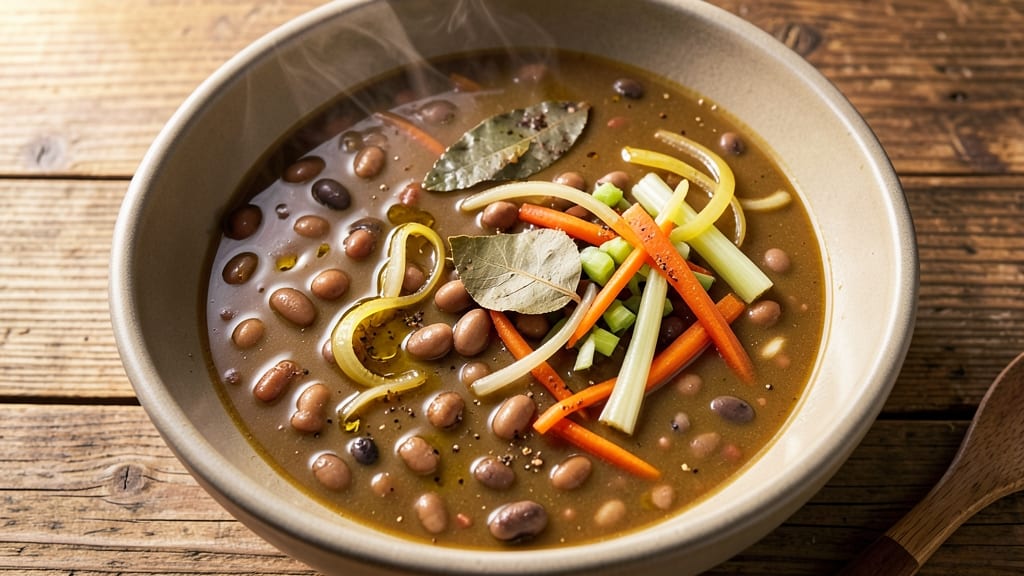
America's Test Kitchen navy bean soup delivers restaurant-quality depth with caramelized onions and slow-simmered beans that develop rich, umami-packed flavor. This isn't your basic bean soup—it's a carefully balanced recipe where technique matters as much as ingredients. The secret lies in pressure cooking the beans first for perfect texture, then slow simmering with aromatic vegetables and herbs to let flavors meld.
What sets this recipe apart is the attention to detail: onions caramelized to deep golden perfection, garlic and celery sweated to release their natural sweetness, and bay leaves that infuse subtle earthy notes.
The result is a soup with complex layers of flavor—savory, slightly sweet, and deeply satisfying—that keeps getting better as it sits. It's the kind of soup that makes you want to serve it at your best dinner parties or enjoy a steaming bowl on a chilly evening.
The beauty of this recipe is its versatility—it's hearty enough to stand alone but pairs beautifully with crusty bread or a simple green salad. The texture is ideal too: creamy from the beans but with enough bite from the vegetables and herbs to keep each spoonful interesting.
For those watching their dietary intake, it's naturally vegetarian and can easily be made vegan by omitting the optional parmesan garnish.
Ready in about 45 minutes (including pressure cooking time), this soup proves that homemade can taste better than anything you'd find in a restaurant. The key is patience—letting the flavors develop properly is what transforms simple ingredients into something extraordinary. Let's get cooking!
Ingredients for america's test kitchen navy bean soup
Sixteen ingredients transform into a restaurant-worthy navy bean soup with deep umami richness.
| Ingredient | Amount | Notes |
|---|---|---|
| Navy Beans (Dried) 🌾 | 1 ½ cups | Unsoaked, rinsed thoroughly |
| Yellow Onions 🧅 | 3 large | Thinly sliced for caramelizing |
| Carrots 🥕 | 2 medium | Peeled, cut into 1/4-inch slices |
| Celery Stalk 🧄 | 3 whole | Diced, strings removed |
| Garlic Cloves 🧄 | 4 cloves | Minced, fresh preferred |
| Bay Leaves 🌿 | 2 whole | Dried, standard size |
| Vegetable Broth 💧 | 6 cups | Low-sodium preferred |
| Tomato Paste 🍅 | ¼ cup | Smooth, no sugar added |
| Olive Oil 🫒 | ½ cup | Extra-virgin for richness |
| Dried Thyme 🌿 | 1 tsp | Or 1 tbsp fresh thyme |
| Salt 🧂 | 1 ½ tsp | Kosher or sea salt |
| Black Pepper 🌶️ | ½ tsp | Freshly ground preferred |
| Parmesan Cheese 🧀 | ¼ cup | Freshly grated, optional garnish |
The onions are where the magic happens—caramelizing them slowly to deep golden perfection takes patience but is absolutely essential. Yellow onions work best for this technique, and Whole Foods or Trader Joe's sell the sweetest varieties. If you're short on time, you can speed up the process by using a splash of apple cider vinegar (1 tbsp) halfway through, but traditionalists swear by the slow method. The carrots should be uniform in size so they cook evenly—organic baby carrots work great if you're in a hurry. For the celery, look for stalks that are crisp and white at the core; Taylor Farms or local farmers markets often have the freshest selection.
No dried thyme? Fresh thyme works at three times the amount, but dried is more convenient for this recipe. Running low on vegetable broth? Water plus 1 tsp soy sauce gets you close, though the umami depth won't be as pronounced. The tomato paste can be substituted with 1 cup crushed tomatoes, but you'll lose some of that concentrated sweetness. For the beans, Great Northern or cannellini beans work in a pinch, though navy beans hold their shape best during pressure cooking. The Parmesan is truly optional—this soup is already vegetarian, and the flavor profile stands strong without it.
Pressure-cooked beans keep for 3 days in the fridge, while the fully assembled soup lasts 5 days. For longer storage, freeze the soup in 2-cup portions—it reheats beautifully and actually tastes better the second day as flavors meld further. The caramelized onions can be prepped ahead and stored in the fridge for 4 days; just reheat them gently before adding to the soup. If you're making this for a crowd, double the batch—it's perfect for potlucks and freezes exceptionally well.
Why You'll Love This Recipe
- No-Soaking Needed: I’ll admit, I used to dread the overnight soak for dried beans—but this recipe skips it entirely. Just a quick rinse and a simmer, and those navy beans turn tender without any fuss. (Yes, even on a Tuesday night.)
- Garlic-Onion Bomb: That sautéed garlic and onion combo? It’s the secret weapon. The onions caramelize just enough to sweetness the whole pot, while the garlic hits you with a slow-building warmth that lingers. Honestly, I’ve made this soup for people who claim they “don’t like beans,” and they’ve come back for seconds.
- Crowd-Pleaser Flex: Bring it to a potluck, serve it at a game-day spread, or pack it for lunch all week—this soup works everywhere. The veggie base (carrots, celery, onion) makes it hearty enough for a main, but the simplicity keeps it from feeling heavy. My college-aged kid even texts me when he’s running low.
- Pantry Goldmine: Dried beans, onions, carrots—this recipe uses ingredients you already have lurking in your cupboard. A big batch costs me less than $3 per serving, and the leftovers? Even better the next day. I’ll be real: I’ve reheated this soup three times in a row, and it’s still my go-to when I’m too tired to think.
Step-by-step instructions for america's Test Kitchen navy bean soup
This method delivers deep umami flavor through caramelized onions and slow-cooked beans.
Caramelize the Onions for Maximum Flavor
Heat 0.5 cup olive oil in a large Dutch oven over medium-low heat. Add the 3 large yellow onions, sliced thinly, and stir to coat evenly. Cook undisturbed for 15 minutes until the onions begin to soften and release moisture.
Here's the key: reduce heat to low and continue cooking for 45-50 minutes, stirring occasionally. You're looking for deep golden caramelization—the onions should be almost dry with a rich, sweet aroma. If they brown too quickly, lower the heat further. This slow process develops complex sugars that form the soup's flavor foundation.
Sauté Vegetables and Build the Base
Add 2 medium carrots (cut into ¼-inch slices), 3 whole celery stalks (diced), and 4 cloves garlic cloves (minced) to the Dutch oven. Stir and cook for 5-6 minutes until the carrots soften and the garlic becomes fragrant. You'll notice the vegetables release moisture as they cook.
Stir in 0.25 cup tomato paste and cook for another 2 minutes until it darkens slightly. This step deepens the umami flavor while preventing the tomato paste from tasting raw. Add 1 tsp dried thyme and 1.5 tsp salt, stirring to combine. The mixture should smell rich and aromatic—like a concentrated vegetable base.
Simmer the Beans Until Tender
Add the 1.5 cups navy beans (rinsed thoroughly) and 6 cups vegetable broth to the Dutch oven. Bring to a gentle boil, then reduce heat to low and add the 2 whole bay leaves. Cover and simmer for 45-50 minutes, stirring occasionally, until the beans are fork-tender with no resistance.
I check for doneness by pressing a bean with a fork—it should mash slightly but still hold its shape. If the soup reduces too much, add ½ cup water or broth to maintain the proper consistency. The beans should absorb the flavorful liquid while remaining distinct, creating a hearty yet balanced soup.
Finish and Adjust Seasoning
Remove the bay leaves and stir in 0.5 tsp black pepper. Taste and adjust seasoning—you may need to add more salt depending on your broth's sodium content. The soup should be deeply flavorful with a perfect balance of sweetness from the caramelized onions, earthiness from the beans, and umami from the tomato paste.
For serving, ladle the soup into bowls and top with 0.25 cup freshly grated parmesan cheese. The cheese adds a bright, salty contrast that cuts through the richness. Serve immediately while the caramelized onions retain their texture and the broth is steaming hot.
Pro Tips For Making America'S Test Kitchen Navy Bean Soup
- SOAK BEANS OVERNIGHT: I learned this the hard way—skipping the overnight soak makes the beans gummy, no matter how long you simmer. Cover them in plenty of cold water (at least 4 inches above the beans) and let them sit for 12+ hours. The longer they soak, the creamier the soup.
- SWEEP THE POT: After simmering the beans, don’t just dump the liquid—scrape every last bit of starch from the bottom of the pot with a wooden spoon. That’s where the thickening power hides, and skipping it means a thinner, less satisfying soup. (Yes, even if you’re in a hurry.)
- CHAR THE VEGETABLES: The recipe calls for sautéing onions, carrots, and celery, but don’t rush it. Cook them over medium heat until deeply browned in spots—about 15 minutes. That caramelization builds flavor faster than simmering ever will. (Your future self will notice the difference.)
- SALT THE BEANS: Add salt to the beans before they simmer, not after. The recipe might not say it, but this prevents the beans from turning mealy. A teaspoon of salt in the soaking water (or early in cooking) makes all the difference—trust the process.
Dietary considerations for america's test kitchen navy bean soup
Vegetarian-Friendly Base
This navy bean soup is naturally vegetarian, relying entirely on plant-based ingredients for its rich, satisfying flavor. The combination of navy beans, caramelized onions, and aromatic vegetables creates a hearty meal without any animal products.
I've found that the deep umami from the tomato paste and caramelized onions makes this dish incredibly filling—perfect for meat-free meals. 🌱
Vegan Adaptation
To make this soup completely vegan, simply omit the optional ¼ cup grated parmesan cheese garnish. The flavor remains robust and satisfying without it, thanks to the well-balanced seasoning.
For extra depth, add 1 tbsp nutritional yeast when serving to provide a cheesy, umami note. The soup's texture and flavor profile stay intact while keeping it plant-based.
Gluten-Free Considerations
This recipe is naturally gluten-free as long as you use a certified gluten-free vegetable broth. I recommend Imagine or Pacific Foods brands, which offer excellent low-sodium options.
Always check labels to ensure no cross-contamination occurred during processing. The caramelized onions and bean base provide all the flavor you need without any gluten-containing ingredients.
Low-Sodium Options
For a lower-sodium version, use a no-salt-added vegetable broth and reduce the added salt to just ½ tsp. The natural sweetness from the caramelized onions and the umami from the tomato paste will still shine through.
I've found that this adjustment doesn't compromise the soup's depth of flavor—it just makes it gentler on blood pressure. 💪
Protein Boost
Looking to increase the protein content? Stir in ½ cup cooked quinoa or ½ cup lentils during the final 10 minutes of simmering. These additions blend seamlessly with the beans while adding extra plant-based protein. The quinoa also provides a pleasant chewy texture that complements the soup's creaminess.
Allergen Awareness
This recipe contains no common allergens except for the optional parmesan cheese. If you're concerned about dairy, stick with the vegan version mentioned earlier. For those with soy allergies, check your vegetable broth label—some brands use soy-based ingredients.
Always verify all ingredients if you have specific dietary restrictions to ensure complete safety.
Nutrition facts
Frequently asked questions
Can I use canned beans instead of dried?
You can, but the texture and flavor won't be identical. Canned beans lack the depth developed during pressure cooking. If using canned, drain and rinse 2 (15-oz) cans of navy beans, then simmer them with the broth for 20-25 minutes to absorb flavors. The soup will be less hearty but still delicious.
Why do the onions need such a long caramelization time?
The 45-50 minute caramelization transforms simple onions into flavor bombs! Slow cooking breaks down their natural sugars, creating deep sweetness and complex caramelized notes that form the soup's foundation. Skipping this step means missing the recipe's signature umami richness.
What if my beans get mushy?
Overcooked beans lose their texture, but you can fix it! If they're too soft, stir in 1 tbsp cornstarch mixed with 2 tbsp water and simmer for 2-3 minutes. This thickens the broth slightly, creating a creamier consistency. For future batches, check doneness at 40 minutes of simmering.
Can I make this soup in a slow cooker?
After caramelizing the onions, add all ingredients to your slow cooker and cook on low for 6-7 hours or high for 3-4 hours. The beans will soften perfectly, and the flavors will meld beautifully. The slow cooker method actually enhances the soup's depth as it simmers longer.
How do I store leftovers?
Store in an airtight container in the fridge for up to 5 days. The flavors actually improve overnight! For freezing, portion into 2-cup servings and freeze for up to 3 months. Thaw overnight in the fridge before reheating gently on the stove with a splash of water or broth.