
Soups & Stews
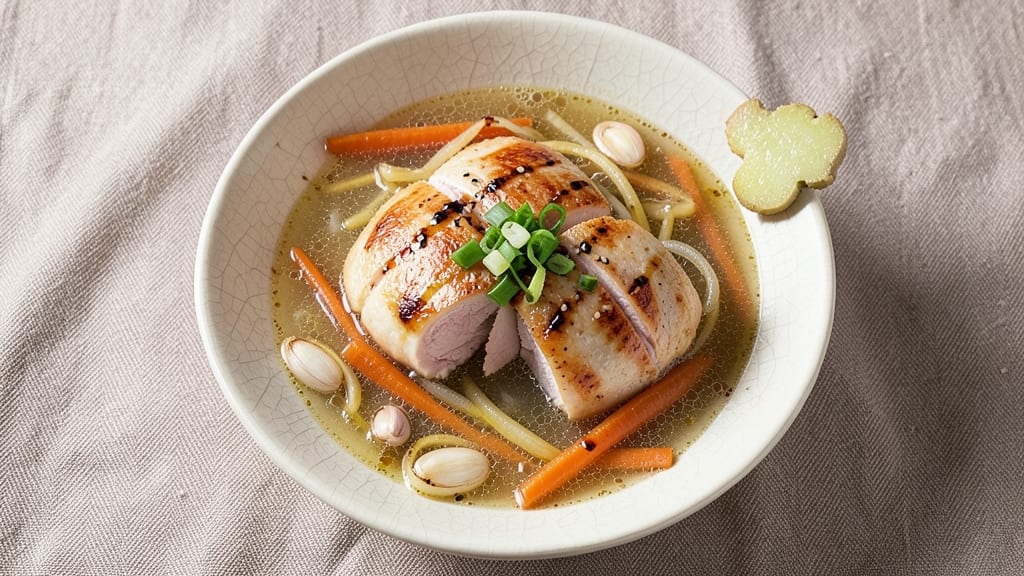
American ginseng chicken soup transforms a simple comfort food into a medicinal powerhouse, blending traditional Chinese wisdom with home kitchen ease. This recipe harnesses the earthy, invigorating properties of American ginseng—known for its immune-boosting benefits—while delivering the familiar warmth of a classic broth. The secret lies in slow-simmering the ginseng with aromatic vegetables and tender chicken, allowing its natural compounds to infuse the broth without overpowering its savory depth.
What sets this soup apart is the balance of technique and simplicity. You’ll start with a flavorful base of onions, garlic, and ginger—essential for building depth—before adding chicken and ginseng to simmer until the meat falls effortlessly from the bone.
The ginseng, sliced thinly, releases its earthy, slightly sweet notes into the broth, creating a subtle yet distinct flavor that elevates the soup beyond ordinary chicken noodle varieties. This method ensures every spoonful delivers both nourishment and comfort.
The result is a soup that’s as restorative as it is delicious: a velvety broth with tender chicken, soft vegetables, and the gentle warmth of ginseng. It’s the kind of meal that feels like a hug on a chilly day, yet it’s simple enough to prepare in under an hour.
Whether you’re seeking a remedy for seasonal ailments or simply craving a hearty, healthful dish, this soup delivers on both fronts.
Pair it with steamed rice or crusty bread to soak up every last drop of that ginseng-infused broth. The recipe also offers flexibility—use store-bought chicken broth for convenience or homemade for deeper flavor. Let’s make this nourishing bowl of goodness.
Ingredients for american ginseng chicken soup
Earthy ginseng meets comforting chicken in this nourishing bowl of goodness.
| Ingredient | Amount | Notes |
|---|---|---|
| Boneless Chicken Thighs 🍗 | 1 ½ lb | Skin-on for richer flavor |
| American Ginseng Root 🌿 | 1 oz | Fresh, thinly sliced (½-inch) |
| Yellow Onion 🧅 | 1 whole | Medium size, chopped |
| Garlic Cloves 🧄 | 4 cloves | Freshly minced |
| Fresh Ginger 🌿 | 1 inch | Peeled, sliced (½-inch) |
| Carrots 🥕 | 4 medium | Peeled, sliced into sticks |
| Celery Stalks 🥬 | 3 whole | Trimmed, chopped |
| Chicken Broth 💧 | 4 cups | Low-sodium preferred |
| Dried Shiitake Mushrooms 🍄 | 2 whole | Rehydrated, sliced |
| Egg Noodles 🍜 | 8 oz | Medium width |
| Low-Sodium Soy Sauce 🥫 | 1 tbsp | For umami depth |
| Sesame Oil 🫒 | 1 tsp | Toasted, for aroma |
| Kosher Salt 🧂 | 1 ½ tsp | Adjust to taste |
| Black Pepper 🌶️ | ½ tsp | Freshly ground |
The ginseng is non-negotiable here—fresh root from a reputable supplier like Mountain Rose Herbs or your local Asian market makes all the difference. Look for vibrant, firm slices with no mold or discoloration. If you can't find fresh, dried American ginseng works too (simmer longer). The chicken thighs? Skin-on keeps them juicy, but boneless is fine if you're short on time. For extra depth, Costco or Whole Foods often carry organic chicken thighs—worth the splurge for this recipe.
No ginseng? Fresh galangal or turmeric adds earthy notes, though nothing quite matches its medicinal warmth. Short on chicken broth? Vegetable broth with a splash of soy sauce works, but the umami will be subtler. The shiitake mushrooms can be swapped for cremini or white mushrooms, but dried shiitake adds that unmistakable savory punch. For the noodles, rice noodles are a lighter alternative, but egg noodles hold up better to the long simmer. The sesame oil is optional but adds a lovely aroma—toast it in a dry pan first to deepen its flavor.
This soup tastes even better the next day as flavors meld. Store in an airtight container in the fridge for up to 5 days, or freeze for 3 months in portion-sized containers. Reheat gently on the stove, adding a splash of water if it thickens too much. For extra nourishment, serve with steamed jasmine rice—the grains soak up every last drop of that ginseng-infused broth.
Why You'll Love This Recipe
- One-Pot Magic: I swear by this recipe when I’m too tired to wash a million dishes—just dump everything into a pot, simmer, and walk away. The ginseng root infuses the broth so deeply, you barely need to stir.
- Earthy Depth: That first sip? Chef’s kiss. The ginger and garlic caramelize into something warm and complex, while the ginseng adds a subtle, woodsy note that lingers—like a cozy hug in a bowl.
- Leftovers That Win: Between us, this soup only gets better the next day. The chicken stays juicy, the broth thickens into something richer, and I’ve reheated portions for days without a single complaint.
- Budget Boost: Chicken thighs stretch farther than breasts, and a small piece of ginseng root lasts for multiple batches. Honestly, it’s the kind of recipe that makes grocery day feel like a victory.
Step-by-step instructions for American ginseng chicken soup
This method delivers a deeply flavorful broth infused with earthy ginseng and aromatic vegetables.
🍳 Step 1: Sear the Chicken Thighs for Rich Flavor
Pat the 1.5 lb boneless chicken thighs dry with paper towels and season generously with 1.5 tsp kosher salt and 0.5 tsp black pepper. Heat a large Dutch oven over medium-high heat and add 1 tsp sesame oil. Once shimmering, add the chicken thighs in a single layer and sear for 4-5 minutes per side until golden brown and cooked through to 165°F internally.
This searing step creates a deep, caramelized crust that infuses the broth with concentrated flavor. Remove the chicken from the pot and set aside on a plate, leaving the rendered fat in the pot—it's the foundation of your soup's richness. The skin-on version would render even more fat, but we'll build flavor through other means here.
👨🍳 Step 2: Build the Aromatic Base
In the same Dutch oven, reduce heat to medium and add 1 whole yellow onion and 3 whole celery stalks, chopped into ½-inch pieces. Cook for 5 minutes until softened, stirring occasionally. Add 4 medium carrots, sliced into sticks, and continue cooking for another 3 minutes until slightly tender.
Add 4 cloves garlic cloves, freshly minced, and 1 inch fresh ginger, sliced into ½-inch pieces. Cook for 1 minute until fragrant—this releases the aromatic compounds that will infuse your entire soup. The vegetables should be soft but not mushy at this stage, as they'll continue cooking in the broth.
🍳 Step 3: Infuse with Ginseng and Shiitake
Add 1 oz American ginseng root, thinly sliced into ½-inch pieces, and 2 whole dried shiitake mushrooms that have been rehydrated in hot water for 20 minutes and sliced. Pour in 4 cups chicken broth and bring to a gentle boil. Reduce heat to low and simmer uncovered for 20 minutes, allowing the ginseng to steep and release its earthy, slightly sweet flavors.
The ginseng should become tender but still hold its shape slightly. If the broth reduces too much, add ½ cup hot water to maintain the proper consistency. This simmering time is crucial—it allows all the ingredients to meld together while extracting maximum flavor from the ginseng and mushrooms.
🥘 Step 4: Finish the Broth and Add Noodles
Return the seared chicken thighs to the pot, breaking them into bite-sized pieces with two forks. Stir in 1 tbsp low-sodium soy sauce and simmer for an additional 10 minutes. Taste and adjust seasoning—you may need to add more salt depending on your broth's saltiness.
Add 8 oz egg noodles and cook for 4-5 minutes until al dente. The noodles should be tender but still have a slight bite. If you prefer softer noodles, extend the cooking time by 1 minute. The soup is now complete—each bowl will be packed with umami from the soy sauce, earthy ginseng, and savory mushrooms.
🍽️ Step 5: Serve with Fresh Garnishes
Ladle the soup into bowls and garnish with additional sesame oil drizzled on top and a sprinkle of black pepper. Serve immediately while hot, as the flavors continue to develop even after cooking. The broth should be rich and aromatic, with the ginseng adding a subtle earthy depth that complements the chicken and vegetables perfectly.
This soup makes 4 servings—each with a perfect balance of protein, vegetables, and the unique benefits of American ginseng. The egg noodles provide a satisfying texture contrast to the tender chicken and silky broth. For best results, serve within 2 hours of cooking to enjoy the freshest flavors.
Pro Tips For Making American Ginseng Chicken Soup
- Simmer Ginseng Slowly: American ginseng needs time to release its earthy depth—don’t rush the soup. Once the broth reaches a gentle boil, reduce to the lowest heat that keeps it bubbling just enough to see tiny, lazy bubbles at the edges. I used to crank the heat too high, and the ginseng would turn bitter before the chicken was tender. Steady wins this race.
- Slice Ginseng Thinly: Skip the chunks unless you want a mouthful of chewy root. Thinly slice the American ginseng (about 1/8-inch thick) so it infuses fully without overpowering. My first batch had thick slices, and the broth tasted like medicine instead of soup. A sharp knife and steady hand make all the difference—no food processor needed.
- Brown Chicken First: The Maillard reaction on the chicken thighs adds richness the broth desperately needs. Pat the thighs dry, then sear them in a hot pot for 3–4 minutes per side until golden before adding liquid. I learned this the hard way—skipping the browning left the soup tasting flat, like it was missing something. High heat, no crowding.
- Toast Ginger and Garlic: Sauté the ginger and garlic in oil until fragrant and just starting to color—about 2 minutes. This step deepens their flavor and prevents the soup from tasting raw. I was skeptical until I tried it: the difference between a basic broth and something layered with warmth is night and day. Don’t skip the sizzle.
Flavor customization for these flavors
Spicy Kick
Add ½ tsp red pepper flakes or 1 tsp gochujang (Korean chili paste) when simmering the broth for a subtle warmth. For more heat, stir in 1 tbsp sriracha at the end.
I love balancing the ginseng’s earthiness with a touch of spice—it’s like a cozy hug with a little fire. 🌶️
Citrus Brightness
Finish each bowl with a squeeze of fresh lime juice (about 1 tbsp per serving) to cut through the richness. The acidity makes the ginseng’s earthy notes sing, and it adds a refreshing contrast. Garnish with cilantro or Thai basil for a bright, aromatic finish.
Umami Boost
Swap the soy sauce for 1 tbsp fish sauce or add 1 tsp miso paste when simmering the broth. For an extra layer of depth, stir in 1 tsp oyster sauce at the end. These umami-rich ingredients amplify the ginseng’s natural savory qualities without overpowering them.
Herbal Infusions
Add 1 sprig fresh thyme or 2 bay leaves while simmering for a subtly herbal note. Or, steep ½ cup dried chamomile tea in the broth for 10 minutes before adding noodles—it adds a delicate floral touch that pairs beautifully with ginseng. Remove herbs before serving.
Creamy Texture
Stir in ¼ cup coconut milk or 2 tbsp heavy cream at the end for a velvety finish. The creaminess balances the ginseng’s earthy profile while keeping the soup light enough for a comforting meal. For a dairy-free option, use ½ cup silken tofu blended into the broth.
Sweet-Savory Balance
Add 1 tsp honey or 1 tsp maple syrup when adjusting seasoning to enhance the ginseng’s natural sweetness. The subtle sweetness rounds out the earthy flavors and makes the soup even more approachable. A pinch of white pepper adds warmth without heat.
Nutrition facts
Frequently asked questions
Can I use dried American ginseng instead of fresh?
Yes, but adjust the cooking time! Soak 1 tbsp dried ginseng slices in hot water for 15 minutes first, then simmer for 30 minutes instead of 20 minutes to extract full flavor. The dried version has more concentrated compounds, so less is needed.
How do I know when the ginseng is properly infused?
The ginseng should be tender but still hold its shape slightly—think al dente. When sliced thinly, it should release a subtle earthy aroma into the broth. If it's still tough after 20 minutes, simmer 5-10 minutes longer. The broth will develop a golden hue and rich, slightly sweet depth.
Can I make this soup without egg noodles?
Swap noodles for 1 cup cooked jasmine rice or quinoa (per serving) for a heartier base. For a lighter option, add 1 cup baby spinach or bok choy in the last 2 minutes of cooking. The broth's flavor will shine regardless of the starch.
Why does my ginseng chicken soup taste bitter?
Overcooked ginseng or too much simmering time causes bitterness. Remove ginseng slices after 20 minutes (they're still flavorful even when done). Also check your broth—low-quality or over-salted broth can contribute. Balance flavors with a splash of lime juice or extra sesame oil to round out the taste.
How long can I store leftovers?
Store in an airtight container in the fridge for up to 5 days, or freeze for 3 months in portion-sized containers. Reheat gently on the stove with a splash of water to restore broth consistency. The ginseng's medicinal properties actually concentrate when stored properly!