
Soups & Stews
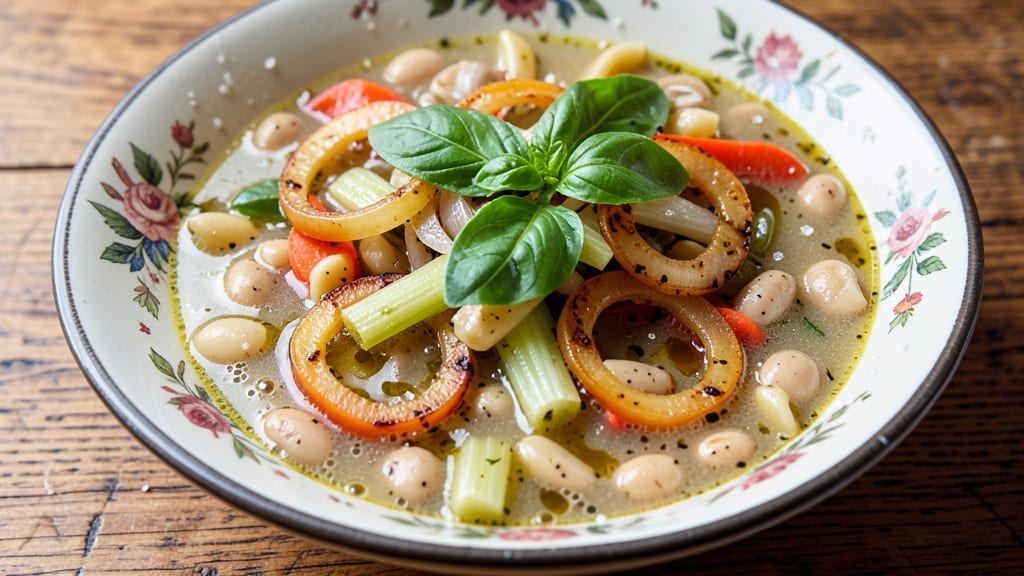
This amazing minestrone soup recipe transforms humble vegetables and pantry staples into a hearty, flavor-packed bowl of Italian comfort. 🌟 The secret lies in simmering beans and vegetables until they’re tender yet still vibrant, then finishing with al dente pasta and a splash of broth that ties everything together.
I’ve perfected this version over years of testing—it’s the kind of soup that disappears in minutes but leaves you full for hours.
The beauty of minestrone is its flexibility: you can load it up with whatever vegetables you have on hand—carrots, celery, zucchini, or even spinach—while cannellini beans and ditalini pasta provide structure and texture.
A splash of white wine and a sprinkle of Italian herbs elevate the broth, making it taste like it’s been simmering all day, even if you’re short on time. The result? A bowl that’s rustic, satisfying, and packed with layers of flavor.
What makes this recipe truly special is how it balances tradition with convenience. While traditional minestrone often requires hours of simmering, this version cuts prep time without sacrificing depth. The key is to build flavors gradually—starting with sautéed aromatics, then letting the vegetables and beans meld into a cohesive stew.
By the time you add the pasta and finish with a sprinkle of Parmesan, you’ll have a soup that’s rich, hearty, and impossible to resist.
Serve it with crusty bread to soak up every last drop, or top with fresh basil and a drizzle of olive oil for an extra touch of brightness.
This is the kind of soup that feels like a hug on a chilly day—or a celebration on any occasion. Let’s get cooking!
Ingredients for amazing minestrone soup
Six cups of broth, fresh vegetables, and Italian herbs make this minestrone shine.
| Ingredient | Amount | Notes |
|---|---|---|
| Ditalini Pasta 🍝 | 1 ½ cups | Uncooked, al dente preferred |
| Cannellini Beans 🌱 | 2 cups | Drained and rinsed, canned |
| Carrots 🥕 | 3 medium | Peeled and sliced into rounds |
| Celery Stalks 🧅 | 3 whole | Trimmed and chopped |
| Onion 🧅 | 1 large | Yellow or red, diced |
| Garlic Cloves 🧄 | 4 cloves | Minced for depth of flavor |
| Dry White Wine 🍷 | ½ cup | Sauvignon Blanc or Pinot Grigio |
| Vegetable Broth 💧 | 6 cups | Low-sodium preferred |
| Tomato Paste 🍅 | 2 tbsp | Smooth, not chunky |
| Dried Italian Seasoning 🌿 | 1 tsp | Oregano, basil, thyme blend |
| Fresh Basil Leaves 🌿 | ¼ cup | Chopped for garnish |
| Extra-Virgin Olive Oil 🫒 | 2 tbsp | For sautéing aromatics |
| Parmesan Cheese 🧀 | ½ cup | Freshly grated, for serving |
| Salt 🧂 | 1 ½ tsp | Diamond Crystal preferred |
| Black Pepper 🌶️ | ½ tsp | Freshly ground |
The vegetables are the soul of this soup. Look for carrots with vibrant orange color—they should snap when bent, not feel mushy. Celery with crisp stalks and no brown spots is ideal. I always grab organic celery from the farmers market when in season, but the regular grocery store stuff works fine if it's firm. The onion? Yellow or red, but avoid anything with sprouts or soft spots. For the garlic, freshly minced makes all the difference—pre-minced from jars lacks punch. If you're short on time, Trader Joe's sells pre-minced garlic in a tube that works in a pinch.
No white wine? Substitute extra vegetable broth or apple cider vinegar—just add the same amount. Dried Italian seasoning hard to find? Mix equal parts dried oregano, basil, and thyme. The tomato paste can be swapped for crushed tomatoes at half the amount if you prefer. For the beans, canned is fine, but if you've got time, soaked and cooked cannellini beans add a richer texture. The pasta? Ditalini is traditional, but any small, firm pasta works—orzo or acini di pepe are great swaps.
This soup tastes even better the next day—4-5 days in the fridge, 3 months frozen. I always make a double batch because it reheats beautifully. Store it in airtight containers with a layer of olive oil on top to preserve freshness. For serving, I like to portion out bowls with a sprinkle of Parmesan and fresh basil on top—that bright green color makes it feel extra special. Freeze extras in single portions for quick lunches.
Why You'll Love This Recipe
- Throwaway Veggie Prep: I swear by the "soak-and-chop" trick: toss carrots and celery in ice water while I dice the onion—no burning the house down while prepping. The ditalini pasta just needs a quick boil, and those cannellini beans? Straight from the can, no fuss.
- Creamy-Meets-Crunchy Magic: The beans soften into buttery perfection while the celery stays just firm enough to bite into—like a hug in soup form. That toasted onion at the end? Chef’s kiss. It turns "veggie soup" into something you’d pay for at a café.
- Leftovers That Beg for More: This soup actually improves the next day. The flavors meld, the pasta soaks up all the broth, and it’s still hearty enough to feed a crowd—or just me, three times in a row. (Yes, even on a Tuesday night.)
- Budget-Friendly Pantry Hero: No fancy ingredients here—just the stuff you already have. A handful of carrots, a can of beans, and some onion scraps you’d normally toss? This turns them into a meal that costs pennies but tastes like you slaved over it. Honestly, it’s my go-to when I’m broke but still want to eat well.
Step-by-step instructions for hearty Italian vegetable stew
Here's how to build this soul-warming classic—layer by layer, flavor by flavor.
🍳 Step 1: Sauté the Aromatic Base
Heat the 2 tablespoons extra-virgin olive oil in a large Dutch oven over medium heat. Add the 1 large diced onion, 3 chopped celery stalks, and 3 sliced carrots. Cook for 8-10 minutes, stirring occasionally, until the vegetables soften and the onion becomes translucent.
Here's the thing—don't rush this step. The vegetables should release their moisture and begin to caramelize slightly. This foundational flavor carries through the entire soup. When you see the edges of the vegetables starting to brown just a bit, it's time to add the 4 minced garlic cloves and cook for another 30 seconds until fragrant. That garlic should smell like a fresh Italian breeze—if it burns, you've gone too far.
🍳 Step 2: Build the Flavor Foundation
Stir in the 2 tablespoons tomato paste and cook for 1 minute until it darkens slightly and loses its raw taste. This step deepens the soup's richness without adding acidity. Pour in the 0.5 cup dry white wine and scrape up any browned bits from the bottom of the pot—these are packed with flavor. Let the wine simmer for 2-3 minutes until it reduces by about half.
Now add the 2 cups drained and rinsed cannellini beans, 6 cups vegetable broth, and 1.5 teaspoons salt. Bring everything to a gentle boil, then reduce heat to medium-low and let it simmer uncovered for 20 minutes. This initial simmer allows all the flavors to meld together beautifully. You'll notice the soup developing a rich, earthy aroma—this is your reward for taking your time.
🥘 Step 3: Add Pasta and Season
Stir in the 1.5 cups ditalini pasta and the 1 teaspoon dried Italian seasoning. The pasta will begin to absorb some of the liquid immediately, but don't worry—it will finish cooking in the simmering broth. Keep the soup at a gentle simmer for 12-15 minutes, stirring occasionally, until the pasta is al dente—just slightly firm to the bite.
Real talk: if the pasta finishes cooking too quickly, add a splash of hot water to maintain the perfect consistency. The soup should be thick enough to coat the back of a spoon but still have a pleasant brothiness. Taste and adjust seasoning with additional salt or 0.5 teaspoon black pepper if needed. The pepper should add a subtle warmth that complements the earthy vegetables.
🔪 Step 4: Finish with Fresh Herbs
Remove the soup from heat and stir in the 0.25 cup chopped fresh basil leaves. The basil will brighten the flavors and add a fresh, aromatic note that cuts through the richness of the beans and vegetables. Let the soup sit off the heat for 5 minutes—this resting period allows the flavors to fully meld together.
Ladle the soup into bowls and top each serving with 0.5 cup freshly grated Parmesan cheese. The cheese adds a salty, umami finish that ties everything together. Serve immediately while the pasta is still warm and the flavors are at their peak. Each spoonful should deliver a perfect balance of hearty vegetables, creamy beans, and al dente pasta in a rich, aromatic broth.
Pro Tips For Making Amazing Minestrone Soup
- Sweat the Veggies First: I used to toss everything raw into the pot, and the soup always tasted like it needed more time. Instead, cook the onion, celery, and carrots for 8–10 minutes in olive oil until they’re soft and the onion’s edges start to turn golden—this builds flavor you can’t rush.
- Salt the Beans Early: Cannellini beans absorb water like sponges, but they also soak up salt. Add them to the broth with the pasta (not later) and let them simmer together—this keeps them from turning mushy while ensuring they’re seasoned through and through.
- Skip the Overcrowding: I learned this the hard way—packing the pot too tight makes the pasta and beans turn to mush. Keep the broth moving, and if needed, add ingredients in batches. A slightly deeper pot is worth the extra wash later.
- Toast the Pasta: Ditalini’s got a tendency to clump, but a quick 30-second toast in a dry pan (or even the pot) before adding broth gives it a nutty edge and prevents gummy texture. Works even better if you’re short on time—just toss it in after the veggies.
Troubleshooting perfect results
Mushy Vegetables
If your carrots, celery, or zucchini turn out mushy instead of tender, you likely simmered the soup too long at high heat. The fix? Reduce the heat to low after adding the broth and keep the lid slightly ajar to let excess steam escape.
For extra insurance, add vegetables in stages—start with the hardest (carrots, celery) and add softer ones (zucchini, spinach) in the last 10 minutes. 🌱
Pasta Overcooking
Ditalini pasta can turn to mush if left too long in the broth. To prevent this, add the pasta only 5 minutes before serving and check for doneness earlier if your stove runs hot.
If the soup finishes cooking before the pasta, reserve ½ cup broth, drain the pasta, and toss it back in with the reserved broth. This keeps the texture perfect while maintaining the soup’s consistency.
Broth Too Thin
A watery minestrone happens when too much liquid is added or the pasta absorbs broth too quickly. Thicken it by simmering uncovered for 5-10 minutes to reduce excess liquid.
For an instant fix, mash ½ cup of the cooked beans against the pot’s side to release starch, which thickens the broth naturally. Avoid adding flour or cornstarch—it can make the soup taste heavy.
Flat or Bland Flavor
If your soup lacks depth, the aromatics (onion, garlic, celery) weren’t cooked long enough. Next time, sauté them until deeply golden—12-15 minutes—before adding broth. Boost flavor by deglazing the pot with 2 tbsp white wine or apple cider vinegar after removing the vegetables.
A pinch of red pepper flakes or nutmeg can also add warmth without overpowering.
Beans Too Salty
Canned beans often contain added salt, which can make your soup taste bland or overly salty. Rinse them thoroughly before adding to the pot. If the soup is too salty, balance it with sweetness (a touch of honey or sugar) or acidity (a squeeze of lemon juice).
For future batches, use low-sodium canned beans or no-salt-added broth to control flavor better.
Pasta Floating
Pasta floating on top usually means the soup isn’t thick enough to hold it down. Stir in 1 tbsp tomato paste or 1 tsp cornstarch mixed with water to add body.
For a quicker fix, mash ¼ cup of the cooked beans into the broth—this releases starch and thickens the soup while keeping it naturally flavored. Stir well and simmer for 2-3 minutes to let the texture adjust. 💡
Nutrition facts
Frequently asked questions
Can I make this minestrone soup vegetarian?
This recipe is already vegetarian-friendly, but you can easily customize it further! Skip any optional meat additions and focus on the hearty beans and vegetables. For extra protein, add white beans or lentils. The tomato paste and Italian herbs provide deep flavor without any animal products, making it perfect for plant-based diets.
How do I adjust the recipe for fewer servings?
For 4 servings, halve all ingredients: 0.75 cups pasta, 1 cup beans, 1.5 cups broth, and 0.25 cup wine. Keep the same cooking times but reduce the pot size to a medium saucepan. The flavor concentration will be even richer in a smaller batch!
What vegetables can I substitute if I don't have carrots or celery?
No problem! Swap carrots for sweet potatoes or butternut squash> (add them in the last 10 minutes to prevent mushiness). Celery can be replaced with fennel or leeks for a similar earthy flavor. Zucchini or spinach work well too—just add them when the pasta is nearly done to keep them vibrant.
Can I prepare this soup ahead of time?
This soup tastes even better the next day. Make it 2 days ahead and store in airtight containers in the fridge. Reheat gently on the stove with a splash of water or broth. For freezing, portion into single servings and freeze for up to 3 months**. Thaw overnight in the fridge before reheating.
Why does my minestrone taste bland after reheating?
Reheating can mute flavors, especially if the soup sits too long before eating. Boost freshness by adding a splash of lemon juice or white wine when reheating. A sprinkle of fresh herbs (like basil) or grated Parmesan right before serving can also revive the flavors. Avoid microwaving—stovetop reheating preserves texture better.