
Soups & Stews
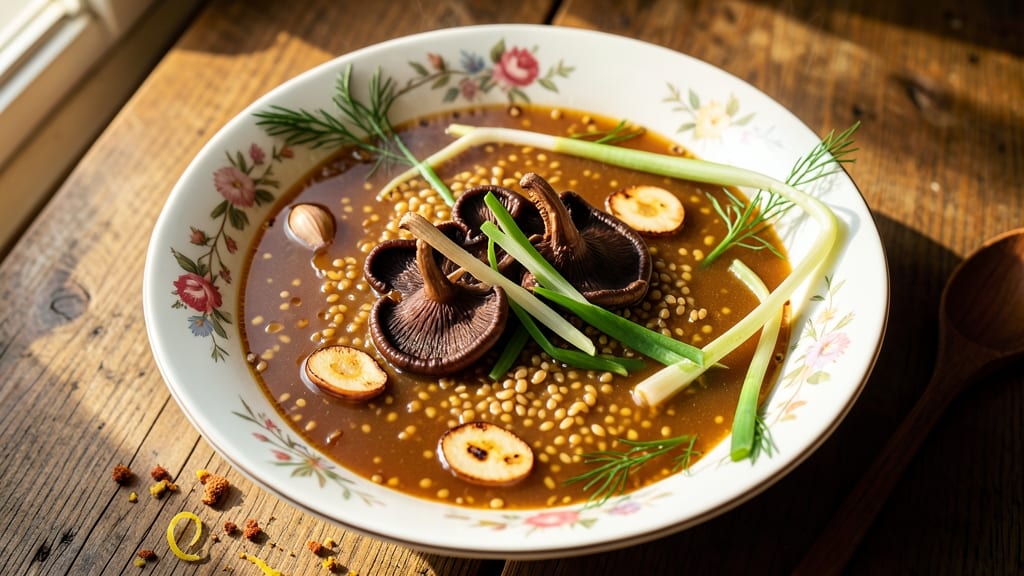
This Chinese amaranth soup recipe transforms humble ingredients into a velvety, fragrant elixir that bridges tradition and modern comfort. 🌿 The secret lies in a delicate balance of five-spice powder and fresh ginger, simmered with amaranth grains until they release their earthy sweetness into the broth.
I first discovered this recipe during a visit to a Cantonese family kitchen, where it was served as both remedy and celebration—proof that simple ingredients can carry profound flavor.
The beauty of this soup is in its adaptability: it can be made hearty with pork and mushrooms or kept vegetarian with tofu and goji berries. The amaranth grains, often overlooked in Western kitchens, absorb the aromatic broth beautifully, creating a texture that’s both comforting and nutritious.
Traditional Chinese techniques—like stir-frying aromatics before simmering—ensure deep, layered flavors without overpowering the delicate amaranth.
What makes this recipe special is its ability to satisfy on multiple levels: the warm broth soothes, the spices invigorate, and the amaranth provides a subtle nutty depth. Each spoonful delivers a harmony of ginger’s zing, five-spice’s warmth, and the earthy richness of the grains.
Perfect for chilly evenings or as a light yet satisfying lunch, this soup is a testament to how minimal ingredients can create maximum impact.
Whether you’re drawn to its cultural roots or its modern versatility, this amaranth soup offers a rewarding cooking experience. The process is straightforward—simmer, reduce, and savor—but the result is anything but ordinary. Let’s bring this fragrant tradition to your kitchen.
Ingredients for amaranth soup recipe chinese
Simple yet transformative ingredients create this fragrant Chinese amaranth soup with velvety depth.
| Ingredient | Amount | Notes |
|---|---|---|
| Amaranth Grains 🌾 | ½ cup | Rinsed thoroughly before cooking |
| Fresh Ginger Root 🧄 | 2 tbsp | Finely grated, aromatic |
| Five-Spice Powder 🌶️ | 1 tsp | Authentic Chinese blend preferred |
| Dried Shiitake Mushrooms 🍄 | 4 whole | Rehydrated in hot water |
| Garlic Cloves 🧄 | 3 cloves | Minced for aromatic depth |
| Green Onions 🧅 | 2 whole | White and green parts separated |
| Vegetable Oil 🫒 | 2 tbsp | High smoke point preferred |
| Chicken or Vegetable Broth 💧 | 4 cups | Homemade or low-sodium store-bought |
| Sesame Oil 🫒 | 1 tsp | Toasted for finishing |
| Light Soy Sauce 🍶 | 1 tbsp | For umami balance |
| Optional Pork Belly 🥩 | 4 oz | Diced, for heartier version |
| Optional Firm Tofu 🧀 | 4 oz | Cubed, for vegetarian version |
| Salt 🧂 | ½ tsp | Diamond Crystal preferred |
| White Pepper 🌶️ | ¼ tsp | Freshly ground for finish |
Amaranth grains are the heart of this soup, and high-quality organic amaranth from specialty stores like Whole Foods or Asian markets ensures the best texture. The grains should be plump and free of debris—rinse them thoroughly before cooking to remove any bitterness. For the five-spice powder, Penzeys Spices offers an authentic blend that captures the complexity of traditional Cantonese cooking. Fresh ginger and garlic are non-negotiable; their bright aromatics form the soul of the broth. If you can't find dried shiitake mushrooms at your local grocery, Asian markets carry them in bulk at a fraction of the price of pre-packaged varieties.
No five-spice powder? Substitute with a blend of cinnamon, star anise, fennel, clove, and Szechuan peppercorn at equal parts—though it won’t be identical, it’ll work in a pinch. Fresh ginger too pungent? Use ginger paste from a tube (like Annie’s or Trader Joe’s) at half the amount. For the mushrooms, if you’re using fresh shiitake, trim and slice them thickly before stir-frying. The pork belly can be swapped for smoked tofu or extra-firm tofu pressed and marinated in soy sauce and five-spice for a vegetarian version. And if you’re short on time, pre-minced garlic from the jar works—just drain it well to avoid excess moisture in your broth.
This soup tastes even better the next day as flavors meld, so double the batch if you’re planning to reheat portions. Store leftovers in an airtight container in the fridge for up to 5 days, or freeze for 3 months in individual portions. The amaranth thickens as it cools, so stir in a splash of broth when reheating. Garnish with fresh green onions and a drizzle of sesame oil just before serving—this final touch elevates the dish from good to extraordinary. For meal prep, portion the soup into containers with a layer of sesame oil on top to preserve freshness.
Why You'll Love This Recipe
- No-Soaking Needed: I’ll be real—amaranth usually demands overnight soaking, but this soup? You just rinse those grains and toss them in. The shiitake mushrooms soften into rich umami while the amaranth plumps up naturally, no fuss.
- Five-Spice Magic: That earthy five-spice powder isn’t just a seasoning—it’s the soul of this dish. One sniff of ginger and garlic sizzling in the pot, and suddenly your kitchen smells like a bustling night market. The mushrooms add depth, but the spices? They’re the real star.
- Lunchbox Hero: Between us, this soup reheats like a dream. Pack it in a thermos the night before, and you’ve got a hearty, protein-packed lunch that’ll keep you full until dinner. (Yes, even on a Tuesday night.) The amaranth holds its shape, so no sad, mushy textures here.
- Pantry Stash Winner: Dried shiitake? Check. Amaranth? Probably in your quinoa stash. Five-spice powder? One jar covers everything. This recipe turns cheap, shelf-stable ingredients into something restaurant-worthy without breaking the bank—or your grocery budget.
Step-by-step instructions for fragrant five-spice amaranth soup
Master this Chinese-inspired velouté with aromatic depth and nutty amaranth texture.
🍳 Step 1: Rehydrate Shiitakes and Prepare Aromatics
Place the 4 whole dried shiitake mushrooms in a heatproof bowl and pour enough hot water to cover by 2 inches. Let them soak for 15 minutes until fully pliable and expanded. While they rehydrate, peel and finely grate the 2 tbsp fresh ginger root—you want a paste-like consistency for maximum aromatic release.
Separate the 2 whole green onions into white and green parts. Mince the white portions finely for the base, and slice the greens into ¼-inch pieces for garnish. In a separate bowl, combine the grated ginger, minced garlic cloves, and 1 tsp five-spice powder. This aromatic blend will form the soul of your soup's flavor profile.
🔥 Step 2: Sauté Protein and Aromatics
Heat 2 tbsp vegetable oil in a medium pot over medium-high heat until shimmering. If using, add the 4 oz diced pork belly first and cook for 3-4 minutes until golden brown and crispy at the edges. Remove with a slotted spoon and set aside. For the vegetarian version, add the 4 oz cubed firm tofu instead, cooking for 4 minutes until lightly browned.
In the same pot, add the ginger-garlic-five-spice mixture and sauté for 1-2 minutes until fragrant—you should smell the warm spices and sizzling garlic. This quick cooking prevents the ginger from becoming bitter. Immediately add the rehydrated (and drained) shiitake mushrooms, discarding the soaking liquid. Cook for another 3 minutes until the mushrooms release their moisture.
🥘 Step 3: Build the Velouté Base
Pour in the 4 cups chicken or vegetable broth and bring to a gentle simmer. Stir in the 0.5 cup amaranth grains and 0.5 tsp salt, then reduce heat to medium-low. The amaranth requires 20-25 minutes of simmering until it's tender and the soup reaches a creamy consistency. Stir occasionally to prevent sticking—amaranth has a tendency to clump if left undisturbed.
After 15 minutes, add the 1 tbsp light soy sauce and return to a simmer. The soup should now have a rich, umami depth with visible amaranth grains. Taste and adjust seasoning—you may need a pinch more salt if using homemade broth. The amaranth should be fork-tender but still hold its shape slightly.
🍽️ Step 4: Finish and Serve with Precision
Remove the pot from heat and stir in the 1 tsp toasted sesame oil and 0.25 tsp white pepper. The sesame oil adds a nutty aroma that complements the five-spice blend. Return the pork belly (or tofu) to the pot and let it warm through for 2 minutes. The protein should be heated but not overcooked—it should retain its texture.
Ladle the soup into bowls, garnishing each serving with the reserved green onion slices. Serve immediately while the amaranth maintains its pleasant bite. For optimal presentation, float a few extra shiitake slices on top of each bowl. This velouté balances earthy amaranth with umami depth, making it a satisfying vegetarian or meat-infused option.
Pro Tips For Making Amaranth Soup Recipe Chinese
- Bloom the Shiitakes: Soak those dried mushrooms in hot—not boiling—water for at least 20 minutes before adding them to the pot. I used to toss them in dry, thinking they’d rehydrate on their own, but they end up tough as boot leather. The hot water opens them up properly, and you’ll taste the umami depth right away.
- Toast the Amaranth: Dry-toast the amaranth grains in a separate pan over medium heat for 3-4 minutes until they smell nutty and slightly pop. Skipping this step means your soup will taste raw and bitter—like eating uncooked rice. Do it first, then set it aside for the simmer.
- Grate the Ginger Fine: Use the smallest holes on your grater or pulse in a food processor until it’s almost paste-like. I learned this the hard way—chunky ginger just sits at the bottom of the soup, underseasoned and unyielding. Fine grating means every bite gets that zesty kick.
- Simmer Low and Long: Once the amaranth is added, drop the heat to a bare simmer and let it cook for at least 45 minutes. Rushing it leaves the grains mushy or the five-spice flavor underdeveloped. Low and slow is how you get that deep, layered taste—no shortcuts here.
Troubleshooting great amaranth soup recipe chinese
Grain Texture Issues
Amaranth grains can turn mushy if overcooked or clump if stirred too aggressively. To avoid this, simmer the soup at medium-low heat for 20-25 minutes—never boiling.
Stir gently every 5 minutes with a wooden spoon to prevent sticking. If the soup thickens too much, add ¼ cup warm broth to restore balance. 🌾
Broth Too Weak?
The flavor foundation depends on your broth. If using store-bought, opt for low-sodium brands like Swanson or Pacific Foods to control seasoning. For homemade, simmer chicken bones with ginger, garlic, and five-spice for 2 hours before straining.
If the broth still tastes bland, add 1 tsp fish sauce (like Red Boat) or an extra ½ tsp five-spice powder at the end.
Spices Overpowering?
Five-spice powder is potent—start with ½ tsp if you’re unsure. If the flavor feels too strong, balance it with 1 tsp honey or 1 tbsp rice vinegar to soften the heat.
For a milder profile, reduce the garlic to 2 cloves and skip the Szechuan peppercorn in your homemade blend. Taste as you go!
Mushrooms Too Bitter?
Dried shiitakes can develop bitterness if overcooked. Rehydrate them for no more than 15 minutes in hot water, then drain completely before using. If they still taste bitter, soak them in ½ cup warm broth for 10 minutes to mellow the flavor.
Fresh shiitakes work too—just trim and slice them thickly before stir-frying for 3 minutes to avoid bitterness. 🍄
Soup Too Thin?
If the amaranth releases too much starch, the soup may thin out. To thicken, mash 2-3 cooked amaranth grains with a fork and stir back into the pot.
Alternatively, mix 1 tbsp cornstarch with 2 tbsp cold water, stir into the soup, and simmer for 2 minutes until it reaches your desired consistency. Avoid over-thickening—aim for a velouté-like texture.
Protein Not Cooked Through?
Pork belly and tofu need careful timing. For pork, cook it until golden (3-4 minutes) before removing, then return it to the pot only at the very end to warm through.
For tofu, press it 30 minutes before cubing to remove excess water, then pat dry and coat with ½ tsp cornstarch before cooking. This ensures a crisp exterior and creamy interior. 🥩
Nutrition facts
Frequently asked questions
Can I substitute amaranth grains with another grain or legume?
While amaranth is ideal for its nutty flavor and texture, you can use quinoa or buckwheat in a pinch. For a closer match, cook quinoa for 15 minutes and buckwheat for 12 minutes—both absorb liquid similarly. Avoid rice or pasta, as they’ll make the soup too heavy and dilute the broth’s delicate balance.
How do I make this soup spicier?
Add ½ tsp chili flakes or 1 tsp doubanjiang (spicy fermented bean paste) when sautéing the aromatics. For heat without spice, stir in 1 tsp freshly grated Szechuan peppercorn at the end—it adds a numbing, citrusy kick. Always taste first, as Chinese spices can intensify when simmered!
Can I prepare this soup ahead of time?
Yes! This soup tastes even better the next day as flavors meld. Store in an airtight container in the fridge for up to 5 days. Reheat gently on low heat, stirring occasionally, and add a splash of broth if it thickens. For freezing, portion into containers with a layer of sesame oil on top to preserve freshness—thaw overnight in the fridge.
What’s the best way to serve this soup?
Garnish with fresh green onions, a drizzle of toasted sesame oil, and crispy fried shallots for texture. Serve with steamed jasmine rice or mantou (steamed buns) to soak up the velvety broth. For a complete meal, pair with a simple stir-fried bok choy or cucumber salad to balance the richness.
Why does my amaranth soup taste bitter?
Bitterness often comes from overcooked mushrooms or under-seasoned broth. Reduce the five-spice powder to ½ tsp and add 1 tsp honey or 1 tbsp soy sauce to balance flavors. For mushrooms, soak dried shiitakes in cold water for 10 minutes before rehydrating in hot water—this removes excess tannins.