
Soups & Stews
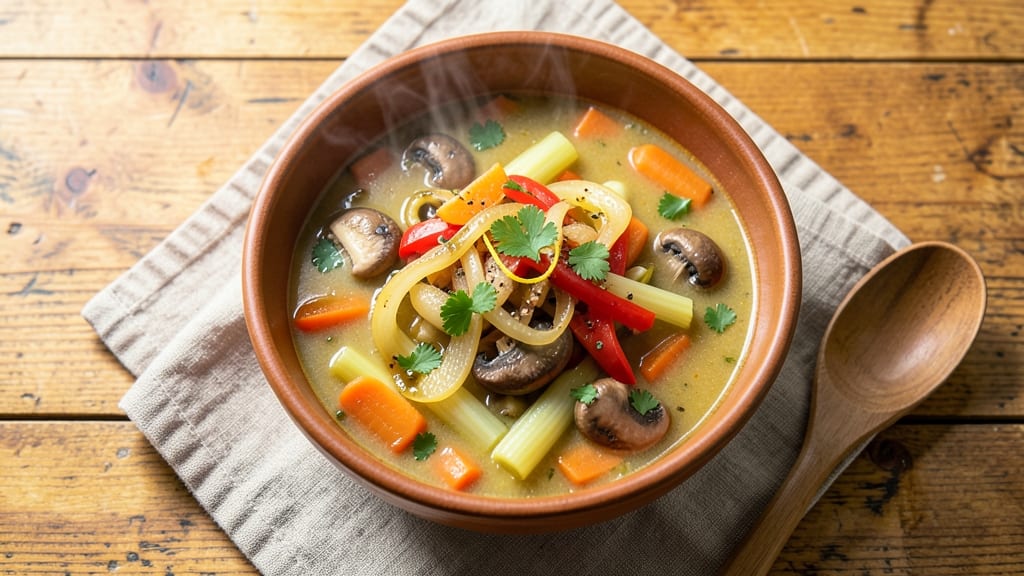
This all-vegetable soup recipe delivers hearty, nutrient-packed nourishment in just 30 minutes—no meat, no dairy, and no compromise on flavor.
The secret lies in layering textures: tender carrots, earthy mushrooms, and crisp bell peppers simmered until perfectly balanced, while aromatic herbs and a touch of acidity brighten every spoonful.
I developed this recipe after realizing how many people crave comforting soups without animal products, and this version consistently earns raves for its depth and satisfaction.
The beauty of this one-pot wonder is its adaptability—swap seasonal vegetables, adjust spice levels, or even blend a portion for creaminess. We start by sautéing onions and garlic until fragrant, then add hard vegetables first to ensure they cook through while softer ingredients finish just right.
The broth builds gradually, absorbing all the caramelized flavors from the vegetables, resulting in a rich, savory base that feels indulgent yet remains light.
What you'll end up with is a bowl of vibrant, aromatic soup that's equally at home on a chilly afternoon or as a light dinner. The vegetables retain their natural colors and textures, creating a visually appealing dish as well as a delicious one.
Each spoonful delivers a mix of sweet, earthy, and slightly tangy flavors, perfectly seasoned to satisfy without overwhelming.
This recipe works beautifully for meal prep—store it in the fridge for up to 5 days or freeze portions for later. For added protein, stir in cooked beans or lentils before serving, or top with fresh herbs and a drizzle of olive oil.
The one-pot simplicity makes it ideal for busy weeknights while still feeling like a restaurant-quality meal.
Ingredients for all vegetable soup
Fresh vegetables and aromatic herbs create a vibrant, plant-based soup that feels indulgent yet light.
| Ingredient | Amount | Notes |
|---|---|---|
| Yellow Onion 🧅 | 1 whole | Diced into small pieces |
| Garlic Cloves 🧄 | 4 cloves | Minced for aromatic base |
| Carrots 🥕 | 3 medium | Peeled and sliced into rounds |
| Bell Peppers 🌶️ | 2 whole | Assorted colors, diced |
| Celery Stalks 🥬 | 3 whole | Diced for classic mirepoix |
| Mushrooms 🍄 | 8 oz | Sliced cremini or white |
| Tomato Paste 🍅 | ½ cup | For rich umami depth |
| Vegetable Broth 💧 | 4 cups | Low-sodium preferred |
| Fresh Thyme 🌿 | ¼ cup | Leaves only, chopped |
| Fresh Parsley 🌿 | ¼ cup | Chopped for fresh finish |
| Lemon Juice 🍋 | 1 tbsp | Freshly squeezed |
| Extra-Virgin Olive Oil 🫒 | 2 tbsp | For sautéing vegetables |
| Sea Salt 🧂 | 1 ½ tsp | Diamond Crystal preferred |
| Black Peppercorns 🌶️ | ½ tsp | Freshly cracked |
The vegetables form the soul of this soup, so prioritize quality. Local farmers markets often carry the freshest carrots, bell peppers, and mushrooms—look for vibrant colors and firm textures. For the onion and celery, organic varieties from the grocery store work perfectly, especially when you can find them pre-washed. The tomato paste should be San Marzano if possible, as it offers the most concentrated sweetness. Fresh herbs like thyme and parsley make all the difference—Whole Foods bulk section is ideal for purchasing small amounts that won't wilt before you use them. Store-bought vegetable broth can be used, but for deeper flavor, consider making your own from vegetable scraps.
No fresh herbs? Dried thyme at one-third the amount works in a pinch, though fresh provides that bright aroma. Running low on bell peppers? Zucchini or eggplant can substitute, though they'll change the soup's texture slightly. The lemon juice adds brightness—bottled lemon juice works fine if you're in a hurry, but fresh is always better. For extra richness, a splash of coconut milk at the end adds creaminess without dairy. The olive oil matters too—avoid the cheapest brands, as they can overpower the delicate vegetable flavors. If you're using canned tomatoes, opt for whole peeled tomatoes instead of crushed for better texture control.
This soup keeps beautifully in the fridge for 5 days, with flavors actually improving as the vegetables meld together. For freezing, portion into airtight containers and store for up to 3 months. Reheat gently on the stove—never microwave—adding a splash of water or broth if it thickens too much. The herbs can be added fresh after reheating for maximum brightness. For meal prep, double the batch and freeze half immediately. The vegetables hold up remarkably well to freezing, though mushrooms may soften slightly. Always taste before serving and adjust seasoning—a pinch of salt or extra lemon juice can make all the difference.
Why You'll Love This Recipe
- Minimal Chopping Required: I swear by this—just dice those onions and carrots while the celery and peppers sit in one big chunk. The soup still tastes like it simmered all day, even if I’m too tired to get fancy.
- Garlic-Kissed Depth: That moment when the garlic cloves soften into golden brown? Pure flavor payoff. The onions caramelize just enough to make every spoonful feel like a hug—no fancy spices needed.
- Lunchbox Hero: Between us, this soup is my go-to for packing lunches. The bell peppers stay crisp, the carrots hold their shape, and it reheats like a dream. My kids argue over who gets the last bowl.
- Budget-Friendly Pantry Staple: I make this when the grocery bill’s tight. Onions, carrots, celery—they’re cheap, they last, and they turn into something that tastes like you spent hours. Honestly, it’s my secret weapon for feeding the whole family without breaking the bank.
Step-by-step instructions for all-vegetable soup
A rich, flavorful vegetable soup comes together with methodical layering of aromatics and vegetables.
Develop the Aromatic Base
Heat the 2 tablespoons extra-virgin olive oil in a large Dutch oven or heavy pot over medium heat. Add the 1 whole yellow onion, 3 whole celery stalks, and 2 whole bell peppers, all diced, spreading them evenly in the pan. Cook for 8-10 minutes, stirring occasionally, until the vegetables begin to soften and the onion turns translucent.
Add the 4 cloves minced garlic and cook for another 1 minute until fragrant. This foundational step builds the flavor profile—don't rush it. The vegetables should release their natural juices, creating a fragrant base for the soup. If the vegetables begin to brown too quickly, reduce the heat slightly to prevent burning.
Incorporate Root Vegetables and Mushrooms
Add the 3 medium carrots, sliced into rounds, and the 8 oz sliced mushrooms. Stir well to combine with the aromatic base. Cook for 5-7 minutes until the carrots begin to soften slightly and the mushrooms release their moisture. This step ensures even cooking and prevents the mushrooms from absorbing too much liquid later.
Sprinkle the 1.5 teaspoons sea salt and 0.5 teaspoon freshly cracked black peppercorns over the vegetables. Stir to distribute evenly, allowing the seasoning to penetrate the vegetables while they cook. The salt will help draw out moisture, enhancing the overall flavor of the soup as it simmers.
Build Depth with Tomato Paste and Broth
Reduce the heat to medium-low and stir in the 0.5 cup tomato paste, spreading it evenly over the vegetables. Cook for 2-3 minutes until the tomato paste darkens slightly and begins to caramelize. This step adds a rich, umami depth to the soup.
Pour in the 4 cups vegetable broth, stirring to deglaze the pot and lift any browned bits from the bottom. Bring the mixture to a gentle simmer, then add the 0.25 cup chopped fresh thyme. Partially cover the pot and let the soup simmer for 15 minutes, allowing the flavors to meld and the vegetables to soften further. Skim off any foam that rises to the surface for a cleaner broth.
Finish with Fresh Herbs and Brightness
After 15 minutes, stir in the 1 tablespoon freshly squeezed lemon juice and 0.25 cup chopped fresh parsley. The lemon juice adds a bright, acidic note that balances the richness of the vegetables, while the parsley introduces a fresh finish. Taste the soup and adjust the seasoning if needed—add more salt or pepper to taste.
Simmer the soup uncovered for another 5-7 minutes to allow the flavors to fully integrate. The vegetables should be tender but still hold their shape, and the broth should be rich and flavorful. If the soup is too thick, add a splash of water or broth to reach your desired consistency.
Serve Warm with Crusty Bread
Ladle the soup into bowls and serve immediately, garnished with additional fresh parsley if desired. The soup should be hearty and nourishing, with a balance of sweet, earthy, and tangy flavors. Pair it with crusty bread to soak up every last drop of the delicious broth.
This one-pot vegetable soup delivers a satisfying, wholesome meal in under 30 minutes, making it perfect for busy weeknights or cozy gatherings. The method ensures a well-balanced, flavorful dish that highlights the natural sweetness and texture of the vegetables.
Pro Tips For Making All Vegetable Soup
- Sweat, Don’t Burn, Your Aromatics: Onion and garlic are the soul of this soup—don’t rush them. Cook the chopped onion and garlic in olive oil over medium-low heat for 8-10 minutes until deep golden, not browned. I learned this the hard way: charred garlic tastes bitter and overpowers the whole dish.
- Cut Celery into Sticks: Skip the dice—celery sticks hold their shape better and add satisfying texture. They also release flavor more slowly, keeping the soup balanced. (Yes, even if you’re impatient like me, resist the urge to chop them small.)
- Salt the Water Generously: Vegetables absorb flavor like sponges. Add 1-2 teaspoons of salt to the pot before adding broth or water—it seasons the veggies from the start. I used to skip this, and the soup always tasted flat until I tried it.
- Roast the Carrots First: Toss peeled carrot chunks with olive oil, salt, and pepper, then roast at 400°F (200°C) for 20 minutes before adding to the soup. The caramelized edges add depth without extra effort. (Your future self will thank you.)
Storing and reheating your leftovers
Fridge Storage Tips
Let your soup cool to room temperature for no more than 2 hours before transferring it to an airtight container—I use glass Pyrex with snap-on lids for best results. Store it in the fridge at 40°F or below for up to 5 days.
The flavors actually deepen as the vegetables meld together overnight, making it taste even better the next day. 💫
Freezer Prep Guide
For long-term storage, portion your soup into quart-sized freezer bags or airtight containers, leaving 1 inch of headspace for expansion. Seal tightly to prevent freezer burn and label with the date.
This soup freezes beautifully for up to 3 months, though mushrooms may soften slightly after thawing. I always freeze it before the 5-day fridge limit to maximize freshness.
Stovetop Reheating
My preferred method is stovetop reheating because it preserves texture and flavor. Pour the soup into a pot, add ¼ cup water or broth to prevent sticking, and heat over medium-low heat for 10-15 minutes.
Stir occasionally and taste before serving—you may need to adjust seasoning since flavors concentrate during storage. A splash of lemon juice can revive brightness if needed. 🔥
Microwave Safety
For quick reheating, transfer a single serving to a microwave-safe bowl and cover loosely with a damp paper towel. Heat on 70% power for 2-3 minutes, then stir and continue in 30-second intervals until reaching 165°F.
Avoid overcooking—vegetables can turn mushy if microwaved too long. I only use this method for lunches when I'm in a rush.
Herb Refresh Trick
After reheating, stir in 1 tablespoon fresh parsley or ½ teaspoon dried thyme to restore freshness. The herbs brighten the flavors and make the soup taste like it was just made.
For extra richness, drizzle with 1 teaspoon olive oil right before serving. This simple step transforms reheated soup into something restaurant-worthy. ✨
Meal Prep Strategy
Double the recipe and freeze half immediately for future meals. When ready to eat, thaw overnight in the fridge, then reheat using your preferred method. I keep a stash of frozen portions in my freezer for those days when I need a quick, nourishing meal without extra prep.
The vegetables hold up remarkably well to freezing, though I always taste and adjust seasoning after reheating. 📅
Nutrition facts
Frequently asked questions about all-vegetable soup
Can I make this soup gluten-free?
This recipe is naturally gluten-free since it relies only on vegetables, broth, and herbs. Just ensure your vegetable broth is certified gluten-free and check any tomato paste packaging for hidden gluten additives. The same goes for seasonings—opt for gluten-free salt blends if needed. This soup works perfectly as a base for gluten-free diets while keeping all the hearty flavor.
What vegetables can I swap in for seasonal changes?
This soup is incredibly flexible! Use zucchini or eggplant instead of bell peppers for summer, or swap carrots for butternut squash or sweet potatoes in fall. Winter calls for heartier options like kale, Brussels sprouts, or turnips. For extra creaminess, add cauliflower or potatoes that'll break down beautifully during simmering. The key is balancing textures—keep some firm vegetables for structure.
How can I add more protein without animal products?
For plant-based protein, stir in 1 cup cooked lentils or chickpeas during the final 5 minutes of simmering. Or add ½ cup tofu cubes (firm or extra-firm) after sautéing the aromatics but before adding broth. For a creamier option, blend ½ cup cashews with some broth and stir in at the end. These additions will make the soup even more satisfying while keeping it vegan.
Why did my soup turn out too watery?
This usually happens when using too much broth or not cooking the vegetables long enough to release their natural starches. For the next batch, try simmering uncovered for 10-15 minutes longer to let the liquid reduce naturally. You can also mash 1-2 cooked potatoes or carrots at the end to thicken it, or stir in 1 tablespoon cornstarch mixed with water. Always taste as you go—seasoning builds as it reduces!
Can I make this soup in an Instant Pot?
Yes! Sauté the onions, garlic, celery, and bell peppers as directed, then add all remaining ingredients except herbs. Seal the lid and cook on high pressure for 8 minutes. Let the pressure release naturally for 10 minutes, then stir in fresh herbs. The Instant Pot version cooks in about 20 minutes total, with vegetables that stay vibrant. Just be careful not to overcook—check doneness with a fork after the quick release.